
Transitioning from a digital screen to a physical page is a major milestone for online novels. In the Philippines, many viral Wattpad stories have made this leap, transforming into highly sought-after Tagalog pocket books. These physical editions allow readers to hold their favorite romance, drama, and thriller stories in their hands, complete with professionally edited text and exclusive printed content. However, because print runs are limited and licensing agreements change, not every online hit is guaranteed to have an active physical release. Finding authentic copies requires knowing where to look and how to verify legitimate editions.
Quick Guide to Identifying Available Titles
The journey from a viral online draft to a physical book on a store shelf is highly selective. Publishers evaluate online metrics, but they also consider editing feasibility, target audience demographics, and production costs. Consequently, even a story with millions of online reads might not receive a physical print run if the publisher deems the market demand insufficient or the licensing terms unfavorable.
To determine if a specific Wattpad bestseller is available in print, readers should avoid relying on fan-made mockups or social media rumors. Enthusiastic readers often design concept covers that look remarkably authentic, leading to confusion about actual print availability. The most reliable approach is to cross-reference the online title directly with the official catalogs of established local publishing houses. By checking verified publisher websites and official bookstore inventories, you can quickly confirm whether a story has transitioned into a legitimate physical pocket book.
Products mentioned in this guide
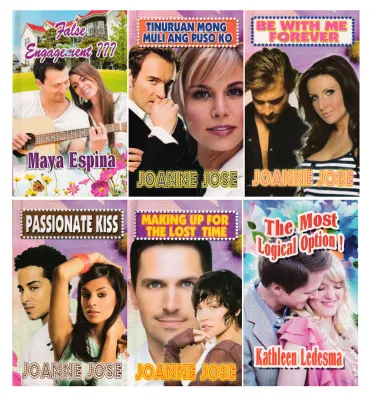
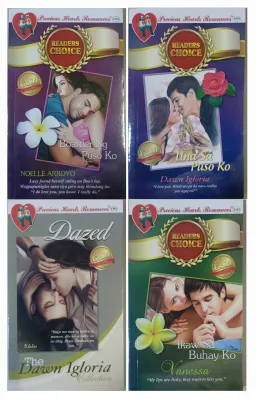
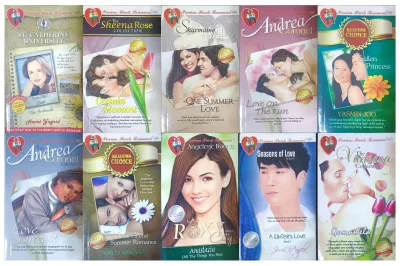
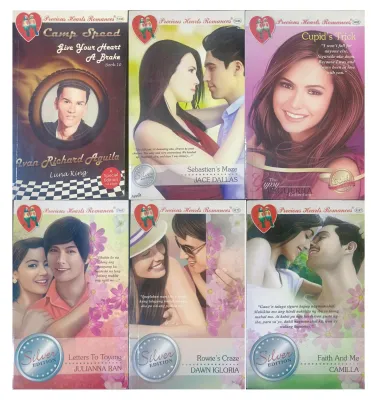
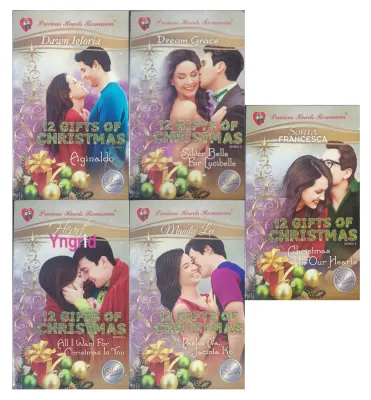
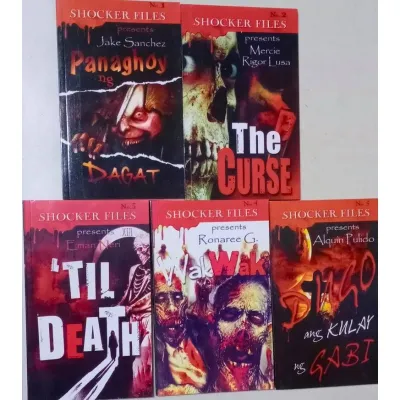
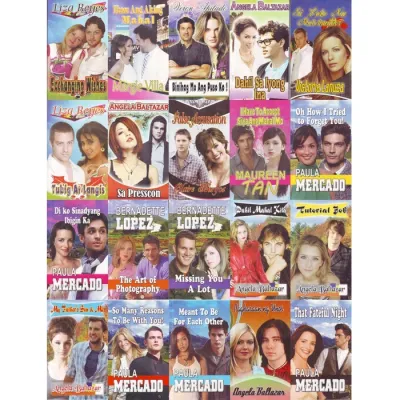
Prices are valid at publication and may change. Please refer to the product page for the latest price.
Understanding the Tagalog Pocket Book Format
Tagalog pocket books occupy a unique space in the local literary landscape, characterized by distinct physical standards designed for accessibility. Typically, these books measure around 4.25 by 6.75 inches, making them significantly smaller than standard trade paperbacks. This compact size is intentional, allowing readers to easily slip them into school bags, purses, or even deep pockets. The page count generally ranges from 120 to 250 pages, utilizing lightweight newsprint or cream-colored paper to keep the overall weight minimal.

Portability and affordability are the primary drivers of this format’s enduring popularity. In the Philippines, where daily commutes on jeepneys, buses, and trains can be long and crowded, a lightweight book that can be held comfortably with one hand is highly practical. Furthermore, the use of cost-effective materials allows publishers to retail these books at highly accessible price points, often ranging from ₱100 to ₱250. This low barrier to entry makes collecting physical copies of beloved online stories feasible for students and young adults on modest budgets.
It is important to differentiate these pocket books from standard mass-market paperbacks. While both formats target a broad audience, local pocket books often feature specific binding styles and paper grades tailored to regional printing presses. The covers are usually made of thin cardstock with a glossy or matte finish, sometimes featuring vibrant illustrations that mirror the original digital cover art. Understanding these physical traits helps readers set realistic expectations regarding durability and paper quality, ensuring they appreciate the format for its intended convenience and value.
How to Verify if a Wattpad Story Has a Physical Release
With the rise of self-publishing and independent printing services, verifying the legitimacy of a physical book release has become crucial for readers. The first and most direct method of verification is to monitor the official communication channels of the authors themselves. Successful Wattpad writers typically announce physical publishing deals through pinned posts on their official social media profiles, verified Wattpad accounts, or personal blogs. These announcements usually include details about the publishing house, release dates, and authorized retail partners.
In addition to author announcements, readers can utilize official databases to confirm a book’s print status. Every legitimately published book in the Philippines is assigned an International Standard Book Number (ISBN), which serves as a unique commercial identifier. You can search for the book’s title or author in the National Library of the Philippines’ database or check the online catalogs of major, established bookstore chains. If a book does not appear in any official retail inventory or library database, it is highly likely that the physical copy is either an unauthorized print or a fan-made concept.
Readers must remain vigilant against pre-order scams and unauthorized printing services. Some unverified online sellers and unofficial fan pages offer custom printing services, where they bind digital Wattpad drafts into physical books without the author’s or publisher’s consent. Purchasing these unauthorized copies not only violates copyright laws but also deprives the original creators of their hard-earned royalties. Always verify that the pre-order link or seller page is directly affiliated with an official publishing house or a recognized bookstore chain before committing to a purchase.
Key Factors When Choosing Your Next Read
When transitioning from reading on a mobile application to turning physical pages, several factors influence the overall reading experience. Content completeness is a primary consideration. Physical adaptations of Wattpad stories rarely feature the exact, unedited text found online. Publishers employ professional editors to refine the narrative, correct grammatical errors, tighten pacing, and resolve plot holes. While this improves the overall quality, it also means some scenes may be altered or condensed. Conversely, physical editions often entice buyers by including exclusive epilogues, bonus chapters, or character illustrations that are completely unavailable on the digital platform.
Another critical factor is the quality of localization and translation. Many popular online stories are written in Taglish—a fluid blend of Tagalog and English that reflects daily conversational speech in the Philippines. When these stories are prepared for print, editors must balance maintaining the authentic voice of the characters with ensuring grammatical consistency and readability. If a story was originally written entirely in English and later translated into Tagalog for a specific pocket book line, readers should look for translations that feel natural and culturally resonant, avoiding stiff or overly literal phrasing.
Finally, the physical build quality of the pocket book deserves careful evaluation. Because these books are produced using cost-effective materials, the durability of the binding is paramount. Examine the spine to ensure the glue is applied evenly and the pages are securely bound; poorly bound books may lose pages after only a few reads. Additionally, consider the font size and line spacing. Because pocket books have smaller pages, the text can sometimes be densely packed. Opt for editions that maintain clear readability, preventing eye strain during extended reading sessions in various lighting conditions.
Where to Buy Authentic Copies Safely
To ensure you are supporting the original authors and receiving high-quality physical products, it is essential to purchase books from authorized retail channels. The most reliable sources are the official physical stores and verified online storefronts of major bookstore chains in the Philippines. Additionally, many local publishing houses operate their own dedicated websites and official flagship stores on major ecommerce platforms. Buying directly from these verified outlets guarantees that the book is genuine, complete, and printed under a legal licensing agreement.
Recognizing the red flags of counterfeit sellers can protect you from purchasing low-quality, pirated copies. Counterfeit books are often sold on online marketplaces by unverified third-party sellers at unusually low prices that seem too good to be true. When examining product listings, look closely at the provided images. Pirated books frequently exhibit blurry cover art, misaligned text on the spine, and thin, highly translucent paper where the text from the reverse side clearly bleeds through. Legitimate pocket books will always feature a clear copyright page detailing the publisher’s information, printing history, and a valid ISBN barcode on the back cover.
Before making a purchase on any online platform, take the time to inspect seller ratings and read detailed buyer reviews. Genuine buyers often post physical photos or short videos of the books they received, which can help you assess the print quality and packaging standards. Look for reviews that specifically mention secure packaging, as pocket books can easily suffer bent corners or spine damage during transit if not wrapped properly in protective materials like bubble wrap or cardboard backing.
Caring for Your Pocket Book Collection
Preserving a collection of Tagalog pocket books requires careful attention to environmental factors, particularly given the tropical climate of the Philippines. High humidity and ambient moisture are the primary enemies of paperbacks, often causing pages to warp, wrinkle, or develop yellow spots known as foxing. To prevent this, store your books in a dry, well-ventilated area away from direct sunlight, which can fade cover inks and dry out binding glue. Placing small packets of silica gel on your bookshelves or inside storage boxes can help absorb excess moisture and protect the paper.
Safe handling practices during reading also play a vital role in maintaining a book’s structural integrity. Avoid opening the pocket book completely flat or bending the cover backward, as this puts excessive stress on the glue binding and can cause pages to detach from the spine. Instead, hold the book at a moderate angle that allows comfortable reading without forcing the spine to crack. Using a proper bookmark rather than folding the corners of the pages will also keep the paper pristine and prevent permanent creases.
For general maintenance, gently dust your books regularly using a soft, dry microfiber cloth or a clean feather duster to prevent dust accumulation along the top edges of the pages. If the laminated cover accumulates fingerprint oils or minor smudges, you can wipe it very gently with a slightly damp microfiber cloth, taking care not to let any moisture seep into the paper edges. Never use harsh chemical cleaners or excessive water, as these will permanently damage the cover finish and ruin the underlying paper.
Frequently Asked Questions (FAQ)
Are Tagalog pocket books exact copies of the original online stories?
No, physical pocket book editions are rarely identical to their original online drafts. When a publisher acquires a Wattpad story, the manuscript undergoes a professional editorial process to correct grammatical errors, improve pacing, and resolve narrative inconsistencies. Some scenes may be rewritten or condensed to fit the physical page constraints. However, physical books often feature exclusive content, such as special epilogues, bonus chapters, or author notes, which are not available in the free online version.
How can I tell if a Tagalog pocket book is pirated?
You can identify a pirated pocket book by examining its physical construction and print quality. Counterfeit copies typically feature blurry or pixelated cover designs, low-quality paper that is unusually thin or gray, and uneven text alignment. Legitimate editions will always include a dedicated copyright page with the publisher’s official details, registration information, and a scannable ISBN barcode on the back cover. Additionally, purchasing from unverified online sellers at prices significantly lower than standard retail rates is a strong indicator of a counterfeit product.
Community discussion
Share your experience or ask a question. Comments are reviewed before publication.