
Finding and buying back issues of Philippine lifestyle magazines from 2011 requires a strategic combination of targeted online searches, local secondhand scouting, and active engagement with collector networks. Because print runs from this era were finite and many physical copies have succumbed to the country’s high tropical humidity, securing a specific issue demands a systematic approach to verification and sourcing. By knowing exactly what to look for, where to search, and how to evaluate the physical condition of 15-year-old paper, you can successfully rebuild your collection or gather valuable reference material.
Identify Your Target Issues and Editions
Before beginning your search, it is essential to narrow down your target list. The Philippine lifestyle media landscape in 2011 was vibrant and highly segmented, dominated by distinct categories that catered to specific interests. Identifying the exact category of your desired magazine will help you locate specialized sellers who often deal in niche genres rather than general paper ephemera.
Fashion and beauty titles from 2011 frequently featured prominent local celebrities and international models, making them highly sought after by pop culture collectors. Food and culinary publications from this period documented the rising local restaurant scene and traditional Filipino recipes, while travel and home design magazines captured the design trends and destinations popular during the early 2010s. Knowing which category your target falls into allows you to refine your search terms and join the right collector circles.
Products mentioned in this guide


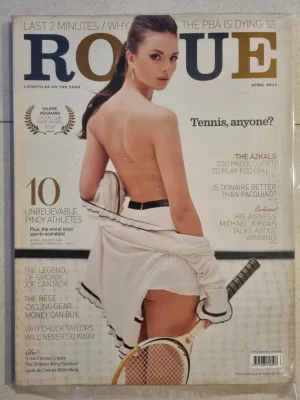

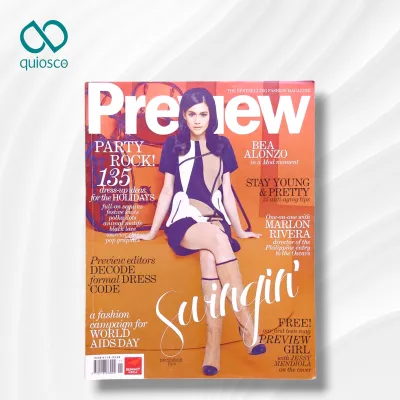
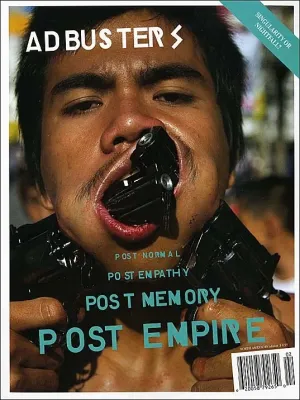
Prices are valid at publication and may change. Please refer to the product page for the latest price.
Availability and pricing vary significantly depending on whether you are looking for a standard monthly issue or a special release. Anniversary editions—typically published in the third or fourth quarter of the year—and holiday specials from December often featured thicker paper stock, gatefold covers, and extensive editorial features. These special editions were printed in larger quantities but are also more fiercely guarded by collectors, whereas regular monthly issues might have had smaller print runs and lower survival rates over the years.
To keep your search organized and prevent duplicate purchases, create a detailed tracking checklist before contacting sellers. This checklist should serve as your primary reference during negotiations and verification. Ensure your tracker includes the following key details for every target issue:
- Magazine Title: The exact publication name, noting any sub-brands or regional editions.
- Publication Month and Year: Specifically targeting 2011 issues.
- Issue Number and Volume: Crucial for verifying the exact release when cover dates are obscured.
- Cover Star or Lead Feature: The primary visual identifier used by most secondhand sellers.
- Special Inserts: Note whether the issue originally included posters, supplement booklets, or sample sachets.
Where to Search for Vintage Magazine Back Issues
Locating print media from 2011 requires exploring both digital platforms and physical locations across the Philippines. Online marketplaces and e-commerce platforms are excellent starting points for broad searches. When searching online, avoid generic terms and instead use specific search strings such as “2011 magazine,” “vintage [Title] 2011,” or “[Title] [Month] 2011” to filter out irrelevant modern listings.

Many online marketplaces allow you to save searches and set up automated alerts. By configuring these notifications, you will receive immediate updates whenever a seller uploads a listing matching your specific keywords. It is also beneficial to check general secondhand selling apps and classified ad sites, where casual sellers often list old household items, including boxes of old magazines, at low prices.
For those who prefer physical browsing, local secondhand bookstores and vintage hubs are invaluable resources. Areas with a high concentration of student housing, historic shopping districts, or creative hubs like Cubao Expo often host shops specializing in vintage print media. Do not hesitate to ask shopkeepers directly about their back-stock, as many keep unsorted boxes of older periodicals in their storage rooms due to limited shelf space.
Weekend flea markets and community garage sales in older residential neighborhoods are also excellent hunting grounds. Additionally, keep an eye out for university library surplus sales. When academic libraries update their archives or digitize their collections, they occasionally hold public sales to offload duplicate physical copies of lifestyle and cultural periodicals.
Collector communities and social media groups dedicated to Philippine print memorabilia offer a direct line to passionate hobbyists. Joining these groups allows you to post “Want to Buy” (WTB) listings featuring your tracking checklist. Members of these communities are often willing to trade or sell duplicate copies from their personal archives, and they can provide valuable leads on where specific issues were last seen.
Finally, consider making direct archive inquiries. While national and university libraries preserve these magazines for public viewing rather than sale, some institutions maintain duplicate copies that are eventually deaccessioned. Contacting the administrative or acquisitions department of major libraries can sometimes reveal opportunities to purchase duplicate back issues that are no longer required for their permanent collections.
How to Evaluate Condition and Authenticity
Evaluating the physical state of a magazine is a critical step before finalizing any purchase. Paper products degrade over time, especially when exposed to tropical climates. To standardize your evaluations and negotiate fair prices, use a basic grading scale adapted for 15-year-old paper products:
- Mint (M): The magazine looks brand new, with a flat, uncreased cover, a tight spine, sharp corners, and white pages. This condition is exceptionally rare for 2011 issues kept in non-archival environments.
- Very Good (VG): The cover retains its gloss, but may show minor surface wear or tiny corner creases. The spine is intact, and the pages are clean with minimal yellowing.
- Good (G): The magazine shows obvious signs of use, including moderate spine roll, cover scuffing, and noticeable page yellowing, but remains completely intact and readable.
- Fair (F): Significant wear is present, such as minor water stains, small tears, loose pages, or heavy foxing. The issue is complete, but its aesthetic value is compromised.
When inspecting a magazine in person or requesting detailed photos from an online seller, focus on key structural points. Examine the spine integrity to ensure the glue or staples have not dried out and failed, which causes pages to detach. Check for page yellowing and brittleness, which occur when cheap, acidic paper stock is exposed to light and air over fifteen years.
Water stains and foxing—characterized by rusty brown spots on the paper—are common issues in humid regions. Inspect the edges of the pages closely for these signs of fungal growth. Additionally, verify that all original inserts, pull-out posters, or recipe booklets are still present, as their absence significantly reduces the collector value of the issue.
Authenticity checks are also necessary, particularly for highly collectible issues featuring iconic cover stars. While counterfeit lifestyle magazines are uncommon, high-quality digital reprints do exist. Verify the publisher’s official logo, inspect the print quality under bright light to ensure text is sharp rather than pixelated, and check the barcode details on the back cover to confirm they match the original 2011 publishing data.
Be prepared to walk away if you encounter major red flags. Active mold growth, characterized by a strong musty odor or powdery white and grey patches, is a serious hazard that can spread to and ruin your entire existing collection. Severe insect damage, such as silverfish tunnels or chewed page edges, and missing pages that disrupt the editorial content are also clear signs that an issue should be rejected or heavily discounted.
Negotiating, Purchasing, and Safe Shipping
Once you locate a desired 2011 issue in acceptable condition, the final steps involve securing a fair price and ensuring the item survives transit. Pricing expectations should be benchmarked in Philippine Pesos (₱) by researching completed transactions on online marketplaces. Standard monthly issues in Good condition generally command modest prices, while rare anniversary editions or issues featuring highly popular cover stars will naturally carry a premium.
When purchasing online, always prioritize secure payment methods. Use the built-in, escrow-protected checkout systems provided by established e-commerce platforms rather than direct bank transfers or untraceable remittance services. These platform-protected methods hold your payment in escrow until you receive and verify the item, offering essential buyer protection against fraud or non-delivery.
Given the fragile nature of 15-year-old paper, proper packaging is non-negotiable. Insist that the seller package the magazine using protective materials designed to withstand transit. The magazine should be placed inside a sealed, waterproof plastic sleeve to protect it from tropical rain and humidity. It must then be sandwiched between two sheets of rigid, thick cardboard to prevent bending, and placed inside a padded bubble mailer.
Upon delivery, document the unboxing process immediately. Before opening the outer courier pouch, start recording a continuous, unedited video showing the shipping label and the condition of the package. Continue filming as you open the parcel and inspect the magazine’s condition. This video serves as indisputable evidence if you need to file a damage claim with the courier or request a refund from the seller due to transit damage or undisclosed defects.
Frequently Asked Questions (FAQ)
Is it legal to buy and resell vintage magazines in the Philippines?
Yes, it is entirely legal to buy and resell legally acquired physical copies of vintage magazines in the Philippines. Under the first-sale doctrine, once a publisher sells a physical copy of a magazine, the buyer acquires the right to sell, donate, or discard that specific physical item. However, this right only applies to the physical object itself. You cannot legally scan, digitize, photocopy, or otherwise reproduce the copyrighted articles, photographs, and advertisements within the magazine for commercial distribution or public sharing without explicit permission from the copyright holders.
How should I store my 2011 lifestyle magazines to prevent further aging?
To preserve your 2011 lifestyle magazines, store them in a cool, dry, and dark environment. High humidity and direct sunlight are the primary catalysts for paper decay, color fading, and mold growth. Keep your collection away from exterior walls, windows, and floor-level storage where moisture can accumulate. Individually slide each magazine into an acid-free archival sleeve, preferably with an acid-free backing board to keep the spine flat. Store the sleeved magazines vertically in heavy-duty archival boxes, and handle them only with clean, dry hands to avoid transferring skin oils to the fragile paper.
Community discussion
Share your experience or ask a question. Comments are reviewed before publication.