
Finding a book that completely envelops you in its world is one of the greatest joys of reading. An exceptional atmosphere book does not merely tell a story; it transports you into a specific sensory space, making you feel the damp chill of an old stone corridor or the heavy, humid air of a tropical evening before a storm. To choose the perfect immersive novel in English or Tagalog, you must look beyond basic plot summaries and focus on how a writer constructs their world, paces their narrative, and utilizes linguistic rhythm.
Whether you are curled up indoors during a sudden monsoon downpour or seeking a quiet escape from the midday heat, matching your current emotional state to the right literary subgenre is key. By understanding the structural elements of mood-driven fiction and knowing how to evaluate both English and Tagalog editions, you can ensure your next literary purchase delivers a deeply satisfying, transportive experience.
What Defines a Truly Immersive Atmosphere Book
An atmospheric novel relies on a delicate balance of literary elements to establish its unique mood. The most critical of these elements is a setting that functions as an active character. Instead of serving as a passive backdrop, the environment in these books actively influences the plot, shapes character motivations, and reacts to the unfolding drama. A decaying ancestral home, a dense and whispering jungle, or a rain-slicked urban alleyway can possess its own agency, creating a sense of tension that keeps you turning pages.
Products mentioned in this guide

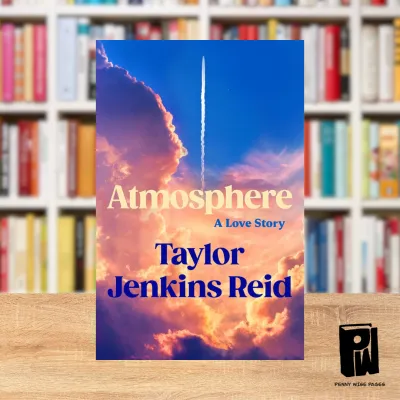
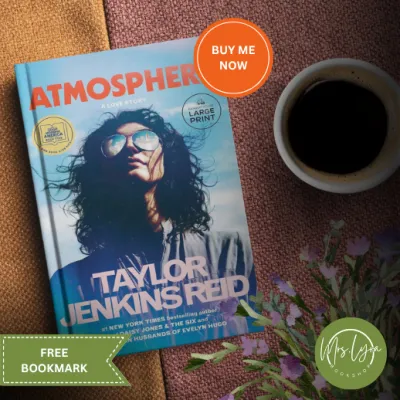
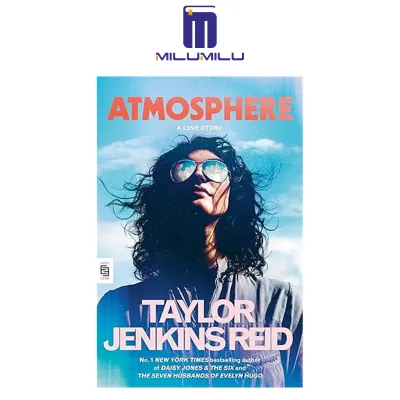


Prices are valid at publication and may change. Please refer to the product page for the latest price.
Sensory world-building is another hallmark of highly immersive fiction. Authors of atmospheric books go far beyond visual descriptions to engage your senses of sound, smell, touch, and even taste. You might find yourself noticing the sharp scent of ozone before a storm, the rhythmic creaking of floorboards, or the sticky discomfort of sweat on a humid afternoon. These tactile details ground the narrative in reality, making the fictional world feel tangible and immediate.
Finally, the pacing of an atmospheric book is deliberately calibrated to prioritize emotional resonance over rapid plot progression. While action-heavy thrillers rush from one plot point to the next, mood-driven novels allow scenes to breathe. This slower, more contemplative pace gives you time to absorb the environment and feel the growing psychological tension. The focus shifts from what happens next to how the characters—and you, the reader—experience each passing moment.
Matching Your Mood to Atmospheric Subgenres
Choosing the right book requires identifying the specific type of atmosphere that aligns with your current reading goals. If you crave a sense of isolation, intellectual mystery, and historical decay, the Gothic and dark academia subgenres are ideal. These stories often feature grand, crumbling estates, remote boarding schools, and characters obsessed with forbidden knowledge. The mood is consistently shadowy and melancholic, making them perfect companions for quiet, rainy nights when you want to lose yourself in a world of secrets.

For those who prefer a blend of the ordinary and the extraordinary, magical realism offers a unique form of immersion. This subgenre seamlessly weaves dreamlike, supernatural elements into grounded cultural landscapes. Instead of treating magic as an unexpected shock, the characters accept it as a natural part of daily life. This approach creates a whimsical yet deeply contemplative atmosphere, often rich with local folklore, ancestral memories, and a profound connection to the natural world.
If you enjoy high psychological tension, a slow-burn psychological novel may be your best choice. These books emphasize internal conflict, claustrophobic settings, and unreliable perspectives. The atmosphere is built on what is left unsaid, creating a lingering sense of unease as you try to distinguish between external reality and the characters’ distorted perceptions. It is a highly cerebral reading experience that keeps you constantly questioning the narrative truth.
Alternatively, lyrical and contemplative fiction focuses on nature, memory, and poetic prose. These books are less about mystery or tension and more about capturing a specific emotional state. The writing itself becomes the atmosphere, using beautiful, rhythmic language to explore themes of grief, longing, and the passage of time. This subgenre is perfect when you want to slow down and savor the artistry of the written word.
Selection Criteria for English Atmospheric Fiction
When searching for mood-driven novels originally written in English, evaluating the prose style before purchasing is essential. You can easily do this by reading available excerpts or sample chapters on publisher websites or digital bookstores. Look for writing that uses evocative, sensory verbs and varied sentence structures. If the opening pages rely heavily on dry exposition or rapid-fire dialogue without establishing the physical space, the book may not deliver the deep immersion you desire.
Reader reviews can also provide valuable clues about a book’s atmospheric quality, provided you know what to look for. Instead of focusing on overall star ratings, search the text of reviews for specific keywords. Terms like “slow-burn,” “richly detailed,” “evocative,” or “sense of place” usually indicate a strong atmosphere. Conversely, if multiple reviewers complain about slow pacing or a lack of action, it often means the book prioritizes mood over plot—which is exactly what an atmosphere seeker wants.
Additionally, consider whether the setting and historical era match your personal aesthetic preferences. A novel set in a remote, wind-swept lighthouse in the nineteenth century offers a very different kind of isolation than a contemporary story set in a sprawling, neon-lit metropolis. Identifying the specific environments that naturally capture your imagination will help you select a book that you find genuinely difficult to put down.
Navigating Tagalog Atmospheric Literature
Exploring atmospheric literature written in Tagalog offers a distinct and deeply rewarding reading experience. Local writers excel at integrating cultural nuances and regional folklore directly into their world-building. From the heavy, superstitious atmosphere of rural towns to the bustling, chaotic energy of urban neighborhoods, these stories draw on shared cultural memories, local myths, and historical traumas. The resulting mood is uniquely resonant, capturing the complexities of life in a tropical, post-colonial landscape.
To find high-quality Tagalog atmospheric fiction, it is beneficial to look at the catalogs of reputable local publishers. University presses, such as those associated with leading academic institutions, are renowned for publishing award-winning literary fiction that pushes creative boundaries. Independent local publishers and established literary imprints also offer curated selections of contemporary novels. Exploring these publishers’ websites or visiting local independent book fairs can introduce you to exceptional works that may not be featured on mainstream bestseller lists.
Furthermore, the linguistic rhythm of the Tagalog language plays a vital role in establishing mood. Tagalog prose often utilizes poetic repetition, deep emotional vocabulary, and localized idioms that convey complex feelings of longing or sorrow. Words like pangungulila, which describes a deep, aching sense of loneliness or yearning, carry a weight that is difficult to replicate in translation. Engaging with the language in its original form allows you to experience the precise emotional texture the author intended to create.
Pre-Purchase Checklist for Physical and Digital Editions
Before finalizing your purchase of an atmospheric novel, taking a few moments to verify the edition details can prevent disappointment. First, confirm the exact language or translation of the book. If you are purchasing a Tagalog novel, double-check whether you are buying the original text or an English translation, as some online listings can be ambiguous. If you prefer translations, look for editions that credit the translator clearly, as a high-quality translation is crucial for preserving the original atmospheric tone.
If you prefer digital reading, verify the e-book file formats and device compatibility. Atmospheric books often rely on specific formatting, chapter decorations, or unique layouts to enhance the reading experience. Ensure the file format is fully compatible with your e-reader or mobile app to avoid layout distortion. Additionally, be aware of any regional restrictions or digital rights management limitations that might prevent you from accessing your purchase on your preferred device.
Content completeness is another critical factor to verify, especially when buying classics or older titles. Ensure you are not accidentally purchasing an abridged version, a simplified student edition, or an unauthorized print-on-demand copy. These inferior editions often strip away the descriptive passages and slow-paced scenes that are essential to building the book’s atmosphere, leaving you with a hollowed-out version of the story.
Finally, always purchase your books from authorized online bookstores, official publisher shops, or reputable local independent booksellers. This ensures you receive a high-quality, complete edition while directly supporting the authors and publishers who dedicate their time to creating these immersive literary worlds. Investing in legitimate copies, which typically range from ₱300 to ₱800 for quality paperbacks, helps sustain the vibrant literary community.
Frequently Asked Questions (FAQ)
How can I tell if a book has a strong atmosphere before buying it?
You can evaluate a book’s atmosphere by reading the first chapter preview on official publisher websites or digital storefronts. Pay close attention to how the author introduces the setting; if they use rich sensory details and establish a distinct mood early on, it is a strong indicator of an atmospheric read. Additionally, analyze the publisher’s description for mood-related keywords and filter reader reviews for mentions of world-building depth and pacing.
Are Tagalog atmospheric novels widely available in digital formats?
Many contemporary Tagalog novels and literary works from major university presses are increasingly available as e-books through global digital platforms and local publisher websites. However, some independent, classic, or out-of-print titles may still only be accessible in physical formats. When purchasing digital editions, always verify the file compatibility with your specific e-reader and check for any regional download restrictions.
Community discussion
Share your experience or ask a question. Comments are reviewed before publication.