
A kick block—often referred to as a percussion block, jam block, or foot-operated wood block—is an excellent addition to any drum kit or percussion rig. It allows drummers to inject sharp, woody, or metallic accents into their beats without taking their hands off the sticks, or by using standard drumsticks on a mounted block. For beginners in the Philippines, selecting the right first kick block requires balancing sound preferences, mounting compatibility, and material durability under local climate conditions. Understanding these key features ensures you invest in an instrument that integrates seamlessly with your current setup and withstands hours of practice.
Understanding the Role of a Kick Block in Your Setup
A kick block serves as a high-pitched, distinct voice in a percussion setup. It is commonly used to play clave patterns, steady cowbell-like pulses, or sharp syncopated accents that cut through a dense musical mix. In genres popular in local live music scenes—such as acoustic pop, reggae, Latin jazz, and church worship sets—the kick block provides a clear, rhythmic anchor that contrasts beautifully with the deep thud of the bass drum and the crisp snap of the snare.
Integrating a kick block into your setup can be done in two primary ways: either by mounting it to be struck with your hands using drumsticks, or by mounting it near the floor to be played with a foot pedal. For beginners, adding this instrument expands your sonic palette without requiring the space or budget of a full auxiliary percussion rig. It teaches limb independence, as playing a foot-operated block while maintaining a hand pattern requires coordination.
Products mentioned in this guide
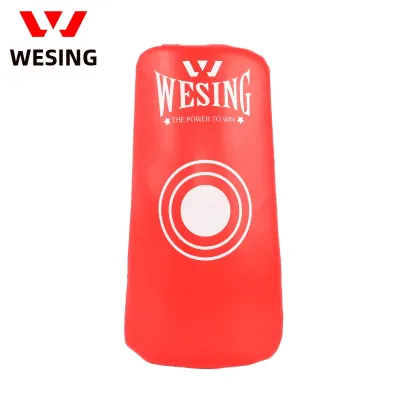
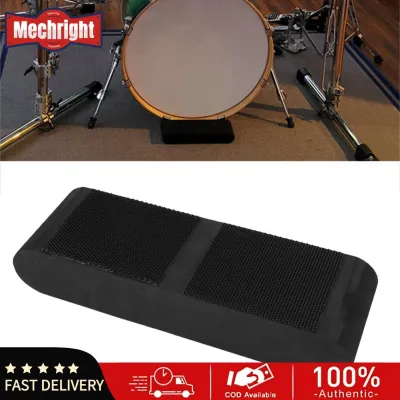
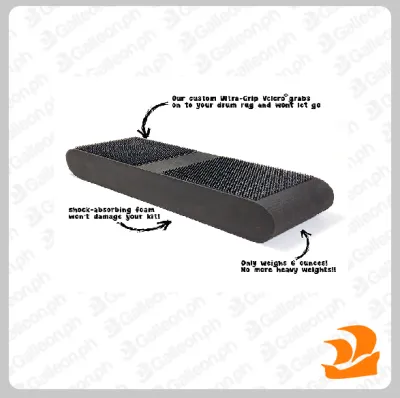
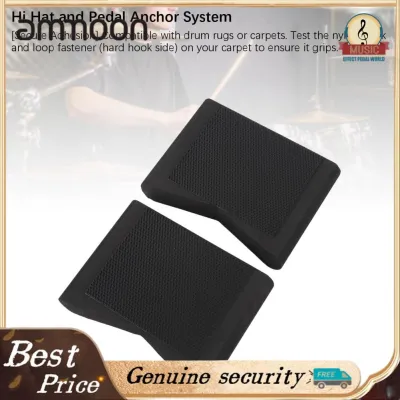
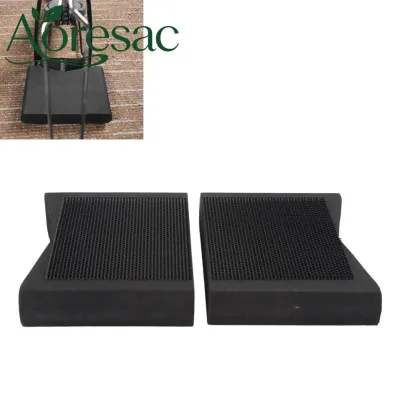
Prices are valid at publication and may change. Please refer to the product page for the latest price.
However, before purchasing, it is important to evaluate whether you genuinely need a kick block at this stage of your musical journey. If you are still mastering basic four-on-the-floor rock beats or struggling with basic hand-foot coordination, a kick block might feel like an overwhelming distraction. On the other hand, if you are starting to play in small acoustic bands, performing gig sets where you need to cover both drum kit and auxiliary percussion duties, or looking to practice advanced coordination exercises, a kick block is a highly functional and rewarding investment.
Evaluating Materials: Wood vs. Synthetic Blocks
The material of your kick block dictates both its acoustic voice and its lifespan. Traditional blocks are crafted from hardwoods like maple, oak, or ash. Wood blocks are celebrated for their warm, organic, and complex tonal characteristics. They produce a natural resonance that blends smoothly with acoustic instruments, making them highly desirable for intimate acoustic gigs, studio recording, and traditional percussion ensembles.

However, wood is an organic material that is highly sensitive to environmental changes. In the tropical climate of the Philippines, where high humidity levels and sudden temperature shifts are common, wood blocks require careful maintenance. Excessive moisture in the air can cause wood to swell, warp, or lose its crisp resonance over time, resulting in a dull, muddy sound. If you choose a wood block, you must store it in a dry, climate-controlled environment and avoid leaving it in damp rehearsal spaces or hot vehicles.
Synthetic blocks, typically made from high-density plastics, specialty resins, or engineered polymers, offer a modern alternative designed for maximum durability and projection. These blocks produce a bright, piercing, and highly consistent sound with a sharp attack that easily cuts through loud electric guitars and brass sections. They are virtually indestructible, making them the preferred choice for heavy hitters, marching bands, and outdoor festival stages.
For a beginner, synthetic blocks are often the most practical choice due to their low-maintenance nature. They are completely unaffected by humidity, rain, or heat, meaning they will sound exactly the same whether you are practicing in a humid garage or performing on an outdoor stage. If your primary playing environment consists of loud rock bands, outdoor events, or high-humidity practice spaces, a synthetic block is highly recommended. Conversely, if you play primarily in quiet, indoor acoustic settings where a softer, warmer tone is preferred, a traditional wood block remains an excellent choice.
Mounting Systems and Hardware Compatibility
One of the most common mistakes beginners make is purchasing a kick block without verifying how it will attach to their existing drum kit. Mounting systems generally fall into two categories: pedal-mounted and drum- or stand-mounted. Each system requires specific hardware configurations that must be checked before making a purchase.
Pedal-mounted setups are designed to be played with your foot. These systems typically feature a specialized bracket or mount that attaches directly to a standard bass drum pedal. The pedal’s beater is replaced or aligned to strike the block instead of a bass drum head. When evaluating a pedal-mounted block, you must inspect your current bass drum pedal’s baseplate, clamp mechanism, and overall clearance. Some heavy-duty double pedals or highly contoured single pedals may not have enough flat surface area or clearance to accommodate standard pedal mounts, leading to slipping or unstable play.
Drum-mounted setups, on the other hand, are designed to be struck with drumsticks. These blocks usually feature an integrated eye-bolt clamp that slides onto a standard percussion rod (typically 3/8-inch or 9.5mm in diameter). This rod can then be clamped to a cymbal stand, a dedicated percussion stand, or directly to the hoop of your snare or tom-toms. If you plan to mount the block to your drum hoop, you must measure the thickness and shape of your hoops. Triple-flanged hoops generally accept standard hoop clamps easily, whereas thick die-cast hoops or wooden hoops may require specialized, wider clamps to prevent damage to the hoop’s finish.
Before finalizing your purchase, always consult the manufacturer’s hardware specifications. Check the exact diameter of the mounting hole on the block and compare it to the diameter of your mounting rods. Ensure that any clamps you plan to use feature rubber padding or secure locking mechanisms to prevent the block from rotating or sliding down the post during vigorous performances. Taking these measurements beforehand saves you the frustration of dealing with a rattling, unstable instrument mid-song.
Size, Pitch, and Sound Projection
The physical size of a kick block directly influences its fundamental pitch and overall volume. As a general rule of physics, larger blocks have a larger internal chamber, which produces a lower, deeper, and throatier pitch. Smaller blocks have smaller chambers, resulting in a higher, brighter, and more piercing tone.
When choosing the pitch of your first kick block, consider the musical genres you intend to play. If you are playing Latin rhythms, salsa, or fusion, a medium-to-high-pitched block is often preferred because its bright “clack” mimics the traditional sound of a wood block or jam block. If you are playing rock, pop, or funk, a medium-to-low-pitched block can provide a solid, fat accent that complements the snare drum without competing with the high-frequency sizzle of your cymbals.
Sound projection is another critical factor that depends heavily on your playing venue. If you perform primarily in unmiked acoustic settings, such as small cafes or living rooms, a medium-sized block with moderate projection is ideal, as it will not overpower the other acoustic instruments. However, if you play in larger venues, outdoor bars, or with a fully amplified band, you will need a block with high projection—typically a synthetic model—or you must ensure the block is positioned close to an overhead or dedicated instrument microphone.
Because sound is highly subjective, it is highly recommended to listen to high-quality audio demonstrations or test different sizes in person if possible. Pay close attention to how the pitch cuts through a simulated mix. A block that sounds pleasingly bright when played alone in a quiet room might sound harsh and piercing when struck repeatedly during a live performance, while a block that sounds warm and subtle on its own might completely disappear once the bass guitar and keyboards start playing.
Creating Your Kick Block Shortlist
To make a confident purchase, it is best to create a structured shortlist based on your specific playing needs, hardware compatibility, and budget. Start by defining your primary use case: will you strike the block with a stick (drum-mounted) or play it with your foot (pedal-mounted)? Once this is decided, filter your options by material, choosing synthetic for durability and high projection, or wood for warm, acoustic tones.
Next, perform a thorough hardware compatibility check. Verify whether the kick block package includes the necessary mounting brackets, rods, or clamps, or if you need to purchase these accessories separately. Many beginners are surprised to find that their new block cannot be mounted out of the box because the mounting arm was sold separately. Additionally, review the retailer’s return and exchange policies, especially when buying online, to ensure you can return the item if it does not fit your pedal or stand configuration.
Budgeting is the final step in refining your shortlist. In the Philippines, entry-level synthetic kick blocks typically range from ₱1,200 to ₱2,500, offering excellent durability and reliable performance for beginners. Premium wood blocks or specialized pedal-mounted block systems can range from ₱3,000 to ₱6,000 or more, depending on the brand and included hardware. For your first purchase, allocating a budget that covers both the block and a sturdy, high-quality mounting clamp is highly recommended, as a cheap, unstable mount will ruin the playing experience regardless of how good the block sounds.
Frequently Asked Questions (FAQ)
Can I use a standard drumstick on a kick block?
Yes, you can use standard drumsticks on a kick block, but you should be mindful of the stick’s weight and tip material. Heavy sticks, such as 2B or 5B models, can deliver incredibly powerful blows that may dent or chip traditional wood blocks over time. If you are playing a wood block, using lighter sticks like 7A or 5A with nylon tips can help preserve the wood’s surface while producing a bright, clear attack. For synthetic blocks, standard wood or nylon-tipped sticks of any size are perfectly safe to use, though it is still wise to avoid striking the block with excessive, unnecessary force to prevent premature wear on both the block and your sticks. Always check the manufacturer’s care guidelines to ensure long-lasting performance.
Do I need a special pedal to use a pedal-mounted kick block?
In most cases, you do not need a highly specialized pedal to use a pedal-mounted kick block, as most mounting brackets are designed to clamp onto standard bass drum single pedals. However, you must verify that your pedal has a standard steel hoop clamp and a flat baseplate that can accommodate the mounting hardware. Some highly customized, direct-drive, or oversized double-bass pedals may feature unique frame shapes that interfere with the mounting bracket’s alignment. Additionally, ensure that the pedal’s beater can be adjusted to the correct height and angle to strike the center of the block’s striking surface, preventing off-center hits that can cause the pedal to slip or damage the mounting assembly.
Community discussion
Share your experience or ask a question. Comments are reviewed before publication.