
Embarking on a personal development journey is one of the most empowering decisions you can make, yet the sheer volume of available literature can quickly lead to decision paralysis. For many readers in the Philippines, the works of Chinkee Tan serve as a highly popular gateway to financial literacy and mindset transformation. His books are celebrated for breaking down complex financial concepts into highly digestible, humorous, and culturally relevant advice, often written in a conversational blend of English and Tagalog. However, with a vast catalog spanning topics from debt management and budgeting to entrepreneurial growth and positive thinking, knowing which book to pick up first can be a challenge.
To find the ideal starting point, you must look beyond eye-catching covers and instead focus on a systematic selection process. The right book for you is not necessarily the most popular title on the shelf, but the one that directly addresses your current life stage, financial pain points, and learning preferences. By aligning your immediate personal development goals with the author’s specific thematic categories, you can ensure that your first reading experience is both highly engaging and immediately actionable. This comprehensive guide outlines a clear decision-making framework to help you assess your needs, compare book formats, verify the authenticity of your purchase, and establish a sustainable reading routine that yields real-world results.
Define Your Starting Point and Core Goals
Before you begin browsing bookstore shelves or scrolling through digital catalogs, it is essential to conduct an honest self-assessment of your current personal development needs. Beginners often approach self-help literature with vastly different motivations. Some are facing urgent, practical challenges—such as managing a tight household budget, dealing with mounting debts, or trying to save their first emergency fund. Others may have stable finances but struggle with deeper psychological barriers, such as a lack of career direction, difficulty maintaining daily discipline, or a persistent scarcity mindset that prevents them from growing.
Products mentioned in this guide


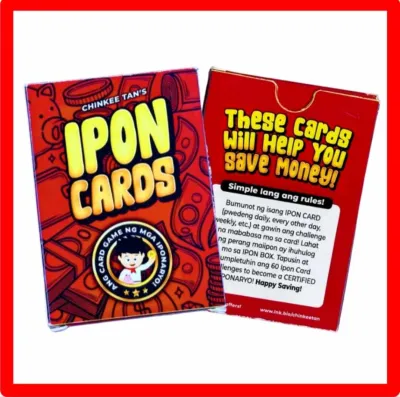



Prices are valid at publication and may change. Please refer to the product page for the latest price.
To identify your primary starting point, take a moment to write down your most pressing challenges. If you find yourself constantly wondering where your salary went just a few days after payday, your immediate goal should be foundational financial literacy. If you struggle with consistency, procrastination, or a lack of motivation despite knowing what you need to do, your focus should shift toward mindset and habit formation. Pinpointing these specific pain points acts as a compass, guiding you away from advanced topics like investing or business scaling, which can feel overwhelming if you have not yet mastered the basics of daily money management.
In addition to identifying your goals, you must also consider your preferred learning style and how you naturally consume information. Some readers thrive on motivational narratives and real-life success stories that inspire emotional change and broader perspective shifts. Others are highly practical and prefer action-oriented, step-by-step guides that function more like workbooks, complete with fill-in-the-blank templates, daily checklists, and concrete exercises. Understanding whether you need a conceptual book to shift your mindset or a highly structured manual to organize your daily habits will help you choose a format and style that keeps you engaged from the first page to the last.
Match Your Goals to Chinkee Tan's Thematic Categories
With your personal goals clearly defined, the next step is to map them against the author’s core thematic categories. His extensive bibliography is not a single continuous series; rather, it is a collection of books grouped into distinct subject areas, each tailored to different stages of personal and financial growth. By consulting official publisher descriptions, back-cover summaries, or authorized retail listings, you can easily categorize his titles into three primary areas: foundational financial literacy, personal mindset and motivation, and entrepreneurial leadership.
The foundational financial literacy category is the most common entry point for beginners. These books are specifically designed to demystify the basics of money management, offering practical advice on how to track daily expenses, curb impulsive spending, design a realistic budget, and systematically pay off debt. If you are starting from scratch or feel that your financial habits are disorganized, beginning with a title in this category provides the immediate, practical tools needed to stabilize your daily life. These books lay the groundwork for all future financial decisions, making them essential reading before moving on to more complex topics.
The personal mindset and motivation category addresses the psychological foundations of success. These works explore the mental barriers that often hold individuals back, such as limiting beliefs about wealth, fear of failure, and the cultural habits that can hinder personal growth. If you already possess a basic understanding of budgeting but find yourself repeatedly falling into old habits or lacking the confidence to pursue new opportunities, a mindset-focused book is your ideal starting point. These texts help you cultivate a proactive, disciplined attitude, ensuring that when you do apply financial strategies, you have the mental resilience to stick with them over the long term.
For readers who have already stabilized their finances and are looking to expand their income, the entrepreneurial and leadership category offers guidance on starting small businesses, mastering sales techniques, and developing professional leadership skills. However, beginners should approach this category with caution. Attempting to start a business or invest in high-risk ventures without a solid foundation of personal discipline and emergency savings can lead to unnecessary financial strain. Always check the publication date and edition of these business-focused titles; economic conditions and digital business tools evolve rapidly, so you want to ensure the advice and examples align with the current local economic landscape, including modern e-commerce and digital payment systems.
Compare Book Formats and Accessibility
Once you have selected the right title, you must decide which format best fits your lifestyle, daily routine, and learning environment. Physical paperbacks remain a highly popular choice for many readers due to their tactile nature. They allow you to easily flip back and forth between chapters, write notes directly in the margins, and highlight key passages. However, physical books require careful storage, especially in tropical climates characterized by high humidity and seasonal rains. To prevent pages from yellowing, warping, or developing mold, store your physical books in a well-ventilated, dry area away from direct sunlight and damp walls.
E-books offer unparalleled portability and convenience, making them an excellent option for busy individuals who commute daily or travel frequently. With a digital edition, you can carry your entire personal development library on your smartphone, tablet, or dedicated e-reader, allowing you to turn idle waiting time into productive reading sessions. Before purchasing an e-book, verify its file format and device compatibility to ensure a seamless reading experience. Check if the digital edition is protected by restrictive digital rights management (DRM) that might limit which apps you can use to read it, and ensure that any interactive elements, such as worksheets or tables, are properly formatted for smaller screens.
Audiobooks are a fantastic alternative for auditory learners or those with incredibly busy schedules. They allow you to absorb valuable personal development insights while multitasking—whether you are stuck in heavy traffic, exercising, or doing household chores. Listening to the author’s energetic delivery can also provide an extra boost of motivation that print sometimes lacks. When choosing an audiobook, verify the hosting platform’s regional availability and subscription terms. Additionally, take advantage of free sample clips to ensure you are comfortable with the narrator’s voice, pacing, and the blend of languages used, as this will significantly impact your overall comprehension and enjoyment.
Verify Authenticity and Purchase Channels
The high demand for accessible personal development literature has unfortunately led to a rise in unauthorized, pirated, and poorly printed counterfeit books in the market. Purchasing these illegitimate copies not only deprives the creator of their rightful earnings but also results in a highly substandard reading experience. Counterfeit physical books often suffer from missing pages, illegible or faded ink, poor binding that falls apart after a single reading, and thin, low-grade paper. To protect your investment and ensure you receive the complete, high-quality content, you must take active steps to verify the authenticity of your purchase.
When shopping on online marketplaces or ecommerce platforms, it is crucial to identify common red flags that signal a counterfeit product. A primary indicator of a pirated book is a suspiciously low price; if a brand-new paperback is listed for a fraction of the standard retail price in ₱, it is highly likely to be an unauthorized reprint. Other warning signs include blurry or pixelated cover images in the product listing, a lack of official publisher information, and user reviews that complain about poor print quality, spelling errors, or physical defects. Avoid purchasing from unverified third-party sellers who cannot provide clear proof of authorization.
To guarantee that you are buying a genuine copy, always prioritize official and authorized purchase channels. These include established physical bookstores, the official online flagship stores of major local book distributors, or the author’s direct online store. Purchasing through these verified channels ensures that you receive the most recent, updated editions of the books, complete with any accompanying digital resources, worksheets, or promotional materials. Furthermore, buying authentic copies supports the local publishing industry and enables the author to continue producing valuable educational resources for the community.
Build Your Initial Reading Action Plan
Acquiring your first personal development book is an exciting milestone, but the true value of the book lies in how effectively you apply its teachings to your daily life. To prevent your new purchase from simply gathering dust on a shelf, you need to design a practical, sustainable reading action plan. Start by setting realistic reading goals that align with your daily schedule. Rather than attempting to read the entire book in a single weekend, commit to a small, consistent habit—such as reading ten pages every morning with your coffee, or dedicating fifteen minutes to an audiobook during your evening commute.
Active engagement is the key to transforming passive reading into real-world progress. As you read, keep a dedicated journal or digital notebook nearby to record your thoughts, key takeaways, and personal reflections. Many of Chinkee Tan’s books feature practical exercises, self-assessment quizzes, or budgeting templates at the end of each chapter. Resist the temptation to skip these sections; instead, pause your reading to complete them thoroughly. Writing down your actual financial figures, listing your personal debts, or outlining your career goals makes the advice concrete and directly applicable to your unique situation.
Finally, establish clear criteria for when to transition to your next book. Personal development is a gradual process, and rushing through multiple titles without implementing what you have learned can lead to information overload without any actual change in your life. Before moving on to a new book, ensure you have fully digested and acted upon the core lessons of your current read. For example, if your first book focused on budgeting, make it a goal to successfully track your expenses and maintain your budget for at least one full month before purchasing a book on investing or business growth. This disciplined approach ensures that each book you read builds upon a solid foundation of newly formed habits.
Frequently Asked Questions (FAQ)
Do I need to read Chinkee Tan's books in a specific chronological order?
No, there is no strict chronological order required to read his books, as the vast majority of his titles are designed to function as standalone guides. Each book is written to address a specific financial challenge, life stage, or mindset barrier. To confirm if a particular title has a prerequisite, you can check the publisher’s note, the author’s introduction, or the back cover description, which will explicitly state if the book is part of a sequential series. For most beginners, the most effective approach is to select a book based entirely on your current personal development needs and immediate goals rather than its publication date.
Are there official workbooks or companions to use with the main books?
Yes, several of his popular titles are accompanied by official workbooks, interactive journals, or daily planners designed to help you put the concepts into practice. These companion materials typically feature structured templates, daily tracking sheets, and guided prompts that make it easier to monitor your progress. To verify if a specific book has an official companion, consult the author’s official website or authorized retail channels. Always ensure you are purchasing genuine, authorized editions of these workbooks, as counterfeit versions often omit critical tracking pages or interactive elements that are essential for completing the exercises.
Community discussion
Share your experience or ask a question. Comments are reviewed before publication.