
Choosing your first beatbox drum with a pickup in the Philippines requires balancing natural acoustic tone with reliable electronic output. For beginners, a beatbox drum—most commonly an acoustic cajon equipped with an internal microphone or piezo pickup—offers an incredibly versatile entry point into percussion. It allows you to transition seamlessly from intimate acoustic jam sessions in humid outdoor settings to amplified performances in local venues, community events, or church halls. By choosing an instrument with a built-in pickup, you eliminate the hassle of positioning external microphones, making it much easier to plug directly into a sound system, amplifier, or audio interface.
Identifying the Right Type of Beatbox Drum
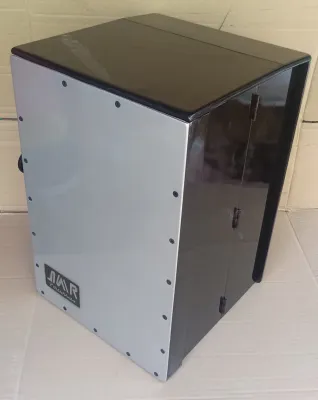
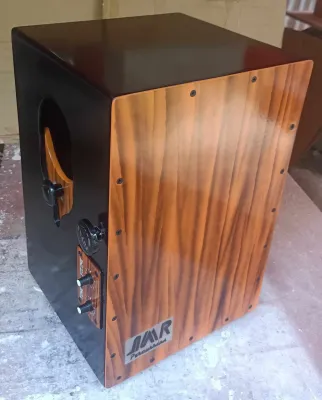
Before diving into specific features, it is essential to understand the primary types of beatbox drums available to beginners. The most common option is an acoustic cajon equipped with a built-in piezo pickup. These instruments function as traditional wooden percussion boxes that you sit on and strike with your hands. The internal pickup captures the physical vibrations of the wood and the snare wires, allowing you to amplify the natural acoustic sound. This setup is highly favored by beginners because it retains the organic feel, resonance, and acoustic volume of a traditional drum, meaning you can practice anywhere without needing to plug in.
An alternative option is an electronic percussion pad or drum module. Unlike acoustic cajons, these devices do not have a hollow wooden chamber to produce sound naturally. Instead, they rely on rubber or silicone pads that detect your strikes and trigger digital samples. While electronic pads offer an immense variety of sounds—ranging from classic drum kits to synthesized beats—they lack the physical feedback and acoustic resonance of a wooden drum. They also require external speakers or headphones to be heard at all, which changes the playing experience significantly.
Products mentioned in this guide

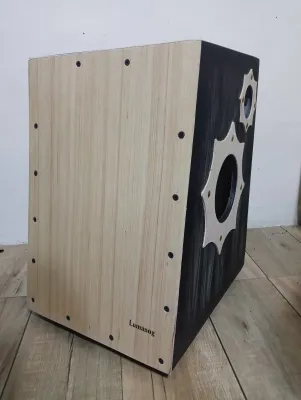
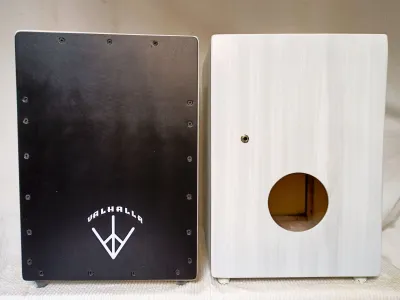
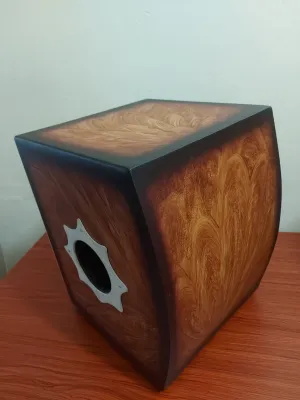
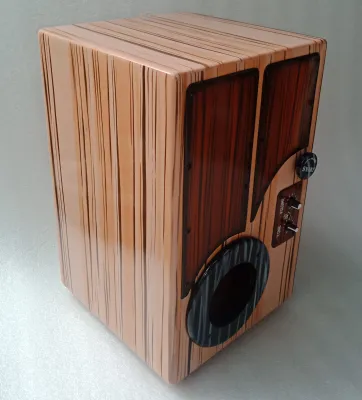
Prices are valid at publication and may change. Please refer to the product page for the latest price.
For most beginners in the Philippines, an acoustic beatbox drum with a built-in pickup offers the best of both worlds. It provides the authentic playing feel of hand percussion, which is crucial for developing proper striking techniques and hand strength. At the same time, the integrated pickup ensures you are always ready for amplified settings, whether you are joining a live looping session, performing on a local stage, or recording your practice sessions at home.
Essential Pickup Features for Beginners
When evaluating different beatbox drums, the pickup system is one of the most critical components to understand. Pickups generally fall into two categories: passive and active. Passive pickups, which are typically piezo-based, do not require any external power source or batteries. They capture the mechanical vibrations of the instrument and convert them into an electrical signal. While passive systems are highly durable and low-maintenance, they produce a relatively weak, high-impedance signal. This means you will likely need an external preamp or a dedicated acoustic amplifier to boost the signal and achieve a full, rich tone without unwanted noise.

Active pickups, on the other hand, feature an onboard preamp that requires a power source, usually a 9-volt battery. This built-in preamp boosts the signal directly inside the instrument, delivering a stronger, low-impedance output. Active systems are less susceptible to signal loss over long cable runs, making them highly reliable for live performances. However, they do require you to monitor battery life to avoid the signal cutting out mid-performance, which is an important consideration for busy gigging musicians.
You should also pay close attention to the output jacks and onboard controls. Standard instruments typically feature a 1/4-inch TS output jack, which allows you to connect the drum to an amplifier using a standard instrument cable. Some advanced models may offer balanced XLR outputs, which are excellent for connecting directly to a mixing console over long distances without picking up interference. Additionally, look for drums that include basic onboard controls, such as a volume knob, a simple equalizer, or a phase switch. These controls allow you to make quick adjustments to your sound directly from the instrument, saving you from having to walk back and forth to the soundboard during a performance.
Evaluating Build Quality and Playability
The physical construction of a beatbox drum directly influences its durability, tone, and overall playability. In the tropical climate of the Philippines, where high humidity and temperature shifts are common, the choice of body materials is particularly important. Traditional hardwoods like birch, maple, and mahogany are popular choices for their excellent acoustic properties. Birch and maple tend to produce bright, crisp high tones and punchy bass, while mahogany offers a warmer, deeper sound profile. If you plan to travel frequently or perform outdoors, you might also consider synthetic shells, such as fiberglass or composite materials, which are highly resistant to humidity changes and offer exceptional durability.
The striking surface, often referred to as the tapa, is another critical area to inspect. It should feel responsive to a wide range of dynamics, allowing you to produce clear tones with light finger taps as well as deep bass notes with full palm strikes. The internal snare system also plays a major role in the instrument’s sound. Many beginner-friendly drums feature adjustable snare wires that can be tightened or loosened using an external knob or an Allen key. This adjustability allows you to customize the amount of ‘sizzle’ or snare response in your play, helping you find the perfect balance between a clean bass thud and a sharp snare snap.
Ergonomics and portability should not be overlooked, especially if you are a beginner who plans to take your instrument to rehearsals or gigs. Look for drums equipped with sturdy, non-slip rubber feet, which prevent the instrument from sliding on smooth tiled floors while you play. Some compact or hybrid beatbox drums offer mounting options, allowing you to attach them to standard snare stands or percussion hardware. A lightweight design and integrated carrying handles will also make transporting your drum much easier, ensuring that taking your instrument on the road is never a chore.
Matching Your Setup to Amplifiers and Interfaces
To get the best possible sound from your amplified beatbox drum, you must connect it to the right audio equipment. A common mistake among beginners is plugging a passive drum pickup directly into a standard electric guitar amplifier. Guitar amps are voiced specifically for the mid-range frequencies of electric guitars and cannot handle the deep, low-frequency bass notes of a percussion instrument. This can result in a thin, muddy sound and may even damage the amplifier’s speaker at high volumes. Instead, you should use an acoustic instrument amplifier, a keyboard amplifier, or a portable PA system, all of which are designed to handle a wide dynamic range and reproduce low frequencies cleanly.
If you plan to connect your drum directly to a venue’s PA system, you will often need to use a Direct Injection (DI) box. A DI box converts the high-impedance, unbalanced signal from your drum’s 1/4-inch output into a low-impedance, balanced signal suitable for long cable runs to the mixing console. This conversion helps eliminate background hum, preserves your instrument’s natural tone, and ensures a clean signal reaches the sound engineer.
For home recording, digital looping, or software integration, you will need to connect your beatbox drum to an audio interface. When using a passive pickup, make sure to plug into an input labeled ‘Hi-Z’ or ‘Instrument’ on your interface. This setting matches the impedance of the pickup, ensuring that the full frequency range of your drum is captured accurately in your recording software. If your drum has an active pickup, a standard line-level input will work perfectly, allowing you to capture high-quality percussion tracks with ease.
Pre-Purchase Checklist and Local Buying Tips
Before making your final decision, it is wise to run through a pre-purchase checklist to ensure you have everything needed to start playing immediately. Verify what accessories are included with the drum. Some packages may bundle essential items like a protective gig bag, a connection cable, or adjustment tools for the snare wires. If the drum features an active pickup system, check whether the required battery is included in the box so you can test the electronics as soon as you get home.
When shopping in the Philippines, purchasing from authorized local dealers and reputable music stores is highly recommended. This ensures that you are buying a genuine instrument and grants you access to local warranty coverage. A local warranty is invaluable if you encounter any manufacturing defects, such as loose internal wiring, a faulty pickup jack, or structural issues caused by wood expansion.
If you choose to buy from an online marketplace, take extra precautions to protect your investment. Carefully read customer reviews to assess how well the seller packages fragile musical instruments for transit. Upon receiving your package, immediately inspect the wooden body for any cracks or shipping damage, and test the pickup system through an amplifier to ensure there is no unwanted static or hum. Familiarize yourself with the platform’s return and refund policies so you can quickly address any issues within the allowed return window.
Frequently Asked Questions (FAQ)
Do I need a special amplifier for a beatbox drum pickup?
Yes, using an appropriate amplifier is essential for achieving a natural and powerful sound. Standard electric guitar amplifiers are not designed to handle the deep bass frequencies produced by a beatbox drum and can sound muddy or distorted. For the best results, use an acoustic instrument amplifier, a keyboard amplifier, or a portable PA system. These systems provide a flat frequency response and plenty of headroom, ensuring that both the deep bass thuds and the crisp snare snaps are reproduced clearly.
How can I prevent feedback when amplifying my beatbox drum on stage?
Feedback occurs when the amplified sound from the speakers enters the drum’s acoustic chamber and gets re-amplified. To minimize this, position your stage monitors to the side or slightly behind you, rather than pointing them directly at the drum’s sound port. You can also use a phase switch on your pickup system if available, or ask the sound engineer to apply a high-pass filter on the mixing console to cut out muddy low-frequency rumble.
Can I add an aftermarket pickup to a standard acoustic drum later?
Yes, you can easily upgrade a standard acoustic cajon or hand drum with an aftermarket pickup later on. Options range from simple external adhesive piezo sensors that stick to the surface of the drum to internal microphone systems that require drilling a small hole for the output jack. While external contact mics are easy to install and do not alter the instrument permanently, internal systems generally offer a cleaner look and more consistent sound reproduction.
Community discussion
Share your experience or ask a question. Comments are reviewed before publication.