
Choosing your first bandurria instrument is an exciting milestone, especially in the Philippines where this vibrant stringed instrument serves as the heart of traditional Rondalla music. To make the right choice, you need to focus on structural stability, playability, and tone quality rather than just aesthetic appeal. A great beginner instrument should stay in tune, feel comfortable under your fingers, and withstand the local tropical climate. By understanding what to look for in terms of wood construction, fret alignment, and hardware, you can confidently select a reliable instrument that will support your learning journey for years to come.
Understanding the Bandurria: What Beginners Need to Know
The bandurria instrument plays a vital role in Philippine musical heritage, serving as the soprano voice of the traditional Rondalla ensemble. It carries the main melody with its bright, piercing, and tremolo-rich sound. Unlike the guitar, which provides harmonic support, the bandurria is designed to cut through the ensemble and lead the musical narrative. Understanding this role helps you appreciate why the instrument is built for projection and clarity.
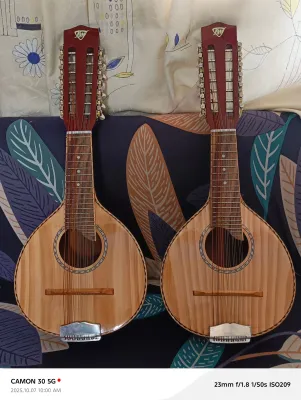
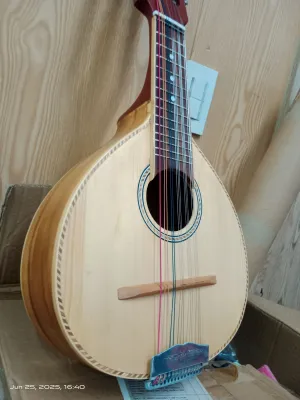
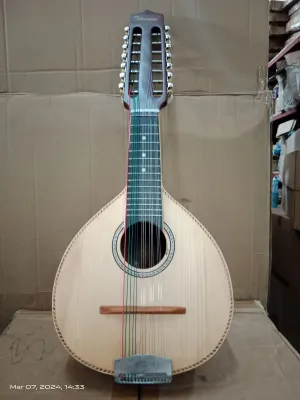
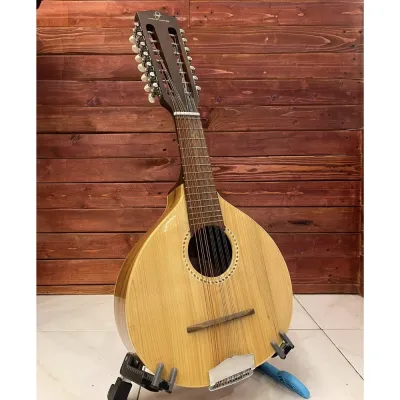
At first glance, the anatomy of a bandurria might look like a small guitar, but it has distinct features. It has a pear-shaped body, a short neck, and a flat fretboard. The most striking feature is its 14 strings, which are arranged in six courses. These courses are groups of strings tuned to the same pitch, allowing you to produce a rich, chorus-like sound. The tuning pegs or machine heads at the headstock must hold significant tension because of the high number of steel strings.
Products mentioned in this guide


Prices are valid at publication and may change. Please refer to the product page for the latest price.
When shopping, you will encounter both student-grade and professional-grade constructions. Student-grade instruments are typically built with laminate woods to keep costs manageable and offer better resistance to sudden temperature changes. Professional-grade bandurrias are hand-crafted by skilled luthiers using solid tonewoods. While solid wood offers superior resonance and richer overtones, it requires much more careful humidity control and a larger initial investment.
Key Features to Evaluate When Buying a Bandurria
Evaluating the wood type and construction method is your first step in assessing quality. Traditional Philippine bandurrias often utilize local tonewoods like jackfruit wood for the back and sides, which is prized for its bright yellow hue and warm tone. Other common woods include mahogany, mango wood, or imported spruce for the soundboard. Solid wood tops vibrate more freely than laminate tops, yielding a richer sound that matures over time. However, a high-quality laminate top can still be an excellent, durable choice for a beginner who is still learning how to care for an instrument.

Next, inspect the fretboard condition and fret leveling. Run your fingers along the edges of the neck to check for sharp fret ends. In a humid climate, wood can expand and contract, sometimes causing frets to sprout or lift. The frets must be perfectly level to prevent buzzing when you press down on the strings. To check the intonation, play an open string and then press the same string at the twelfth fret; the pitch at the twelfth fret should be exactly one octave higher. If it sounds sharp or flat, the bridge placement or saddle height may need adjustment.
Finally, examine the stability of the tuning machines and the string action. The 14 strings exert immense tension on the neck and bridge. Inspect the tuning machines to ensure they turn smoothly without slipping or sticking. Loose or cheap gears will make tuning a frustrating chore. Next, look at the string action, which is the height of the strings above the fretboard. If the action is too high, pressing the strings down will hurt your fingers and cause notes to go sharp. If it is too low, the strings will buzz against the frets. A comfortable action at both the nut and the bridge is crucial for a smooth playing experience.
Setting Your Budget: What to Expect Price-Wise
The price of a bandurria instrument is primarily driven by the quality of the woods, the level of hand-craftsmanship, and the precision of the hardware. Mass-produced student models are highly affordable because they use laminate woods and standardized components. Intermediate and professional models, often custom-built by local luthiers in famous instrument-making regions like Pampanga or Cebu, command higher prices due to the labor-intensive process of carving solid tonewoods and installing premium tuning machines.
When planning your purchase, avoid spending your entire ₱ budget on the instrument alone. It is wise to allocate approximately 80% of your funds to the bandurria itself and reserve the remaining 20% for essential accessories. This ensures you have enough left over to purchase a protective case, a tuner, and spare strings, which are vital for keeping your instrument playable from day one.
Beyond the initial purchase price, keep in mind potential secondary expenses. If you buy online, shipping fees can add up, especially for fragile items requiring extra packaging. Additionally, many budget instruments benefit greatly from a professional setup. Paying a local luthier to adjust the nut height, level the frets, and position the bridge correctly can transform a stiff, hard-to-play budget instrument into a joy to play.
Where to Buy: Navigating Local and Online Music Stores
Visiting a physical music store is highly recommended because it allows you to hold the instrument, feel the neck profile, and hear its acoustic voice. You can physically inspect the joints for glue runs or cracks. However, if physical stores in your area do not stock traditional Rondalla instruments, online marketplaces and specialized luthier websites offer a wider selection. The trade-off is that you cannot test the specific instrument before it arrives at your doorstep.
When shopping on ecommerce platforms, look for established sellers with high ratings and positive feedback specifically mentioning musical instruments. Read customer reviews to see if previous buyers received their instruments in good condition. Verify the store’s return and refund policies; a reputable seller should offer a clear return window if the instrument arrives damaged or defective.
When your package arrives, document the unboxing process with a video. Inspect the shipping box for punctures or crushed corners. Once open, carefully examine the bandurria’s body for hairline cracks, loose braces inside the soundhole, or a lifting bridge. Check that the neck is straight by looking down the fretboard from the headstock to the body.
One of the best ways to find a reliable supplier is to reach out to local school Rondalla instructors, community music groups, or church musicians. These players have firsthand experience with local makers and can direct you to trusted luthiers who build high-quality instruments at fair prices.
Essential Accessories and First Setup Steps
To start playing and maintaining your instrument properly, you will need a few essential accessories:
- Plectrum (Pick): Unlike guitars, which can be fingerpicked, the bandurria is played almost exclusively with a plectrum. Beginners should look for a heavy or extra-heavy pick (usually 1.0mm or thicker) made of celluloid or nylon to produce a clean, powerful tremolo.
- Padded Gig Bag or Hard Case: The tropical humidity and heat can warp wood quickly. A well-padded gig bag protects against minor bumps, while a hard case offers superior protection against impact and environmental changes.
- Chromatic Tuner: Tuning 14 strings by ear is incredibly challenging for a beginner. A clip-on chromatic tuner that senses vibrations directly from the headstock is highly recommended for fast, accurate tuning.
Standard Philippine bandurria tuning consists of 14 strings grouped into six courses, tuned from low to high: F#, B, E, A, D, G. Because multiple strings are tuned to the exact same pitch in unison, take your time and tune slowly to avoid over-tightening and snapping the thin steel strings. After playing, always wipe the strings down with a dry microfiber cloth. Sweat and oils from your fingers, combined with high local humidity, will accelerate rust and corrosion, deadening your tone.
While basic tuning and cleaning are easy to do at home, do not attempt to file down frets, adjust the nut slots, or repair structural cracks yourself. If you notice the bridge lifting off the soundboard, or if the neck develops a severe bow, stop playing immediately and take the instrument to a professional luthier. Attempting DIY structural repairs can cause permanent damage to the delicate wood.
Frequently Asked Questions (FAQ)
Is the bandurria difficult to learn for someone who already plays the guitar?
Transitioning from the guitar to the bandurria instrument is highly achievable, but it requires adjusting to several key differences. While both are stringed instruments, the bandurria has a much shorter scale length, meaning the frets are spaced closely together. Your fingers will need to adapt to a tighter playing area. Additionally, the tuning intervals are different; the bandurria is tuned in fourths across its six courses, which changes your scale patterns and chord shapes. Finally, you must transition from guitar strumming or fingerstyle techniques to a continuous, rapid plectrum picking technique (tremolo) to sustain notes, which requires developing fine motor control in your picking wrist.
How often should I change the strings on a new bandurria?
How often you change your strings depends on how frequently you play and how well you maintain them. Generally, active beginners should replace their strings every two to three months. You will know it is time for a change when the strings look visibly discolored, feel rough to the touch, or struggle to stay in tune. In the humid tropical climate of the Philippines, moisture in the air accelerates oxidation, causing steel strings to rust quickly. To extend their lifespan, store your bandurria in its case with a small silica gel packet to absorb excess moisture, and always wipe the strings clean after every practice session.
Community discussion
Share your experience or ask a question. Comments are reviewed before publication.