
Finding the right wabi sabi book for personal growth in the Philippines requires looking beyond simple home decor guides to find texts that translate this ancient Japanese philosophy into practical mental frameworks. In a fast-paced world, wabi sabi offers a gentle antidote to perfectionism, burnout, and the relentless drive for optimization. By focusing on books that emphasize emotional resilience, mindful minimalism, or creative inspiration, you can select a guide that aligns with your specific personal development goals.
Understanding Wabi Sabi as a Tool for Personal Growth
Wabi sabi is often associated with cracked pottery repaired with gold or weathered wooden tables. However, its true power lies in its philosophical application to human life. At its core, the concept encourages the acceptance of three fundamental realities: nothing lasts, nothing is finished, and nothing is perfect. When applied to personal growth, this mindset shifts the focus from achieving a flawless, static state of success to appreciating the beauty of an ongoing, imperfect journey.
In modern society, particularly within highly competitive academic and professional environments, individuals face immense pressure to optimize every hour of the day. This constant striving often leads to chronic stress, imposter syndrome, and emotional exhaustion. Wabi sabi serves as a vital counterweight. It teaches that vulnerability, aging, and setbacks are not failures to be hidden, but natural, character-building elements of a complete life.
Products mentioned in this guide
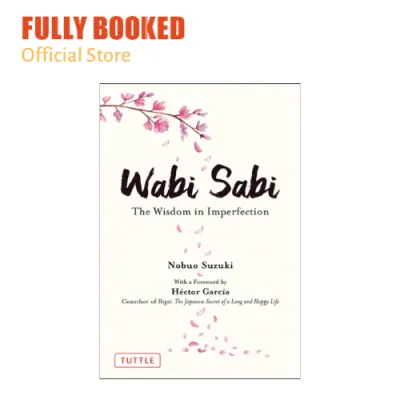

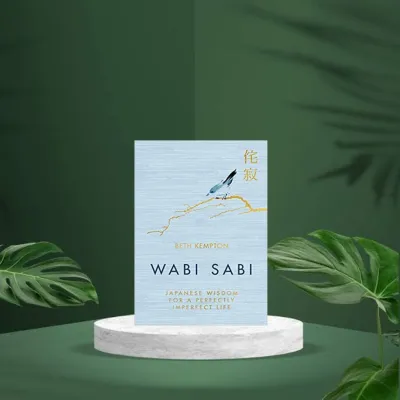

Prices are valid at publication and may change. Please refer to the product page for the latest price.
When exploring self-help and personal development literature based on this philosophy, it is important to manage expectations. These books do not offer quick-fix formulas or rigid ten-step programs for overnight success. Instead, they invite readers to slow down, re-evaluate their relationship with time, and cultivate a quieter, more compassionate inner dialogue. The goal is not to eliminate challenges, but to change how you perceive and respond to them.
How to Match Wabi Sabi Books to Your Personal Goals
Selecting the right book depends heavily on what you hope to address in your current season of life. Before purchasing a title, take a moment to identify your primary motivation. Are you struggling with a harsh inner critic, feeling overwhelmed by physical and mental clutter, or facing a creative block that prevents you from starting a new project? Pinpointing this need will help you filter through the diverse range of available literature.

Different authors approach wabi sabi through distinct lenses. Some writers integrate the philosophy with modern psychological practices, focusing on emotional healing and self-compassion. Others treat it as a blueprint for lifestyle design, offering practical advice on simplifying your home, refining your daily habits, and reducing consumption. There are also creative guides that use the philosophy to help artists and writers embrace the messy, unpredictable nature of the creative process.
To ensure a book matches your intent, develop a systematic evaluation process before buying. Start by reading the publisher’s description to see if the focus is aesthetic or philosophical. Examine the table of contents to check if the chapters offer actionable advice or purely reflective essays. Finally, look at reader reviews to see if others found the book’s tone comforting, practical, or deeply academic, allowing you to choose a style that resonates with your learning preferences.
Books for Embracing Imperfection and Building Resilience
If your goal is to overcome perfectionism and build emotional strength, look for books that emphasize self-compassion and acceptance. Key terms to search for in book summaries include emotional resilience, letting go of control, reframing failure, and self-acceptance. These titles focus on helping you dismantle the unrealistic standards you might set for yourself and others.
Pay attention to the structural format of these books. A philosophical essay collection offers gentle, meditative reflections that are perfect for slow reading and deep contemplation. On the other hand, a practical workbook or a guide with structured exercises provides active prompts, self-assessments, and daily practices designed to help you actively reframe negative thought patterns.
It is also beneficial to check the author’s professional background. Authors who are licensed counselors, psychologists, or certified mindfulness instructors often do an excellent job of bridging the gap between ancient Eastern philosophy and evidence-based mental health practices. This integration ensures that the advice you receive is both philosophically rich and psychologically grounded.
Guides for Mindful Living and Intentional Minimalism
For those looking to simplify their daily routines and physical environments, wabi sabi offers a warm, organic approach to minimalism. Books in this category focus on themes such as intentional decluttering, slow living, and finding contentment in simple, everyday objects. They teach readers to appreciate the history and utility of items that show signs of wear and age.
Unlike strict, modern minimalism—which often demands stark white spaces, hidden storage, and a rigid limit on personal belongings—wabi sabi minimalism is deeply personal and forgiving. It does not ask you to throw away everything you own. Instead, it encourages you to keep and cherish items that are imperfect, repaired, or rich with personal memories, recognizing that a home should feel lived-in rather than curated for a magazine.
When selecting a guide in this sub-genre, look for books that feature practical daily exercises, habit trackers, or journaling prompts. These tools are incredibly helpful for translating abstract concepts of simplicity into concrete actions, such as establishing a mindful morning routine, practicing single-tasking, or organizing a space in a way that honors utility and history.
Explorations of Aesthetics, Nature, and Creative Inspiration
If you are an artist, writer, or designer seeking to revitalize your creative practice, look for books that explore the aesthetic and cultural roots of wabi sabi. These texts often delve into traditional Japanese arts, such as the tea ceremony, kintsugi (the art of repairing pottery with gold), ikebana (flower arranging), and classical poetry.
Understanding these cultural practices provides powerful metaphors for navigating the unpredictable nature of creative work. For instance, learning how a potter embraces the unexpected variations that occur inside a kiln can help you accept the imperfections in your own drafts, paintings, or projects. This historical context deepens your appreciation for natural processes and the beauty of decay and renewal.
For these visually and tactilely driven topics, the physical format of the book matters significantly. Consider looking for high-quality print editions, hardcovers, or beautifully illustrated volumes. A book with high-quality photography, elegant typography, and textured paper can enhance the reading experience, making the act of reading itself a mindful, aesthetic practice that inspires your own creative endeavors.
What to Check Regarding Editions, Translations, and Formats
When purchasing books that discuss deep cultural philosophies, the quality of the translation and editorial context is paramount. Look for editions that include comprehensive translator notes, glossaries of key terms, and introductory essays that explain the historical context of specific Japanese concepts. A thoughtful translation ensures that nuanced ideas are not lost or overly simplified for a global audience.
The format you choose should align with your lifestyle and reading habits. While e-books and audiobooks offer unmatched convenience and portability, physical books provide a tactile experience that aligns beautifully with the wabi sabi philosophy itself. Holding a physical book, turning its pages, and perhaps watching it wear slightly over time can turn your reading session into a screen-free, sensory ritual that encourages true focus.
Additionally, verify the publication details and edition history. Some older titles may have been re-released in updated editions that feature new forewords, study guides, or corrected translations. Checking these details ensures you are getting the most complete and accurate version of the text, which is especially important if you plan to use the book as a long-term reference for your personal growth journey.
Where to Source and Verify Wabi Sabi Titles in the Philippines
Finding niche philosophy and self-help titles in the Philippines requires a mix of local exploration and careful online searching. Start by visiting major local physical bookstores, which often carry dedicated sections for personal growth, philosophy, and Asian literature. Do not overlook independent specialty bookstores or university presses, as they frequently curate unique collections of translated works and mindful lifestyle guides that larger chains might miss.
If a specific title is not available locally, online bookstores and global retailers are excellent alternatives. When ordering from international sources to the Philippines, keep in mind that shipping times can vary significantly. Be sure to review estimated delivery windows, potential customs procedures, and any import fees that might apply to book shipments to avoid unexpected costs at delivery.
When purchasing from third-party sellers on online marketplaces or ecommerce platforms, verifying book authenticity is crucial. The local market unfortunately contains many unauthorized, low-quality reprints that suffer from missing pages, blurry text, and poor binding. To protect your purchase, check the seller’s ratings, read customer reviews that include photos of the actual book, and compare the listed price with the publisher’s standard retail price, which typically ranges from ₱500 to ₱1,500 depending on the format. If a deal seems too cheap, it is highly likely an unauthorized copy. Investing in an authentic edition supports the authors and translators while ensuring a durable, high-quality reading experience.
Frequently Asked Questions (FAQ)
Do I need to read books by Japanese authors to understand wabi sabi?
You do not strictly need to read books written exclusively by Japanese authors to benefit from the philosophy, but both perspectives offer distinct advantages. Translated works by Japanese authors often provide a deeper, more culturally authentic exploration of the historical roots and spiritual dimensions of the concept. Conversely, modern self-help adaptations by international writers are highly valuable for their practical, relatable application to contemporary lifestyles. A balanced approach is to start with accessible, modern adaptations to quickly grasp how to apply the principles to your daily life, and then transition to traditional or translated texts to deepen your understanding of the philosophy’s cultural origins.
How can I apply wabi sabi concepts immediately after reading?
The most effective way to transition from passive reading to active practice is to start with small, observable actions. You might begin by keeping a dedicated reflection journal alongside your reading, using it to write down moments where you caught yourself striving for perfection and how you reframed those thoughts. In your physical environment, choose one small project, such as repairing a beloved broken item using a simple adhesive rather than throwing it away, or intentionally leaving a corner of your room uncluttered and simple. By focusing on one minor, manageable change in your daily routine or space, you allow the philosophy to take root naturally without creating new pressures.
Are there wabi sabi books suitable for teenagers or young adults?
While the majority of dedicated self-help books on this topic are written with adult audiences in mind, the core principles of accepting change, embracing imperfection, and resisting social comparison are incredibly relevant to teenagers and young adults. For younger readers, look for illustrated guides, poetry collections, or young adult fiction that naturally weaves these themes into the narrative rather than dense, theoretical self-help manuals. Books that focus on nature, mindfulness, and creative expression are excellent entry points, helping younger minds build emotional resilience and self-compassion in a highly visual and engaging format.

Community discussion
Share your experience or ask a question. Comments are reviewed before publication.