
Selecting your first crystal singing bowl is an exciting step toward creating a peaceful, resonant space in your home. For most beginners, a 10-inch or 12-inch frosted crystal singing bowl tuned to the note F or C offers the most rewarding starting experience. This specific combination provides a generous physical surface that is easy to play, a deep and stable resonance that fills a room, and a highly versatile pitch that fits seamlessly into personal meditation, yoga, or relaxation routines. By understanding how physical size, material type, and musical notes interact, you can confidently select an instrument that matches your personal goals and environment.
Understanding How Size Affects Pitch and Resonance
The physical diameter of a crystal singing bowl directly dictates its acoustic properties, determining both the fundamental pitch and how long the sound vibrates after being struck. As a general rule of physics, larger bowls produce deeper, lower-pitched tones with a long, enveloping sustain that physically vibrates through the surrounding space. Conversely, smaller bowls yield higher, brighter pitches that decay more quickly and require a faster, more precise hand movement to keep the sound singing continuously.
When choosing a size, you must consider the physical space where you plan to play. In a typical residential room or a cozy home studio, a massive 14-inch bowl can easily overwhelm the acoustics, creating an intense volume that may feel uncomfortable rather than relaxing. A mid-sized bowl, such as a 10-inch or 12-inch model, strikes the perfect balance by delivering a rich, satisfying bass resonance without overpowering a standard indoor environment. Portability is another crucial factor; if you intend to carry your instrument to local community gatherings, outdoor sessions, or yoga studios, a smaller and lighter bowl is far easier to transport safely.
Products mentioned in this guide
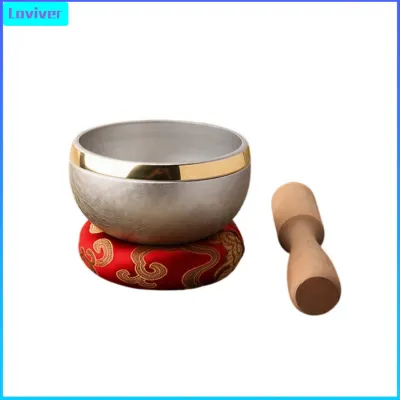
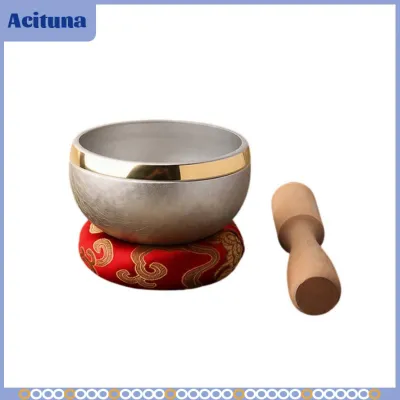
![[COD]🔥🔥🔥 Crystal Quartz Singing Bowl 8 Inch 432Hz Yoga Meditation Sound Bowls Professional Tibetan Crystal Bowl Sound Healing Instruments](https://img.lazcdn.com/g/p/e95bd77bc36f5aecb074c60c772be640.jpg_400x400q80.jpg_.webp)
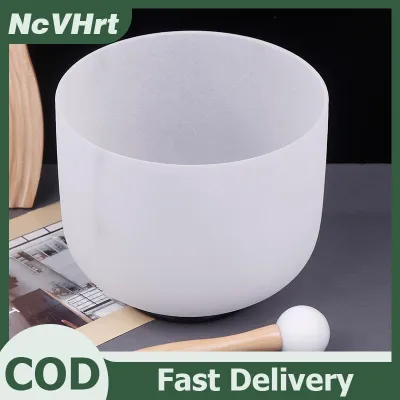
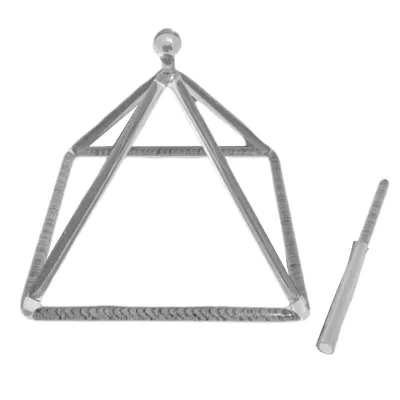
Prices are valid at publication and may change. Please refer to the product page for the latest price.
Before making a purchase, always verify the exact physical specifications provided by the manufacturer rather than relying on product photos, which can be visually deceptive. Pay close attention to the listed diameter, weight, and wall thickness. Thicker walls generally contribute to a more grounded, robust sound and offer greater structural durability, whereas thinner walls produce a delicate, airy tone but make the bowl significantly more fragile and susceptible to cracking under uneven pressure.
Matching Musical Notes to Your Intended Use
Every crystal singing bowl is tuned to a specific musical note, and understanding the general tonal qualities of these pitches will help you select one that aligns with your daily activities. Lower notes, such as C and D, offer a deep, grounding auditory experience that many find helpful for settling an overactive mind or winding down after a busy day. Middle notes, including F and G, provide a balanced, open sound profile that is highly versatile for general relaxation, breathing exercises, and gentle stretching. Higher notes, like A and B, deliver a bright, clear focus that can help elevate mental clarity during active mindfulness practices.

To choose the right note, establish a clear framework based on your primary intended use. If your goal is deep relaxation or creating a soothing background hum for sleep, a lower note like C is an excellent, stable foundation. If you plan to use the bowl to guide focused meditation or breathwork sessions, a middle note like F offers a pleasant, non-intrusive tone that gently holds attention without causing distraction. If you are a musician or plan to play alongside other acoustic instruments, matching the bowl to a standard musical scale ensures that your sessions remain harmonious and free of clashing tones.
While shopping, it is important to rely on your personal auditory preference and comfort rather than unverified medical or therapeutic claims associated with specific notes. Sound is deeply subjective, and a pitch that one person finds incredibly soothing might feel piercing or unsettling to another. Take the time to listen to high-quality audio recordings of different notes using headphones, and choose the specific pitch that naturally feels most comfortable, calming, and pleasing to your ears.
Comparing Frosted and Clear Crystal Bowls
The two primary types of crystal singing bowls available to beginners are frosted and clear, each offering a distinct sound profile, physical handling experience, and price point. Frosted bowls are made from rough, sand-blasted quartz crystal, resulting in a thick, heavy instrument that produces a loud, textured, and highly resonant sound. Because of their textured surface, frosted bowls are incredibly easy for beginners to play, as the mallet easily grips the rim to initiate and sustain the vibration.
In contrast, clear crystal bowls are polished to a completely transparent finish, offering a pure, smooth, and exceptionally long-lasting tone that is highly focused. However, clear bowls are much thinner and lighter, requiring a highly precise, delicate touch to play without creating harsh scraping noises or sudden overtones. In terms of budget, frosted bowls are the most accessible option for beginners, typically ranging from ₱4,000 to ₱9,000 for a single mid-sized bowl on local ecommerce platforms. Clear bowls are significantly more expensive, often starting around ₱10,000 and climbing much higher due to the complex manufacturing process required to achieve optical clarity.
When choosing between the two, perform basic structural checks to ensure you are investing in a high-quality instrument. Look closely at the uniformity of the bowl’s walls; uneven thickness can cause the pitch to warble or produce unwanted, discordant overtones. Additionally, ensure that the base of the bowl is perfectly flat and stable so that it sits securely on its rubber O-ring without wobbling, which is essential for safe playing and consistent sound production.
Step-by-Step Selection and Pre-Purchase Checklist
When purchasing a crystal singing bowl, especially through online marketplaces where you cannot handle the instrument beforehand, following a structured selection process is vital to ensure you receive a high-quality, undamaged product.
First, verify the pitch accuracy and structural integrity of the bowl by carefully reading the seller’s product specifications. Ensure the listing explicitly states the exact musical note and the tuning standard used. Check the description for any guarantees regarding the absence of micro-fractures, bubbles, or structural defects in the quartz material, as even tiny internal flaws can severely compromise the bowl’s resonance and lifespan.
Second, always request and evaluate audio or video samples from the seller before finalizing your purchase. Ask for a raw, unedited video of the exact bowl you will receive being struck once and then sung around the rim. Listen closely to the recording using high-quality headphones; the sound should decay slowly and smoothly without any buzzing, rattling, or sudden drops in volume, which are common indicators of hidden structural cracks or poor material purity.
Third, use this pre-purchase checklist to ensure you have all the essential accessories required to play and protect your new instrument:
- Heavy-Duty Rubber O-Ring: A thick, durable ring to stabilize the bowl on hard surfaces and prevent it from sliding or vibrating against the floor.
- Suede-Covered Striker: A wooden mallet wrapped in soft suede, which is ideal for beginners because it provides the perfect amount of friction against frosted bowls while minimizing harsh scraping sounds.
- Silicone Mallet: A soft, rubber-like mallet that allows for a quieter, gentler strike and a smoother rim-rubbing experience.
- Padded Carrying Case: A water-resistant, heavy-duty bag with thick foam inserts to protect the fragile quartz from accidental impacts and tropical humidity during storage or transport.
Essential Playing Techniques and Safe Maintenance
Learning the correct playing techniques from the start will help you produce a clean, consistent tone while protecting your crystal singing bowl from accidental damage. To begin, place the bowl securely on its rubber O-ring on a flat, level surface. Hold the suede mallet gently like a pen, and lightly strike the outer rim of the bowl to initiate the vibration. Immediately after the strike, place the mallet against the outer rim at a slight angle and begin moving it slowly and steadily around the circumference.
Maintaining consistent pressure and speed is the key to keeping the bowl singing smoothly. If you move the mallet too quickly or apply uneven pressure, it will slip and bounce against the quartz, creating a loud, jarring screech. If the bowl begins to vibrate too intensely or produces a harsh, metallic overtone, simply slow down your circular motion or lift the mallet away entirely, allowing the sound to decay naturally before starting again.
Because quartz crystal is highly fragile, safe handling practices are essential to prevent chipping or cracking. Avoid exposing your bowl to rapid temperature shocks, such as moving it directly from a cold, air-conditioned room into intense tropical heat, as this sudden thermal expansion can cause the crystal to fracture. Always handle the bowl with clean, dry hands, and never strike it with hard, unpadded objects like bare wood or metal.
For routine cleaning, wipe the surface of your bowl with a soft, damp microfiber cloth and a small amount of mild, soapy water if necessary. Avoid using harsh chemical cleaners, abrasive scrubs, or alcohol-based solutions that could damage the frosted finish. In humid tropical climates, ensure the bowl is completely dry before placing it inside its padded carrying case, as trapped moisture can degrade the interior lining and lead to mold growth over time.
Frequently Asked Questions (FAQ)
Do I need a specific frequency like 432 Hz for meditation?
No, you do not need a specific frequency standard for personal meditation. The 432 Hz tuning is a popular alternative standard favored by some practitioners for solo relaxation, while 440 Hz is the universal modern musical standard. If you plan to play your crystal singing bowl alongside other standard instruments like acoustic guitars, keyboards, or flutes, choosing a bowl tuned to 440 Hz is highly recommended to ensure all instruments stay in perfect harmony.
Can I play multiple crystal singing bowls together?
Yes, you can play multiple bowls together, but you must select notes that form harmonious musical intervals to avoid creating clashing, dissonant vibrations. For example, pairing a C bowl with a G bowl (a perfect fifth) or an F bowl (a perfect fourth) creates a pleasing, supportive soundscape. For beginners, it is highly recommended to start with a single, versatile bowl to master your playing technique before gradually expanding your collection.
What should I do if my crystal bowl arrives cracked?
If your crystal bowl arrives damaged, immediately document the packaging and the crack by taking clear, high-resolution photos and a continuous, unedited unboxing video. Contact the online marketplace or seller right away to initiate a return or replacement claim under their buyer protection policy. Keep all original packaging materials, boxes, and bubble wrap, as the shipping courier will often require these items to verify that the damage occurred during transit.
Community discussion
Share your experience or ask a question. Comments are reviewed before publication.