
Finding the right electric guitar is a milestone journey for any musician. Whether you are strumming your very first chords to classic local hits or preparing for live performances in regional venues, matching your instrument to your current playing proficiency is essential. An instrument that is too complex can lead to frustration with tuning and maintenance, while a model that is too basic might quickly limit your creative expression. RJ electric guitars have long been a staple in the music scene, offering a wide array of configurations designed for every stage of a guitarist’s development. By understanding your specific skill level, technical needs, and the unique environmental factors of a tropical climate, you can confidently select an instrument that supports your musical growth.
Assessing Your Skill Level and Musical Goals
Evaluating your current playing proficiency requires an honest look at your technical abilities and practice habits. Beginners are typically focused on mastering open chords, developing finger independence, and learning basic strumming patterns. At this stage, your primary goal is consistency, and your instrument should be as user-friendly as possible. Intermediate players have usually transitioned to barre chords, pentatonic scales, and basic lead techniques, and they may be starting to play in amateur bands or community groups. If you find yourself experimenting with different genres and wanting more control over your tone, you have reached the intermediate phase. Advanced players, on the other hand, demand precision for complex techniques like sweep picking, rapid alternate picking, and expressive vibrato. They require an instrument that can handle high-performance demands in both live settings and recording studios.
Your musical goals and preferred genres heavily influence the type of guitar you should choose. For instance, if your heart is set on classic rock, blues, or indie pop, you will want an instrument capable of producing bright, clean tones. If you prefer heavy metal, modern rock, or high-gain solos, you will need a configuration that minimizes background noise and delivers a thick, powerful sound.
Products mentioned in this guide
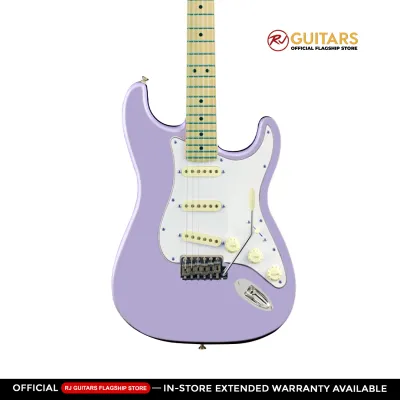

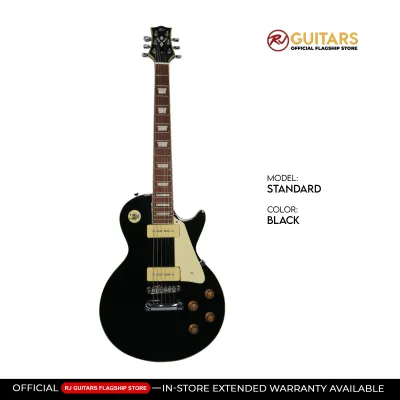
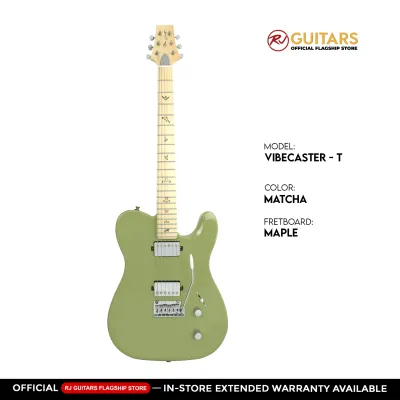


Prices are valid at publication and may change. Please refer to the product page for the latest price.
Budgeting is another critical factor. Setting a realistic budget in Pesos (₱) helps narrow down your options. Beginners should look for cost-effective entry-level models or complete starter packages, which often range from ₱4,000 to ₱8,000, ensuring they do not overinvest before committing to the instrument. Intermediate players should expect to budget between ₱8,000 and ₱18,000 for upgraded hardware and better tonewoods. Advanced guitarists looking for professional-grade components, specialized electronics, and superior craftsmanship should prepare to invest ₱18,000 or more to secure an instrument that meets their rigorous standards.
Core Specifications to Check on Any RJ Electric Guitar
Before browsing specific models, it is crucial to understand the technical specifications that define an electric guitar’s sound and playability. The pickups are the heart of the instrument’s tone. Single-coil pickups produce a bright, crisp, and transparent sound, making them excellent for clean tones, funk, and classic rock. However, they are susceptible to a 60-cycle hum, which can become noticeable under high-gain amplification. Humbucker pickups use two coils to cancel out this hum, delivering a warmer, thicker, and more powerful output that is ideal for heavy rock, metal, and jazz.

The physical dimensions of the neck also play a massive role in how comfortable the guitar feels in your hands. Neck profiles, such as the common C-shape or U-shape, dictate the thickness and curve of the neck. A slimmer neck profile is generally easier for smaller hands or fast playing, while a thicker profile offers more support for thumb-over-neck playing styles. Scale length—the distance between the nut and the bridge—affects string tension. A longer scale length (typically 25.5 inches) provides a snappier response and tighter string tension, whereas a shorter scale length (around 24.75 inches) makes strings easier to bend. Fretboard radius refers to the curvature of the fretboard; a flatter radius facilitates smooth string bending without choking out, while a rounder radius is highly comfortable for playing chords.
Bridge systems are divided into fixed (hardtail) and tremolo (vibrato) systems. Fixed bridges are anchored directly to the body, offering exceptional tuning stability and straightforward string changes. Tremolo bridges allow you to bend the pitch of all strings simultaneously using a whammy bar, but they require more precise setup and can complicate tuning, especially for beginners.
Finally, consider the body wood and weight. In a tropical climate with high humidity, wood can expand or warp if not properly seasoned. Common body woods like basswood, mahogany, and alder offer different weight profiles and resonance characteristics. Lightweight woods like basswood are highly comfortable for long standing performances, while heavier woods like mahogany provide excellent natural sustain but can feel heavy during extended practice sessions.
What Beginners Should Look for in an RJ Electric Guitar
For those taking their first steps, the ideal RJ electric guitar should prioritize physical comfort and mechanical simplicity. When you are first building finger strength and calluses, a guitar with a slim, comfortable neck profile and low string action—the height of the strings above the fretboard—is essential. High string action requires you to press down harder, which quickly leads to finger fatigue and can discourage daily practice.
Simplicity in the control layout and hardware is another major advantage for beginners. A guitar with a fixed bridge is highly recommended for novices because it keeps the strings in tune far better than a budget tremolo system. This allows you to focus entirely on learning chords and rhythm rather than constantly adjusting your tuning pegs. Simple electronics, such as a single volume knob, a tone knob, and a three-way pickup selector, make it easy to find a pleasing sound without getting overwhelmed by complicated switches.
Beginners should also evaluate the value of starter packages. Many entry-level RJ electric guitars are bundled with essential accessories, including a small practice amplifier, an instrument cable, a guitar strap, picks, and a gig bag. Purchasing a package is often more economical than buying these items individually. When inspecting a starter kit, ensure the gig bag provides adequate padding to protect the instrument from accidental bumps and that the included cable is shielded to minimize unwanted static noise during practice.
Upgrading Your Sound: RJ Guitars for Intermediate Players
As your playing skills progress, you will likely outgrow the tonal limitations of a basic entry-level instrument. Intermediate players should look for RJ guitars that offer greater tonal versatility to accommodate a wider range of musical genres. A highly popular configuration for this stage is the HSS setup, which features a humbucker pickup in the bridge position and single-coil pickups in the middle and neck positions. This hybrid layout allows you to switch seamlessly from warm, heavy rock rhythms to bright, sparkling clean tones with the flick of a selector switch.
Hardware quality becomes increasingly important at the intermediate level. Upgraded tuning machines, a denser bridge block, and high-quality nut materials contribute significantly to better tuning stability and improved sustain. You should also pay attention to the fretboard material. While maple offers a bright attack, materials like rosewood or high-quality engineered woods provide a warmer tone and a smoother feel under your fingers during expressive bends and vibrato.
An intermediate guitar should also serve as a solid platform for future customization. Many developing players enjoy customizing their instruments as they learn more about their personal tonal preferences. Before purchasing, verify that the guitar’s internal electronics cavity has sufficient routing to accommodate aftermarket pickup upgrades or upgraded potentiometers. Investing in a well-built intermediate guitar with the intention of upgrading the electronics later is a cost-effective way to achieve a professional-grade sound without paying for a premium-tier instrument upfront.
Professional Features for Advanced RJ Electric Guitarists
Advanced guitarists require an instrument that acts as a seamless extension of their technical abilities. At this level, every detail of the guitar’s construction must meet rigorous standards. Premium tonewoods, such as select mahogany bodies paired with flame maple tops, are highly sought after for their superior resonance, sustain, and striking visual appeal. Advanced players often look for specialized pickup configurations, such as active humbuckers for ultra-high-gain modern metal or hand-wound passive pickups that offer exceptional dynamic responsiveness to touch and volume adjustments.
For players who incorporate advanced techniques like dive bombs, squeals, and extreme vibrato, a high-performance bridge system is non-negotiable. Double-locking tremolo systems lock the strings at both the nut and the bridge, allowing for dramatic pitch manipulation while maintaining flawless tuning stability. However, these systems require precise setup and a solid understanding of floating bridge physics to maintain properly.
Beyond specifications, the overall build quality and factory setup standards are what truly separate professional instruments from the rest. Advanced players should carefully inspect the fretwork of any high-end RJ guitar. The frets should be perfectly leveled, crowned, and polished, with smooth edges that do not snag your fingers as you slide up and down the neck. A high-quality nut, precise neck relief adjustment, and shielding inside the electronics cavity to eliminate stage interference are all hallmarks of a professional-grade instrument ready for the studio or the stage.
Buying Safely: Authorized Dealers and Authenticity Checks
To ensure you are getting a genuine RJ electric guitar with full manufacturer support, it is vital to purchase from authorized sources. Counterfeit instruments or poorly refurbished models can suffer from structural defects, substandard electronics, and poor playability. Always buy directly from official RJ Guitar centers, authorized physical music stores in reputable malls, or the brand’s official flagship stores on major online marketplaces and ecommerce platforms.
When your guitar is delivered or when you purchase it in person, perform a thorough authenticity and quality check. Verify that the instrument comes with its original packaging, a valid warranty card stamped by the authorized dealer, and any included adjustment tools (such as truss rod Allen wrenches). Check the serial number, which is typically located on the back of the headstock or on the neck plate, to confirm its authenticity.
Take the time to inspect the physical condition of the guitar immediately. Look closely for any shipping damage, such as cracks in the finish, loose control knobs, or misaligned hardware. In a humid climate, wood can react quickly to temperature changes during transport. Check the straightness of the neck by sighting down the edge of the fretboard from the headstock to the body. Additionally, run your fingers along the sides of the neck to check for fret sprout—where the metal fret ends protrude slightly due to wood shrinkage. If you detect any major factory defects or playability issues, contact the dealer immediately to arrange for a professional setup or a replacement under warranty.
Frequently Asked Questions (FAQ)
Do RJ electric guitars come with a local warranty in the Philippines?
Yes, genuine RJ electric guitars purchased through official retail outlets or authorized dealers come with a local warranty. This warranty typically covers manufacturing defects in the structural woodwork, hardware, and internal electronics under normal use conditions. When purchasing, ensure that the dealer stamps and dates your warranty card. Keep your original sales receipt safe, as you will need to present both documents to an authorized service center to claim any warranty repairs or adjustments.
Can I upgrade the pickups on an entry-level RJ guitar later?
Absolutely. Upgrading the pickups is one of the most effective ways to enhance the sound of an entry-level RJ electric guitar. Before purchasing aftermarket pickups, check the routing of the guitar’s body cavity under the pickguard to ensure the new pickups will fit without requiring additional wood routing. You will also need basic soldering tools and skills, or you can take the instrument to a professional guitar technician to have the new pickups, potentiometers, and switches installed safely.
What amplifier should I pair with my first RJ electric guitar?
For your first RJ electric guitar, a compact solid-state or digital modeling practice amplifier is highly recommended. For home practice in a typical residential room, an amplifier rated between 10 to 15 watts provides plenty of volume without disturbing your neighbors. Digital modeling amplifiers are particularly excellent for beginners because they include built-in effects like reverb, delay, and various distortion settings, allowing you to explore different sounds without needing to buy expensive external effects pedals.
Community discussion
Share your experience or ask a question. Comments are reviewed before publication.