
Selecting the right Quran edition is a deeply personal decision that depends on your language proficiency, study goals, and daily routine. Because the Quran is read, studied, and recited in various contexts, publishers offer a wide range of editions tailored to different needs. Whether you are a beginner seeking a clear English translation, a student memorizing the text, or a daily reader looking for a durable copy that can withstand a humid tropical climate, understanding the key differences in translations, physical formats, and study aids will help you make an informed choice. By evaluating these factors systematically, you can find an edition that not only fits your budget but also enhances your spiritual and educational journey.
Understanding Quran Translations and Language Editions
To choose the right translation, you must first determine how you plan to study the text. Quran translations generally fall into two categories: literal (word-for-word) and interpretive (meaning-based). Word-for-word translations place the English equivalent directly beneath each Arabic word. This layout is incredibly useful for students of the Arabic language who want to build vocabulary and understand grammatical structures. However, because Arabic and English have vastly different sentence structures, reading a literal translation continuously can feel disjointed and difficult to comprehend.
In contrast, interpretive translations focus on conveying the overall meaning of the verses in smooth, contemporary English. These editions are ideal for general reading, spiritual reflection, and understanding the broader narrative. Well-known interpretive translations offer flowing English prose that is easier to follow. When browsing a Quran book for sale, check the publisher’s description to see which translation methodology is used, as this will directly impact your reading experience.
Products mentioned in this guide
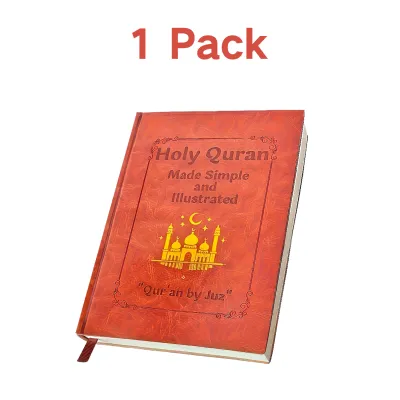


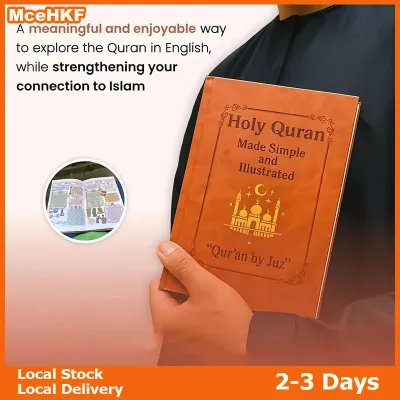
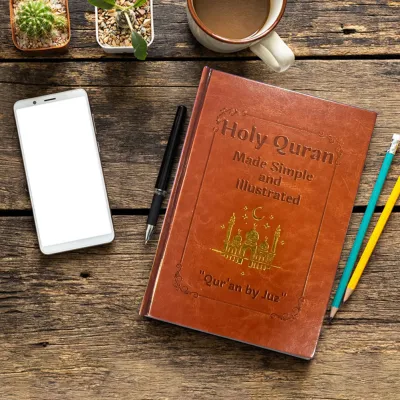
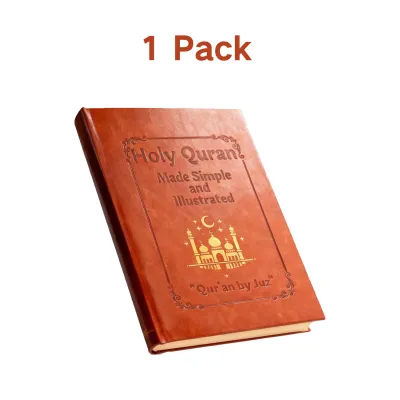
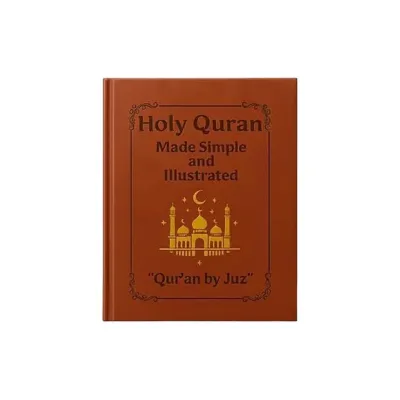
Prices are valid at publication and may change. Please refer to the product page for the latest price.
Verifying the translator’s academic and theological credentials is also essential. Reliable translations are typically produced by respected scholars or collaborative committees and are vetted by established Islamic institutions. Look for editions that clearly state the translator’s background and the academic reviews the work has received. This ensures that the translation aligns with orthodox theological understandings and maintains high linguistic standards.
Finally, consider the layout of bilingual editions. Many readers prefer parallel layouts where the original Arabic text sits side-by-side with the English translation. When evaluating these editions, pay close attention to how the text is aligned. High-quality prints align the Arabic verses precisely with their English translations on the same page, preventing the need to flip back and forth. This parallel structure is highly beneficial for those who want to maintain a connection to the original Arabic revelation while fully understanding the meaning in English.
Choosing the Right Physical Size and Binding Type
The physical size of the book dictates where and how comfortably you can read it. Quran editions are generally categorized into pocket, medium (standard), and large-print (desk) sizes. Pocket-sized editions are highly portable, making them excellent for commuters or travelers who want to read during their daily transit. However, the text in these compact versions is necessarily small, which can lead to eye strain during prolonged reading sessions.

Medium-sized editions offer the most balanced experience. They are large enough to feature clear, readable text and parallel translations, yet light enough to hold comfortably or carry in a backpack. Large-print or desk editions are designed for home study, mosque use, or older readers. These larger volumes lay flat on a desk or book stand, allowing for hands-free reading and easy annotation, though they are too heavy for regular travel.
Binding durability is another critical factor, especially in tropical regions like the Philippines where high humidity and seasonal rains can accelerate wear and tear. Hardcover bindings provide the best protection for the pages and help the book retain its shape over years of use. Leather-bound or premium faux-leather editions often feature zippered closures, which are highly recommended for protecting the edges of the pages from moisture, dust, and physical damage while inside a bag. Softcover editions are lightweight and more affordable, but their covers and spines tend to crease and wear out quickly with daily use.
Paper quality is equally important for long-term durability and reading comfort. Look for editions printed on high-opacity, acid-free paper. Thin, low-quality paper can suffer from “ghosting,” where the text from the reverse side of the page bleeds through, making it difficult to read. Cream-colored or off-white paper is generally preferred over bright white paper because it reduces glare under artificial lights, preventing eye strain during extended evening study sessions. Additionally, high-quality paper resists moisture absorption, preventing the pages from warping or sticking together in humid environments.
Evaluating Special Features for Recitation and Study
For those focusing on correct pronunciation and recitation, specialized study features can greatly enhance the learning process. One of the most popular features is Tajweed color-coding. Tajweed refers to the rules governing the pronunciation of letters during Quranic recitation. Color-coded editions assign specific colors to different rules—such as green for nasalization, blue for echoing sounds, and red for prolonged vowels.
Before purchasing a color-coded edition, it is important to check the publisher’s guide, usually located at the front or back of the book. This guide explains the exact rule mapping used in that specific print. While most publishers follow a relatively standardized color scheme, minor variations exist. A clear, easy-to-understand key is essential for beginners who are still learning to apply these rules in real-time recitation.
Another invaluable feature for deeper study is the inclusion of integrated Tafsir (exegesis) or contextual footnotes. The Quran was revealed over a period of 23 years in specific historical contexts. Footnotes that explain the historical background of a verse provide crucial context that prevents misunderstandings. While a full multi-volume Tafsir is excellent for serious scholars, a single-volume study Quran with concise, well-referenced footnotes is often the most practical choice for daily readers.
Modern editions also incorporate thematic indexes, surah (chapter) summaries, and digital integration features. Thematic indexes allow you to look up specific topics, such as ethics, history, or law, and find all the relevant verses across different chapters. Surah summaries provide a quick overview of the themes, historical context, and main lessons of each chapter before you begin reading. Furthermore, some contemporary editions feature QR codes on the margins of each page. Scanning these codes with a smartphone connects you to high-quality audio recitations or spoken translations, making these books highly versatile companion tools for auditory learners.
Verifying Authenticity and Print Quality Before Purchase
Ensuring the textual accuracy of a Quran edition is paramount. Because the Arabic text must be preserved exactly as revealed, reputable publishers employ strict proofreading processes. When searching for a Quran book for sale, prioritize established and authorized Islamic publishers, such as the King Fahd Glorious Qur’an Printing Complex, Darussalam, or other well-known international Islamic foundations. These publishers have rigorous quality control standards that minimize the risk of typographical errors.
In many Muslim-majority regions and international markets, authentic editions carry official certification seals or approval stamps from recognized religious authorities or ministries of Islamic affairs. These seals indicate that a committee of qualified scholars has reviewed the text line by line and certified it as error-free. When shopping online, look for photos of the copyright and introductory pages to verify the presence of these official approvals.
Since you cannot physically flip through the pages when buying from an online bookstore, you must rely on digital verification methods. Carefully inspect the sample pages and preview images provided by the seller. Check for clear, crisp printing where the Arabic diacritical marks (vowels) are perfectly aligned above and below the letters. Blurry print, misaligned text, or low-contrast ink can make recitation incredibly difficult and may indicate a low-quality, unauthorized reprint. Reading customer reviews can also reveal critical quality issues, such as missing pages, binding defects, or ink smudging, helping you avoid substandard prints.
Building Your Shortlist: Matching Editions to Reader Profiles
To finalize your decision, it helps to match your specific profile with the most appropriate edition characteristics. If you are a beginner, your primary focus should be on comprehension and context. Look for a medium-sized hardcover edition featuring a clear, modern interpretive English translation, parallel Arabic text, and concise explanatory footnotes. This setup provides a comfortable reading experience without overwhelming you with dense academic commentary.
For students engaged in memorization (Hifz), the layout of the Arabic text is the most critical factor. Memorization students typically require a standard script layout, such as the 15-line Hafizi Quran. In this layout, every page begins and ends with a complete verse, which helps build a strong visual memory of the text’s structure. A durable, lay-flat binding is also essential, as the book will be opened and closed repeatedly during long study sessions.
If you are a daily reader looking for a practical copy for personal devotion, portability and budget are likely your main considerations. A compact, lightweight softcover or a zippered faux-leather edition is ideal for carrying in a bag during your daily commute. In the Philippines, prices for these editions vary widely. You can find basic, pocket-sized paperbacks starting around ₱300, while high-quality, medium-sized parallel editions with durable bindings typically range from ₱1,000 to ₱2,500. Setting a clear budget allows you to balance physical durability with the specific study features you need for your daily routine.
Frequently Asked Questions (FAQ)
Do I need a specific edition for Tajweed practice?
While you can practice Tajweed using any standard Arabic Quran, a color-coded Tajweed edition is highly recommended for learners. The visual cues provided by the color-coded letters help you apply pronunciation rules automatically as you read, reinforcing what you learn from a teacher. However, advanced readers who are already fluent in Tajweed rules often prefer standard, non-color-coded editions to maintain focus on the traditional script.
How can I ensure a Quran bought from an online bookstore is authentic?
To ensure authenticity when purchasing online, always verify the publisher’s name and look for official certification seals on the product details page. Buy from reputable online bookstores or specialized Islamic distributors rather than unverified third-party sellers on general marketplaces. Additionally, check customer reviews for feedback on print quality and text accuracy, and avoid listings that lack clear photos of the inner pages and copyright information.
Community discussion
Share your experience or ask a question. Comments are reviewed before publication.