
Quick Guide to Matching Dust Cover Sizes
Selecting the ideal piano dust cover requires looking beyond the basic key count of your instrument. While knowing whether you have a 61-key, 76-key, or 88-key keyboard provides a helpful starting point, the physical design of the chassis—such as a slim portable stage piano versus a bulky console digital piano—ultimately dictates the actual fit.
To ensure complete protection without excess material sagging onto the floor or blocking essential rear ports, you must match the cover to your instrument’s exact physical dimensions. In the tropical climate of the Philippines, where high humidity and fine dust from open-air ventilation are common household challenges, choosing the correct cover is vital. A well-fitting cover protects sensitive internal electronics and key contacts from moisture buildup, dust accumulation, and debris.
Typical Dimensions for 61, 76, and 88-Key Keyboards
Keyboard manufacturers do not adhere to a single universal standard for instrument chassis sizes. Consequently, two keyboards with the exact same key count can have vastly different physical footprints. Understanding the typical dimensions of each category helps you narrow down the type of cover your setup requires.
Products mentioned in this guide

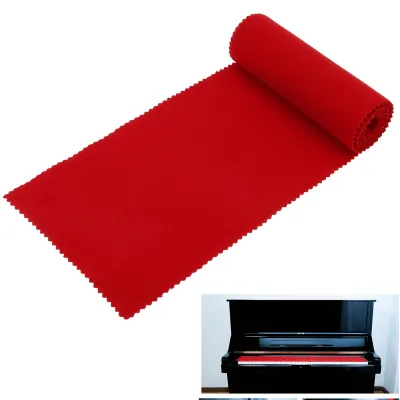
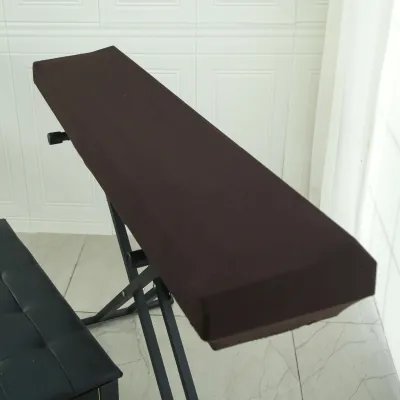
Prices are valid at publication and may change. Please refer to the product page for the latest price.

61-Key Keyboards (Portable and Compact)
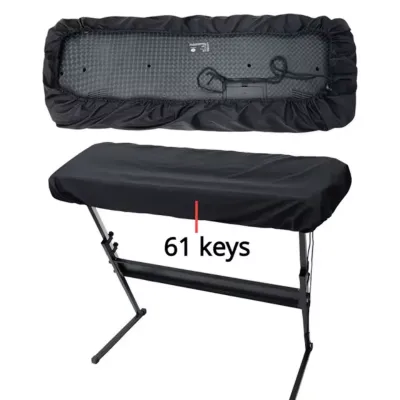
Most 61-key instruments, which include entry-level arranger keyboards, MIDI controllers, and compact synthesizers, are designed with portability in mind. These models typically measure between 90 to 100 centimeters in width, 30 to 40 centimeters in depth, and 10 to 15 centimeters in height.
Because these keyboards are lightweight and frequently moved around, they benefit from highly elastic, stretchable spandex or lycra covers. These small, stretch-to-fit covers easily slip over the edges and hug the underside of the chassis. This secure grip prevents the fabric from sliding off, even if the keyboard is resting on a simple X-stand.
76-Key Keyboards (Extended Portable)
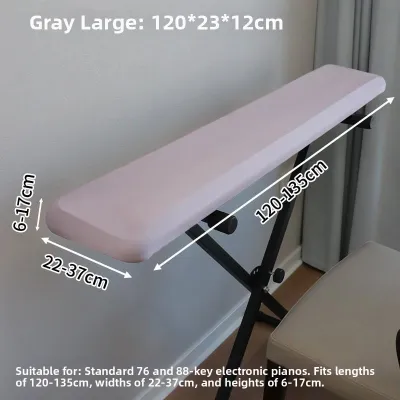
An intermediate size favored by gigging musicians and workstation users, 76-key keyboards offer an extended range while remaining relatively portable. These instruments generally span 115 to 130 centimeters in width, with depths of 35 to 45 centimeters.
While they share a similar depth profile with 61-key models, their extended length means that standard “universal” covers might stretch to their absolute limit. This over-stretching causes premature wear on the fabric seams and can leave the outer keys partially exposed. It is critical to verify that any stretchy cover is explicitly rated for the extra length of a 76-key chassis before purchasing.
88-Key Keyboards (Full-Size and Console)
Full-size 88-key instruments fall into two distinct design categories: portable stage pianos and heavy console digital pianos. Portable stage pianos typically measure 130 to 140 centimeters in width and have a slim depth of 30 to 35 centimeters. They require a standard, elongated drape or a stretchy full-size cover that matches their streamlined profile.
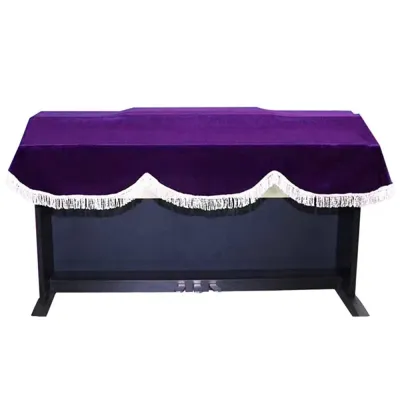
In contrast, console-style digital pianos feature integrated wooden cabinets, built-in pedals, and sliding key covers. These instruments are much taller and deeper than stage pianos, requiring specialized tailored covers or large, non-stretch drapes. These drapes are designed to fall elegantly over the entire wooden structure without bunching up or pulling tightly at the corners.
Choosing the Right Cover Style for Your Setup
Selecting the right cover style involves balancing how often you play with the specific environmental conditions of your room.
Top Covers vs. Full Enclosures
Top covers, also known as key runners or partial drapes, are designed to cover only the keys and the immediate control panel. They are highly convenient for musicians who practice daily, as they can be pulled off and replaced in seconds. However, they leave the sides and the rear of the keyboard exposed to the elements.
Full enclosures cover the entire body of the keyboard, including the sides and sometimes the stand itself. These are highly recommended for setups in rooms with high dust exposure, near open windows, or in households with pets. They provide a complete barrier against accidental liquid spills and floating particles, though they take slightly longer to remove and fold away when you want to play.
Stretchy Universal vs. Tailored Fits
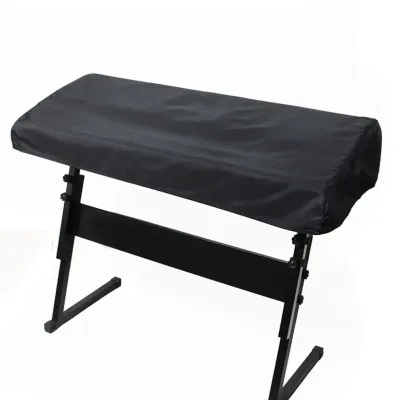
Stretchy universal covers made from spandex, nylon, or polyester blends offer a snug, modern aesthetic. They are versatile, budget-friendly, and fit a wide variety of portable keyboard shapes. They are excellent for keeping dust out of the key bed, but their tight fit can sometimes press down on delicate knobs or sliders if the cover is too small.
Tailored, non-stretch covers constructed from premium materials like velvet, heavy canvas, or quilted satin provide a classic, elegant appearance. These are ideal for permanent home setups and console pianos. When choosing a tailored fit, pay close attention to structural features:
- Music Rest Cutouts: Look for covers with zippered or hook-and-loop slits that allow the sheet music stand to remain attached while covered.
- Cable Access: Ensure the cover does not put pressure on rear MIDI, USB, or power cables plugged into the back of the instrument.
- Pedal Clearance: For full-length drapes, verify that the bottom hem does not interfere with the sustain pedal assembly.
How to Measure Your Keyboard for the Perfect Fit
To avoid the hassle of returning a poorly fitting product, grab a physical measuring tape and record three crucial dimensions of your instrument. Do not rely solely on the model name, as chassis designs vary wildly between brands.
First, measure the Width from the leftmost edge of the chassis to the rightmost edge. Next, measure the Depth from the very back of the unit to the front of the keys. Finally, measure the Height from the bottom base of the keyboard to the highest point on the control panel.
When taking these measurements, keep the following considerations in mind:
- The Music Rest: Decide if you want to keep your music rest attached while the keyboard is covered. If yes, measure the height from the base of the keyboard to the top of the music rest, or specifically look for a cover with a built-in music stand slot.
- Sizing Margin: If you are purchasing a non-stretch fabric cover (like velvet or canvas), add a margin of 2 to 3 centimeters to your width and depth measurements. This extra breathing room ensures you can easily slide the cover on and off without snagging the knobs, sliders, or keys.
- Stretchy Cover Limits: If choosing an elastic cover, ensure your keyboard's dimensions fall comfortably within the manufacturer's specified stretch range rather than at the absolute maximum limit, which can cause the fabric to thin out or tear over time.
Common Sizing Mistakes and How to Avoid Them
One of the most frequent errors is buying a “one-size-fits-all” cover based strictly on the key count. A bulky 61-key synthesizer with thick wooden end cheeks will not fit into a cover designed for an ultra-slim 61-key MIDI controller. Always cross-reference the physical dimensions in centimeters rather than relying on generic product labels.
Another common pitfall is ignoring the local climate. In the humid tropical environment of the Philippines, wrapping your keyboard in a completely airtight, non-breathable plastic or heavy waterproof vinyl cover can trap ambient moisture inside. This trapped humidity can condense on the delicate metal contacts under the keys and lead to corrosion or sensor failure. Opt for breathable fabrics like lightweight nylon, cotton, or specialized synthetic blends that block dust while allowing air circulation.
Additionally, many buyers forget to account for plugged-in cables. If your keyboard has straight-jack cables protruding directly from the rear panel, a tight-fitting cover can bend and damage these connectors over time. Choosing a slightly deeper cover or one with flexible rear openings will protect both your instrument and your cables.
Before purchasing a cover from an online marketplace, always review the seller’s return policy and compatibility list. Ensure the authorized source clearly states the dimensions and material specifications so you do not end up with a cover that is either too loose or impossibly tight. Quality dust covers in the Philippines generally range from budget-friendly options around ₱300 to premium tailored velvet covers upwards of ₱1,500.
Frequently Asked Questions (FAQ)
Can I use an 88-key dust cover on a 76-key keyboard?
While an elastic 88-key cover can technically stretch over a 76-key keyboard, it is generally not recommended. The excess fabric will bunch up at the ends, creating an untidy appearance and potentially slipping off. The loose material can also drape over your keyboard stand, creating a tripping hazard or catching on nearby cables. It is always best to purchase a cover specifically sized for 76-key instruments or a highly adjustable universal model.
Do I need to remove the dust cover before playing?
Yes, standard protective dust covers and full-enclosure drapes must be completely removed before you begin playing. While some ultra-thin, semi-transparent key runners claim to allow playing while covered, they significantly alter the key action, reduce touch sensitivity, and can cause unnecessary friction against the keytops. For the best playing experience and to prevent wear on both the keys and the cover, always uncover the instrument fully.
How do I clean and maintain my piano dust cover?
Always consult the manufacturer’s care label or instructions first to avoid damaging the material. For stretchy synthetic covers made of spandex or lycra, a gentle hand wash or a machine wash on a delicate cycle with cold water is usually safe, followed by air drying. For premium, non-stretch materials like velvet, suede, or heavy quilted fabrics, spot cleaning with a damp cloth or professional dry cleaning is recommended to prevent shrinkage, fabric warping, and color bleeding.
Community discussion
Share your experience or ask a question. Comments are reviewed before publication.