
Starting your journey as a drummer is an exciting milestone, but walking into a music store or browsing online can quickly feel overwhelming. Pearl is one of the most recognized names in percussion, offering several entry-level options designed specifically for those who are just beginning their musical journey. Choosing the right kit requires balancing your available physical space, your practice environment, and your budget. By understanding how Pearl structures its entry-level instruments, you can select a setup that supports proper technique and stands up to hours of practice.
What Defines a Beginner-Friendly Pearl Drum Kit
When exploring the Pearl catalog, the first major distinction you will encounter is the difference between a complete drum outfit and a shell pack. A complete outfit is designed to be an all-in-one solution. It includes the drum shells, the mounting hardware, stands for your cymbals and snare, a bass drum pedal, a drum throne, and often a basic set of starter cymbals. For an absolute beginner, a complete outfit is highly recommended because it eliminates the guesswork of sourcing compatible hardware separately, allowing you to start playing almost immediately.
In contrast, a shell pack consists solely of the wooden drum shells and the brackets needed to mount the toms. While shell packs are popular among intermediate and advanced players who already own preferred hardware and cymbals, they require beginners to make additional, often costly purchases to make the kit playable.
Products mentioned in this guide
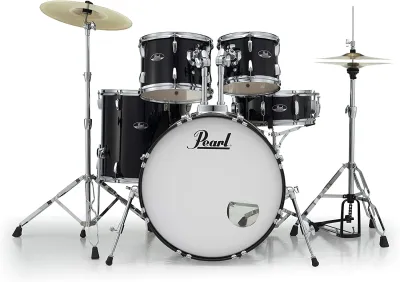
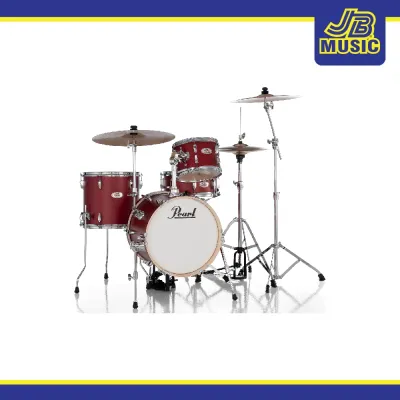
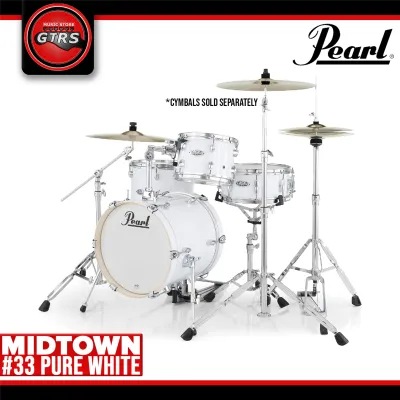
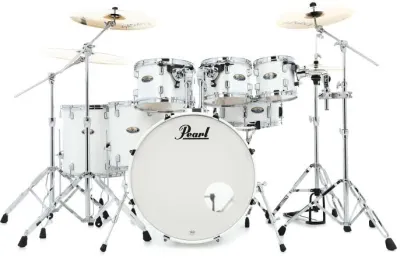
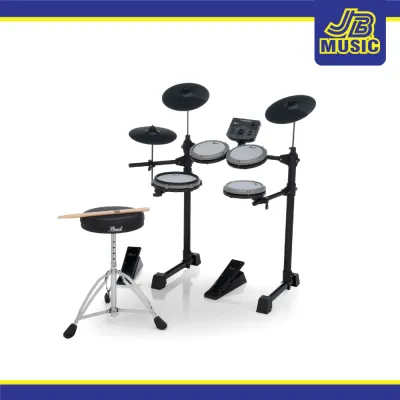
Prices are valid at publication and may change. Please refer to the product page for the latest price.
Pearl’s entry-level series are strategically positioned to offer reliable performance without the premium price tag of professional kits. Series like the Pearl Roadshow are classic examples of complete beginner packages, offering everything needed in a single box. The Pearl Export series, widely regarded as one of the most popular drum sets ever made, sits on the border between beginner and intermediate. It is frequently sold as a shell pack or bundled with hardware, offering a step up in shell construction and hardware durability for players who want a kit that will grow with them over several years.
At the beginner price point, it is important to set realistic expectations regarding materials and construction. Entry-level kits utilize lightweight or medium-weight hardware. While this makes the kit easier to transport, it will not have the heavy-duty, double-braced stability of professional touring gear. Similarly, the factory-installed drumheads are designed for basic playability rather than maximum tonal richness; you should expect a functional, punchy sound that can be significantly improved later with precise tuning and head upgrades.
Evaluating Shell Materials and Sizes for New Drummers
The wood species used to construct a drum shell plays a fundamental role in its overall tone, resonance, and tuning sensitivity. Entry-level Pearl kits typically utilize poplar, Asian mahogany, or a blend of these woods. Poplar is a highly popular choice for beginner drums because it produces a balanced, soft tone with clean high and mid frequencies. This characteristic makes poplar shells exceptionally forgiving for beginners who are still developing their tuning ears, as the wood naturally vibrates evenly.

Asian mahogany blends introduce a deeper, warmer low-end resonance to the drums. While these blended shells offer a richer sound, they can sometimes require more precise tuning to control unwanted overtones. Understanding these material differences helps you anticipate how the drums will react to your playing style and environment.
Physical drum sizes are another critical consideration, directly impacting both the acoustic volume and the footprint of your setup. A standard 5-piece configuration—consisting of a 22-inch bass drum, 10-inch and 12-inch rack toms, a 16-inch floor tom, and a 14-inch snare drum—requires a dedicated floor space of approximately 1.5 by 2 meters. This size provides excellent acoustic projection and is the industry standard for most musical genres. However, if you are working with limited space, compact or “jungle” configurations featuring an 18-inch bass drum and smaller toms offer a much smaller footprint while still delivering a satisfying physical response.
The thickness of the shell and the cut of the bearing edge also influence how easily a beginner can tune the instrument. Most entry-level Pearl drums feature 6-ply or 9-ply shell construction, which provides excellent structural integrity. The bearing edge—the precise angle cut into the top and bottom rims of the shell where the drumhead rests—is typically cut at a 45-degree angle. A well-cut bearing edge ensures the drumhead sits perfectly flat, which is essential for achieving a clear, consistent pitch and maintaining tuning stability over long practice sessions.
In the tropical climate of the Philippines, high relative humidity and temperature fluctuations present unique challenges for wooden drum shells. Wood naturally absorbs moisture from the air, which can cause shells to expand slightly, potentially warping the bearing edges or detuning the heads. To protect your investment, avoid placing your drum kit in direct sunlight, near open windows during rainy weather, or directly under air conditioning vents. Keeping the drums in a well-ventilated room, using silica gel packets inside the shells, or running a dehumidifier can help preserve the wood and prevent the metal hoops from rusting.
Assessing Hardware and Cymbal Inclusions
While the drum shells produce the sound, the hardware is what keeps the kit functional and stable. When evaluating a beginner Pearl package, pay close attention to the quality of the stands, pedals, and mounts. Look for double-braced legs on the cymbal and snare stands. Double-braced hardware features two metal supports on each leg, providing significantly more stability and preventing the stands from wobbling or tipping over when you play with increased energy.
The hi-hat stand and the bass drum pedal are the most active mechanical components of your kit. Ensure the hi-hat clutch grips the pull rod securely without slipping, and check that the bass drum pedal features an adjustable spring tension mechanism. This adjustability allows you to customize the resistance and rebound of the pedal, helping you develop proper foot technique and control as you learn double-stroke patterns.
Many all-in-one beginner packages include a set of starter cymbals, typically made of brass. It is important to understand that these factory cymbals are intended as temporary placeholders. Brass cymbals have a bright, metallic, and relatively flat tone with very little sustain. However, they serve an invaluable purpose for beginners: they allow you to practice stick control, learn cymbal choking techniques, and master basic ride and crash patterns without the fear of damaging expensive bronze cymbals. As your dynamics improve and your ears become more discerning, upgrading to a dedicated set of B8 or B20 bronze cymbals will be your first major step toward a professional sound.
Never overlook the importance of the drum throne. The throne is the foundation of your entire playing posture, directly affecting your balance, reach, and lower-back health. A high-quality beginner throne should feature a secure locking mechanism, such as a bolt-through design or a robust memory lock, to prevent the seat from sinking during play. It must also have sufficient padding and a wide enough base to keep you stable, ensuring you can sit comfortably for extended practice sessions without developing fatigue or poor posture habits.
Building Your Shortlist: Matching Kits to Practice Needs
Selecting the right drum kit configuration depends heavily on where you plan to practice and what your long-term musical goals are. Creating a conditional framework based on your living situation will help you narrow down your options quickly and avoid making a purchase that you cannot realistically use.
If you live in an apartment, a condominium, or a shared residential space in the Philippines, volume control is your primary obstacle. In these environments, a compact shell configuration is highly advantageous. Smaller drums produce less natural acoustic volume and are much easier to mute. To make acoustic practice viable in tight spaces, you can equip your Pearl kit with mesh drumheads and low-volume practice cymbals. Alternatively, you can place rubber muting pads over standard drumheads. This setup allows you to maintain the physical rebound and feel of an acoustic kit while keeping the decibel levels low enough to avoid disturbing your neighbors.
For those fortunate enough to have a dedicated garage, a separate rehearsal studio, or a spacious suburban home, a standard-sized 5-piece Pearl kit is the ideal choice. Standard sizes provide the natural acoustic projection, deep bass response, and full resonance required to play along with amplified instruments like electric guitars and bass. Practicing on a full-sized kit also prepares you for the physical layout and spacing you will encounter on stage or in professional recording studios.
Your budget allocation strategy in ₱ will also dictate your final choice. You generally have two paths:
- The All-in-One Package: Purchasing a complete beginner box set (typically ranging from ₱25,000 to ₱40,000 depending on the model and retailer) is the most cost-effective route. It provides immediate playability and ensures all components are fully compatible out of the box.
- The Component Build: Investing in a higher-quality shell pack (such as a Pearl Export) and purchasing the hardware, throne, and cymbals separately requires a higher initial budget (often exceeding ₱50,000). However, this path allows you to select specific, higher-grade hardware and cymbals from the start, saving you money on upgrades in the long run.
Pre-Purchase Checks for Online and In-Store Orders
Before you finalize your purchase, whether you are buying from a local music retailer in the Philippines or ordering through an authorized online store, performing a series of pre-purchase checks is essential to ensure a smooth setup process. Drum kits consist of dozens of small, moving parts, and verifying completeness early will save you significant frustration.
When your shipment arrives or when you inspect the kit in-store, cross-reference the box contents with the manufacturer’s official parts list. Ensure that all tension rods, washers, memory locks, tom arms, and floor tom legs are accounted for. A single missing tension rod or wing nut can prevent you from assembling a drum or securing a cymbal stand, halting your progress before you even begin.
Perform a thorough visual inspection of the drum shells. Remove the drumheads if possible and run your finger along the bearing edges of each shell. The wood should feel perfectly smooth, with no splinters, dents, or uneven flat spots. Place the metal hoops on a flat surface, such as a glass table, to verify that they are completely flat and not warped. Finally, inspect the exterior shell finish—whether it is a wrap or a lacquer—for any signs of bubbling, peeling, or cracking, which can indicate exposure to moisture or poor quality control.
Lastly, always confirm the warranty coverage and authorized dealer status of the seller. Purchasing from an authorized Pearl dealer in the Philippines ensures that your kit is genuine and backed by the manufacturer’s warranty against structural defects. Clarify the retailer’s return and exchange policies, particularly regarding shipping damage, as returning heavy drum boxes can be logistically challenging and expensive if not covered by the seller.
Frequently Asked Questions (FAQ)
Do I need to buy cymbals separately for a beginner Pearl kit?
Whether you need to purchase cymbals separately depends entirely on the specific Pearl package you choose. Complete entry-level outfits, such as the Pearl Roadshow, typically include a basic set of brass starter cymbals (usually a set of hi-hats and a brass crash/ride cymbal) to get you started immediately. However, higher-tier beginner options, like many Pearl Export configurations, are sold as shell packs or shell-and-hardware packages that do not include cymbals.
It is important to note that factory-included brass cymbals are designed primarily for initial practice and stick-control development. They lack the rich, musical tone and durability of professional bronze cymbals. If your budget allows, or if your chosen kit does not include them, you should plan to purchase a dedicated beginner-to-intermediate cymbal set made of B8 bronze, which will offer a much more satisfying and musical sound.
How difficult is it to assemble and tune a Pearl drum kit out of the box?
Assembling a Pearl drum kit out of the box is a straightforward process, but it requires patience and typically takes between one and two hours. The kit will arrive with the drumheads uninstalled on some or all of the shells. You will need to place the heads on the bearing edges, position the metal hoops, and thread the tension rods by hand before tightening them with a standard drum key, which is almost always included in the package. Following the manufacturer’s assembly guide step-by-step is crucial to ensure all washers and mounts are placed correctly.
Tuning the drums can be challenging for absolute beginners, as it requires developing an ear for pitch consistency. The fundamental rule of tuning is to tighten the tension rods in a diagonal, star-like pattern rather than going in a circle around the drum. This ensures that the drumhead is tensioned evenly across the bearing edge. Start by tightening the rods finger-tight, then use the drum key to turn each rod in small, equal increments (such as half-turns) until the wrinkles disappear from the head and the drum produces a clear, resonant tone when struck near each tension rod.
Community discussion
Share your experience or ask a question. Comments are reviewed before publication.