
Finding the right NIV Bible for your daily devotional practice in the Philippines comes down to matching the physical format, layout, and study features with your personal reading environment and spiritual goals. Because the tropical climate, daily commute, and lighting conditions affect how and where you read, selecting an edition requires looking beyond the translation itself to evaluate paper quality, binding durability, and text layout. By understanding what to look for, you can invest in a copy that remains a durable and inviting companion for years to come.
The New International Version is highly favored for its balance of accuracy and modern readability, making it an excellent foundation for daily reflection. However, walking into a local bookstore or browsing online marketplaces reveals hundreds of options labeled under this translation. Navigating these choices requires a clear understanding of how the base text is packaged into different editions designed for distinct reading styles.
Understanding the NIV: Translation vs. Edition
To make an informed purchase, it is essential to distinguish between the Bible translation and the specific edition you are buying. The New International Version (NIV) refers strictly to the underlying translation text, which was translated from the original Hebrew, Aramaic, and Greek manuscripts by a self-governing body of biblical scholars. This translation remains consistent across different physical books, meaning the actual scripture verses will read the same whether you buy a pocket-sized version or a massive study Bible.
Products mentioned in this guide
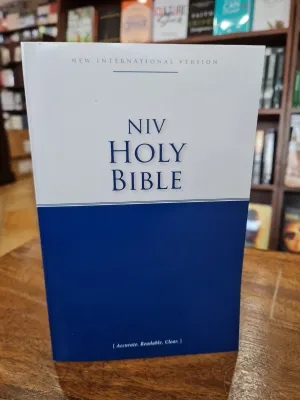
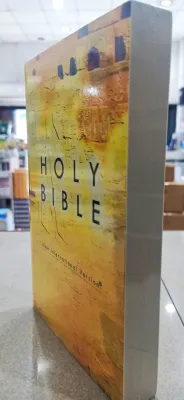
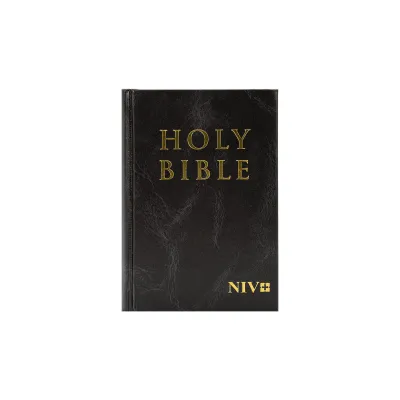
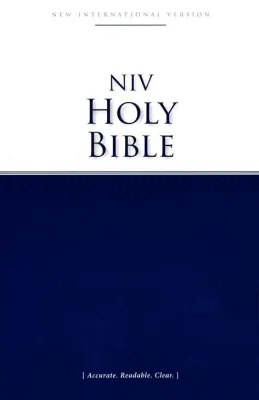
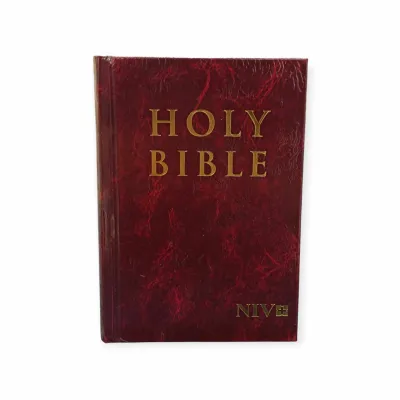
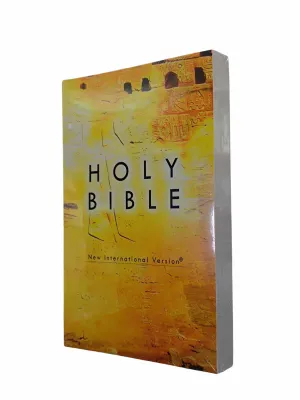
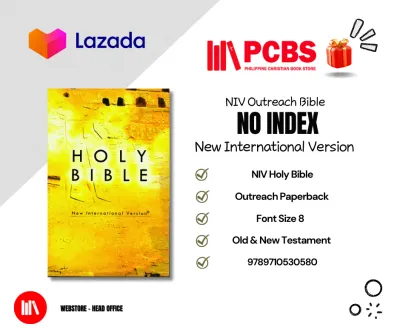
Prices are valid at publication and may change. Please refer to the product page for the latest price.
An “edition,” on the other hand, refers to how a publisher packages that translation with additional features, layouts, and physical materials. Publishers take the standard NIV text and wrap it in various formats, such as adding historical commentary, daily devotional articles, wide margins for note-taking, or ultra-thin paper for portability. The physical cover material, binding method, and font size are also characteristics of the edition, not the translation.
Failing to distinguish between the translation and the edition often leads to purchasing a Bible that does not fit your daily routine. For instance, you might accidentally buy a comprehensive study Bible filled with academic footnotes when you actually wanted a lightweight, distraction-free text for quiet morning reflection. Knowing this distinction allows you to focus your search on the specific physical and editorial features that align with your devotional habits.
Key Features to Evaluate for Daily Devotionals
When selecting an edition for daily use, readability should be your primary consideration. Bible text is often printed in small fonts to keep the book portable, but straining your eyes during early morning or late-night reading can quickly become a barrier to consistency. Look for editions that specify “Comfort Print” typefaces, which are custom-designed to reduce eye strain, and aim for a font size of at least 9-point or larger if you prefer comfortable reading. Additionally, consider whether you prefer a “red-letter” edition, where the words of Jesus are printed in red, or a traditional “black-letter” edition, as some readers find red ink harder to read under warm indoor lighting.

Portability and durability represent a classic trade-off that depends heavily on where you plan to do your reading. If your devotional time takes place at a desk or altar at home, a heavier hardcover or premium leather edition is ideal because it can sit open on a flat surface. If you plan to read during your daily commute on the MRT or while traveling, a compact or thinline edition with a flexible synthetic cover is much easier to slip into a bag. Keep in mind that synthetic covers, often labeled as imitation leather, polyurethane (PU), or DuoTone, vary widely in quality; some can degrade or peel quickly when exposed to tropical humidity and sweat.
Usability features can make or break your daily reading experience. A lay-flat binding is highly recommended for devotional use, as it allows the Bible to stay open on a table without you having to hold the pages down with your hands, leaving you free to write in a journal or hold a cup of coffee. Furthermore, pay close attention to paper thickness, often measured in grams per square meter (GSM). Thin, cheap paper is prone to “ghosting,” where the text on the reverse side of the page shines through and makes reading difficult, and it will easily bleed through if you like to use highlighters or pens to mark meaningful passages.
Matching NIV Editions to Your Devotional Style
For readers who want to dive deep into the historical, cultural, and theological background of the scriptures, an NIV Study Bible is an excellent choice. These editions are packed with extensive study notes, full-color maps, archaeological findings, and character profiles directly on the same page as the biblical text. While these features provide invaluable context that can enrich your understanding of difficult passages, study Bibles are significantly thicker, heavier, and more expensive than standard editions. They are best suited for stationary study at a desk rather than casual, reflective reading in bed or on the go.
If your primary goal is personal application and spiritual encouragement, an NIV Devotional Bible might be an ideal fit. These editions intersperse the biblical text with daily or weekly devotionals, reflective essays, and guided prayers written by various Christian authors and theologians. They are designed to help you connect the ancient text to modern daily life, making them highly accessible for beginners or those looking for structured guidance. However, ensure the devotional content aligns with your personal spiritual values, as these reflections reflect the specific perspectives of their contributing authors.
For those who process their thoughts through writing, drawing, or creative expression, an NIV Journaling Bible offers a unique and highly personal way to engage with scripture. These editions feature extra-wide margins, often lined or completely blank, and are printed on thicker paper designed to handle ink, pencils, and highlighters without bleeding. Some journaling Bibles even feature interleaved blank pages between every page of scripture, providing ample space for extensive sermon notes, prayers, or personal reflections. The trade-off is that these Bibles are typically wider and heavier than standard text editions.
If you prioritize portability and want a Bible that can accompany you anywhere, a Thinline or Compact NIV Bible is a highly practical option. These editions strip away almost all extra features, notes, and wide margins to keep the profile as slim and lightweight as possible, often measuring less than an inch thick. They are highly suitable for slipping into a backpack, purse, or glove compartment, allowing you to utilize small pockets of time throughout the day for reading. The main compromise here is readability, as these editions almost always feature smaller font sizes and thinner paper to achieve their compact dimensions.
Practical Checks Before Purchasing in the Philippines
Before finalizing your purchase, it is crucial to verify the publisher and the seller’s authenticity to ensure you are receiving a genuine, high-quality product. Major publishers of the NIV include Zondervan and Hodder & Stoughton, and authorized distributors in the Philippines often include established local Christian bookstores like OMF Literature, PCBS (Philippine Christian Bookstore), or the Philippine Bible Society. Be cautious when purchasing from third-party sellers on online marketplaces, as counterfeit Bibles with poor print quality, missing pages, or weak bindings are common. Reading customer reviews and checking for official store badges can help you avoid these issues.
Another important step is to confirm the specific text edition or revision year of the NIV translation you are buying. The NIV underwent a significant update in 2011 to reflect modern English usage and biblical scholarship, which is the standard text printed today. Some older stock or specific specialty editions might still use the 1984 translation text. While both are excellent, checking the copyright page or product description ensures you receive the exact version you expect, especially if you are trying to match a translation used by your local church community or study group.
Finally, always review the seller’s return and replacement policies, and make a plan to thoroughly inspect the physical Bible as soon as it arrives. Check the binding along the spine to ensure there are no loose threads or excessive glue gaps that could cause pages to fall out over time. Flip through the pages to verify that the text is aligned correctly, that there are no misprinted or blank pages, and that the gold or silver page gilding is not causing the pages to stick together excessively. Taking a few minutes to inspect your purchase immediately protects your investment and ensures your Bible is ready for daily use.
Building a Sustainable Daily Reading Habit
Once you have selected the ideal NIV edition, the next step is integrating it into a sustainable daily routine. Start by setting a realistic daily time block, even if it is just ten or fifteen minutes every morning before the household wakes up or in the evening before bed. Designate a specific, comfortable physical space for your reading—whether it is a quiet corner of your living room, a spot on your balcony, or a desk. Having a dedicated space helps signal to your mind that it is time to quiet down and focus on the text.
To maintain momentum, consider utilizing the built-in reading plans that many NIV editions include in their back matter, or pair your physical Bible with a simple paper tracker or mobile application. Reading plans can guide you through the entire Bible in a year, focus on specific themes, or take you through the New Testament chronologically. Having a clear roadmap prevents the common decision fatigue of opening the Bible to a random page and wondering where to start reading each day.
Most importantly, approach your daily reading habit with a sense of grace rather than rigid legalism. There will inevitably be busy days, unexpected disruptions, or mornings when you simply sleep through your alarm. If you miss a day or even a few days, avoid the temptation to feel discouraged or give up on the practice entirely. Simply pick up where you left off the next day, remembering that the goal of a daily devotional practice is long-term spiritual growth and relationship-building, not checking off a consistent checklist.
Frequently Asked Questions (FAQ)
Is the NIV translation suitable for beginners?
Yes, the NIV is widely considered one of the most suitable translations for beginners due to its balance of accuracy and readability. It employs a translation philosophy that blends word-for-word accuracy with thought-for-thought clarity, translating ancient idioms into natural, modern English. This makes the text highly accessible without requiring a deep background in biblical languages or historical context. To ensure it suits your personal reading style, it is always a good idea to read a sample page or digital preview of a few passages before purchasing.
Do I need a study Bible for daily devotionals?
You do not need a study Bible for daily devotionals, and for many readers, a simpler edition is actually preferable. Study Bibles are excellent for academic research and deep-dive learning, but their extensive footnotes, cross-references, and commentary can sometimes distract from personal, reflective reading. If your goal is to meditate on the scripture and apply it directly to your life, a standard text, devotional, or journaling edition allows for an uninterrupted flow of reading. Choose a study Bible only if you find yourself frequently stopped by historical or theological questions that you want answered immediately on the page.
How do I care for a leather-bound NIV Bible in a humid climate?
Caring for a leather-bound Bible in the tropical climate of the Philippines requires protecting it from high humidity, which can lead to mold, mildew, and cover deterioration. Store your Bible in a well-ventilated, cool, and dry place, avoiding closed plastic bags or dark, damp drawers where moisture can accumulate. Keep it away from direct sunlight and never leave it inside a hot vehicle, as extreme heat can dry out the leather and melt the binding glue. If you choose to use a leather conditioner, always consult the manufacturer’s care instructions first, and test a tiny, inconspicuous area on the inside cover to ensure it does not discolor or damage the material.
Community discussion
Share your experience or ask a question. Comments are reviewed before publication.