
Selecting a Bible for your daily quiet time is a deeply personal decision that shapes how you interact with Scripture every day. The New Living Translation (NLT) is widely celebrated for its dynamic equivalence translation philosophy, which focuses on rendering the original ancient texts into clear, contemporary English. By translating thought-for-thought rather than word-for-word, the NLT provides a fluid and highly readable experience that is perfect for daily devotions, morning reflections, or reading on the go.
However, because the NLT is available in a vast array of formats, layouts, and specialized editions, the ideal choice is highly subjective. The right Bible for you depends entirely on your personal reading habits, your physical environment, and your specific spiritual goals. Finding the perfect match requires looking closely at how you read, where you read, and what physical features will best support your daily routine.
Assess Your Daily Devotional Reading Style
Before browsing different editions, take a moment to evaluate how you naturally engage with the biblical text. Some readers prefer a reflective approach, focusing on the narrative flow and allowing the words to prompt quiet meditation. For this style of reading, a clean page with minimal distractions is ideal. Other readers prefer an analytical approach, wanting to understand the historical context, cultural background, and cross-references as they read. These readers will feel much more supported by an edition that includes robust study aids on the same page.
Products mentioned in this guide
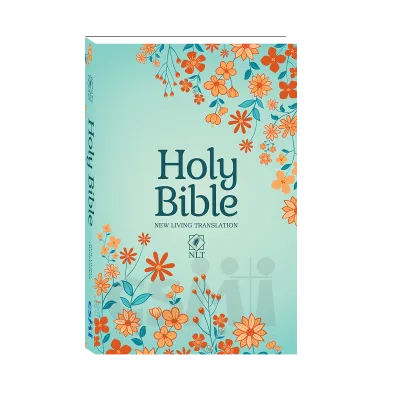
![NLT [New Living Translation] Bible - Old and New Testaments](https://img.lazcdn.com/g/p/fe542869bd319ff2c8017097ba08131c.jpg_400x400q80.jpg_.webp)
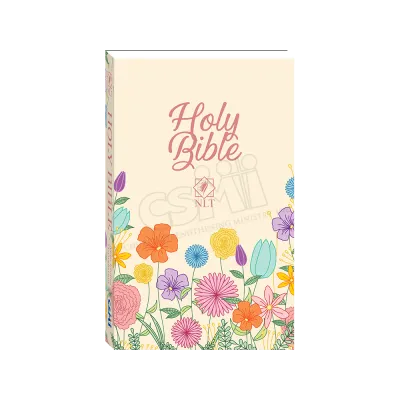
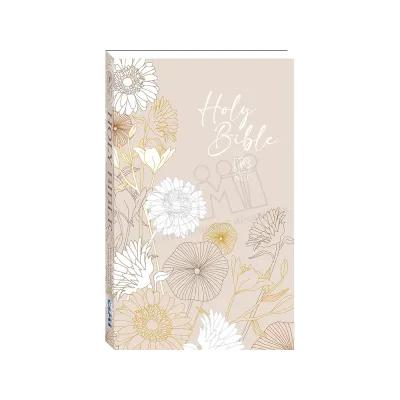
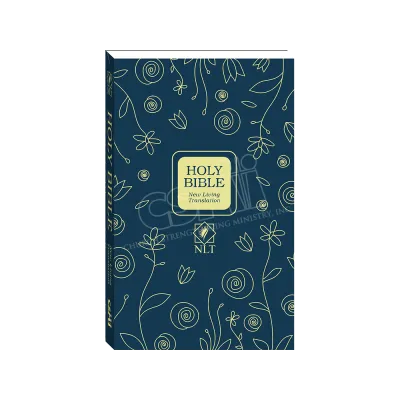
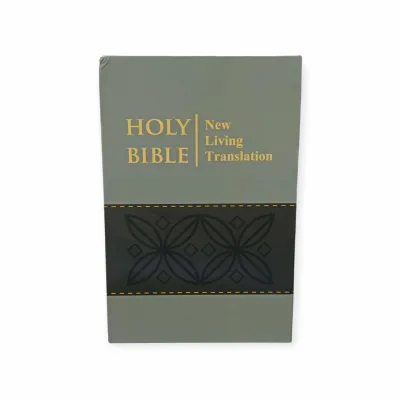
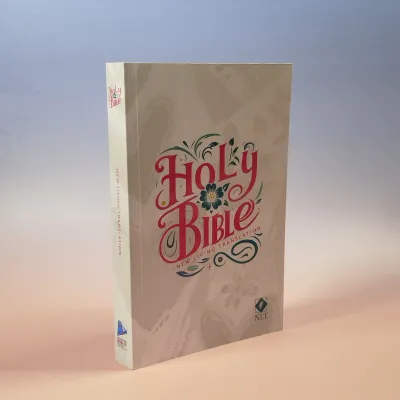
![NLT [New Living Translation] - Old and New Testament: WEDDING (NEW)](https://img.lazcdn.com/g/p/3e458927157d112d86ce1fc97345c95b.png_400x400q80.png_.webp)
Prices are valid at publication and may change. Please refer to the product page for the latest price.
Your physical reading environment also plays a major role in determining the best format. If your devotional time takes place at a dedicated desk or altar at home, a larger, heavier volume is perfectly suitable. If you find yourself reading during a busy daily commute on a bus or train, or if you like to carry your Bible to a local coffee shop or small-group meeting, portability becomes a top priority. A bulky study Bible can quickly become a burden to carry, whereas a compact edition fits easily into a daily bag.
Finally, consider whether you prefer a self-guided reading experience or one that provides structured assistance. Some readers enjoy following a set liturgical calendar or daily reading prompts integrated directly into the pages. Others prefer to keep their Scripture reading entirely separate from external commentary, choosing instead to pair a simple text Bible with a standalone devotional book or a digital app. Identifying these preferences beforehand will narrow down your options significantly.
Compare NLT Editions for Your Devotional Needs
Different NLT editions are designed to serve distinct devotional practices. Understanding how these formats differ structurally will help you choose the one that aligns with your daily spiritual rhythm.

Standard and Thinline Editions
Standard and thinline editions prioritize simplicity and portability. These Bibles present the biblical text in a clean, traditional layout with minimal footnotes or commentary, allowing you to read without visual interruptions. Because they do not contain hundreds of pages of extra study notes, thinline editions are exceptionally lightweight and easy to hold for extended periods.
This format is highly recommended if you prefer to keep your scripture reading uncluttered. It is also the most flexible option if you like to change your devotional guides, journals, or reading plans throughout the year, as you can easily pair a thinline Bible with any external resource of your choice.
Study Bibles
Study Bibles are designed for readers who want immediate access to historical, cultural, and theological context. An NLT study Bible typically surrounds the scripture text with extensive explanatory notes, detailed maps, word studies, and practical application profiles. These resources help clarify difficult passages and provide valuable background information as you read.
While incredibly informative, study Bibles are physically demanding. They are thick, heavy, and often use smaller font sizes to fit both the biblical text and the commentary on a single page. If you plan to read primarily at a desk or table, a study Bible is an excellent tool, but it is rarely comfortable for casual reading in an armchair or during a commute.
Devotional and Journaling Bibles
Devotional and journaling Bibles are tailored for interactive and creative spiritual practices. Journaling editions feature extra-wide margins, often lined, which invite you to write down prayers, take notes, or sketch directly alongside the verses. Devotional editions integrate daily reading plans, thematic reflections, and character profiles directly into the biblical text, guiding your thoughts as you read.
If you choose a journaling or devotional edition, pay close attention to the paper quality. Writing and highlighting require thicker, more opaque paper to prevent ink from bleeding through to the other side of the page. These editions are perfect for those who process their thoughts through writing and want a physical record of their spiritual journey.
Catholic Editions
For Catholic readers, standard Protestant Bible layouts will lack several books used in liturgical readings. An NLT Catholic Edition includes the deuterocanonical books—such as Tobit, Judith, and Wisdom—fully integrated into the Old Testament in their traditional canonical order, rather than grouped in a separate section at the back.
When selecting a Catholic edition, it is important to verify official ecclesiastical approvals. Look at the copyright page for the Imprimatur and Nihil Obstat, which indicate that the translation has been officially reviewed and approved for Catholic study and devotional use. This ensures your daily reading aligns perfectly with parish liturgy and teachings.
Check Physical and Formatting Features Before Buying
The physical construction of a Bible directly impacts how comfortable it is to use daily and how well it will withstand years of wear. Before making a purchase, look closely at the technical specifications of the edition.
Font size and page layout are critical for eye comfort. Standard Bibles often use an 8-point or 9-point font, which can cause eye strain during early morning or late-night reading sessions. If you prefer a more relaxed reading experience, look for “large print” (typically 10-point to 11-point) or “giant print” (12-point or larger) editions. Additionally, decide whether you prefer a single-column layout, which reads like a modern novel, or a traditional double-column layout. Red-letter editions, which print the words of Jesus Christ in red, can help you quickly identify key teachings, though some readers find the color contrast distracting.
In warm, tropical climates, high humidity and daily handling can take a toll on book bindings. Cheap glued bindings can dry out, crack, and cause pages to fall out over time. A Smyth-sewn binding, where the pages are stitched together in sections, is highly recommended because it allows the Bible to lay completely flat when open and offers superior durability. For cover materials, high-quality synthetic covers (often labeled as leather-like, imitation leather, or polyurethane) tend to resist humidity, sweat, and warping much better than basic paper-wrapped hardcovers or low-grade bonded leather.
Paper opacity is another vital factor, especially if you plan to mark your Bible. Because Bible paper is thin to keep the book portable, “ghosting”—where the text on the back of the page shows through—is common. If you enjoy using highlighters, gel pens, or fine-liners, look for editions that explicitly advertise high-opacity paper or a higher paper weight (measured in GSM) to ensure your notes do not ruin the readability of the reverse side.
Match the Edition to Your Spiritual Goals
To finalize your decision, match your primary reading style and physical preferences to the most suitable edition type. Use this quick reference framework to guide your choice:
| Reading Style | Best Edition Type | Key Feature to Verify |
|---|---|---|
| Reflective & Meditative | Standard or Thinline | Clean layout, lightweight, high portability |
| Analytical & Educational | Study Bible | Comprehensive study notes, maps, concordance |
| Interactive & Creative | Journaling Bible | Wide margins, high-opacity paper (high GSM) |
| Liturgical & Catholic | Catholic Edition | Deuterocanonical books, Imprimatur approval |
Before purchasing, always verify the specific translation copyright year on the publisher’s official listing. The NLT has undergone minor updates since its original release to refine accuracy and readability, so checking the edition details ensures you are getting the text version you expect. Finally, check the return policies of your chosen bookstore or online marketplace. Because the physical weight, cover texture, and font legibility of a Bible are highly personal, having the option to exchange the book ensures you find an edition you will truly cherish and use every day.
Frequently Asked Questions (FAQ)
Is the NLT accurate enough for serious daily study?
Yes, the NLT is highly reliable for daily devotional study and personal spiritual growth. Its dynamic equivalence philosophy focuses on translating the original thoughts of the biblical writers into clear, modern English, making complex passages easy to comprehend. However, if your goal is formal academic analysis, Greek and Hebrew word-for-word study, or comparative theological research, you may want to cross-reference your NLT with a formal equivalence (word-for-word) translation.
Can I use a standard NLT Bible with a separate devotional guide?
Absolutely. Pairing a standard or thinline NLT Bible with an external devotional book, a church-provided reading plan, or a mobile application is an excellent approach. This method keeps your Bible pages clean and uncluttered while giving you the flexibility to change your devotional guide or reading plan every year without needing to buy a completely new Bible.
Community discussion
Share your experience or ask a question. Comments are reviewed before publication.