
Choosing a mini drum for kids requires balancing developmental readiness, physical safety, and household practicality. A drum set that is too large can strain a child’s growing joints, while a kit that is too complex can quickly overwhelm a young beginner and lead to frustration. By matching the instrument’s physical dimensions and features to your child’s specific age group, you can foster a genuine love for music while protecting their physical well-being.
Understanding Developmental Needs by Age
Children develop motor skills, coordination, and attention spans at highly variable rates, which directly influences how they interact with musical instruments. For very young children, drumming is primarily an exercise in exploratory play and sensory feedback. They are learning cause and effect—how hard they strike a surface dictates the volume and tone of the sound produced. At this stage, a complex setup with multiple drums and cymbals is unnecessary and distracting. A simple, low-profile configuration allows them to focus on basic hand-eye coordination without feeling lost in a sea of hardware.
As children transition into early school age, their cognitive capacity for structured rhythm learning increases. They begin to understand steady beats, simple patterns, and the concept of keeping time. This developmental shift requires an instrument that can respond to more deliberate physical inputs. Their fine motor skills are maturing, allowing them to transition from whole-arm striking motions to more controlled wrist movements. A drum set for this age group must offer a realistic rebound, helping them develop muscle memory and proper striking techniques that will serve as the foundation for future musical education.
Products mentioned in this guide
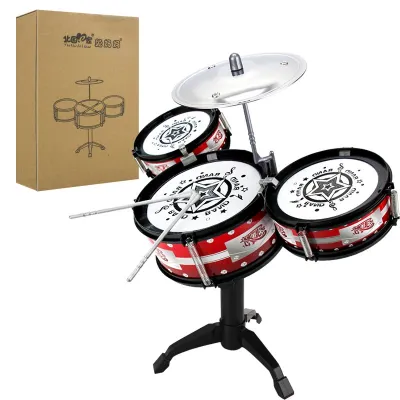
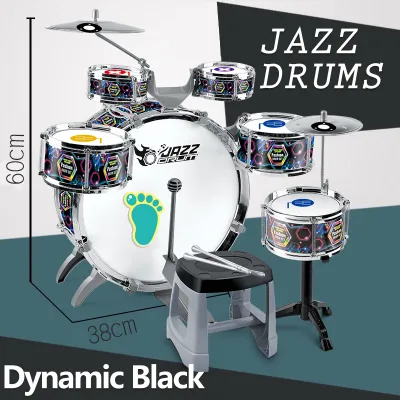
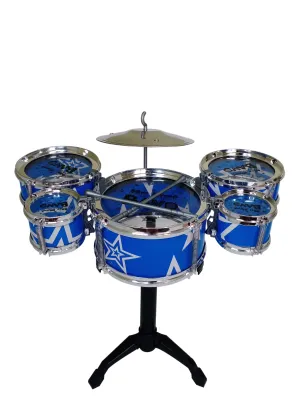
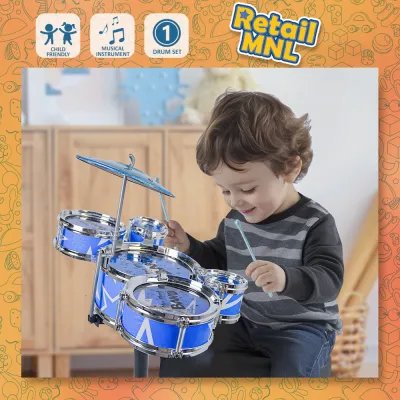
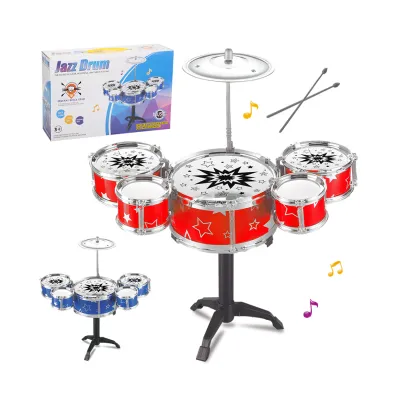
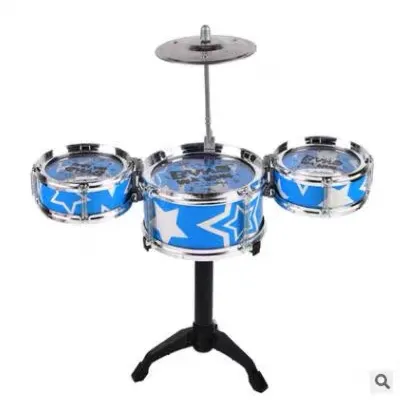
Prices are valid at publication and may change. Please refer to the product page for the latest price.
By the time children reach their pre-teen years, they are physically and mentally prepared for the challenges of independent limb coordination. Playing a standard drum pattern requires the brain to coordinate four separate limbs simultaneously—a task that demands significant focus and physical control. Introducing an overly simplified toy kit to an older child can stifle their progress and make practice feel childish. Conversely, forcing a child to play on an adult-sized kit before they have the physical reach can lead to poor posture, hyperextension of the lower back, and strain on the shoulders and wrists. Selecting a scaled-down, junior-sized kit ensures they can sit comfortably, reach all pedals and cymbals naturally, and focus entirely on mastering their rudiments.
Essential Features to Check on Product Labels
When browsing online marketplaces or visiting local music stores, reading the product specifications carefully is the best way to ensure you are buying a durable, safe, and functional instrument. First, examine the drum shell materials. Many budget-friendly mini drum sets use thin plastic shells, which are lightweight and highly portable but offer poor resonance and limited durability. For a more authentic sound and longer lifespan, look for shells made from wood laminates, such as poplar or basswood. These materials provide a warmer, more realistic tone and can withstand the enthusiastic strikes of a growing child.

Next, verify the type of drumheads installed on the kit. Traditional acoustic mini kits typically feature Mylar or plastic drumheads. These heads offer an authentic rebound and can be tuned using tension rods, allowing you to adjust the pitch and tension. However, they can be quite loud. If noise is a primary concern, look for labels that specify mesh drumheads. Mesh heads significantly reduce the acoustic volume of the strike while still providing a realistic bounce that helps develop proper wrist action. Avoid cheap, non-tensioned rubber pads on acoustic shells, as they offer poor tactile feedback and can cause hand fatigue.
Adjustability is another critical factor that directly impacts your child’s physical health. Check the product description to ensure the drum throne (seat) and the stands for the snare and cymbals are fully height-adjustable. A child should be able to sit on the throne with their feet flat on the floor or pedals, with their thighs parallel to the ground or angled slightly downward. If the throne is too high or too low, it can cause lower back discomfort and hinder pedal control. Additionally, ensure that the kit includes child-sized drumsticks, such as 7A or junior-specific models, which are shorter and lighter than standard 5A sticks, making them easier for small hands to grip and control. Finally, calculate the total cost, including shipping and any necessary accessories like ear protection, to ensure the purchase fits comfortably within your ₱ budget.
Building a Shortlist Based on Age Brackets
To narrow down your options on e-commerce platforms, it is helpful to categorize potential purchases by specific age brackets. Each group has distinct physical limitations and safety requirements that should dictate your final choice. When compiling your shortlist, pay close attention to the overall dimensions of the kit, the weight of the hardware, and the presence of any small, detachable parts that could pose a safety hazard.
Toddlers and Preschoolers (Ages 2–4)
For toddlers and preschoolers, safety and simplicity are the absolute priorities. At this stage, children are still prone to putting objects in their mouths, so it is vital to avoid drum sets with small, easily detachable parts like small wing nuts, tension rods, or plastic caps. Look for integrated, low-profile designs where the drums and cymbals are securely mounted to a single, stable base that is highly resistant to tipping over.
The drum surfaces should be durable and easy to clean, as they will likely be subjected to spills and rough play. Instead of traditional wooden drumsticks, which can have sharp tips or splinter over time, prioritize sets that come with soft, foam-tipped mallets or thick, rounded plastic sticks. These alternative beaters are much safer for young children and help reduce the overall volume of the strikes, protecting both your child’s hearing and your household’s peace.
Early School Age (Ages 5–7)
Children in this age bracket are ready for a transition from simple rhythm toys to introductory drum configurations. Look for basic 3-piece or 4-piece setups, which typically include a bass drum, a snare drum, a single tom-tom, and a small crash cymbal. This simplified layout allows them to learn the fundamental relationship between the hands and feet without becoming overwhelmed by too many options.
Ensure that the bass drum pedal is lightweight and easy to depress, as children’s leg muscles are still developing. The drum throne and stands must offer a wide range of height adjustments to accommodate rapid growth spurts during these years. At this stage, introducing real, tunable Mylar drumheads is beneficial, as it teaches children how to care for and tune their instrument, fostering a deeper sense of ownership and responsibility.
Older Kids and Pre-Teens (Ages 8–12)
Older children and pre-teens require a junior-sized kit that closely mirrors the layout of a standard adult acoustic drum set. A 5-piece configuration—consisting of a bass drum, snare drum, two rack toms, a floor tom, a hi-hat stand, and a crash/ride cymbal—is ideal for this age group. This complete layout allows them to practice standard drum rudiments, play along with their favorite songs, and transition smoothly to a full-sized kit in the future.
Look for kits that feature sturdy, double-braced metal hardware to ensure stability during energetic practice sessions. The cymbals should be made of real brass or bronze alloys rather than cheap sheet metal, as authentic cymbals provide a much better tonal response and are less likely to bend or crack under heavy hitting. Additionally, verify that the drumheads are standard sizes, which makes them easy to replace when they eventually wear out.
Managing Noise, Space, and Safety at Home
Integrating a mini drum set into a home in the Philippines requires careful consideration of noise, space, and environmental factors. Acoustic drum sets are inherently loud, and the high-frequency crack of a snare drum or the low-frequency thud of a bass drum can easily penetrate walls. In dense residential areas, townhouses, or condominiums, this can quickly lead to friction with neighbors. If noise management is a priority, an electronic mini drum set is an excellent alternative. Electronic kits allow your child to practice silently using headphones, keeping the ambient noise limited to the quiet tap of rubber or mesh pads.
Environmental conditions also play a significant role in the longevity of the instrument. The high humidity and tropical climate of the Philippines can cause wooden drum shells to warp and metal hardware to rust over time. To protect your investment, avoid placing the drum set in areas exposed to direct sunlight, dampness, or rapid temperature fluctuations, such as near open windows or directly under air conditioning vents. Regularly wiping down the metal stands and rims with a dry microfiber cloth can help prevent moisture buildup and rust.
Safety should always be your top concern when setting up the instrument. For acoustic kits, hearing protection is non-negotiable. Prolonged exposure to the high decibel levels produced by acoustic drums can cause permanent hearing damage in young children. Equip your child with high-quality, comfortable earmuffs or musician’s earplugs designed specifically for kids. Furthermore, place the drum set on a non-slip rug or carpet. This not only protects your floors from scratches caused by the metal spurs of the bass drum and stands but also prevents the entire kit from sliding away from the child during practice, ensuring a stable and safe playing environment.
Frequently Asked Questions (FAQ)
At what age can a child start using a real drum set instead of a toy?
Most children are physically and cognitively ready to transition from a toy to a real junior drum set around the age of 5 or 6. At this stage, they typically have the physical reach to sit on a drum throne and comfortably operate the bass drum pedal while reaching the snare and cymbals. Cognitively, they can begin to follow simple rhythmic patterns and maintain a steady beat. However, every child develops at their own pace. Before purchasing, always check the manufacturer’s age and weight guidelines printed on the product label to ensure the kit is safe and physically appropriate for your child’s current size.
Do electronic mini drum sets require additional equipment?
Yes, electronic mini drum sets often require several additional accessories that may not be included in the base package. To hear the sounds, your child will need either a pair of headphones or a dedicated drum amplifier. Standard headphones with a 3.5mm plug are common, but many electronic drum modules use a larger 6.35mm (1/4-inch) jack, meaning you may need to purchase a simple adapter. Additionally, verify that the kit comes with the correct power adapter compatible with local 220V electrical outlets. Always review the product description carefully before checkout to confirm which accessories are included and which must be purchased separately.
Community discussion
Share your experience or ask a question. Comments are reviewed before publication.