
Selecting the right guitar strings is one of the most direct ways to influence your instrument’s tone, playability, and overall feel. For guitarists in the Philippines, this decision involves more than just choosing between light and heavy gauges. The local tropical climate, characterized by high relative humidity and warm temperatures, plays a massive role in how quickly metal strings degrade, rust, and lose their tonal brilliance. Whether you are strumming an acoustic guitar on a humid afternoon or playing an electric guitar under stage lights, understanding the technical specifications of your strings is essential to keeping your instrument sounding its best.
The market offers a vast array of guitar accessories, making it easy to feel overwhelmed by the technical jargon on string packaging. From alloy compositions like phosphor bronze and nickel-plated steel to various winding methods and protective coatings, each specification serves a distinct musical and practical purpose. By matching these physical properties to your specific guitar type, playing style, and environmental conditions, you can optimize your playing comfort and avoid unnecessary string changes.
Understanding the Core Differences Between Acoustic and Electric Strings
A common point of confusion for beginners is whether acoustic and electric guitar strings are interchangeable. The short answer is no; these strings are engineered for entirely different physical and electronic environments. Using the wrong type of string can result in poor sound quality, unbalanced volume, or even physical damage to your instrument.
Products mentioned in this guide
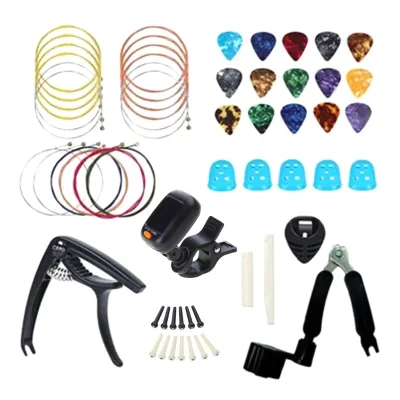
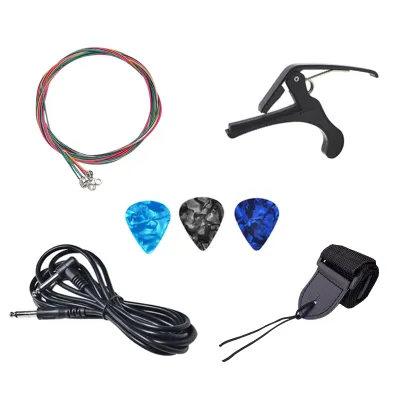
Prices are valid at publication and may change. Please refer to the product page for the latest price.
The primary difference lies in the material composition of the wrap wire. Acoustic guitar strings are designed to project sound mechanically. They rely on the physical vibration of the string to transfer energy through the bridge and into the wooden soundboard of the guitar. To achieve a loud, resonant, and natural acoustic tone, these strings are typically wound with copper alloys, such as bronze or brass. These materials are highly resonant but have low magnetic properties.
In contrast, electric guitars rely on electromagnetic pickups to produce sound. These pickups consist of magnets wrapped in fine copper wire, which create a magnetic field. When a steel or nickel string vibrates within this field, it disturbs the magnetic lines of force, generating a small electrical signal that is sent to an amplifier. Because copper-based acoustic strings are not highly magnetic, an electric guitar’s pickups cannot capture their vibrations efficiently. If you install acoustic strings on an electric guitar, the output will be incredibly quiet, thin, and uneven across the strings.
Furthermore, acoustic and electric strings differ significantly in tension and structural design. Acoustic guitars are built to withstand higher tension, which is necessary to drive the wooden top and produce adequate volume. Consequently, acoustic strings are generally thicker and stiffer. Electric guitars, designed for amplification, do not need to generate mechanical volume. They use thinner, highly flexible strings that allow for easy string bending, vibrato, and fast fretting techniques.
How to Choose Acoustic Guitar Strings for Your Playing Style
When selecting strings for an acoustic guitar, your choice of material and gauge will directly define your instrument’s voice and how much physical effort is required to play it. The two most popular wrap wire materials for acoustic guitars are 80/20 Bronze and Phosphor Bronze, each offering a distinct tonal profile.

80/20 Bronze strings consist of 80 percent copper and 20 percent zinc. They are known for producing an extremely bright, crisp, and metallic tone when first installed. This makes them an excellent match for darker-sounding acoustic guitars, such as those made with mahogany tops, or for players who want their strumming to cut through a dense mix. However, 80/20 Bronze tends to oxidize relatively quickly, meaning that bright “zing” can fade fast, especially in the humid Philippine climate.
Phosphor Bronze strings, made of approximately 92 percent copper and 8 percent tin with a small amount of phosphorus, offer a warmer, richer, and more balanced tone. The addition of phosphorus makes the alloy more resistant to corrosion, helping the strings retain their fresh tone for a longer period. Phosphor Bronze is highly favored by fingerstyle players and those with brighter guitars, such as spruce-topped instruments, as it tames harsh high frequencies and emphasizes warm mid-range tones.
String gauge is another critical factor that balances volume against finger comfort. Acoustic string sets are generally categorized from Extra Light (typically starting at a .010-inch high E string) to Medium (starting at .013). Light sets (.012-.053) are the industry standard for most dreadnought and concert-sized guitars. They offer a balanced compromise, providing enough tension to drive the guitar top for good volume while remaining relatively easy on the fingers.
Given the high humidity in the Philippines, players must also choose between coated and uncoated strings. Uncoated strings are traditional and cost-effective, but they are highly vulnerable to moisture, sweat, and humidity, which cause rapid oxidation and a deadened tone. Coated strings feature an ultra-thin polymer barrier wrapped around the wire. This coating prevents sweat and environmental moisture from penetrating the windings, dramatically extending the life of the strings. While coated strings require a higher initial investment, they save money and maintenance time in the long run by lasting up to three to five times longer.
How to Choose Electric Guitar Strings for Your Tone and Genre
Electric guitarists have a different set of priorities when choosing strings. Because the amplifier shapes a large portion of the final sound, electric strings are selected primarily for their magnetic properties, tactile feel, and how they complement specific musical genres.
The material of the wrap wire is the first consideration. Nickel-Plated Steel is the most popular choice for modern electric guitarists. It combines the bright, high-output magnetic response of steel with the smooth feel and warmth of nickel. This makes it incredibly versatile, suitable for everything from pop and classic rock to heavy metal. For players seeking a warmer, rounder, and more vintage-inspired tone, Pure Nickel strings are an excellent option. They emphasize the mid-range and are highly favored by jazz, blues, and classic rock enthusiasts. On the other end of the spectrum, Stainless Steel strings offer an incredibly bright, biting tone with maximum sustain. They are highly magnetic and exceptionally resistant to corrosion, making them a great choice for metal guitarists and players with highly acidic sweat.
String gauge selection for electric guitars is closely tied to playability and tuning stability. Super Light sets (.008 or .009) have very low tension, making them incredibly easy to bend and play. They are perfect for lead guitarists who perform frequent solos, wide vibratos, and fast runs, as well as beginners building hand strength. Regular Light sets (.010-.046) are the most common standard, offering a balanced feel with slightly more resistance and a thicker tone. Heavy sets (.011 or .012) are preferred by rhythm players and those who use drop tunings. The thicker strings maintain proper tension at lower pitches, preventing the strings from becoming floppy and causing excessive fret buzz.
The winding method also plays a major role in the texture and tone of electric strings. Roundwound strings are the standard design, featuring a round wrap wire wound around a hex core. They have a textured surface that produces a bright, punchy sound with plenty of sustain, though they generate noticeable finger-sliding noise. Flatwound strings feature a flat, ribbon-like wrap wire, resulting in a completely smooth surface. They produce a very warm, dark, and mellow tone with virtually no finger noise. Flatwounds are the traditional choice for jazz guitarists and retro surf-rock players who want a smooth, thumpy bass response.
Key Specifications to Check Before Buying Guitar Strings
Before purchasing any guitar accessories, it is vital to verify compatibility with your specific instrument. Buying the wrong set of strings can lead to poor performance, setup issues, or irreversible structural damage to your guitar.
The most critical safety check involves classical guitars. Classical guitars are designed exclusively for nylon strings. You must never install steel strings (whether acoustic or electric) on a classical guitar. Classical guitars are built with lightweight internal bracing and do not contain an adjustable steel truss rod inside the neck to counteract high tension. The tension of a steel string set is more than double that of a nylon set. Installing steel strings on a classical instrument will warp the neck, lift the bridge off the soundboard, and potentially destroy the guitar beyond repair. Always double-check the packaging to ensure you are buying nylon strings for a classical guitar and steel strings for an acoustic or electric guitar.
Next, verify the bridge and tailpiece compatibility of your instrument. Most standard acoustic and electric guitars require ball-end strings, where a small brass ball is secured to the end of each string to anchor it inside the bridge pin or tailpiece. However, some specialized instruments, such as certain archtop guitars, gypsy jazz guitars, or vintage models, require loop-end strings. Ensure the string ends match your guitar’s bridge design before opening the package.
Finally, pay close attention to the specific gauge numbers printed on the packaging. If you are replacing strings on a guitar that is already set up and playing well, it is usually best to stick to the same gauge. Changing to a heavier or lighter gauge alters the total tension on the neck. This change can cause the neck to bow forward or backward, affecting the action (the height of the strings above the fretboard) and causing fret buzz.
Maintenance and Replacement Signals for Guitar Strings
Even the highest-quality guitar strings will eventually degrade. Recognizing the physical and auditory signs of worn-out strings, combined with a consistent maintenance routine, will keep your guitar sounding fresh and prevent unexpected string breaks during a performance.
There are several clear, observable signals that your strings need to be replaced. The most obvious is a loss of tonal brightness and sustain; if your guitar suddenly sounds dull, muddy, or lifeless, the strings have likely accumulated dirt and oxidized. Physical signs include visible rust, dark spots along the underside of the strings where they contact the frets, or a rough, scratchy texture. You may also notice intonation issues, where the guitar is perfectly in tune when playing open strings but sounds noticeably out of tune as you play higher up the neck. Lastly, if your strings struggle to stay in tune or begin to feel stiff and brittle, it is time for a fresh set.
To maximize the lifespan of your guitar accessories, establish simple maintenance habits. Always wash your hands thoroughly with soap and water before playing to remove natural skin oils, sweat, and dirt. After every playing session, take a clean, dry microfiber cloth and wipe down each string individually, sliding the cloth underneath the strings to clean the underside as well. This simple step removes the moisture and sweat that accelerate rust.
Additionally, consider using a dedicated string conditioner or lubricant. These products leave a microscopic protective barrier on the metal, reducing friction and slowing down oxidation. In the Philippines, where high humidity is a constant challenge, storing your guitar in a high-quality gig bag or hard case with a silica gel packet or a humidity-control pack can significantly extend string life. Rather than following a strict calendar schedule, adjust your replacement frequency based on your actual playing hours and environmental conditions.
Frequently Asked Questions (FAQ)
Can I use acoustic strings on an electric guitar?
While you can physically install acoustic strings on an electric guitar, it is highly impractical. Acoustic strings are wound with bronze or brass alloys, which are not magnetic. Because electric guitar pickups rely on magnetic induction to capture string vibrations, they will not detect the wound acoustic strings properly. This results in an extremely weak, quiet, and unbalanced sound, where the plain steel strings (high E and B) sound much louder than the wound strings.
What string gauge is best for beginners?
For beginners, lighter string gauges are highly recommended. On an electric guitar, a Super Light (.009-.042) set is ideal, while a Custom Light (.011-.052) set is best for an acoustic guitar. Lighter strings require less finger pressure to fret notes cleanly, which minimizes finger pain and helps beginners build calluses gradually without hand fatigue. The minor trade-offs include slightly less volume and a higher susceptibility to fret buzz if the guitar is not set up correctly.
Do coated strings really last longer?
Yes, coated strings last significantly longer than uncoated strings. The ultra-thin polymer coating acts as a physical shield, preventing sweat, skin oils, and atmospheric moisture from settling into the gaps of the wound strings. This is especially beneficial in humid tropical climates like the Philippines. While they have a slightly higher upfront cost and may feel slightly different to some players, they maintain their bright tone and structural integrity for months, making them highly cost-effective.
Community discussion
Share your experience or ask a question. Comments are reviewed before publication.