
Choosing your first guitar pick is one of the most important early decisions you will make as a musician. A beginner should start with a medium-thickness guitar pick, typically between 0.60 mm and 0.80 mm, made of nylon or celluloid in a standard teardrop shape. This middle-ground specification provides enough flexibility for smooth acoustic strumming while retaining the stiffness needed to learn single-note picking on electric or acoustic guitars.
In the tropical climate of the Philippines, where high humidity can make your hands sweaty during long practice sessions, choosing a pick with a textured grip or a forgiving material is crucial. Starting with an extreme thickness—either paper-thin or rock-hard—often leads to poor hand posture, dropped picks, and unnecessary frustration. By starting with a balanced, versatile option, you can focus on building muscle memory and basic techniques before experimenting with specialized gear.
Why Your First Guitar Pick Matters
The guitar pick acts as the primary bridge between your physical movement and the guitar strings. When you are first learning to play, your hand coordination is still developing, and your grip is naturally prone to tension. A pick that is too stiff can feel like an unyielding block of wood, causing the strings to catch and the pick to fly out of your fingers. Conversely, a pick that is too thin will bend completely, making it difficult to play individual notes or keep accurate time.
Products mentioned in this guide
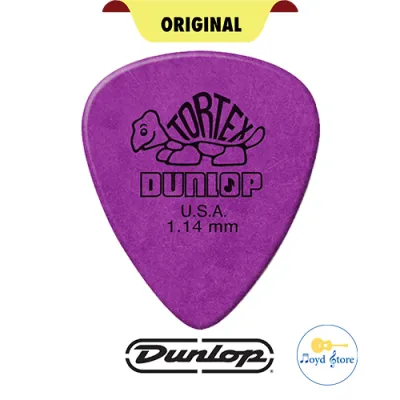
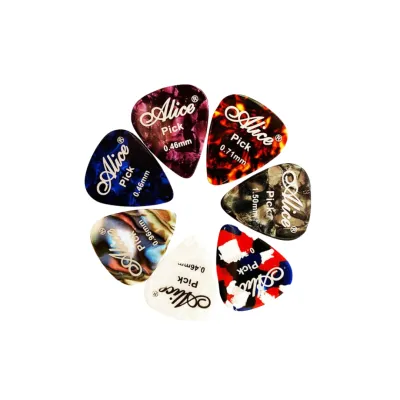
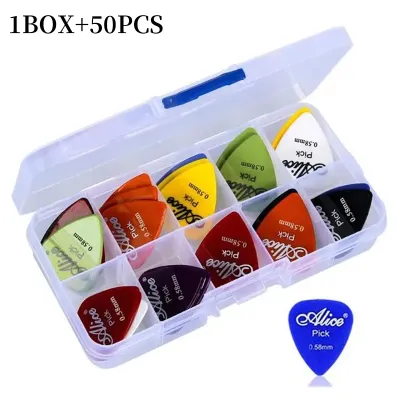

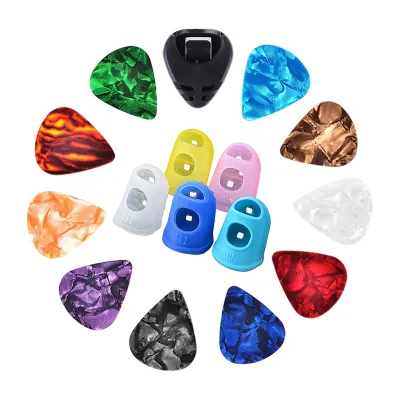

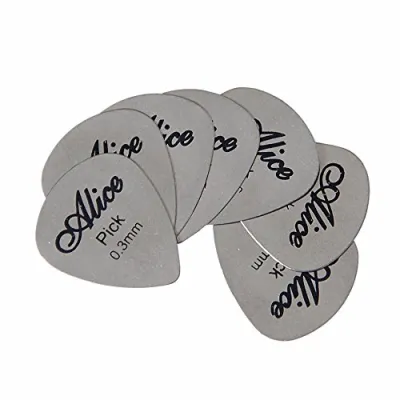
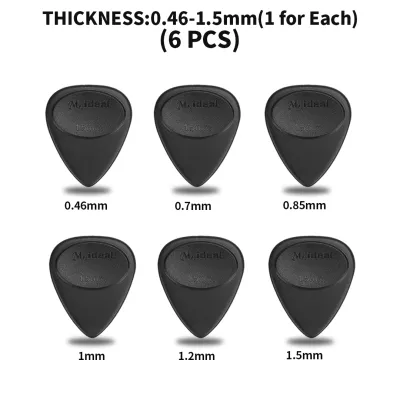
Prices are valid at publication and may change. Please refer to the product page for the latest price.
Developing a relaxed grip is essential for preventing wrist fatigue and long-term strain. The right pick helps you achieve this by providing tactile feedback. When you strike a string, the vibration travels up the pick into your thumb and index finger. This feedback helps your brain gauge how much force is required to produce a clear sound. If your pick is too flexible, you lose this feedback; if it is too rigid, the impact can be jarring to an untrained hand.
Environmental factors also play a significant role in how a pick performs. In warm, humid conditions, smooth plastic picks can easily slip out of position, forcing you to squeeze tighter than necessary. This extra tension can travel up your forearm and hinder your wrist movement. Selecting a pick that accommodates these conditions ensures that your practice sessions remain productive rather than frustrating.
Finally, the pick you choose directly influences your tone. Even on a basic beginner guitar, different picks produce vastly different sounds. A thin pick creates a bright, clicky sound that works well for light strumming but lacks low-end warmth. A thicker pick produces a darker, fuller tone with more volume. Understanding this relationship early on helps you train your ears alongside your fingers, making your practice sessions much more engaging.
Core Specifications to Evaluate
To find the right pick, you need to understand the physical characteristics that define them. These variables interact to determine how the pick feels in your hand and how it behaves when contacting the strings.

Thickness and Flexibility
Guitar pick thickness is measured in millimeters and generally falls into four broad categories: extra thin, thin, medium, and heavy. For beginners, understanding these measurements is key to selecting a tool that matches your current skill level.
Thin picks (under 0.60 mm) are highly flexible and bend easily when dragged across the strings. This flexibility makes them incredibly forgiving for rhythmic acoustic strumming, as the pick naturally yields to the resistance of the strings. However, they offer very little control for individual notes or solos because the tip bends too much, causing a noticeable delay between your hand movement and the actual sound.
Medium picks (0.60 mm to 0.80 mm) are the universal sweet spot for beginners. They offer a balance of bend and resistance, allowing you to transition between strumming chords and picking single notes without changing gear. This thickness forces you to develop a controlled picking motion without putting excessive strain on your fingers.
Heavy picks (0.80 mm to 1.20 mm and above) are very stiff and offer virtually no flex. They provide immediate response and maximum volume, which is ideal for electric guitar lead playing, jazz, and bass. However, they require a highly controlled, relaxed grip to avoid snagging the strings, making them more challenging for absolute beginners to control.
Material and Surface Texture
The material of a guitar pick determines its durability, flexibility, grip, and tone. While there are dozens of materials available, three dominate the market and are highly accessible to beginners.
Celluloid is the classic choice and has been used for decades. It mimics the feel of traditional tortoise shell, offering a bright attack and a smooth release from the strings. Celluloid picks are widely available and come in a variety of colorful designs. However, they can become slippery when wet or sweaty, so beginners in warm climates may need to look for textured versions or prepare to wipe their hands frequently.
Nylon is highly durable and naturally flexible. Nylon picks are unique because they can be made very thin without becoming brittle. They often feature molded-in raised grips or textured surfaces, making them exceptionally easy to hold even during humid afternoon practice sessions. They tend to produce a warmer, softer tone compared to celluloid.
Delrin, often branded under various proprietary names, is known for its matte, powdery texture that provides excellent natural grip. These picks wear down very slowly and offer a balanced, clean tone. The matte finish is highly effective at resisting sweat, making it a favorite for players who struggle with keeping a secure hold on their pick.
Recommended Pick Profiles for Beginners
When shopping at local music stores or online marketplaces, the sheer volume of options can be overwhelming. Focusing on these three specific profiles will help you narrow down your choices.
The Standard Medium Profile
The standard medium profile consists of a classic teardrop shape (often referred to as the 351 shape) with a thickness of approximately 0.71 mm or 0.73 mm. This is the universal baseline for guitarists worldwide and is highly recommended as your very first pick.
This profile fits comfortably in almost any hand size and works equally well on nylon-string classical guitars, steel-string acoustics, and electric guitars. It provides enough stiffness to produce a clear, articulate tone when playing single notes, yet retains enough flexibility to glide smoothly over the strings during chord strumming.
Using a standard medium pick forces you to develop a balanced picking technique. It does not mask poor form; instead, it provides clear physical feedback when you strike the strings too hard or at an incorrect angle. Mastering this pick ensures that you can easily adapt to other styles later on.
The Heavier Profile for Bass and Strumming
If you are starting your musical journey on the bass guitar, or if you are focusing strictly on heavy rhythm patterns on an electric guitar, a heavier profile around 0.88 mm to 1.0 mm is highly beneficial.
Bass strings are much thicker and under higher tension than guitar strings. A thin pick will simply bend against a bass string without moving it, resulting in a weak, thin sound. A heavier pick provides the structural rigidity needed to pluck thick strings cleanly, producing a punchy, consistent low-end tone.
For electric guitar players, a slightly heavier pick teaches you to control your dynamics using your wrist rather than relying on the pick’s flexibility. It encourages precise, deliberate movements and helps you build hand strength. However, you must consciously practice keeping your wrist loose to avoid a stiff, robotic playing style.
The Lighter Profile for Acoustic Strumming
For beginners who are focusing primarily on acoustic rhythm guitar, campfire-style strumming, or accompanying their own singing, a lighter profile around 0.50 mm to 0.60 mm is an excellent choice.
Steel-string acoustic guitars require a lot of energy to project sound, and beginner strumming can often sound harsh or uneven. A thin, flexible pick acts as a natural compressor. It smooths out the volume differences between your downstrokes and upstrokes, preventing the jarring, scraping noises that often occur when a stiff pick hits heavy acoustic strings.
While excellent for smooth, airy strumming, this profile will feel floppy and unresponsive if you try to play fast scales or individual note runs. It is a specialized tool for rhythm rather than an all-rounder, but it is highly effective for building confidence in your strumming hand.
How to Build Your First Pick Variety Pack
Instead of buying a large bulk pack of a single pick type, the smartest approach for a beginner is to build or purchase a variety pack. This allows you to experiment with different thicknesses, materials, and textures to find what feels best in your hand.
When visiting a local music store or browsing an online marketplace, look for multi-packs that include a range of thicknesses from 0.50 mm to 1.0 mm. Ensure the pack contains a mix of nylon, celluloid, and matte-finished picks. This small investment gives you a complete toolkit to test as your technique develops.
To get the most out of your variety pack, use a systematic testing method. Spend your first week of practice using only the thinnest pick to get comfortable with the basic motion of strumming. In the second week, switch to the medium pick and observe how the extra stiffness changes the volume, clarity, and physical feedback of your chords. In the third week, try the heaviest pick for single-note exercises or scale practice.
Your preferences will inevitably change as your hand strength and technique improve. A pick that feels too stiff today might feel perfect in a month. Having a variety pack ensures you always have the right tool on hand as your skills evolve, saving you from making multiple small purchases. Keep your picks in a small container or pouch, as they are notoriously easy to lose around the house.
Common Beginner Mistakes to Avoid
One of the most common errors beginners make is gripping the pick too tightly. This usually happens because the pick feels like it is about to slip out of your fingers. Squeezing the pick tightly causes hand cramps, stiff wrist movement, and a harsh, unpleasant tone. The pick should be held securely but lightly, allowing it to pivot slightly between your thumb and index finger.
Another mistake is using the wrong pick for the instrument. Trying to play a bass guitar with an ultra-thin pick, or attempting aggressive acoustic strumming with an ultra-thick, unyielding pick, will hinder your progress. Always match the pick’s stiffness to the tension of the strings you are playing.
Beginners also tend to ignore wear and tear. Guitar picks are consumable items that wear down over time. As you play, the edges get scratched, chipped, or rounded off. Playing with a damaged pick can snag on the strings and ruin your playing experience. Inspect your picks regularly and discard any that show signs of jagged edges.
Finally, avoid buying expensive boutique picks too early in your journey. Exotic materials like wood, bone, or heavy hand-beveled acrylics are excellent for advanced players but unnecessary for beginners. Stick to affordable, standard materials while you are still developing your basic technique and, inevitably, losing picks under the couch.
Frequently Asked Questions (FAQ)
How often should a beginner replace their guitar pick?
Replacement frequency depends on how often you practice and the material of the pick. On average, a beginner practicing 30 minutes a day should inspect their pick every few weeks.
Look for physical signs of wear, such as a rounded tip that was once pointed, rough or jagged edges, or visible stress fractures in the plastic. If the pick feels scratchy against the strings or slips out of your hand because the texture has worn smooth, it is time to replace it. Since basic picks are highly affordable, typically costing around ₱15 to ₱50 each, keeping a fresh supply is an easy way to maintain a good playing experience.
Can I use a coin or other household items as a guitar pick?
Using coins or other household items as a guitar pick is highly discouraged for beginners. While it might seem like a quick alternative, these items lack the proper bevel, flexibility, and texture of a dedicated guitar pick.
Metal coins are completely rigid and can easily scratch your guitar’s finish, damage the pickguard, or cause premature wear and breakage of your guitar strings. Furthermore, the weight and thickness of a coin will force you to grip too tightly, hindering your wrist flexibility and building bad habits. Investing in proper, inexpensive guitar picks is essential for developing correct technique from day one.
Community discussion
Share your experience or ask a question. Comments are reviewed before publication.