
Finding peace in a fast-paced world often requires a shift in how we approach personal growth. In the Philippines, where the demands of daily commuting, work, and family life can easily lead to emotional exhaustion, many readers are turning to a softer form of literature. A gentle reminder book offers a comforting alternative to traditional self-help, focusing on self-compassion, emotional validation, and slow healing rather than aggressive productivity or rigid life overhauls.
Choosing the right book for your self-healing journey involves aligning the text’s core themes with your current emotional state, selecting a format that fits your lifestyle, and verifying the authenticity of your purchase. Whether you are navigating burnout, healing from a difficult transition, or simply seeking a quiet moment of reflection at the end of a long day, these books serve as quiet companions. By understanding what to look for, you can find a volume that truly resonates with your personal path toward healing.
Understanding the Gentle Reminder Approach to Self-Help
Traditional self-help literature often operates on a model of optimization. These books frequently demand immediate action, presenting structured multi-step plans, early morning routines, and aggressive goal-setting frameworks designed to maximize efficiency. While this directive style can be motivating for some, it can also induce guilt and anxiety in those who are already experiencing burnout or emotional fatigue. For a reader who is overwhelmed, being told to completely restructure their life can feel like another chore on an already exhausting to-do list.
Products mentioned in this guide


Prices are valid at publication and may change. Please refer to the product page for the latest price.
In contrast, the gentle reminder genre prioritizes comfort, acceptance, and gradual reflection. Instead of commanding change, these books offer validation for where you currently stand in your journey. They remind you that it is acceptable to rest, to feel uncertain, and to heal at your own pace. The tone is conversational, empathetic, and deeply supportive, acting more like a comforting friend than a demanding coach.
Structurally, these books are designed for low-pressure reading. They typically feature short essays, prose poems, brief paragraphs, or single-sentence reminders paired with generous white space and minimalist illustrations. This layout allows you to open to any page and find a complete, digestible thought without needing to commit to long, dense chapters. It is a format that respects your limited mental energy, making it highly accessible during periods of high stress.
This approach is particularly suited for individuals dealing with emotional exhaustion, grief, or transitional phases in life. If you find yourself constantly striving to meet external expectations or struggling with self-criticism, a gentle reminder book provides a safe space to practice self-compassion. It encourages you to slow down, breathe, and acknowledge your feelings without immediate judgment or the pressure to ‘fix’ them right away.
Key Themes to Explore in Self-Healing Literature
Not all self-healing books address the same emotional needs, so identifying the primary theme of a book can help you choose one that aligns with your current state.

Mindfulness and Daily Grounding Books centered on mindfulness aim to pull you out of anxious loops about the future or regrets about the past, anchoring you firmly in the present moment. They focus on finding beauty in ordinary routines, appreciating small sensory details, and cultivating a sense of calm amidst daily chaos. For instance, classic works like The Things You Can See Only When You Slow Down by Haemin Sunim illustrate this theme by encouraging readers to pause and notice the quiet spaces in a busy life. These books are ideal if you struggle with overthinking or feel overwhelmed by the sheer speed of modern life.
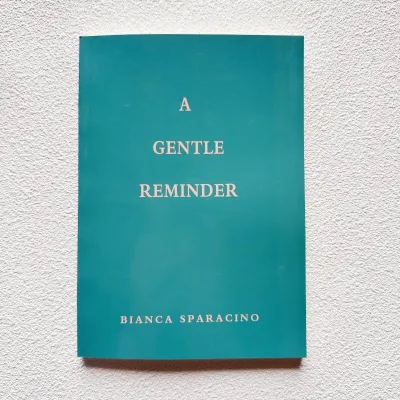
Emotional Processing and Self-Compassion This theme focuses on validating difficult emotions rather than suppressing them. These books explore grief, heartbreak, loneliness, and the feeling of being left behind, offering reassurance that these experiences are a natural part of being human. A classic example of this style is A Gentle Reminder by Bianca Sparacino, which gently guides readers through the process of letting go, accepting vulnerability, and learning to love oneself again. If you are recovering from a personal loss, a relationship ending, or a period of deep self-doubt, books in this category provide the emotional validation needed to heal.
Gentle Habit Building Some gentle reminder books touch upon daily routines, but they do so through a lens of self-care rather than rigid discipline. They promote sustainable, low-stakes habits like keeping a gratitude journal, taking short walks, or setting soft boundaries with others. The focus is on consistency over perfection, encouraging you to build routines that nourish your mental health rather than exhaust your physical body. These guides are excellent for those who want to rebuild their daily structure slowly, without the pressure of traditional productivity metrics.
Evaluating Book Formats and Reading Preferences
The physical or digital format of your chosen book plays a significant role in how effectively you can integrate its messages into your daily life.
Physical books, whether hardcover or paperback, offer a tactile grounding experience that digital screens often fail to replicate. Holding a physical book, turning its pages, and feeling the texture of the paper can be a therapeutic ritual in itself. For many readers, a physical copy also serves as a journal; the wide margins and spacious layouts of gentle reminder books invite you to write down your own thoughts, highlight comforting passages, or sketch in the margins. However, in the tropical climate of the Philippines, physical books require careful maintenance. High humidity can cause pages to yellow, warp, or develop foxing and mold over time. If you prefer physical copies, storing them in well-ventilated areas away from direct sunlight and using silica gel packets on your bookshelves can help preserve their condition.
E-books and audiobooks offer distinct advantages, particularly for those with active lifestyles or long daily commutes. Reading an e-book on a dedicated e-reader or smartphone allows you to carry an entire library with you, making it easy to access a quick comforting passage during a crowded transit ride or a lunch break. Audiobooks, on the other hand, provide a completely screen-free experience that is perfect for winding down at night. Listening to a narrator read soothing passages in a calm, steady voice can help ease physical tension and prepare your mind for sleep.
When choosing a format, it is also essential to consider the visual layout of the book. Gentle reminder literature relies heavily on visual spacing, font choices, and illustration density to convey its calming effect. A layout with cramped text and minimal margins can feel overwhelming, defeating the purpose of a low-pressure reading experience. If possible, preview a few pages online or flip through a copy in a local bookstore to ensure the font size, line spacing, and visual flow feel comfortable to your eyes.
Purchasing and Verification Checklist for Local Buyers
To ensure you receive a high-quality, complete edition of your chosen book, it is important to navigate the local purchasing landscape carefully. Use this checklist to verify your purchase when shopping in physical bookstores or online marketplaces in the Philippines.
- Edition and Language Verification: Always check the publication details before finalizing your purchase. Verify the publication date, the publisher's name, and, if applicable, the translator's credentials. Do not rely solely on the cover art, as publishers often release multiple editions with different covers but identical content, or conversely, unauthorized printings may copy popular cover designs while omitting pages or containing poor-quality print. Ensure the language matches your preference and that the edition is listed as unabridged and complete.
- Format and Device Compatibility: If you are purchasing digital or audio versions, pay close attention to file formats and regional restrictions. Some digital platforms enforce Digital Rights Management (DRM) or region locks that may prevent the book from loading on your specific e-reader or device in the Philippines. Verify that the file format (such as EPUB or PDF) is fully compatible with your reading application before completing the transaction.
- Seller Authenticity: The popularity of the gentle reminder genre has led to a rise in unauthorized, pirated, or poorly scanned physical copies sold online. These counterfeit books often suffer from missing pages, blurry text, misaligned printing, and fragile bindings that fall apart quickly. To avoid these issues, purchase directly from authorized local bookshops, official brand stores on major ecommerce platforms, or reputable independent local distributors. Look for official seller badges, read customer reviews carefully, and be wary of listings with unusually low prices.
- Price and Budgeting: Establish a realistic budget based on standard retail prices. In the Philippines, authorized paperback editions of imported gentle reminder books typically range from ₱400 to ₱900, while hardcovers can range from ₱800 to ₱1,500 or more, depending on the publisher and import costs. If you encounter a listing offering a popular title for an incredibly low price (such as under ₱150), it is highly likely to be an unauthorized counterfeit copy. Investing in an authentic copy ensures you receive a durable book while supporting the authors and creators behind the work.
Frequently Asked Questions (FAQ)
How often should I read a gentle reminder book to see personal growth?
Gentle reminder books are designed to be digested slowly rather than read in a single sitting. Because they focus on reflection and emotional grounding, reading just one or two pages a day is often more effective than rushing through entire chapters. You can easily integrate this practice into your daily routine by pairing it with an existing low-stakes habit. For example, try reading a single passage alongside your morning coffee, or open a page as part of your evening wind-down routine before sleep. This consistent, bite-sized approach allows the messages to settle into your thoughts gradually, fostering long-term self-compassion without adding pressure to your day.
Can gentle reminder books replace professional therapy or counseling?
No, gentle reminder books are not a substitute for professional mental health care. While these books offer comfort, validation, and helpful perspective shifts for daily stress, burnout, or mild emotional fatigue, they do not provide clinical diagnosis, structured treatment plans, or professional psychological support. If you are experiencing severe trauma, persistent clinical depression, debilitating anxiety, or a mental health crisis, it is essential to seek guidance from a licensed psychologist, counselor, or psychiatrist in the Philippines. These books are best used as complementary tools to support your personal reflection alongside professional care when needed.
Community discussion
Share your experience or ask a question. Comments are reviewed before publication.