
Starting your musical journey with a drum set is an exciting milestone, but finding the right entry-level kit requires balancing space, budget, and long-term usability. For absolute beginners, the ideal drum set is one that fits comfortably within your living environment, withstands consistent practice, and provides a realistic playing feel to help you build proper technique. By understanding the fundamental differences between acoustic and electronic setups, evaluating hardware durability, and choosing the correct configuration, you can make an informed investment that supports your learning for years to come.
Choosing your first instrument is not just about finding an affordable option; it is about selecting a tool that keeps you motivated. A drum set that is difficult to tune, constantly slips out of position, or produces an unpleasant sound can quickly discourage a new player. Taking the time to understand the technical specifications and physical requirements of different kits will help you avoid common pitfalls and ensure a smooth introduction to the world of percussion.
Acoustic vs. Electronic: Matching the Drum Set to Your Space
Acoustic drum sets are the traditional choice, offering an organic playing experience that electronic kits strive to replicate. However, they are naturally loud instruments, often producing sound levels that exceed 110 decibels. In the Philippines, where many families live in close-quarters subdivisions, townhouses, or high-rise condominiums, the high volume of an acoustic kit can easily lead to noise complaints from neighbors. Additionally, the tropical climate and high humidity can cause wooden drum shells to expand or warp over time, meaning you must store an acoustic kit in a well-ventilated, dry area away from direct sunlight.
Products mentioned in this guide
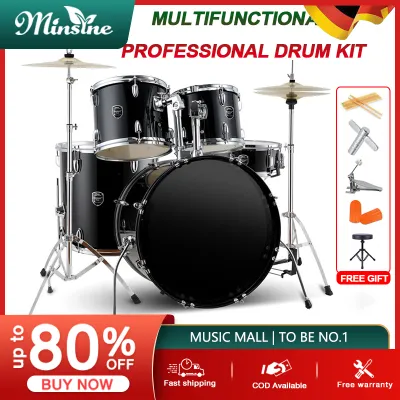
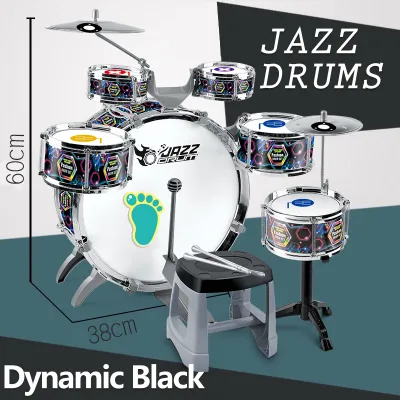
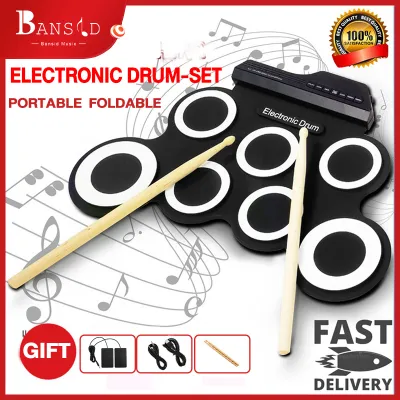
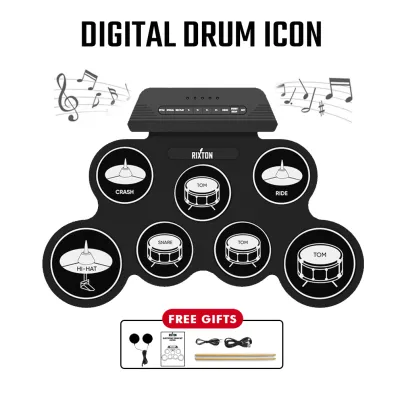
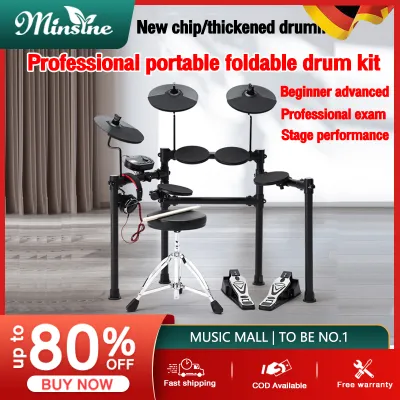
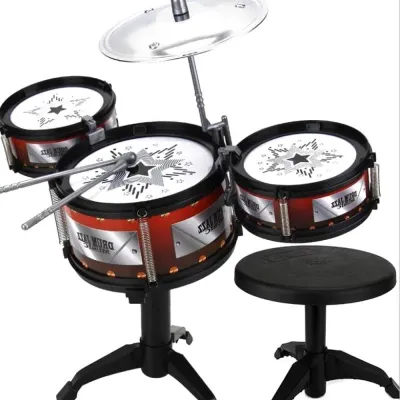
Prices are valid at publication and may change. Please refer to the product page for the latest price.
If you opt for an acoustic kit but need to manage the volume, you will need to consider acoustic treatment or temporary dampening solutions. Placing a thick rug under the drum set can help absorb low-frequency vibrations that travel through floors, while heavy curtains can reduce high-frequency echo within the room. You can also purchase rubber mute pads that sit directly on top of the drumheads and cymbals, significantly reducing the volume while allowing you to practice the same physical movements.
Electronic drum sets offer a highly practical alternative for noise-sensitive environments. These kits allow you to plug in a pair of headphones, keeping the sound of your practice sessions almost entirely silent to the outside world. The only noise produced is the physical tapping of your sticks on the pads, which is easily masked by closed doors. Furthermore, electronic drum modules come packed with helpful learning tools, such as built-in metronomes, coaching programs, and auxiliary inputs that let you play along with your favorite songs directly from your phone or tablet.
The physical feel and response of the drumheads are critical factors in early skill development. Acoustic drums feature tensioned mylar or plastic heads that provide a natural rebound, helping you learn how to control your drumsticks and execute double-strokes or rolls. Among electronic kits, you will choose between rubber pads and mesh heads. Mesh heads are highly recommended for beginners because they can be tensioned with a standard drum key to mimic the rebound of an acoustic drum, whereas rubber pads are stiff, offer less realistic rebound, and can cause wrist fatigue during long practice sessions.
Key Components to Evaluate in an Entry-Level Drum Set
When shopping for a beginner drum set, it is easy to get distracted by shiny finishes or the sheer number of pieces. However, the longevity of your kit depends on the quality of its core components. A reliable entry-level package should feature durable wood shells, stable hardware that does not wobble during play, and functional cymbals that allow you to practice basic patterns. Evaluating these components beforehand ensures you do not end up with a kit that breaks down after a few months of enthusiastic practice.

Shell Materials and Construction
Entry-level acoustic drum shells are typically constructed from affordable hardwoods like poplar or basswood. Poplar offers a balanced, warm tone with a soft high-end, while basswood provides a slightly boosted low-end response. Both materials are durable and lightweight, making them excellent choices for beginners.
Beyond the wood type, pay close attention to the bearing edges—the top and bottom edges of the drum shell where the drumhead makes contact. High-quality shells feature smooth, round, and consistent bearing edges. If the bearing edge is uneven or rough, the drumhead will not seat properly, making it incredibly difficult to tune the drum or keep it in tune over time.
Hardware Durability and Cymbal Quality
The hardware—including the snare stand, hi-hat stand, cymbal stands, and bass drum pedal—is the backbone of your drum set. Look for double-braced legs on all stands, as they offer significantly more stability and prevent the stands from tipping over during energetic play. Secure memory locks are also valuable, as they lock your height adjustments in place and save setup time.
Most entry-level acoustic packages include a basic set of brass or alloy cymbals. While these stock cymbals are excellent placeholders for learning basic coordination and timing, they generally lack the rich tone and durability of professional bronze cymbals. Expect to treat these initial cymbals as temporary tools, planning to upgrade to higher-quality bronze options once your technique improves and you begin playing with other musicians.
Sizing and Configuration: What a Beginner Actually Needs
A standard 5-piece drum set is widely considered the industry standard for learning. This configuration consists of a snare drum, a bass drum (kick drum), two rack toms, and one floor tom. This setup provides the full range of high, mid, and low voices needed to play almost any genre of music, from rock and pop to jazz and blues. Learning on a standard 5-piece kit ensures that the muscle memory you develop will easily transfer to other drum sets in rehearsal studios or performance venues.
For adult beginners and older teenagers, standard drum diameters are crucial for comfortable reach and proper ergonomic setup. A typical configuration includes a 22-inch bass drum, 10-inch and 12-inch rack toms, a 16-inch floor tom, and a 14-inch snare drum. These sizes allow for standard tuning ranges and provide a comfortable physical layout that prevents you from straining your back or shoulders while reaching for different drums.
While “junior” or highly compact drum kits might seem appealing due to their lower price and smaller footprint, they can severely limit physical growth and technique development for older beginners. Junior kits are designed specifically for very young children and feature much smaller diameters and lower heights. Older players using these kits often struggle with cramped leg positioning and poor posture, which can lead to discomfort and bad habits that are difficult to break later on.
Building Your Shortlist: What to Verify Before Buying
Before finalizing your purchase from a local music store or an official online brand store, it is essential to verify exactly what is included in the box. Many beginner drum sets are sold as “complete” packages, but some may omit crucial accessories. Ensure that your chosen package includes a sturdy drum throne (the stool), a pair of drumsticks, and a functional bass drum pedal. Purchasing these items separately can unexpectedly add to your initial startup costs.
Given the tropical climate in the Philippines, metal hardware is susceptible to rust if not properly maintained, and wooden shells can react to extreme humidity changes. When buying online, check the manufacturer’s warranty terms and the retailer’s return policy. A reliable warranty provides peace of mind against manufacturing defects, such as warped shells or faulty tension rods, which might only become apparent during assembly or initial tuning.
Take the time to read user reviews on reputable music forums and retail sites, focusing specifically on assembly ease and out-of-the-box quality. Look for feedback regarding whether the assembly instructions are clear, if all necessary tension rods and washers were included, and how easily the drums tune up. This step helps you avoid kits known for missing parts or poor quality control, ensuring a smooth and frustrating-free setup experience on your first day.
Frequently Asked Questions (FAQ)
Do I need to buy a separate drum throne and pedals?
Many complete entry-level drum sets include a basic drum throne and a bass drum pedal in the package, but this is not always the case, especially with mid-tier or shell-only kits. Always read the product description carefully to verify these inclusions. If the included throne feels unstable or lacks sufficient padding, or if the pedal has a sluggish response, upgrading to a sturdier, double-braced throne and a smoother pedal is highly recommended to protect your posture and improve your foot technique.
How much should I expect to spend on a reliable beginner drum set?
A reliable entry-level drum set typically ranges from ₱15,000 to ₱35,000, depending on whether you choose an acoustic or electronic configuration. Basic acoustic kits with entry-level wood shells and starter cymbals often sit on the lower end of this range, while electronic kits with mesh heads and advanced modules tend to occupy the mid-to-higher end. When planning your budget, remember to factor in essential hidden costs such as hearing protection (earplugs or isolation headphones), a practice pad for quiet rudiment practice, extra drumsticks, and a drum key for tuning.
Community discussion
Share your experience or ask a question. Comments are reviewed before publication.