
Selecting the right drum set for a child involves balancing their physical size, coordination level, and musical interest. While chronological age provides a helpful starting point, physical dimensions like arm reach and inseam length are the true indicators of which drum kit will offer a comfortable and encouraging learning experience. A properly sized instrument ensures that your child can develop correct playing techniques without experiencing physical strain or frustration.
By understanding the distinct drum configurations available for different developmental stages, parents can make an informed investment. Whether you choose a compact junior acoustic kit or a highly adjustable electronic setup, matching the instrument to your child’s physical proportions is the key to fostering a lifelong love for music.
Quick Guide to Matching Drum Sets to Age Groups
When beginning your search, it helps to categorize drum sets into three general developmental brackets. Toddlers and preschoolers between the ages of 2 and 5 benefit most from simplified, highly durable toy percussion or ultra-compact junior kits. Children in the early elementary years, from ages 6 to 9, are ready for scaled-down, fully functional acoustic kits or entry-level electronic setups. Pre-teens and older beginners aged 10 and up can typically transition to compact adult kits, often referred to as fusion or jazz setups, or standard-sized drum configurations.
Products mentioned in this guide
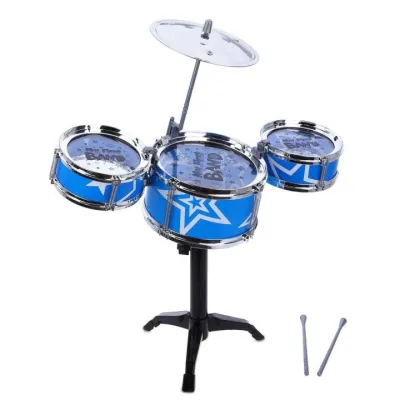
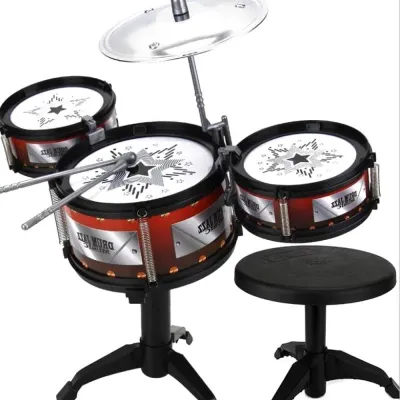
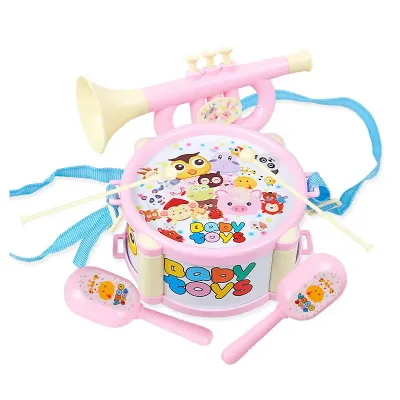
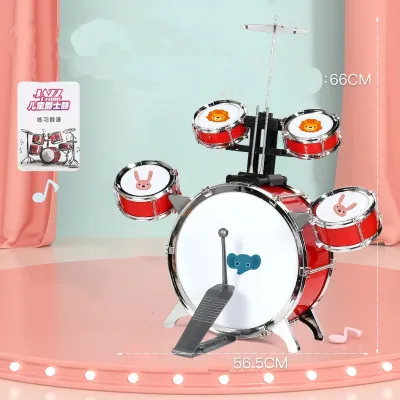
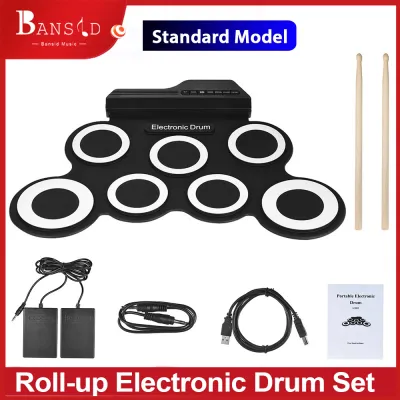
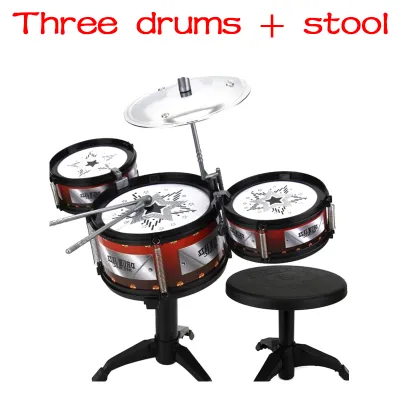
Prices are valid at publication and may change. Please refer to the product page for the latest price.
However, chronological age should only serve as a rough guideline. Physical reach, arm span, and inseam length are far more critical factors when selecting a drum set for kids. If a child cannot comfortably reach the bass drum pedal while sitting upright with their feet flat, or if they must stretch awkwardly to strike the cymbals, they will quickly develop poor posture and muscle fatigue. Always prioritize physical measurements and adjustability over the age range printed on the product packaging.
Key Factors When Selecting a Drum Set for Kids
Evaluating a drum set requires looking closely at how the instrument adapts to a growing child’s body and your household’s daily environment. A quality drum kit should be a tool for learning, not a source of physical discomfort or domestic noise complaints.

Ergonomics and Adjustability
Children grow rapidly, meaning a static drum setup will quickly become obsolete or uncomfortable. Look for a kit that offers wide adjustability across all its components. The drum throne, or stool, must be able to lower sufficiently so that the child’s thighs are parallel to the floor or angled slightly downward when their feet rest flat on the pedals.
Similarly, the snare drum stand and the tom-tom mounts should allow for height and angle adjustments. If the cymbals are set too high or the drums are angled too steeply, the child will be forced to play with unnatural wrist and shoulder movements. Choosing hardware that can be adjusted downward to fit their current size, and upward as they grow, ensures years of ergonomic and safe practice.
Hardware Stability
Drumming is an energetic, physical activity, and children often play with significant enthusiasm. Flimsy, lightweight stands will slide across the floor, tilt, or even collapse under the force of regular play. Look for double-braced legs on cymbal stands and snare stands, which provide a wider, heavier base of support.
Pedals also require close inspection. The bass drum pedal and hi-hat pedal should have solid metal base plates rather than thin wire frames, ensuring they remain stable underfoot. Robust hardware not only prevents the kit from shifting during practice but also ensures the instrument can withstand the accidental bumps and drops common in a busy household.
Volume Management
Volume is a primary concern for parents introducing drums into the home. Acoustic drums are naturally loud instruments that can easily fill a house and reach neighboring properties. In close-quarters residential areas, such as subdivisions or condominiums, managing this sound is essential for maintaining peace.
If you opt for an acoustic kit, consider investing in low-volume cymbals, which feature perforated metal patterns that reduce volume by up to eighty percent. Mesh drumheads can also replace traditional plastic heads to provide a near-silent rebound. Alternatively, electronic drum kits offer built-in volume control and headphone outputs, allowing your child to practice silently at any hour of the day while the household enjoys quiet.
In tropical climates like the Philippines, high humidity can also affect the materials used in drum construction. Acoustic wood shells and traditional drumheads can expand, contract, or warp when exposed to moisture and heat, requiring frequent tuning adjustments. Electronic drum pads made of rubber or synthetic mesh are generally less sensitive to these climate variations, though the electronic console itself must still be kept in a dry, well-ventilated space to prevent internal moisture damage.
Drum Set Configurations by Age Group
As children grow, their physical capabilities and cognitive skills evolve, requiring different drum configurations to match their learning pace.
Toddlers and Preschoolers (Ages 2–5)
For the youngest aspiring musicians, the primary goal is to develop basic motor skills, hand-eye coordination, and a sense of steady rhythm. At this stage, a full-sized or even a standard junior drum kit is too complex and physically demanding. Instead, focus on compact, lightweight junior kits or high-quality toy percussion instruments.
These introductory kits should prioritize safety and durability. Look for instruments constructed with rounded edges, robust plastic or solid wood shells, and non-toxic finishes. The hardware should be simple, with fewer moving parts that could pinch small fingers.
To prevent sensory overload and keep practice sessions engaging, a minimal layout is highly recommended. A simple three-piece configuration consisting of a small bass drum, a single snare drum, one tom-tom, and a single crash cymbal is more than enough. This streamlined setup allows toddlers to explore different sounds without becoming overwhelmed by too many options, matching their shorter attention spans perfectly.
Early Elementary (Ages 6–9)
Between the ages of 6 and 9, children experience significant gains in physical coordination, limb independence, and cognitive focus. This is the ideal window to transition from toy-like percussion to a real, scaled-down musical instrument.
For this age group, scaled-down acoustic kits featuring a 16-inch or 18-inch bass drum are highly suitable. These smaller shell sizes keep the overall height of the kit low, allowing the tom-toms to be mounted at a level that the child can easily reach. Alternatively, entry-level electronic drum kits with adjustable mesh heads offer a compact footprint and excellent height adjustability.
At this stage, a proper, adjustable drum throne is non-negotiable. Maintaining good posture is essential to prevent back strain and build correct playing habits. The kit should also begin to incorporate standard drum geography, including a functional hi-hat stand and a dedicated ride or crash-ride cymbal. Learning to coordinate the opening and closing of the hi-hat pedal alongside the bass drum pedal helps develop the foundational limb independence required for advanced drumming.
Pre-Teens and Older Beginners (Ages 10+)
By the age of 10, many children have reached a physical size that can comfortably accommodate standard or near-standard musical gear. At this point, you can begin looking at full-sized drum kits, particularly compact “fusion” configurations. Fusion kits utilize slightly smaller drum diameters, such as a 20-inch bass drum and 10-inch and 12-inch tom-toms, which keep the setup compact while delivering a mature, professional sound.
Older beginners play with much greater physical power, making durable, double-braced hardware and standard-sized foot pedals a necessity. Flimsy junior hardware will not support the heavier playing dynamics of a pre-teen.
This age group also starts to develop specific musical tastes and may want to participate in school bands or local youth groups. Their drum configuration should reflect these evolving interests. For example, a child interested in rock or metal may eventually want to add extra crash cymbals or a double bass drum pedal, while a student focusing on jazz or school ensemble music may prefer a classic, streamlined four-piece setup. Choosing a highly modular kit allows them to expand and customize their instrument as their musical journey progresses.
Acoustic vs. Electronic Drum Sets for Children
Deciding between a traditional acoustic drum set and a modern electronic kit is one of the most significant choices a parent will make. Both options have distinct advantages and trade-offs regarding space, maintenance, noise, and playing feel.
| Feature | Acoustic Drum Sets | Electronic Drum Sets |
|---|---|---|
| Space Requirements | Requires a dedicated, permanent floor space; difficult to move. | Compact footprint; many models feature folding frames for storage. |
| Noise Level | High volume; requires physical dampening or low-volume accessories. | Low volume; primary sound is heard through headphones or a small amplifier. |
| Maintenance | Requires regular tuning, drumhead replacements, and climate protection. | Minimal maintenance; requires checking cable connections and power sources. |
| Playing Feel | Authentic stick rebound, natural dynamic response, and acoustic resonance. | Synthetic rebound; mesh heads offer realistic tension, while rubber pads feel stiffer. |
Acoustic drum sets provide an organic playing experience that cannot be fully replicated by digital sensors. The physical vibration of the wood shell, the natural rebound of a drumstick off a stretched plastic drumhead, and the complex wash of a bronze cymbal help students develop a sensitive touch and dynamic control. However, they demand a permanent space in the home and require regular tuning to sound their best, especially when shifting weather conditions alter the tension of the drumheads.
Electronic drum sets, on the other hand, offer unmatched convenience for modern households. They fit easily into small bedrooms, and many models can be folded and stored in a closet when not in use. The ability to practice silently with headphones is a massive benefit for families living in apartments or shared spaces.
When choosing an electronic kit, prioritize models with mesh heads over solid rubber pads. Mesh heads can be tightened or loosened with a standard drum key to mimic the tension of an acoustic drum, which is much gentler on a child’s wrists and provides a far more realistic rebound. The main trade-off is that electronic kits require a power source and do not teach the student how to naturally draw tone and dynamics out of an acoustic instrument shell.
What to Check Before Buying Online or In-Store
Before finalizing your purchase, taking a few moments to verify the details of the transaction can save you from unexpected costs and assembly headaches.
- Verify Accessory Inclusion: Many drum sets, especially acoustic ones, are sold as "shell packs," which include only the wooden drum shells and mounting hardware. They often exclude essential components like cymbals, stands, a bass drum pedal, drumsticks, and a drum throne. Carefully read the product description to ensure you are buying a complete, playable package, or budget separately for the missing accessories.
- Check the Warranty and Return Policy: Electronic drum kits rely on sensitive trigger pads and a central digital module. Ensure the retailer offers a clear warranty that covers electronic defects and mechanical failures. For both acoustic and electronic kits, verify the return policy in case the instrument arrives with shipping damage or proves to be the wrong size for your child.
- Inspect Hardware and Packaging: If purchasing from a local music store, inspect the metal chrome plating for any signs of pitting or rust, and test all adjustment clamps to ensure they tighten securely. If ordering from an online marketplace, read customer reviews regarding how well the item is packaged. Heavy drum components can easily break through thin cardboard boxes during transit if not packed with sufficient protective foam.
- Assess Assembly Support: Drum sets arrive completely disassembled in large boxes. Check if the manufacturer provides clear, step-by-step assembly manuals or online video tutorials. Having access to a visual setup guide makes the initial assembly process much smoother and ensures the kit is configured safely and correctly from day one.
Frequently Asked Questions (FAQ)
At what age should a child start taking formal drum lessons?
Most music educators suggest that children are ready for structured drum lessons between the ages of 6 and 8. At this stage, children have developed the physical coordination, limb independence, and fine motor skills required to hold drumsticks correctly and operate foot pedals simultaneously. Additionally, their cognitive development and attention span are mature enough to follow a teacher’s instructions, practice independently at home, and begin learning basic music notation. If your child is younger, focus on informal, play-based rhythm games to build their natural sense of timing before enrolling them in formal lessons.
Do I need to buy a full drum set right away?
No, you do not need to purchase a complete drum set immediately. If you want to gauge your child’s long-term interest before making a significant financial investment, start with a basic practice pad and a pair of drumsticks. A practice pad is a dense rubber pad that mimics the rebound of a real drum while remaining nearly silent. It allows beginners to focus entirely on hand coordination, stick control, and basic rhythm patterns. You can also add a single bass drum pedal with a practice pad adapter later on. Once your child demonstrates consistent interest and masters basic stick techniques, you can confidently transition them to a full drum kit.
How much should I expect to spend on a beginner drum set for kids?
Budget expectations for a beginner drum set generally fall into three distinct tiers. Entry-level junior acoustic kits or basic toy setups typically range from ₱3,000 to ₱8,000, making them highly accessible for very young children. Mid-range beginner kits, which include scaled-down acoustic sets with basic cymbals or entry-level electronic drum kits with mesh heads, generally cost between ₱10,000 and ₱25,000. Premium beginner setups from established percussion brands can range from ₱30,000 and up. When planning your budget, remember to factor in the cost of essential accessories if they are not included in the package, such as quality hearing protection, extra pairs of drumsticks, and a sturdy, adjustable drum throne.
Community discussion
Share your experience or ask a question. Comments are reviewed before publication.