
Starting your drumming journey in the Philippines is an exciting milestone, but keeping your acoustic drum kit sounding its best requires regular maintenance. The most essential tool in your stick bag for this task is the humble drum key. This small, specialized wrench is what you use to tighten or loosen the tension rods that secure your drumheads to the shells, directly altering the pitch and tone of your drums.
For a beginner, selecting the right drum key is about balancing ease of use, durability, and affordability. While most entry-level drum sets come with a basic key in the box, these are often small and can be difficult to turn under high tension. Investing in a dedicated, high-quality drum key ensures that you can tune your drums comfortably and efficiently without damaging your hardware.
Understanding the Main Types of Drum Keys
To make an informed purchase, you must first understand the different physical designs available on the market. Each style offers distinct advantages depending on how quickly you need to work and how much leverage you require.
Products mentioned in this guide
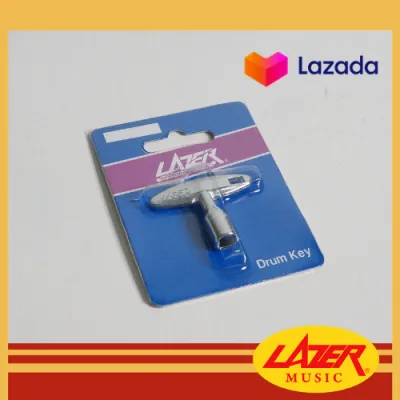
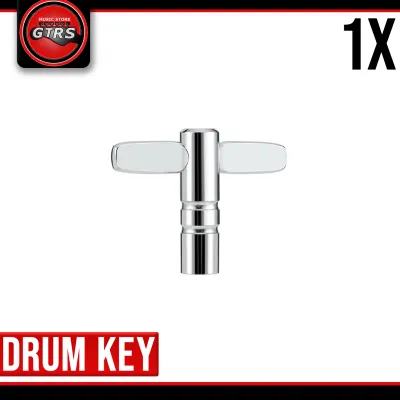
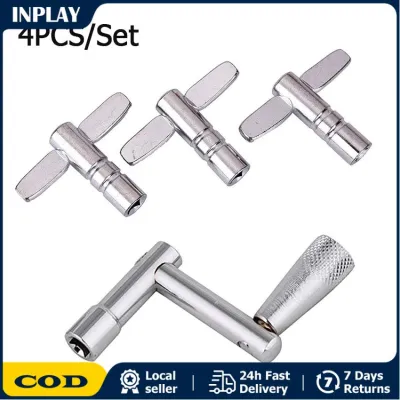
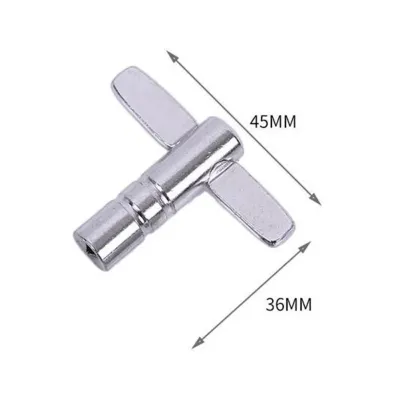
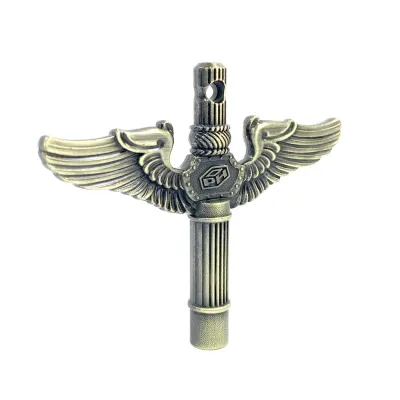
![[COD] SHPYHT SPORTS Standard Drum Key With Keychain With Metal Hook Clip Percussion Tuning Tool Musical Gift For Jazz Drum Parts Accessories](https://img.lazcdn.com/g/p/03b7d55068be905398b6c5e1ae0d65f6.jpg_400x400q80.jpg_.webp)
Prices are valid at publication and may change. Please refer to the product page for the latest price.
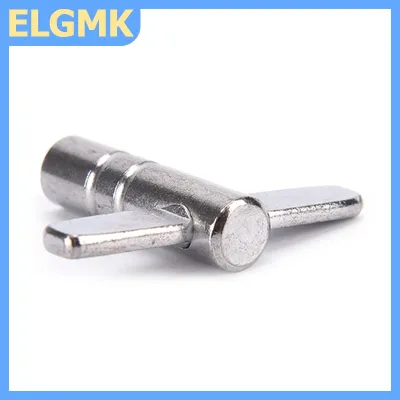
Standard wingnut keys are the most common and recognizable design. They feature a simple, T-shaped or wing-like top that you grip with your thumb and index finger. Because they are compact and lightweight, they easily slide into a pocket or attach to a keychain. However, their small surface area means they offer limited leverage, which can make high-tension tuning—such as tightening a snare drum head—tiring for your fingers over time.
T-handle keys feature a wider, more substantial crossbar at the top. This design allows you to use your entire hand, or even both hands, to turn the key. The increased leverage makes it much easier to make fine adjustments and turn stubborn, tightly wound tension rods. If you want a more comfortable grip during long tuning sessions, a T-handle key is an excellent primary tool.
Speed keys and ratchet keys are engineered for rapid head changes. A speed key typically features a rotating handle or a crank-style shaft that allows you to spin the key quickly with one hand once the tension is loose. Ratchet keys, on the other hand, use a mechanical ratcheting system that lets you turn the rod back and forth without lifting the key off the lug. While these options are generally more expensive, they are incredibly useful if you need to replace drumheads quickly during a rehearsal or gig.
Key Selection Criteria for Beginner Drummers
When shopping for your first drum key, it is easy to assume that all keys are identical. However, paying attention to specific construction details will help you avoid tools that wear out quickly or, worse, damage your drum kit.

The first detail to verify is the socket size. Almost all modern drum manufacturers use a standard square tension rod head that measures approximately 1/4 inch. This means nearly any standard drum key you buy will be universally compatible with your snare, toms, and bass drum. However, some vintage kits or specialized hardware from specific European brands may use slotted or oversized tension rods, so it is always wise to visually inspect your drum lugs before purchasing.
Material durability is another critical factor. Look for drum keys made from chrome-plated steel or hardened steel alloys. These materials resist stripping and can withstand the high torque required for drum tuning. Cheaper, unbranded keys are often cast from soft zinc alloys, which can easily deform or strip inside the socket after only a few uses. A stripped key will slip on the tension rod, making it impossible to tune your drums and potentially rounding off the corners of your tension rods.
Ergonomics and grip should also influence your decision. Tuning a drum kit requires a surprising amount of physical effort, especially when seating a brand-new drumhead. Keys with textured ridges, rubberized coatings, or contoured wings provide a secure grip even if your hands get sweaty. In the warm, tropical climate of the Philippines, a slip-resistant grip is a highly practical feature that prevents the tool from sliding out of your fingers.
Finally, you must balance your budget with long-term reliability. While you can find basic drum keys online for under ₱100, spending slightly more—typically between ₱150 and ₱500—for a key from a reputable drum accessory manufacturer is a worthwhile investment. A well-machined key will fit snugly over your tension rods, reducing wear on both the tool and your drum hardware.
Matching the Drum Key to Your Practice Routine
Your choice of drum key should align with where and how often you play. Different drumming environments demand different levels of speed, portability, and convenience.
If you primarily practice at home and only need to perform standard maintenance routines every few weeks, a simple standard key or a comfortable T-handle key is perfectly adequate. These keys are easy to store on a nearby shelf or keep on top of your bass drum. Because you are not under any time pressure to change heads quickly, you do not necessarily need the mechanical complexity of a ratchet or speed key.
For drummers who frequently travel to rehearsal studios, jam sessions, or local gigs, speed keys become highly valuable. If a drumhead breaks or loses tension in the middle of a practice session, you need to resolve the issue as quickly as possible to avoid wasting valuable studio time. A speed key allows you to spin off the old tension rods and tighten the new ones in a fraction of the time it would take with a standard wingnut key.
Regardless of your primary choice, keeping a secondary backup key is a highly recommended practice. Drum keys are notoriously easy to misplace, often slipping behind drum rugs or getting left behind at rehearsal spaces. Keeping a cheap, standard key permanently attached to your keychain or tucked into your stick bag ensures that you are never left stranded without a way to adjust your kit.
Buying Guide for the Philippine Market
Finding a reliable drum key in the Philippines involves knowing where to look and how to verify the quality of the product before you hand over your money.
Visiting local brick-and-mortar music retailers is one of the best ways to shop. Many major shopping malls across the country house dedicated music instrument stores. Shopping in person allows you to hold the drum key, feel its weight, and inspect the machining quality of the socket. You can also ask the store staff for advice on compatibility with your specific drum brand.
If you prefer the convenience of online shopping, major e-commerce platforms offer a wide selection of drum accessories. To ensure you are buying a genuine, durable tool, look for sellers with official store badges or high positive ratings. Read through customer reviews specifically looking for feedback on the key’s durability and fit. Avoid listings that have generic descriptions and no clear brand name, as these are often made from lower-grade metals.
Be on the lookout for red flags that indicate counterfeit or poorly machined hardware. If a drum key is priced incredibly low—such as under ₱50—it is highly likely made from a soft alloy that will strip under moderate tension. Inspect product photos closely; the square socket inside the key should have sharp, clean, and well-defined corners. If the socket looks rounded or has excess metal flakes from the casting process, it could damage your drum’s tension rods.
Lastly, always check the return policies and warranty conditions when purchasing online. A reputable seller should offer a straightforward return window if the product arrives damaged, has manufacturing defects, or does not fit your tension rods. This protection is especially important when buying mechanical accessories like ratchet keys, which have moving parts that must function smoothly out of the box.
Basic Care and Tuning Practices for Your New Key
Once you have purchased your drum key, using it correctly and maintaining it properly will extend the lifespan of both the tool and your drum kit.
When tuning, always ensure the drum key is fully engaged and aligned perpendicularly with the tension rod. If the key is tilted or only partially seated on the square head, you risk rounding off the corners of the rod or stripping the inside of the key. Never force a tension rod that feels stuck; instead, back it out slowly, inspect the threads for debris, and apply a small amount of drum hardware lubricant if necessary.
To achieve an even, resonant sound, always tune your drums using a star or crisscross pattern. Instead of moving consecutively around the hoop, tighten one tension rod, then move to the rod directly opposite it. This method distributes the tension evenly across the drumhead and prevents the hoop from warping. A balanced hoop ensures that your drum key does not have to work harder on one side than the other, reducing uneven wear on the tool.
In the Philippines, the high relative humidity can quickly cause rust to form on steel drum hardware and keys. To prevent this, make a habit of wiping down your drum key with a dry cloth after use, especially if your hands were sweaty. Store your key in a dry place, such as inside a padded stick bag or a hardware case, rather than leaving it exposed to the air on top of a drum. Occasionally applying a single drop of light multi-purpose oil to the socket will help protect the metal from moisture and keep it functioning smoothly.
Frequently Asked Questions (FAQ)
Can I use one drum key for all my drums and hardware?
For the vast majority of modern drum kits, yes. Most manufacturers use a standardized square-headed tension rod that fits a standard 1/4-inch drum key socket. This standard applies to snare drums, toms, bass drums, and even some hardware accessories like bass drum pedals and hi-hat stands. However, some vintage kits or specialized high-end hardware may require proprietary slotted keys or different socket sizes. Always check your drum manufacturer’s specifications if you are unsure.
Do I need a torque key as a beginner?
While a torque key—which measures the tension of each rod to help you achieve even tuning—can be a helpful tool, it is not a necessity for beginners. As a new drummer, it is far more beneficial to develop your ear by learning to listen to the pitch of the drumhead next to each tension rod. Relying solely on a mechanical torque key can prevent you from developing essential ear-tuning skills. A standard, reliable drum key is all you need to start.
What should I do if my drum key strips a tension rod?
If you notice that your drum key is slipping or the corners of a tension rod are becoming rounded, stop tuning immediately. Continuing to force the key will only cause further damage, making the rod even harder to remove. Inspect both the key and the rod to determine which part is stripped. If the tension rod is damaged, you can often remove it carefully using a pair of pliers and replace it with a standard replacement rod available at local music stores. If the key itself is stripped, discard it and purchase a high-quality replacement made from hardened steel.
Community discussion
Share your experience or ask a question. Comments are reviewed before publication.