
Starting a new creative hobby can feel incredibly exciting, but many beginners in the Philippines quickly find themselves overwhelmed by dense jargon, confusing diagrams, or projects that require imported materials that are impossible to find locally. To bypass this frustration and build your skills with confidence, the right craft instruction book must serve as a highly visual, structured roadmap that prioritizes clear step-by-step illustrations, uses universally adaptable material lists, and matches your personal learning pace. By focusing on books that emphasize foundational techniques before complex projects, you can transform what could be a stressful trial-and-error process into a deeply rewarding and successful creative outlet.
What makes a craft instruction book truly beginner-friendly?
An effective beginner’s guide must prioritize visual clarity and logical progression over dense, text-heavy explanations. When flipping through a potential book, look for high-resolution, step-by-step photography or clean, uncluttered diagrams that illustrate the exact hand positioning for each technique. Text-heavy paragraphs often fail to convey the subtle physical movements required in crafts like knitting, woodcarving, or clay modeling, whereas a sequence of clear images allows you to compare your progress directly with the author’s work.
A comprehensive glossary of craft-specific terminology and abbreviations is another essential feature of a high-quality instructional book. Beginners often get stuck on shorthand terms—such as “yo” (yarn over) in crochet or “mountain fold” in origami—which can halt progress entirely if they are not clearly defined at the beginning of the book. Ensure the guide features a dedicated reference section or a clear index where you can quickly look up unfamiliar terms without having to search through multiple chapters.
Products mentioned in this guide
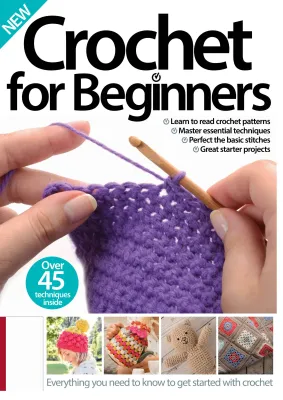
78 Lazada user ratings
Its nice. The printing and paper used is good quality.
guide to start crochet pattern, with nice patterns
My daughter will enjoy it.
nice guide for beginners
very helpful
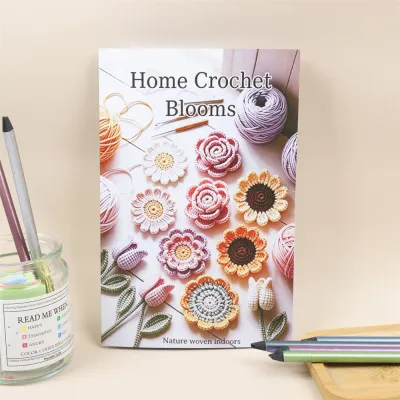
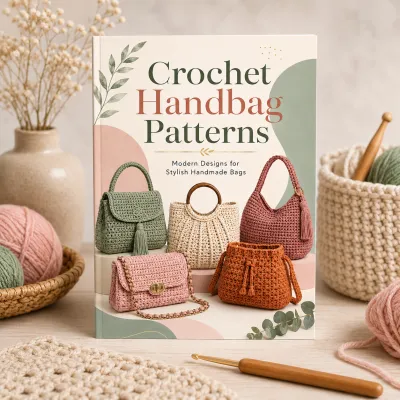
9 Lazada user ratings
I bought it and then threw it away—didn’t even bother to return it. But how can the seller expect anyone to read this? This is Thailand, not…Read full reviewShow less
I bought it and then threw it away—didn’t even bother to return it. But how can the seller expect anyone to read this? This is Thailand, not a foreign country! Did you just copy someone else’s product and then sell it like this? You’re completely irresponsible—how could you even sell something like this? Are you kidding yourself? Did you even bother to read it carefully? It’s a total waste of time to try to return it now. Just let those over 100 baht go to the dog! And everyone, please don’t buy from them—don’t support them at all.
The delivery staff were polite, and the goods were well-packed and undamaged despite the long journey. The booklet is compact, visually appe…Read full reviewShow less
The delivery staff were polite, and the goods were well-packed and undamaged despite the long journey. The booklet is compact, visually appealing, and clearly explains the patterns.
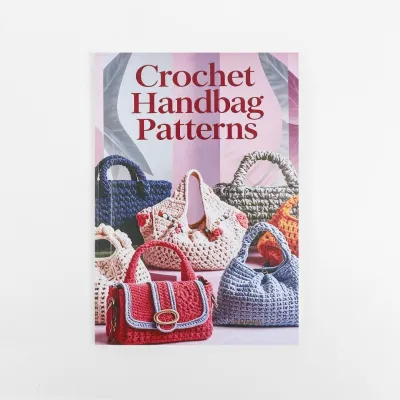
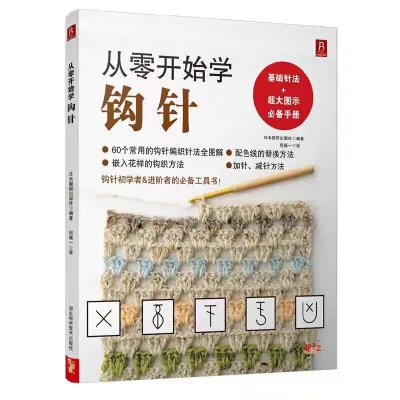
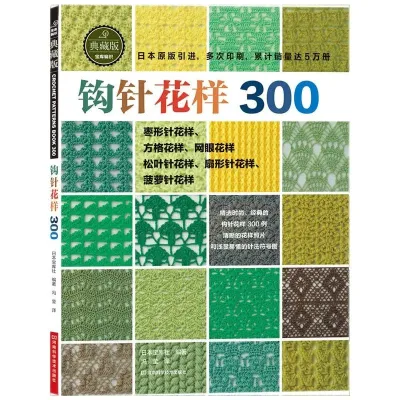
7 Lazada user ratings
fast shipping, lots of nice patterns. not really for beginners though because no detailed instructions. you need to know how to read the pat…Read full reviewShow less
fast shipping, lots of nice patterns. not really for beginners though because no detailed instructions. you need to know how to read the patterns.
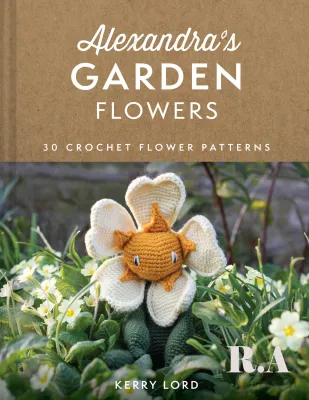
17 Lazada user ratings
The book is of good quality even though it is just a reproduction of the original. The illustrations are clear and the instructions are easy…Read full reviewShow less
The book is of good quality even though it is just a reproduction of the original. The illustrations are clear and the instructions are easy to follow.
Good packaging protection. Correct item delivered. Perfect for craft lovers. Thank you seller & kuya rider.
Good packaging protection, good info for beginners. Printing not too clear though.
Clear instructions, Great for beginners, Excellent resource for learning,
Good quality book, Perfect for craft lovers, Colorful images included,
Prices are valid at publication and may change. Please refer to the product page for the latest price.
Logical project progression is the backbone of successful skill acquisition. The book should begin with simple, low-stakes exercises designed to build muscle memory and familiarity with the tools before introducing complex, multi-step projects. For instance, a beginner’s sewing book should guide you through stitching straight lines on scrap fabric and making a simple tote bag before asking you to construct a zippered garment.
Finally, verify that the material lists are explicit and suggest accessible alternatives for hard-to-find items. Many international craft books list highly specific, branded materials that are difficult or expensive to source in the Philippines. A truly beginner-friendly book will explain the general properties of the required materials—such as yarn weight, paper thickness, or clay type—and offer guidance on how to substitute them with locally available options.
Which craft categories offer the most accessible instructional books for first-time hobbyists?
For those starting their crafting journey, selecting a category with a low barrier to entry and highly visual instructional material is key to maintaining motivation. Here is a conditional, non-exhaustive shortlist of accessible craft categories to consider based on your goals, along with observable checks and limits for each:

Paper Crafts and Origami: Consider this category if you want to start crafting immediately with minimal financial investment and no specialized workspace. Look for books that feature clear, color-coded folding diagrams with directional arrows rather than written instructions alone. The primary limit of paper crafts is their vulnerability to the high humidity of the Philippines, which can soften paper fibers and affect the crispness of your folds; choose books that recommend moisture-resistant or heavier-weight papers for long-lasting projects.
Basic Crochet and Knitting: This option is ideal if you enjoy repetitive, meditative hand movements and want to create functional items like coasters, bags, or garments. When evaluating books in this category, check for clear illustrations of basic stitches (such as single crochet or garter stitch) and look for patterns that use medium-to-thick yarn weights, which are easier to see and handle. The main limit is that many international books assume the use of heavy wool yarns that are impractical for the warm Philippine climate; prioritize books that include patterns adaptable to lightweight cotton or acrylic yarns.
Simple DIY Home Decor and Upcycling: Choose this style if you prefer practical, hands-on projects that utilize everyday household items, such as glass jars, cardboard, or scrap fabric. Look for books that focus on straightforward assembly methods, such as basic knotting, gluing, or simple hand-sewing, and provide clear safety instructions for tools like hot glue guns or utility knives. The limit of upcycling guides is that they can sometimes be overly open-ended; ensure the book provides concrete measurements and structural guidelines so your finished projects are durable and functional.
How should you match a craft book to your learning style and schedule?
Selecting a book that aligns with your cognitive preferences and daily routine is crucial for sustaining your new hobby over the long term. Visual learners should prioritize books that rely heavily on photo-rich guides, exploded-view diagrams, or step-by-step illustrations that show the craft from the maker’s perspective. Many modern craft books also feature QR codes or web links that connect directly to supplementary video tutorials, allowing you to watch the physical motion of a technique if the printed page feels too static.
If you prefer a deeper, more analytical understanding of your activities, look for books that explain the underlying reasoning behind each technique rather than just listing the steps. Understanding why you must hold a tool at a specific angle, or how different fiber tensions affect a weave, empowers you to troubleshoot mistakes independently. These books may contain more text, but the contextual knowledge they provide is invaluable for building a strong, versatile foundation in your chosen craft.
For time-constrained hobbyists, the structure of the projects within the book is a major deciding factor. If you only have a few hours to spare during the weekends, look for books specifically structured around weekend projects, quick crafts, or modular designs that can be completed in short, self-contained sessions. This prevents the frustration of leaving half-finished, messy projects taking up valuable space on your dining table or desk for weeks at a time.
What physical and format features should you check before purchasing?
The physical design of a craft book directly impacts how easily you can use it while your hands are covered in glue, clay, or yarn. Prioritize books with lay-flat binding, such as spiral binding, comb binding, or specialized exposed-glue spines. A book that constantly snaps shut while you are trying to hold down a piece of fabric or manipulate a delicate wire pattern is incredibly frustrating and can easily disrupt your creative flow.
Paper quality is another critical factor, especially in the humid tropical climate of the Philippines. Look for books printed on heavy, matte-coated paper or thick cardstock; these pages are much more resilient against damp hands, light spills, and the occasional smudge of graphite or glue. Furthermore, high-quality paper allows you to write pencil notes, highlight key steps, or sketch pattern adjustments directly in the margins without the ink bleeding through to the other side.
When deciding between physical books and digital formats, weigh the practical trade-offs of your crafting environment. Digital books are highly portable, allow you to zoom in on intricate diagrams, and do not take up physical shelf space. However, using a tablet or smartphone in a messy craft space exposes your expensive devices to dust, water, paint, or sharp tools, and screen glare under bright tropical sunlight can make reading difficult. Physical books, while bulkier, offer a tactile experience and can withstand a bit of wear and tear without risking a costly electronic repair.
Lastly, carefully review the material sourcing requirements listed in the book’s introduction. Avoid books that rely on highly localized, proprietary suppliers or specific regional brands that do not ship to the Philippines or charge exorbitant delivery fees. Instead, opt for books that describe materials by their generic specifications—such as 2-ply cotton yarn, 120 gsm cardstock, or polymer clay—allowing you to easily find affordable, high-quality alternatives at local stationery stores or online marketplaces.
Where can you reliably source and verify craft books in the Philippines?
Finding high-quality craft instruction books in the Philippines requires a mix of local exploration and careful online verification. Major local bookstore chains often feature dedicated hobby, DIY, and art instruction sections where you can physically browse the shelves to assess the layout, paper quality, and diagram clarity before spending your money. Specialized craft supply shops in urban centers also curate small but highly relevant selections of books tailored specifically to the materials they sell, such as weaving, pottery, or leatherworking guides.
If you prefer shopping through online marketplaces or book aggregators, you must rely on smart verification strategies since you cannot handle the book physically. Look for listings that offer a “look inside” preview feature to check the visual style of the pages, and read verified customer reviews carefully. Pay close attention to reviews that specifically mention whether the diagrams are easy to follow, if the font size is readable, and whether the projects are actually suitable for true beginners.
Visiting local public libraries, university libraries, or community crafting spaces is an excellent, budget-friendly way to preview books before making a financial commitment. Many local crafting groups host informal meetups where members bring their favorite instructional books to share and discuss. This hands-on preview allows you to evaluate if a book’s teaching style matches your learning preferences before you purchase your own copy.
Be highly cautious of unauthorized digital downloads, cheap scanned PDFs, or poorly printed replicas sold on unregulated online platforms. These low-quality copies often suffer from extremely blurry diagrams, low-contrast text, distorted formatting, or even entirely missing pages. Investing in an authorized, high-quality print or official digital edition ensures that you receive clear, legible instructions while supporting the authors and designers who create these valuable learning resources.
How can you supplement a book if the instructions feel unclear?
Even the best-written craft books can occasionally present a step or technique that feels confusing or difficult to grasp on the first try. When you encounter a roadblock, cross-referencing the confusing step with free, reputable online video tutorials is an excellent way to see the physical motion in real-time. Search for the specific term or stitch name from your book’s glossary on video platforms to observe how different creators position their hands and tools to achieve the desired result.
Joining local or international online crafting communities on social media or dedicated forums provides a supportive network where you can ask specific questions. When posting, share a clear photo of your current progress alongside the book’s diagram; experienced crafters can often spot minor errors—such as incorrect tension, a misplaced fold, or a twisted stitch—and offer immediate, practical feedback to get you back on track.
Using physical aids and mock-ups can also help you visualize complex patterns before executing them on your final, expensive materials. For example, you can use cheap grid paper or tracing paper to map out embroidery designs, or use plastic stitch markers to keep track of pattern repeats in knitting. Practicing a difficult technique on scrap paper, cheap muslin fabric, or leftover yarn allows you to make mistakes safely without ruining your main project.
Finally, know when to pause and consult the manufacturer’s guidelines for your specific tools or materials if the book’s advice seems to conflict with safety warnings. If a book suggests a specific heating temperature for curing clay or using a particular adhesive, but the product label warns of fumes or damage at those levels, always prioritize the manufacturer’s safety instructions. Taking a moment to verify these details ensures a safe, enjoyable, and successful crafting experience as you build your skills step by step.
Community discussion
Share your experience or ask a question. Comments are reviewed before publication.