
Selecting a Bible translation is a significant decision for any Catholic seeking to deepen their spiritual life. The scriptures are living words meant to shape daily thoughts, prayers, and actions. In the Philippines, where faith is deeply integrated into family traditions and personal routines, having a reliable Bible is essential. However, browsing a local bookstore or online marketplace can be overwhelming due to the sheer variety of translations available.
To make an informed choice, you must evaluate how a translation balances literal accuracy with modern readability. A translation that is too rigid might hinder your daily devotional flow, while one that is too loose might obscure deeper theological nuances. By understanding translation philosophies, verifying the completeness of the biblical canon, and considering the physical and digital formats suitable for your lifestyle, you can find a Bible that becomes a lifelong companion in your spiritual journey.
Understanding Catholic Bible Translation Approaches
Bible translation is a complex process of rendering ancient Hebrew, Aramaic, and Greek texts into modern languages. Translators generally follow one of three primary philosophies: formal equivalence, dynamic equivalence, or a hybrid approach often called optimal equivalence. Understanding these approaches helps you choose a text that matches your reading style and spiritual goals.
Products mentioned in this guide
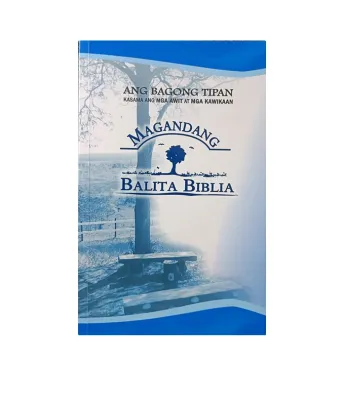
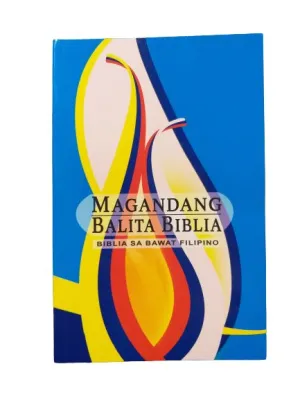
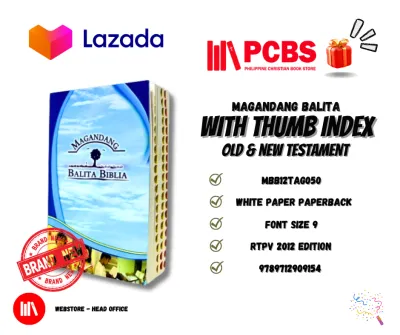
Prices are valid at publication and may change. Please refer to the product page for the latest price.
Formal equivalence, often described as a word-for-word translation, prioritizes the literal structure and vocabulary of the original languages. Translators working within this framework attempt to preserve the original word order, sentence structure, and idioms as closely as possible. This approach is highly valuable for close textual analysis, theological study, and scripture memorization because it minimizes the translators’ interpretation. However, the resulting English text can sometimes feel formal or grammatically awkward to modern readers, which may slow down casual daily reading.
Dynamic equivalence, or a thought-for-thought translation, focuses on conveying the meaning of the original text in natural, contemporary language. Translators prioritize readability and comprehension, translating entire phrases or thoughts rather than individual words. This approach makes the scriptures highly accessible, especially for beginners or those using the Bible for quick daily reflections. The trade-off is that dynamic translations rely more heavily on the translators’ interpretation of what the original authors meant, which can occasionally soften subtle theological nuances.
Optimal equivalence strikes a balance between these two extremes. Translators use a word-for-word approach where the text is clear and direct, but shift to a thought-for-thought approach when a literal translation would be confusing or unnatural in modern English. This hybrid method aims to provide a text that is both academically reliable for study and smooth enough for public reading and personal devotion.
Regardless of the translation philosophy, a Catholic reader must verify that the edition has received official ecclesiastical approval. This approval is indicated by two Latin terms usually found on the copyright page: the Nihil Obstat and the Imprimatur. The Nihil Obstat, meaning “nothing stands in the way,” is a declaration by a church censor that the book contains nothing contrary to Catholic faith or morals. The Imprimatur, meaning “let it be printed,” is the official authorization granted by a bishop permitting the publication. These declarations provide assurance that the translation and its accompanying notes are doctrinally sound and aligned with Catholic teaching.
Verifying the Complete Catholic Canon
When searching for a Bible, particularly under the primary keyword “biblia old and new testament,” it is vital to ensure you are purchasing a complete Catholic edition. The Catholic Bible contains 73 books in total, divided into 46 books in the Old Testament and 27 books in the New Testament. This differs from standard Protestant Bibles, which contain only 66 books, having removed seven books from the Old Testament during the Reformation.

The seven books unique to the Catholic Old Testament are Tobit, Judith, Wisdom (also known as the Wisdom of Solomon), Sirach (or Ecclesiasticus), Baruch (including the Letter of Jeremiah), and 1 and 2 Maccabees. Additionally, Catholic editions include longer versions of the books of Esther and Daniel. Collectively, these books are referred to by Catholics as the Deuterocanonical books, meaning “belonging to the second canon.” In other traditions, they are often labeled as the Apocrypha and may be omitted entirely or placed in a separate section between the testaments.
To verify that a Bible is complete before making a purchase, always open the table of contents. Ensure that the Deuterocanonical books are fully integrated into the Old Testament in their traditional historical and prophetical order. For example, Tobit and Judith should appear after Nehemiah, and the books of Maccabees should conclude the historical books before the poetic books begin. If these books are missing, or if they are grouped in an appendix at the back of the volume, the Bible does not conform to the liturgical and devotional standards of the Catholic Church.
The inclusion of these books is not merely a matter of historical completeness; it has profound spiritual and theological implications. The Deuterocanonical books contain essential scriptural foundations for Catholic practices and doctrines, such as intercessory prayers for the deceased (found in 2 Maccabees) and deep reflections on the nature of divine wisdom (found in Wisdom and Sirach). Reading a Bible that lacks these books deprives you of a significant portion of the revealed word used in the Church’s daily liturgy and theological tradition.
Matching the Translation to Your Spiritual Practice
Your choice of translation should align with how you intend to use the Bible in your daily life. Different spiritual practices demand different textual characteristics, and many Catholics find it helpful to own more than one translation to serve various aspects of their spiritual growth.
If your primary practice is lectio divina—a traditional Catholic method of praying with scripture through slow reading, meditation, prayer, and contemplation—a formal equivalence translation is highly recommended. The Revised Standard Version Second Catholic Edition (RSV-2CE) is widely regarded as an excellent choice for this purpose. It retains the majestic, poetic tone of the classic biblical tradition while updating archaic pronouns (like “thee” and “thou”) to modern English. Because it adheres closely to the original sentence structures, it allows you to linger over specific words and phrases, discovering deep layers of meaning during silent meditation. Another strong option in this category is the English Standard Version Catholic Edition (ESV-CE), which offers exceptional literal accuracy and is increasingly used in academic and liturgical settings worldwide.
For those who prefer a smooth, continuous reading experience, such as reading several chapters a day or participating in family scripture sharing, a more dynamic or pastoral translation is highly suitable. The New American Bible Revised Edition (NABRE) is the standard translation used for the liturgy in the United States and is highly accessible for daily reading. It features a modern, clear English style and is accompanied by extensive introductory essays and explanatory footnotes that help clarify historical and cultural contexts. Alternatively, the Christian Community Bible (CCB) is a pastoral translation specifically designed for daily life and community reflection. Its language is simple and direct, and it includes extensive commentary written from a pastoral perspective, helping readers apply the biblical message directly to contemporary social and personal challenges.
If your goal is comprehensive learning and intellectual spiritual growth, a dedicated study Bible is an invaluable tool. Look for editions that feature robust Catholic commentary, cross-references, and historical maps. A good study Bible does not just translate the text; it explains the theological significance of passages in light of the Catechism of the Catholic Church and the writings of the Church Fathers. This contextual information prevents misunderstandings and enriches your reading, turning your daily scripture study into a profound encounter with the living tradition of the Church.
Practical Checks Before Purchasing Your Bible
Once you have decided on a translation, you must perform several practical checks to ensure the physical or digital edition you choose is durable, usable, and worth your investment. This is especially important when purchasing books in the tropical climate of the Philippines, where environmental factors can significantly affect the lifespan of printed materials.
First, inspect the physical construction of the Bible. High humidity can cause thin, low-quality paper (often called “bible paper” or “onion skin”) to curl, warp, or stick together, making it difficult to turn pages without tearing them. Look for editions that use high-quality, opaque paper with minimal “ghosting” (where the text on the reverse side of the page shines through). The binding is equally critical; a Smyth-sewn binding, where pages are stitched together in sections, is far more durable than a glued “perfect” binding. A sewn Bible will lay flat when opened on a desk or altar and will not lose pages over years of frequent use.
Consider your reading environment and physical comfort. If you plan to read your Bible during your daily commute on public transit, a compact or pocket-sized edition is highly practical. However, compact Bibles often feature very small font sizes (sometimes 6-point or 7-point type), which can cause eye strain during extended reading sessions. If you primarily read at home at a desk or in a comfortable chair, a larger “standard” or “large print” edition (9-point font or higher) is much more comfortable. If you enjoy journaling, writing prayers, or taking study notes directly in the margins, look for a wide-margin edition specifically designed for writing.
If you prefer digital reading on an e-reader, tablet, or smartphone, verify the file format and device compatibility before purchasing from an online bookstore. Digital Bibles must have an intuitive, fast navigation system, as jumping between different books, chapters, and verses can be incredibly frustrating in poorly formatted e-books. Check if the digital edition includes active hyperlinks for footnotes and cross-references, allowing you to read commentaries instantly without losing your place in the scripture. Additionally, be aware of regional restrictions on digital purchases, ensuring that the e-book license is valid for download and use in your location.
Frequently Asked Questions (FAQ)
Do I need a specific Catholic translation for Mass readings?
You do not need to use the exact translation read at the pulpit for your personal devotions, but doing so can create a beautiful continuity between your private prayer and the public liturgy. In the Philippines, the English liturgical readings used during Mass are primarily drawn from the Jerusalem Bible or the New American Bible (NAB).
If you wish to prepare for Sunday Mass by meditating on the readings beforehand, or if you want to review the scriptures from the daily homily, owning a translation like the NABRE or the Jerusalem Bible is highly beneficial. However, any approved Catholic translation containing the Imprimatur is perfectly suitable for personal spiritual growth and will align with the theological truths celebrated at Mass.
Can I use a Protestant Bible for Catholic spiritual growth?
While Protestant Bibles contain many of the same books and are translated with high academic standards, they are not recommended as your primary Bible for Catholic spiritual growth. The primary limitation is the absence of the seven Deuterocanonical books in the Old Testament, which are essential to Catholic doctrine, history, and liturgical readings.
Furthermore, Protestant translations may translate certain key passages in ways that reflect different theological assumptions, potentially obscuring Catholic understandings of sacraments, grace, and the role of Mary. To ensure your spiritual formation is fully nourished by the complete deposit of faith and aligned with the teachings of the Church, it is always best to choose a complete 73-book Catholic Bible with ecclesiastical approval.
Community discussion
Share your experience or ask a question. Comments are reviewed before publication.