
Selecting the right Catholic Bible diary for 2026 in the Philippines requires looking beyond standard planners to find a spiritual companion that matches your daily devotional rhythm. Unlike secular organizers, a dedicated Catholic diary integrates the liturgical calendar, daily Mass readings, and structured spaces for reflection, making it a central tool for personal prayer. To make the best choice, you must evaluate the translation used, the physical layout of the pages, and the durability of the binding against the local tropical climate, ensuring your diary remains intact throughout the entire liturgical year.
Understanding Catholic Bible Diaries vs. Standard Planners
A Catholic Bible diary serves a fundamentally different purpose than a standard secular planner or a generic Christian journal. While a standard planner focuses on scheduling appointments, managing tasks, and tracking productivity, a Bible diary is structured around the rhythm of the Church’s liturgical year. It acts as a daily anchor, guiding your spiritual focus toward the scriptures and teachings prescribed for each specific day.
The core of any authentic Catholic Bible diary is its integration of the liturgical calendar. This means the diary does not merely display standard calendar dates; it highlights the liturgical seasons such as Advent, Christmas, Lent, and Easter, alongside Ordinary Time. It marks holy days of obligation, solemnities, feasts, and memorials of the saints. For Catholics in the Philippines, where community religious feasts and parish fiestas are deeply woven into daily life, having these dates clearly marked helps align personal prayer with the wider parish community.
Products mentioned in this guide
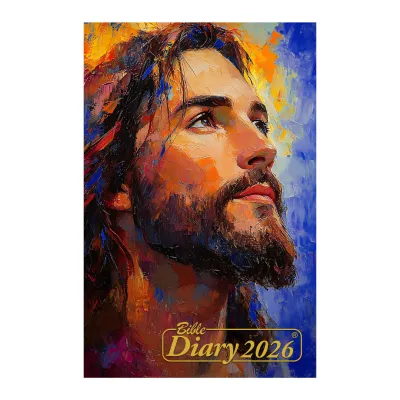
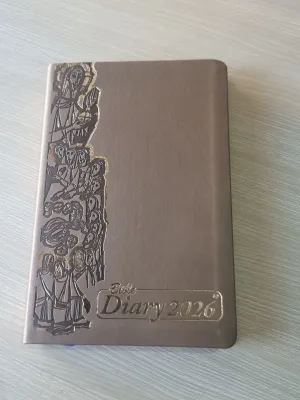
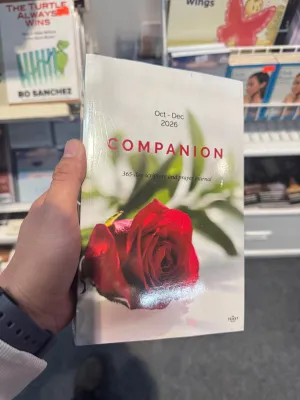
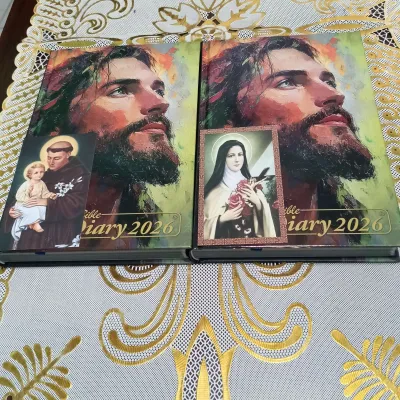
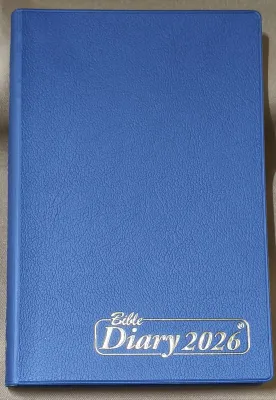
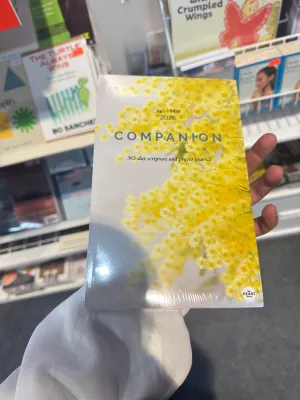
Prices are valid at publication and may change. Please refer to the product page for the latest price.
Furthermore, these diaries provide the specific scripture citations or the full texts for the daily Mass readings. Depending on the publisher, you may find the complete Gospel passage for the day, accompanied by a brief reflection written by a priest, theologian, or lay minister. This structure ensures that even on days when you cannot attend daily Mass, you remain connected to the universal Church’s daily liturgy.
Another key distinction is the inclusion of saint commemorations and traditional prayers. A standard planner rarely includes the lives of the saints or liturgical cues, whereas a Catholic diary often features short biographical sketches of the saints on their feast days. This provides daily inspiration and practical examples of Christian living that can guide your personal reflections and journaling.
The balance between structured content and open writing space is unique to these diaries. While secular planners prioritize task lists and goal-tracking grids, a Bible diary balances the printed scripture and reflection with blank or lined spaces designed specifically for prayer requests, personal insights, and spiritual resolutions. This layout encourages a contemplative approach to writing, transforming the act of planning into an exercise in spiritual discernment.
Key Features to Evaluate for Your Devotional Practice
When choosing your diary, the translation of the biblical text is one of the most critical factors to verify. Catholic Bibles and diaries in the Philippines commonly use translations approved by the hierarchy for liturgical or personal use, such as the New American Bible Revised Edition (NABRE), the Revised Standard Version Catholic Edition (RSV-CE), or the Christian Community Bible. Before purchasing, check the introductory pages or product specifications to confirm which translation is featured, as this will affect the tone, readability, and familiarity of the daily passages you read.

The layout of the daily and weekly spreads should directly match your established prayer habits. If you prefer deep, meditative journaling every morning, look for a diary that dedicates a full page to each day, offering ample blank space alongside the scripture passage. Conversely, if your routine involves quick, structured reflections on the go, a weekly layout that displays the readings for seven days across a two-page spread may be more practical and easier to carry.
Physical durability is an especially important consideration in the Philippines, where high humidity, tropical heat, and sudden downpours during the rainy season can take a toll on paper products. Look for diaries with sturdy covers, such as thick hardcovers, water-resistant vinyl, or high-quality faux leather. The binding should ideally be sewn rather than merely glued, allowing the diary to lay flat on a desk without the pages pulling apart after months of daily use.
Paper quality also plays a significant role in the usability of your diary. Thin, low-grade paper can suffer from “ghosting” or ink bleed-through, especially if you prefer using gel pens, fountain pens, or highlighters to mark meaningful passages. Opt for diaries that specify a higher paper weight or those that use acid-free paper, which resists yellowing and deterioration over time, preserving your written reflections for years to come.
Additionally, evaluate the supplementary materials included in the diary. Many publishers enrich their editions with sections dedicated to traditional Catholic prayers, the Rosary, the Way of the Cross, guides for the Sacrament of Reconciliation, and various novenas. Having these resources bound within your daily diary eliminates the need to carry separate prayer books, making it a comprehensive companion for both home adoration and chapel visits.
Where to Find and Verify 2026 Editions in the Philippines
Sourcing an authentic 2026 Catholic Bible diary requires purchasing from reputable and authorized distributors. In the Philippines, the most reliable sources are physical and online bookstores operated by established Catholic publishing houses and religious congregations. Organizations such as the Daughters of St. Paul (Paulines), the Society of St. Paul (St. Pauls), Claretian Communications Foundation, and Word & Life Publications have long histories of producing high-quality, liturgically accurate diaries. Visiting their physical branches or official online storefronts ensures you are purchasing a genuine product.
When shopping on major online marketplaces or ecommerce platforms, extra caution is necessary to avoid counterfeit copies or outdated editions. Always verify the seller’s profile to ensure they are an authorized distributor or a recognized parish-affiliated store. Read the product descriptions carefully and look for clear photos of the copyright page and the interior layout. If a listing uses generic stock images or lacks specific details about the publisher, it is safer to look elsewhere.
One common pitfall is accidentally purchasing a diary from a previous year or one designed for a different liturgical cycle. Because publishers often use similar cover designs from year to year, always double-check that the title explicitly states “2026” and that the interior pages align with the 2026 calendar year. In the Catholic Church, the liturgical year does not run strictly from January to December; it begins on the First Sunday of Advent, which for the 2026 liturgical year actually starts in late November 2025. Verifying this detail prevents the frustration of using a diary with mismatched readings.
Furthermore, check the shipping and handling policies when ordering online, especially during the peak season of late autumn and early winter. Because these diaries are highly sought after as personal tools and Christmas gifts, ordering early in the year—typically around September or October—helps secure your preferred edition before local stocks run low. It also allows sufficient time for delivery, ensuring your diary arrives well before the start of the new liturgical year.
Building Your Shortlist: A Step-by-Step Selection Checklist
To narrow down your choices and find the perfect diary, begin by defining your personal non-negotiables. Decide whether you require a compact, pocket-sized diary that fits easily into a bag for daily commutes, or a larger desk-sized edition that stays on your home altar. Consider your preferred cover material and whether you need a built-in ribbon marker to keep track of your daily progress. Establishing these criteria first will immediately filter out options that do not fit your lifestyle.
Next, actively compare the interior layouts of the diaries on your shortlist. If you are shopping online, look for publishers that offer “look inside” features, video previews, or detailed customer photos showing the actual page spreads. Pay close attention to the font size and readability of the text; a diary with tiny print may cause eye strain during early morning or late-night reflections, undermining your commitment to daily use.
Evaluate the price points of the available options in Philippine Pesos (₱). While some premium leather-bound diaries may carry a higher price tag, consider this cost against the expected frequency of use over 365 days. A slightly more expensive diary with durable binding and high-quality paper often represents a better long-term value than a cheaper, poorly bound alternative that may fall apart by mid-year. However, excellent, budget-friendly paperback options exist that offer the exact same liturgical content without the premium cover materials.
Finally, perform a final verification of the liturgical details before making your purchase. Ensure the diary explicitly states that it follows the correct liturgical cycle for 2026. For the year 2026, the Sunday readings follow Cycle B (which transitions to Cycle C in late November 2026), and the weekday readings follow Year II. Confirming these technical details guarantees that your daily reflections will remain perfectly synchronized with the universal Church throughout the year.
Frequently Asked Questions (FAQ)
Do Catholic Bible diaries follow the same reading cycle every year?
No, Catholic Bible diaries do not follow the same reading cycle every year. The Catholic Church structures its daily Mass readings on a rotating cycle to ensure that faithful readers encounter a wide range of scripture over time. The Sunday readings run on a three-year cycle designated as Year A, Year B, and Year C, while the weekday readings run on a two-year cycle designated as Year I (odd-numbered years) and Year II (even-numbered years). For the year 2026, the weekday readings follow Year II, and the Sunday readings primarily follow Cycle B until the start of Advent in late November, when the cycle transitions to Cycle C. A proper 2026 Catholic Bible diary will automatically have these specific cycles mapped out for each day, saving you the trouble of calculating them yourself.
Can I use a generic Christian journal if I cannot find a specific Catholic edition?
Yes, you can use a generic Christian journal or a standard blank notebook if you cannot find a specific Catholic edition, though it will require more manual preparation. A generic journal will lack the pre-printed Catholic liturgical calendar, daily Mass scripture citations, saint feast days, and specific Catholic reflections. To bridge this gap, you can manually look up the daily Catholic Mass readings using an official online liturgical calendar or an approved Catholic mobile application. You can then write the daily citations at the top of your journal pages and use the blank space for your personal reflections and prayers. While this method requires extra effort each day, it offers complete freedom in choosing your notebook style and allows you to maintain your Catholic devotional practice using any high-quality journal.
Community discussion
Share your experience or ask a question. Comments are reviewed before publication.