
Finding the right bass guitar pick as a beginner in the Philippines is a crucial step in shaping your early playing experience, directly influencing both your physical comfort and your instrument’s tone. While many new players assume any standard guitar pick will suffice, the heavy gauge of bass strings demands an accessory designed to handle greater tension and resistance. Selecting a pick with the appropriate thickness, shape, and material ensures you can practice for longer periods without hand fatigue while developing a clean, consistent plucking technique.
By understanding how different pick characteristics interact with thick bass strings, you can avoid common pitfalls like dropped picks, weak tone, or premature hand strain. The ideal starting point involves exploring options that offer a secure grip and sufficient rigidity to move the heavy strings without bending excessively. This guide will walk you through the essential features to look for, how to evaluate materials, and how to assemble a budget-friendly selection to find your perfect match in the local market.
Why Bass Players Need Different Picks Than Guitarists
Playing the bass guitar involves interacting with strings that are significantly thicker and under much higher tension than those of a standard electric or acoustic guitar. Because of this physical difference, a standard, thin guitar pick will simply bend or flutter when striking a bass string, resulting in a weak, thin sound and a lack of rhythmic control. Bassists require picks that possess enough structural integrity to displace these heavy metal strings cleanly, transferring the energy of your hand directly into a clear, resonant note.
Products mentioned in this guide

![[ammoon]3Pcs Guitar Picks Musical Instrument Accessories for Electric Guitar Bass (Heavy)](https://img.lazcdn.com/g/p/ca4e1c04d0860ca9c2da7ec09da8caab.jpg_400x400q80.jpg_.webp)
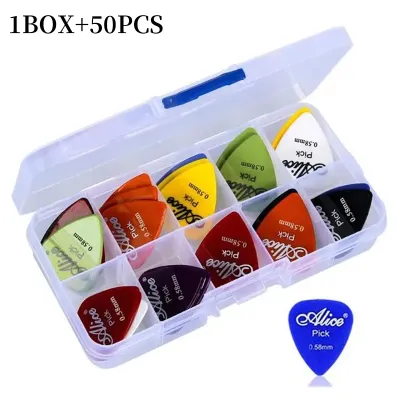
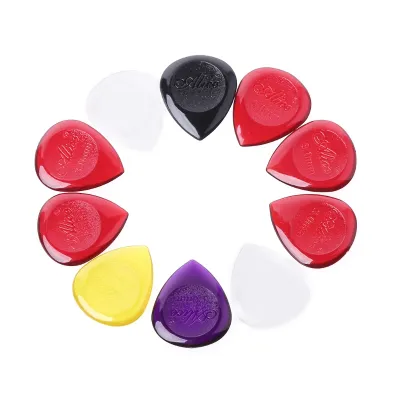
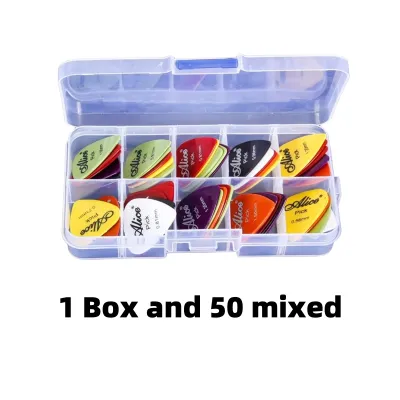

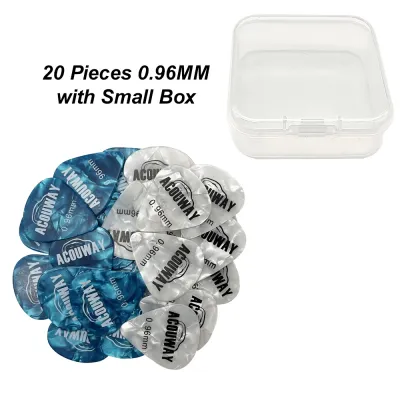
Prices are valid at publication and may change. Please refer to the product page for the latest price.
The physical force required to pluck a bass string also places unique demands on your hand and fingers. When using a pick that is too small or too flexible, you are forced to squeeze tighter to maintain control, which quickly leads to cramping in your thumb and forearm. Larger picks provide more surface area for your fingers to hold, distributing the pressure more evenly and allowing for a relaxed, sustainable grip during extended practice sessions. This ergonomic advantage is especially important for beginners who are still building hand strength and muscle memory.
Furthermore, the mass of the pick directly influences the acoustic properties of your bass. A heavier, thicker pick delivers a more consistent attack, ensuring that every note has a defined beginning and a robust low-end presence. This consistency is vital in a band setting or during practice, as the bass serves as the rhythmic and harmonic foundation of the music. By choosing a pick designed to handle the scale of a bass guitar, you establish a solid technique that supports both your physical endurance and your overall tone.
Core Features to Evaluate for Beginner-Friendly Playability
When evaluating picks as a beginner, the overall shape or profile is one of the first features to consider. Standard triangle picks, which are larger and have three identical corners, are highly favored by bassists because they offer a substantial area to grip and can be rotated to use any of the three points. Teardrop profiles, on the other hand, are smaller and offer a more precise, focused attack, but they require a more refined grip to prevent slipping. For most beginners, starting with a larger triangle shape provides the stability needed to focus on basic picking motions.

The design of the pick’s edges also plays a significant role in how smoothly you can play. Picks with sharp, unrefined edges tend to catch on the thick windings of bass strings, causing a harsh clicking sound and disrupting your playing rhythm. Look for picks that feature beveled or rounded edges, which allow the plastic to glide smoothly over the strings with minimal resistance. This smooth release reduces the physical effort required for each stroke and helps you maintain a steady tempo as you practice basic scales and basslines.
Grip security is another critical factor, especially in the warm, humid climate of the Philippines, where sweaty hands can easily cause a smooth pick to spin or fly out of your fingers. Many manufacturers address this by incorporating raised textures, molded grip patterns, or matte finishes onto the surface of the pick. Some designs even feature physical holes or rubberized inserts to maximize friction. Prioritizing picks with built-in grip enhancements will save you from constant frustration and allow you to maintain a relaxed hand posture.
Navigating Materials and Thickness for Bass Tone
To make an informed choice, you must understand how pick thickness is categorized and how it translates to playability. For bass playing, picks are generally classified from medium to extra heavy, with measurements typically ranging from 1.0 mm to well over 3.0 mm. Beginners should generally avoid anything under 1.0 mm, as these thinner options lack the rigidity needed to move heavy bass strings effectively. A thickness between 1.14 mm and 1.5 mm is often considered the sweet spot for new players, offering a balance of stiffness and slight flexibility.
The material from which a pick is made determines its durability, flexibility, and tonal character. Celluloid is a traditional material that offers a warm tone, but it can wear down quickly and become slippery when wet. Nylon is highly flexible and durable, often featuring excellent molded grips, though it can sound a bit soft on the attack. Materials like Delrin, Tortex, or Ultex are highly popular among modern bassists because they offer exceptional stiffness, a bright and clear attack, and a matte texture that naturally resists slipping.
When shopping online or in local music stores, always check the manufacturer’s specifications for the exact millimeter measurement rather than relying solely on terms like ‘heavy’ or ‘extra heavy.’ Different brands have varying definitions of these terms, and a ‘heavy’ guitar pick might only be 0.8 mm, which is still too thin for bass. Look for clear labeling on the packaging or in the product description that states the precise thickness in millimeters, ensuring you get an accessory capable of handling your instrument’s strings.
Where to Source Authentic Picks in the Philippines
Sourcing authentic, high-quality picks in the Philippines requires a bit of care, as the market contains various low-grade counterfeits that wear out rapidly or break under tension. Visiting an established local music retailer is highly recommended for beginners, as it allows you to physically feel the weight, texture, and size of different picks before spending any money. Many physical stores in major cities and shopping malls carry reputable international brands and allow you to purchase individual picks to try out.
If you prefer the convenience of online marketplaces, it is essential to verify the credibility of the seller to ensure you are receiving genuine products. Look for official brand stores or authorized local distributors on these platforms, which often carry a verification badge or a high positive rating. Read through customer reviews specifically looking for comments on the packaging and the print quality on the picks, as genuine accessories will have crisp, durable branding that does not easily scratch off.
Be cautious of red flags that indicate counterfeit or sub-par products when browsing online listings. Suspiciously low prices for large bulk packs, generic packaging without brand logos, or blurry product photos are common signs of imitation goods. While a cheap pick might seem like a low-risk purchase, counterfeit materials often split or snap unexpectedly, which can be frustrating during practice. Investing a small amount more in genuine accessories from trusted sources ensures consistent performance and durability.
How to Build a Budget-Friendly Pick Variety Pack
Rather than buying a large bag of a single type of pick, the most effective strategy for a beginner is to assemble a personalized variety pack. This approach allows you to test different shapes, materials, and thicknesses side-by-side to discover what feels most comfortable for your unique hand size and playing style. By selecting four or five individual picks across a spectrum of specifications, you can systematically narrow down your preferences without spending a significant amount of money.
A realistic starter budget for a comprehensive testing assortment is quite modest, typically ranging from ₱150 to ₱300. This budget is sufficient to purchase several high-quality, individual picks from reputable brands at local music shops or verified online sellers. When selecting your assortment, aim to include one large triangle pick, one standard shape with a textured grip, and a mix of thicknesses such as 1.0 mm, 1.14 mm, and 1.5 mm, made from different materials like nylon and Delrin.
To get the most out of your variety pack, establish a simple framework for evaluating each option during your daily practice sessions. Spend at least fifteen minutes playing the same basic bassline with one pick, paying close attention to how secure it feels in your hand, how much effort is required to strike the strings, and the clarity of the sound produced. Note down your observations, and over the course of a week, you will naturally identify which pick minimizes hand fatigue and delivers the most satisfying tone for your bass.
Frequently Asked Questions (FAQ)
Do I strictly need a specialized bass pick to play bass guitar?
While you do not strictly need a pick labeled specifically for bass, using a standard, thin guitar pick will make learning much more difficult. Standard picks are designed for lighter strings and will bend excessively against the high tension of a bass, leading to poor control and a weak tone. It is highly recommended to start with a thicker, larger pick—whether marketed for guitar or bass—to ensure proper technique, better hand comfort, and a more defined sound from the beginning.
How often should a beginner replace their bass guitar pick?
A beginner should inspect their pick regularly for signs of wear, such as deep grooves worn into the edges, frayed plastic, or a loss of the surface grip texture. The lifespan of a pick depends on how often you practice and how hard you strike the strings, but a worn-out pick can catch on the strings and disrupt your playing. If you notice the edges have become rough or the pick has lost its original shape, it is time to replace it to maintain a smooth, consistent attack.
Can I use a standard, thin guitar pick for bass strings?
Using a standard, thin guitar pick on a bass is not recommended because the thin material lacks the stiffness required to move heavy bass strings. The pick will flex too much, resulting in a delayed attack, inconsistent timing, and a very thin, clacky sound that lacks low-end power. To get a punchy, clear bass tone and avoid hand strain from overcompensating, you should use a pick with a minimum thickness of 1.0 mm, which provides the necessary resistance.
Community discussion
Share your experience or ask a question. Comments are reviewed before publication.