
Choosing your first bass amplifier is just as important as selecting the instrument itself. For beginners in the Philippines, finding the right balance between power, physical size, and practical features requires understanding how low-frequency sound behaves in different environments. Unlike standard electric guitars, bass guitars demand specialized speaker designs and robust power supplies to reproduce deep tones clearly without distorting.
For most home learners, a solid-state combo amplifier rated between 15 and 40 watts provides the ideal starting point, offering clean tones at manageable volumes. If your goal is to play with a live drummer, you will need to scale up to at least 100 watts to remain audible. By focusing on essential practice tools like headphone outputs and durable cabinet construction, you can make an informed purchase that supports your musical growth.
Assessing Your Practice Space and Volume Needs
Your playing environment is the most critical factor when deciding on the physical size and power output of your new amplifier. A common mistake is buying an oversized amplifier that cannot be played at its optimal volume without disturbing others. For bedroom practice, a compact combo amplifier is highly efficient, taking up minimal floor space while delivering clear, articulate sound at low volumes.
Products mentioned in this guide
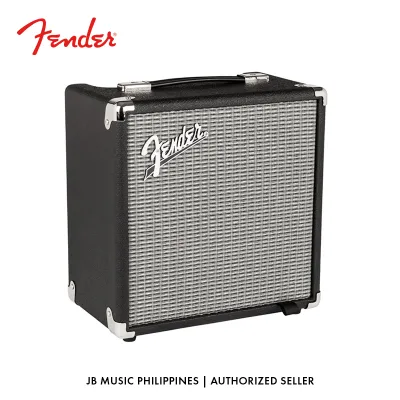
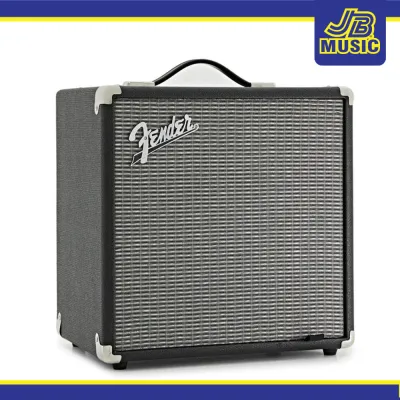
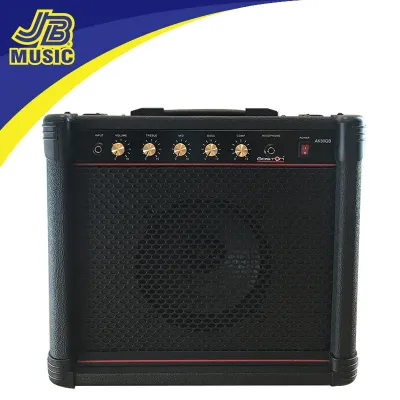
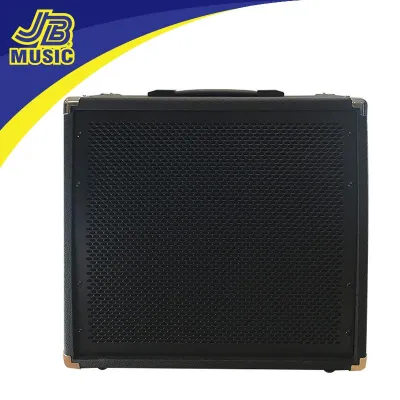
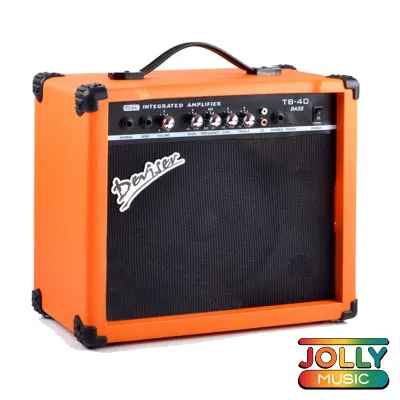
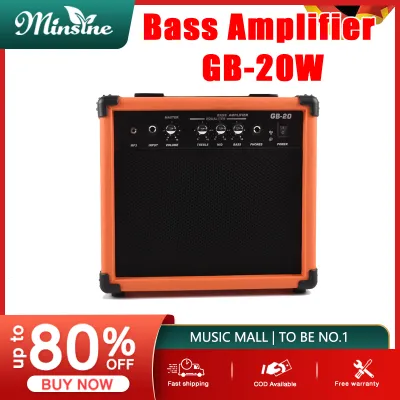
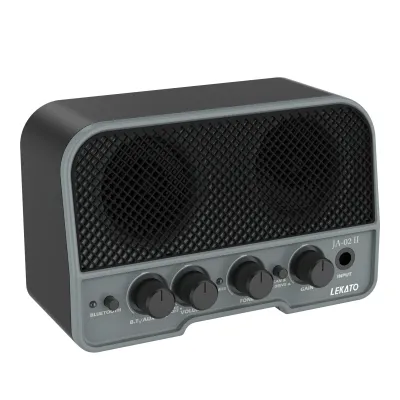
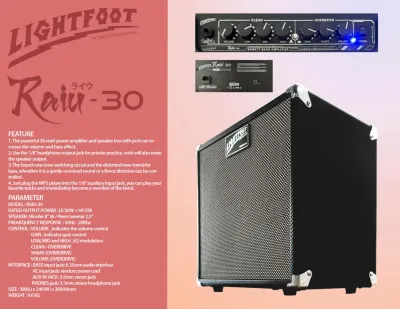
Prices are valid at publication and may change. Please refer to the product page for the latest price.
If you plan to rehearse in a garage or a dedicated studio space with other musicians, your volume requirements will increase dramatically. Competing with the acoustic volume of a drum kit requires significant power and larger speakers to prevent your sound from being drowned out. Portability also becomes a major consideration if you frequently transport your gear to rehearsals or lessons. A heavy, oversized cabinet can be difficult to carry on public transport or load into a small vehicle, making a lightweight combo design under 15 kilograms highly desirable.
Managing low-frequency sound transmission is another unique challenge, especially in typical Philippine residential areas. Many homes and apartments utilize concrete hollow block walls, which reflect high frequencies but allow deep bass vibrations to pass through easily. These low-frequency waves travel through floors and walls, potentially causing unwanted noise issues with family members or neighbors. To maintain harmony in shared living spaces, prioritizing an amplifier with a high-quality headphone output is essential for silent practice sessions during late hours.
Reading the Spec Sheet: Wattage, Speakers, and Circuitry
Understanding the technical specifications on an amplifier’s product label helps you make an objective decision based on performance capabilities rather than marketing claims. The most critical power metric to look for is Root Mean Square (RMS) wattage, which measures the continuous power an amplifier can deliver cleanly. You should ignore “peak” or “max” wattage ratings, as these figures only represent short, unsustainable bursts of power that do not reflect real-world performance.

Sufficient headroom is vital for bass amplification because low frequencies require significantly more electrical energy to reproduce than high frequencies. If an amplifier lacks adequate headroom, the signal will clip, resulting in a harsh, muddy distortion that masks your playing dynamics. For clean, articulate bass tones at home, a minimum of 15 to 30 watts RMS is recommended, while group rehearsals generally require 100 watts RMS or more to maintain clarity.
Speaker cone size directly influences how effectively an amplifier reproduces low-end frequencies. Smaller speakers, such as 8-inch cones, are highly responsive and excellent for compact practice setups, though they may lack the deep sub-bass resonance of larger designs. A 10-inch or 12-inch speaker offers a balanced compromise, providing punchy midrange clarity and satisfying low-end depth without requiring an excessively large cabinet.
The internal circuitry of the amplifier also affects its maintenance requirements and suitability for local conditions. While tube amplifiers are prized for their warm, vintage compression, they are heavy, expensive, and highly sensitive to the high humidity and ambient temperatures common in tropical climates. The delicate vacuum tubes can degrade quickly if exposed to moisture and heat. For beginners, solid-state or digital modeling circuits are highly recommended because they are lightweight, highly reliable, and require virtually no ongoing maintenance.
Essential Built-In Features for Learning and Silent Practice
A beginner-friendly bass amplifier should do more than just make your instrument louder; it should serve as a functional tool that facilitates daily practice. Dedicated headphone outputs and auxiliary inputs (Aux In) are non-negotiable features for modern learners. A standard 3.5mm or 6.35mm headphone jack allows you to practice silently at any hour, automatically muting the main speaker when connected. The auxiliary input lets you connect a smartphone or laptop via an audio cable, enabling you to play along with backing tracks, metronomes, or online instructional videos directly through your headphones or speaker.
Basic equalization (EQ) controls are essential for shaping your fundamental tone and adapting to different room acoustics. Most entry-level amplifiers feature a three-band EQ consisting of Bass, Middle, and Treble knobs. Learning how to adjust these controls helps you understand how different frequencies affect your overall sound. For instance, if your practice room has a boomy echo, rolling back the Bass control slightly can clean up your tone, while boosting the Middle control can help your notes sound more distinct.
Some modern amplifiers also include integrated chromatic tuners and basic metronomes or drum patterns. Having a built-in tuner streamlines your setup, allowing you to quickly tune your instrument without needing to plug in an external pedal or use a mobile app. An onboard metronome or rhythm guide is incredibly valuable for developing consistent timing, which is the foundational skill of any successful bass player.
Matching Amplifier Profiles to Your Specific Beginner Scenario
To narrow down your choices, it helps to match your purchase to your immediate musical goals and daily playing context. Beginners generally fall into one of three distinct scenarios, each requiring a different style of amplification.
The Dedicated Home Learner If your primary goal is to learn the bass in your bedroom or study, your main priorities are compact size, low volume clarity, and silent practice features. A low-wattage combo amplifier rated between 15 and 30 watts RMS is the perfect fit. These units typically feature an 8-inch speaker, which provides plenty of definition for solo practice without taking up valuable floor space. Look for models that emphasize high-quality headphone preamps and auxiliary inputs so you can practice comfortably alongside online lessons.
The Garage Band Participant If you plan to join a band or jam with friends immediately, a small practice amplifier will not be loud enough to compete with an acoustic drum kit. For this scenario, you should look for a combo amplifier rated at 100 watts RMS or higher, paired with a 12-inch or 15-inch speaker. This setup provides the necessary volume and low-end headroom to remain clear and audible alongside drums and electric guitars. Ensure the cabinet features rugged construction, reinforced corners, and a sturdy carrying handle to withstand the wear and tear of frequent transport.
The Acoustic or Studio-Focused Player If you are playing in an acoustic ensemble, a church worship group, or plan to record your progress at home, clean headroom and signal routing are your primary concerns. A mid-sized amplifier rated between 40 and 50 watts with a flat, transparent frequency response is ideal for preserving the natural tone of your instrument. For this setup, look for an amplifier that features a Direct Output (DI Out), typically an XLR connection. This allows you to send a clean, balanced signal directly to a PA system or an audio interface for recording, bypassing the need to place a microphone in front of the speaker.
In-Store Testing and Pre-Purchase Verification Checklist
Before finalizing your purchase at a local music store, performing a thorough physical and functional inspection ensures you receive a reliable, defect-free product.
Functional Sound Test
- Plug in a bass guitar and turn the volume up gradually to check for excessive background hiss or hum.
- Turn up the Bass EQ control and play low notes, such as an open E string, to listen for any cabinet rattling, loose components, or speaker distortion.
- Turn each control knob slowly to ensure the volume and tone adjust smoothly without any scratchy static noises or sudden jumps.
Physical Build Inspection
- Gently wiggle the input jack to verify it is securely mounted to the chassis and does not feel loose or flimsy.
- Inspect the cabinet exterior for any cracks, peeling vinyl wrap, or loose corner protectors.
- Check the power cable connection and ensure the power switch operates cleanly with a firm click.
Warranty and Accessories Verification
- Confirm the local warranty terms with the retailer and ensure they provide an official warranty card.
- Verify that authorized service centers are accessible within the Philippines to handle any future repairs.
- Double-check that all included accessories, such as the power cable, owner's manual, and any necessary adapter plugs, are present in the box.
Frequently Asked Questions (FAQ)
Can I use a standard guitar amplifier for my bass guitar?
While you can physically plug a bass guitar into a standard electric guitar amplifier, doing so at normal practice volumes carries a high risk of damaging the speaker. Guitar amplifiers are designed to handle mid-to-high frequencies, and their speaker cones have limited physical travel. Bass guitars produce powerful low-frequency waves that force the speaker cone to move much further. Pushing these low frequencies through a guitar speaker can easily tear the paper cone, overheat the voice coil, or cause permanent hardware failure. Always use an amplifier specifically engineered for bass frequencies to ensure safe operation and proper tone reproduction.
Do I need external effects pedals if my amplifier has built-in modeling?
For a beginner, an amplifier with built-in digital modeling and effects is highly practical and cost-effective. These integrated systems allow you to experiment with essential effects like compression, chorus, and overdrive without the added expense of individual pedals, patch cables, and power supplies. This built-in versatility helps you discover which sounds you enjoy using before making a financial commitment. As your skills progress and you develop a specific tonal preference, you can transition to external pedals to customize your signal chain, but starting with built-in modeling keeps your practice space clean and your initial investment low.
Community discussion
Share your experience or ask a question. Comments are reviewed before publication.