
Choosing the most suitable BABYMONSTER album version depends on whether you prioritize a large, visually stunning photobook to display on your shelf, or if you prefer a compact, photocard-heavy format that fits easily into a binder. For fans of this global group, each comeback brings a complex array of physical formats, digital editions, and exclusive merchandise. To maximize the value of your collection and secure the specific photocards and inclusions you desire, it is essential to understand how these releases are structured.
In the Philippines, collecting physical music merchandise requires additional strategic planning. Tropical humidity can easily damage delicate paper goods, while international shipping costs and local retail markups can significantly impact your budget. By evaluating the differences between standard photobooks, member-specific digipacks, and digital platform versions, you can make an informed purchase that aligns with your collecting goals and budget.
Understanding BABYMONSTER Album Formats and Standard Inclusions
Physical albums generally fall into three distinct categories, each offering a different balance of media, printed content, and collectible inserts. Standard physical releases, often referred to as photobook versions, are the traditional flagship products of any comeback. These editions are typically the largest and most expensive, featuring a high-page-count photobook, a physical CD, and a generous assortment of large-format inclusions such as folded posters, postcard sets, lyric booklets, and sticker sheets. They also contain random photocards, which are the primary target for many collectors. Because of their size and weight, these versions are ideal for fans who enjoy the tactile experience of flipping through high-quality photography and displaying prominent items on their shelves.
Products mentioned in this guide
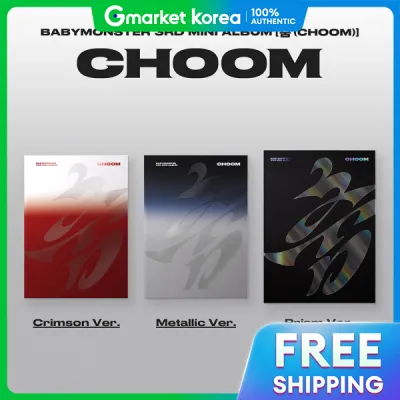

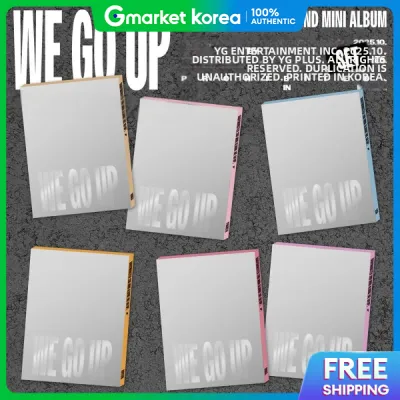
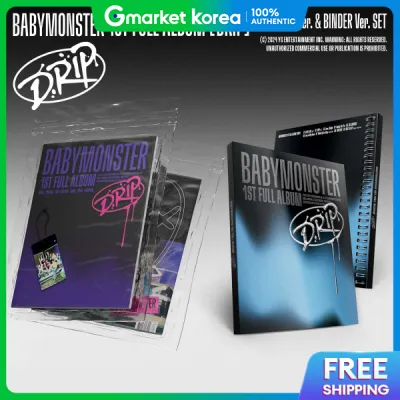
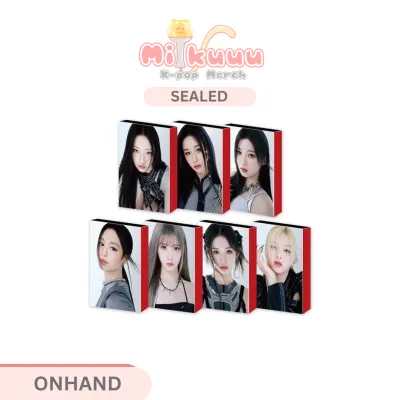
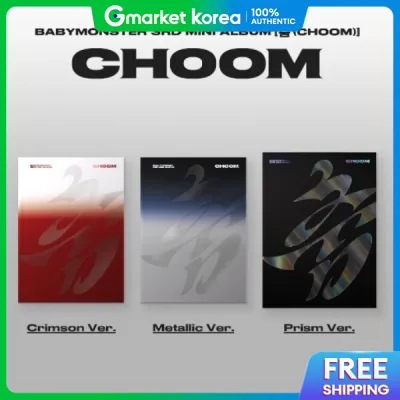

Prices are valid at publication and may change. Please refer to the product page for the latest price.
For collectors who focus on a single member, digipacks or member-specific versions offer a more targeted alternative. These editions are usually mid-sized and feature individual member artwork on the cover. Inside, the photobook is typically smaller, and the inclusions are often themed around that specific member. While they still contain random elements, the pool of potential photocards is sometimes narrower, making it slightly easier to obtain items featuring your favorite member. Digipacks are generally more affordable than standard photobooks, making them a popular choice for fans on a budget or those who want to support a specific artist within the group.
Platform-specific versions, such as Weverse, SMini, or Tag albums, represent the digital-physical hybrid segment of modern music collecting. These formats do not contain a physical CD. Instead, they feature a digital code, QR code, or an NFC chip that allows you to register the album on a dedicated mobile application to stream the music and access exclusive digital content. Before purchasing these versions, it is crucial to verify device compatibility, as some older smartphones may lack the necessary NFC readers or operating system updates required to run the official playback apps. Physically, platform albums are highly compact, often consisting of a small cardholder containing a set of physical photocards and a user manual. They are designed specifically for space-conscious collectors who prioritize photocard volume over physical discs and large paper goods.
Because YG Entertainment structures each comeback uniquely, the exact volume and distribution of inclusions will vary with every release. Collectors should never assume that a new album will mirror the exact contents of a previous one. It is highly recommended to check the official unboxing specifications and tracklists published on the group’s official social media channels before placing a preorder. This step ensures you know exactly how many random photocards are included per version and what physical dimensions to expect.
Evaluating Photocard Rarity and Collection Value Across Versions
Photocards have become the cornerstone of the K-pop collecting experience, with some cards commanding significant attention on the secondary market. To build your collection efficiently, you must distinguish between the different types of cards available. Standard in-album photocards are those packaged directly inside the sealed album. These are distributed randomly, meaning you will need to trade with other fans or purchase multiple copies if you want to complete a full set.

Preorder benefits (POBs) are exclusive photocards offered by specific retailers, such as official brand stores or major international music distributors, as an incentive for purchasing the album before its official release date. These cards are not found inside the album packaging; instead, they are distributed separately by the retailer. POBs are highly prized because they feature unique, version-exclusive concept photos that are not available in standard retail copies. Because they are only printed during the preorder window, their availability drops sharply after the album releases, often driving up their value among collectors.
Lucky draw events represent another tier of photocard collecting. These are special promotional events held by select retailers, often involving a physical or digital machine that randomly dispenses a card for every album purchased. Lucky draw cards are frequently printed on durable materials like PVC rather than standard cardstock, giving them a distinct feel and premium look. Due to the limited duration of these events and the randomness of the distribution, lucky draw cards are among the rarest and most challenging items to acquire.
The desirability of a photocard is also heavily influenced by member-specific demand and the aesthetic of the concept photos. Each album version typically showcases a different visual theme, ranging from edgy streetwear to elegant high-fashion concepts. Collectors often prefer certain concepts over others, which directly affects the trading dynamics within the fan community. To plan your collection strategy, it is wise to consult community-generated photocard templates and trackers. These visual guides, compiled by dedicated fans shortly after a release, display every available card variation, allowing you to identify which versions contain the concepts you find most appealing.
Sourcing Official Albums and Verifying Authenticity
As the popularity of BABYMONSTER grows, so does the risk of encountering counterfeit merchandise or tampered products. To protect your investment, you should always prioritize purchasing from authorized retailers, official brand stores, or recognized K-pop specialty shops that officially report sales to major music charts like Hanteo and Circle Chart. Buying from these verified sources ensures that your purchase directly supports the artists and guarantees that you receive a genuine, complete product.
When shopping on general online marketplaces or ecommerce platforms, extreme caution is required. Unverified sellers often list “unsealed” albums at a fraction of the retail price. While this can be a cost-effective way to obtain the physical photobook and CD, these albums have almost always been opened so the seller can extract the highly valued photocards and random inclusions. If your goal is to pull your own photocards, you must ensure the product listing explicitly states that the album is brand new and factory-sealed.
To verify the authenticity of a physical album, inspect the packaging for official licensing markers. Genuine South Korean music releases feature a KOMCA (Korea Music Copyright Association) hologram sticker on the back cover. This sticker reflects light in a specific pattern and contains a unique serial number and watermark that are difficult for counterfeiters to replicate. Additionally, examine the overall print quality of the album cover; official merchandise features crisp, high-resolution imagery, precise color alignment, and sturdy, high-quality cardstock or paper.
Be particularly cautious when purchasing loose photocard bundles sold separately from the album. Counterfeit photocards are common on secondary marketplaces. Official photocards are manufactured with high standards, featuring clean, rounded corners and often small, subtle “press tabs” or cutting marks on the edges left over from the manufacturing process. Fake cards are often printed on thinner paper, lack the glossy or matte protective coating of official releases, and may exhibit blurry images or incorrect color saturation when compared side-by-side with a verified original.
Decision Checklist for Maximizing Your BABYMONSTER Collection
To make the most of your budget and storage space, it is helpful to establish a clear decision-making framework before purchasing. First, define your primary collecting goal: are you looking to display a complete set of physical albums on your shelf, or are you focused solely on collecting your favorite member’s photocards? If shelf display is your priority, investing in one or two premium standard photobook versions will give you the most satisfying physical product. If your goal is to maximize your photocard count, purchasing multiple platform or digipack versions may be a more cost-effective strategy.
Budgeting in the Philippines requires accounting for costs beyond the base price of the album. When ordering internationally, shipping fees can sometimes equal or exceed the cost of the album itself. Local K-pop specialty shops often offer group orders or pre-import stock, which can consolidate shipping costs and provide a more predictable price in ₱. However, be sure to factor in local shipping fees from the shop to your home, as well as any potential local retail markups.
Environmental factors are another critical consideration for Filipino collectors. The tropical climate and high humidity of the Philippines can cause paper inclusions to warp, mold, or stick together over time. To preserve the value of your collection, you should budget for high-quality storage accessories. Always store your photocards in acid-free, PVC-free plastic sleeves and place them in dedicated collecting binders. Avoid using cheap plastic sleeves that contain PVC, as the chemicals can degrade the photocard’s ink over time. Placing silica gel desiccant packs inside your storage boxes or binder drawers can also help control moisture levels.
Finally, keep a close eye on official comeback announcements and preorder deadlines. Securing your copy during the preorder phase is the only way to guarantee access to exclusive preorder benefits and ensure you do not miss out on limited-edition packaging. By planning your purchases around official release schedules, you can build a highly valuable and beautifully preserved collection.
Frequently Asked Questions (FAQ)
Do platform albums like SMini or Weverse versions include physical photocards?
Yes, platform albums like SMini or Weverse versions do include physical photocards, which are often the main draw of these formats. However, they do not contain a physical CD or a large-format photobook. Instead, they provide a digital code or NFC chip to access the music via a mobile app, accompanied by a small, curated selection of physical cards and minimal paper packaging.
How can I guarantee getting a specific member's photocard?
Because in-album photocards are inserted completely at random during manufacturing, there is no way to guarantee pulling a specific member’s card from a single sealed album. To secure your favorite member’s card, you can purchase member-specific digipack versions, buy multiple copies of an album to increase your odds, or participate in verified fan trading communities where collectors swap duplicate cards to complete their sets.
Community discussion
Share your experience or ask a question. Comments are reviewed before publication.