
Choosing the right Alesis electric drumset as a beginner in the Philippines requires matching your living space, budget, and practice goals with the right hardware configuration. Because electronic drum kits vary significantly in pad material, pedal design, and module capabilities, there is no single model that fits every aspiring drummer. Instead, the ideal kit is one that fits comfortably within your home, provides realistic physical feedback to build proper muscle memory, and connects seamlessly with your preferred learning tools. By focusing on key hardware specifications and understanding how different entry-level series compare, you can make an informed investment that supports your musical growth for years to come.
Core Specifications to Evaluate in an Alesis Drum Kit
When evaluating an electronic drum kit, the material of the drumheads is the most critical factor affecting both playability and acoustic noise. Mesh heads use woven fibers that can be tensioned with a standard drum key, offering a realistic rebound similar to acoustic drumheads. They are also significantly quieter, which is crucial for practicing in close-quarters residential areas like subdivisions or condominiums. Rubber pads, while durable and often more affordable, produce a louder acoustic thumping sound when struck and offer a stiffer rebound that does not mimic an acoustic drum as closely. In the warm, humid climate of the Philippines, mesh heads also offer better breathability and are less prone to the sticky degradation that can sometimes affect rubber surfaces over years of exposure to heat and moisture.
The drum module, or the brain of the kit, dictates the quality of your practice sessions through its built-in learning tools. Beginners should look for modules that include a built-in metronome with adjustable time signatures and tempos, as timing is the most critical skill for a drummer to develop. Coaching functions, such as rhythm checks or play-along tracks with the drum parts muted, provide structured practice sessions without requiring external software. Verify the variety and quality of the built-in drum kits in the module specifications, ensuring there are acoustic, electronic, and percussion sounds that match your preferred musical genres.
Products mentioned in this guide
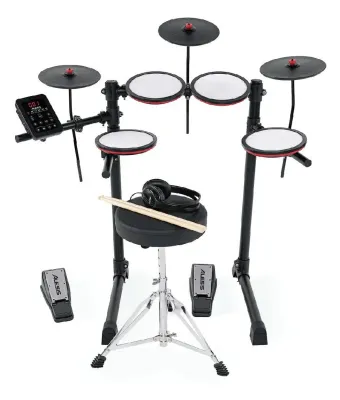
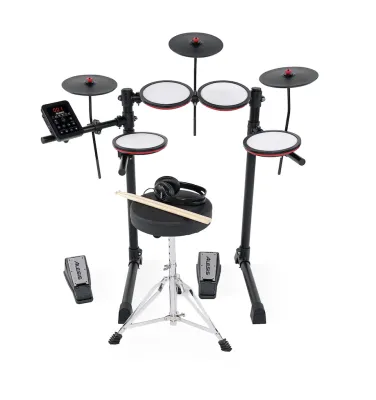
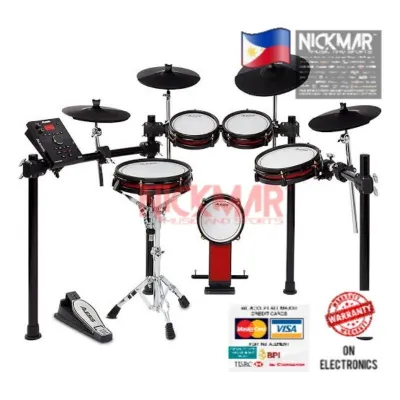
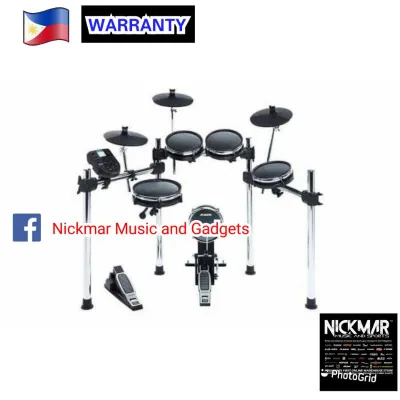
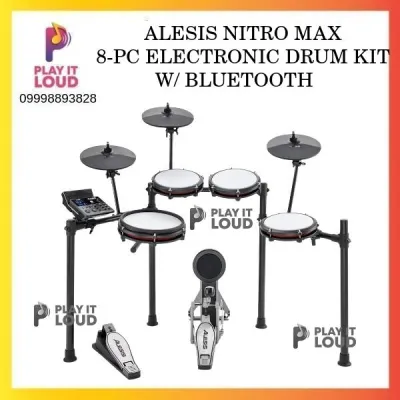
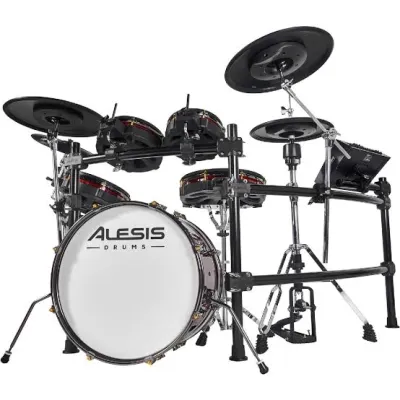
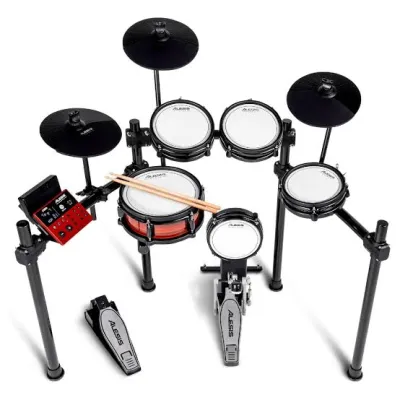
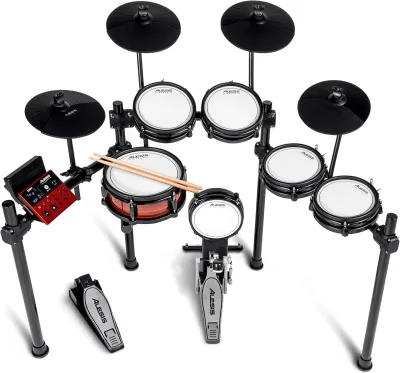
Prices are valid at publication and may change. Please refer to the product page for the latest price.
Modern learning often relies on digital integration, making connectivity options a key consideration. Ensure the module features a USB-MIDI port, which allows you to connect the drum kit directly to a computer, tablet, or smartphone. This connection is essential for using interactive drum learning applications, recording MIDI data into digital audio workstations, or triggering external virtual instrument software. Additionally, check for a standard 3.5mm or 6.35mm auxiliary input to plug in your phone for playing along to backing tracks, and dual output jacks for connecting to external amplifiers or audio interfaces.
How to Compare Alesis Entry-Level Drum Series
Compact and budget-friendly lines are designed specifically for tight spaces and tight budgets. These kits typically feature smaller pad sizes, often around 6 inches to 8 inches, and utilize simplified, non-physical kick pedals. Instead of a physical beater striking a pad, these kits use a foot switch controller to trigger the bass drum sound. While highly portable and easy to tuck into a bedroom corner, these switch-based pedals do not replicate the physical resistance or rebound of a real bass drum pedal, which can make transitioning to an acoustic kit more challenging later on.

Moving up to mid-tier options introduces full mesh heads across the snare and tom pads, along with a dedicated kick drum tower. A kick tower allows you to attach a standard acoustic single bass drum pedal, providing the exact physical feel of a felt or plastic beater striking a tensioned surface. This tier also introduces larger pad sizes, typically 8-inch dual-zone snare pads that allow you to trigger different sounds from the center of the head and the rim. The modules in this category generally feature expanded sound libraries, higher-quality samples, and more robust coaching features to keep you engaged during long practice sessions.
For those who want a setup that will last well into their intermediate years, advanced beginner kits offer larger, multi-zone pads and more sophisticated cymbal pads. Look for kits that feature dual-zone cymbals with choke capability, allowing you to grab the edge of the cymbal to silence the sound instantly, just like an acoustic cymbal. These setups often feature sturdier, four-post aluminum racks that prevent the kit from sliding or wobbling during intense play, and modules that support expansion, allowing you to add an extra tom or cymbal pad as your skills progress.
Before finalizing your purchase, always cross-check the exact included hardware, rack stability, and module version on the official product page or with the retailer. Manufacturers sometimes update kit configurations or offer regional variations that may include different pedal types, rack designs, or pre-packaged accessories. Verifying these details beforehand ensures you do not face unexpected compatibility issues when assembling your kit.
Essential Accessories and Space Requirements for Setup
An electronic drum kit requires a dedicated footprint of approximately 1.2 meters in width and 1.2 meters in depth to allow for comfortable positioning of the rack, throne, and pedals. If you live in a shared apartment or a compact condominium in Manila, measure your allocated space carefully before ordering. Some entry-level racks feature collapsible joints that allow you to fold the arms inward, reducing the footprint significantly when the kit is not in use, though you will still need a stable, flat surface during practice.
Because electronic kits do not produce loud acoustic sounds, you will need a way to hear your playing. Closed-back dynamic headphones are the most practical choice for silent practice, as they isolate your ears from the physical tapping sound of the sticks on the pads while preventing sound leakage into the room. If you wish to play aloud for family or band practice, you will need a dedicated electronic drum amplifier. Standard guitar amplifiers are not suitable, as they cannot handle the deep low-end frequencies of a bass drum or the crisp high-end of cymbals without distorting or risking speaker damage.
It is common for beginner drum kits to be sold without certain essential accessories. Always check the product listing to see if a drum throne, drumsticks, and a bass drum pedal are included in the box. Budgeting for these items separately is crucial; playing on an improper chair can lead to poor posture and back strain, while using the wrong type of drumsticks, such as those with damaged wood tips, can tear or prematurely wear out your mesh drumheads.
Purchasing Checklist for Music Stores and Online Retailers
Purchasing your drum kit from an authorized local distributor or a reputable music store ensures that you receive a genuine product backed by a valid local warranty. Buying from unauthorized sellers on general online marketplaces may save money upfront, but it often leaves you without recourse if a trigger fails or the module malfunctions. Authorized dealers also provide access to official firmware updates and replacement parts, which are vital for maintaining the longevity of your electronic instrument.
The standard electrical supply in the Philippines is 220V AC at 60Hz. Electronic drum modules rely on external power adapters to step down this voltage to low-voltage DC. Always verify that the included power adapter is rated for 220V input. If you purchase a kit imported from a region that uses 110V, plugging the adapter directly into a local outlet without a step-down transformer will permanently damage the adapter and potentially ruin the drum module.
When planning your purchase, set a comprehensive budget in Philippine Pesos (₱) that covers more than just the drum kit itself. A typical entry-level kit may range from ₱15,000 to ₱35,000, but you must also allocate funds for a sturdy drum throne (approx. ₱2,000 to ₱5,000), quality closed-back headphones (approx. ₱1,500 to ₱4,000), and potential shipping fees. Because drum kits are packaged in large, heavy boxes, shipping costs to provinces outside of Metro Manila can add a significant amount to your total expense.
Electronic drum pads rely on piezo-electric sensors to translate your physical strikes into digital signals. Before purchasing, clarify the retailer’s return policy regarding dead zones, double-triggering, or unresponsive pads. Test every pad and cymbal immediately upon unboxing, checking that the module registers soft taps as well as hard strikes across the entire surface of each pad.
Frequently Asked Questions (FAQ)
Can I use an Alesis electric drum set with drum learning apps?
Yes, you can connect your drum module to various interactive drum learning applications on your computer, tablet, or smartphone. To do this, you will need a standard USB Type-A to Type-B cable to connect the module’s USB-MIDI port to your device. If you are connecting to an iPad or iPhone, you will also need a compatible adapter, such as a Lightning-to-USB or USB-C-to-USB camera adapter. Once connected, the learning app will recognize your drum strikes in real-time, allowing you to play interactive lessons, receive instant feedback on your timing, and track your practice progress.
How much space do I need for a beginner electronic drum kit?
A standard beginner electronic drum kit requires a clear floor area of about 1.2 meters wide by 1.2 meters deep to accommodate the rack, the drum throne, and the natural extension of your arms and legs while playing. If your practice space is limited, look for kits that feature collapsible or folding racks. These designs allow you to fold the side arms of the rack inward without removing the pads, reducing the storage footprint to about half its playing size so you can easily slide the kit against a wall or into a closet when not in use.
Are mesh pads necessary for a complete beginner?
While not strictly mandatory to learn the basic mechanics of rhythm, mesh pads are highly recommended for beginners due to their superior feel and noise reduction. Mesh heads provide a natural rebound that closely mimics the tension of an acoustic drumhead, helping you develop proper stick control, finger technique, and wrist rebound from day one. Additionally, mesh pads are significantly quieter than solid rubber pads, making them the ideal choice if you live in a shared household, apartment, or a close-knit neighborhood where the repetitive tapping of rubber pads could cause a disturbance.
Community discussion
Share your experience or ask a question. Comments are reviewed before publication.