
Walking into a bookstore or browsing an online catalog can feel incredibly overwhelming. With thousands of titles promising to transform your life, boost your productivity, or secure your financial future, finding the one book that actually speaks to your current situation is a challenge in itself. Many readers end up buying books based on temporary trends, only to find the advice irrelevant to their immediate struggles.
To make real progress, you must move away from generic recommendations and focus on your specific needs. Finding the right book requires a systematic approach: diagnosing your primary life challenge, matching it to the correct thematic framework, and verifying the book’s credibility and format before you commit your time and money. By treating reading as a targeted intervention rather than a passive hobby, you can select a guide that offers practical, actionable solutions for your life today.
Identifying Your Current Life Challenge
Before you can find the right book, you must identify the exact nature of the hurdle you are facing. Life challenges rarely present themselves in isolation, but one area usually demands more immediate attention than the others. Pinpointing this primary pain point prevents you from scattering your focus across too many self-improvement goals at once.
Products mentioned in this guide

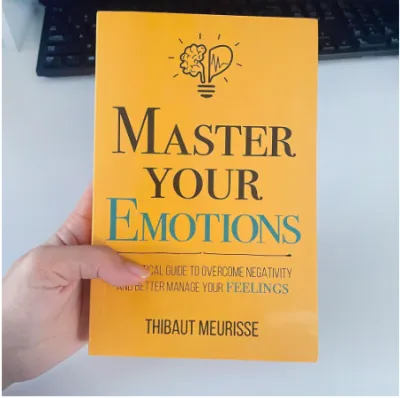

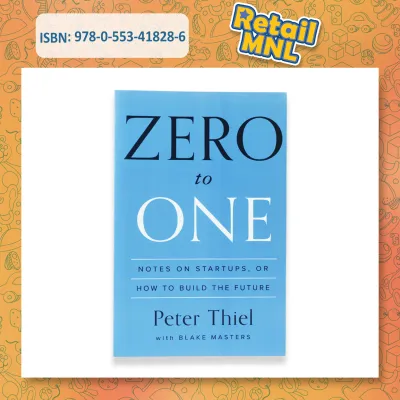
Prices are valid at publication and may change. Please refer to the product page for the latest price.
Career stagnation and professional burnout are common starting points. You might find yourself waking up with a sense of dread, feeling uninspired by your daily tasks, or realizing that your professional growth has plateaued. If your daily routine feels like an endless cycle of unfulfilling tasks, or if you are struggling to find direction after a major career shift, your primary challenge lies in professional development and purpose.
Financial stress is another major catalyst for seeking guidance. This challenge manifests as constant anxiety over rising living costs, a persistent cycle of debt, or the realization that you lack basic financial literacy. If you find yourself living paycheck to paycheck, unable to save for future goals, or confused by complex investment terms, your immediate focus should be on books that address money management and financial psychology.
Interpersonal friction often signals a need for relationship-focused reading. This can show up as frequent misunderstandings with family members, difficulty setting healthy boundaries with colleagues, or a general feeling of isolation. When communication breaks down repeatedly, or when you find yourself agreeing to demands that leave you feeling resentful, your core challenge is rooted in communication and relationship dynamics.
Finally, internal mindset hurdles can quietly undermine every area of your life. Chronic procrastination, persistent self-doubt, and negative self-talk are clear indicators of a mindset challenge. If you find yourself constantly delaying important projects, feeling overwhelmed by daily stressors, or letting fear prevent you from taking calculated risks, you need a book that targets cognitive habits and emotional resilience.
Matching Self-Help Themes to Your Situation
Once you have diagnosed your primary challenge, the next step is to match it to the appropriate literary theme. The self-help genre is divided into distinct sub-categories, each utilizing different methodologies and frameworks. Understanding these divisions helps you filter out irrelevant titles and focus on the specific category that aligns with your diagnosed needs.

Navigating Career and Professional Growth
When addressing workplace challenges, it is crucial to differentiate between books on leadership, productivity systems, and hard skill acquisition. If you are a newly promoted manager, a book focusing on organizational psychology and team dynamics will be far more useful than a general guide on time management. Conversely, if you struggle to complete daily tasks, you should look for structured productivity frameworks.
Look for books that offer concrete systems for deep work and time management. In a world filled with digital distractions and demanding schedules, frameworks that teach you how to protect your focus are invaluable. These books should provide clear, step-by-step methods for organizing your workday, prioritizing high-impact tasks, and minimizing administrative noise.
Building Financial Literacy and Wealth Mindset
Financial literature generally falls into two categories: practical budgeting guides and wealth-building psychology. If you are currently dealing with debt or struggling to create a basic savings plan, you need a practical, step-by-step budgeting guide. Books that focus purely on high-level investing psychology or complex wealth-building theories may not provide the immediate, actionable steps you need to stabilize your finances.
Additionally, you must verify whether the book’s financial principles apply to your local economic context. Many popular financial guides are written for readers in Western markets and reference specific tax laws, retirement accounts, or investment instruments that do not exist elsewhere. When choosing a financial book, look for principles that can be adapted to your local banking systems, or seek out works written specifically for your country’s economic landscape to ensure the advice is practical.
Improving Relationships and Communication
To improve your interpersonal dynamics, look for books that offer structured frameworks for boundary setting, conflict resolution, and active listening. A good communication guide should go beyond superficial tips like maintaining eye contact; it should explain the underlying psychology of human interaction. These resources help you understand why certain conversations trigger defensive reactions and how to navigate sensitive topics constructively.
It is also important to distinguish between general communication guides and specialized relationship counseling frameworks. If you are looking to improve professional networking, a book on workplace diplomacy is ideal. However, if you are trying to resolve deep-seated family conflicts or strengthen a romantic partnership, you should seek out books written by licensed family therapists or relationship experts who utilize clinically backed methodologies.
Strengthening Mindset and Emotional Resilience
When dealing with internal psychological hurdles, you must choose between cognitive behavioral techniques, habit formation science, and mindfulness practices. Books based on habit science focus on the mechanics of behavior, showing you how to build positive routines and break destructive patterns through environmental design. Mindfulness and cognitive behavioral guides, on the other hand, focus on changing your relationship with your thoughts and managing emotional responses.
Evaluate whether a book focuses on temporary symptom management or root-cause exploration. Some books offer quick motivational boosts that wear off within a few days, while others guide you through the deeper psychological reasons behind your behavior. For long-term change, prioritize books that help you understand the root causes of your anxiety or procrastination, providing sustainable strategies rather than temporary emotional highs.
Evaluating and Selecting Your Final Choice
Before spending your hard-earned money—whether it is ₱300 for a paperback or more for a premium edition—you must evaluate your prospective choice carefully. Start by verifying the author’s credentials. Look for authors who have recognized professional qualifications, a clinical background in psychology, or extensive, verifiable lived experience in the field they are writing about. Be cautious of self-proclaimed gurus whose only credential is their own self-reported success.
Next, pay close attention to the publication edition, language, and translation quality. If you are buying a translated work, research the quality of the translation to ensure that key concepts have not been lost or distorted. Verify that the edition you are purchasing is complete and unabridged, as some cheaper prints or regional editions may omit crucial appendices, worksheets, or updated chapters that contain the most relevant information.
The physical format of the book should also match your lifestyle and environment. In tropical climates with high humidity, physical paperbacks can deteriorate quickly if not stored properly, making digital e-books a practical alternative. If you spend hours commuting in heavy traffic or walking under the sun, audiobooks can turn that transit time into a productive learning window. Ensure that your chosen format is fully compatible with your reading devices and fits seamlessly into your daily routine.
Finally, use the book’s structural elements to confirm its suitability before buying. Review the table of contents and the index to see if the specific issues you are facing are covered in detail. If possible, read a sample chapter or the introduction. This allows you to assess the author’s writing style and determine if their tone is engaging and easy for you to comprehend.
Applying the Lessons to Your Daily Life
Reading a self-help book is only the first step; the real value lies in how you apply those lessons to your daily life. To avoid self-help fatigue, set realistic reading goals and pace yourself. Rushing through a book just to add it to your finished list often results in poor retention. Instead, read slowly, allowing yourself time to digest the concepts and think about how they apply to your personal circumstances.
Active reading is essential for behavioral change. Instead of simply highlighting passages with a marker, keep a dedicated notebook or digital document to take actionable notes. Write down how you plan to implement specific strategies, and create concrete checklists that you can follow in your daily routine. Translating abstract advice into physical actions is the most effective way to build new habits.
Lastly, recognize the inherent limits of self-help literature. While a book can provide excellent frameworks, tools, and inspiration, it is not a substitute for professional intervention. If you are dealing with severe clinical anxiety, deep-seated trauma, or complex legal and financial crises, stop reading and seek the assistance of a licensed therapist, counselor, or certified financial advisor who can provide personalized guidance tailored to your exact situation.
Frequently Asked Questions (FAQ)
Can one self-help book really solve all my problems?
No single book can serve as a universal solution for all of life’s complexities. Self-help books are designed to provide specific frameworks, perspectives, and practical tools, but they require active, consistent application on your part to produce results. Real, lasting change comes from your willingness to implement these concepts consistently over time, rather than expecting a book to act as an instant cure.
How do I know if a self-help book is based on real science?
To verify the scientific credibility of a book, look closely at the back matter, including the bibliography, endnotes, and citations. Credible books frequently reference peer-reviewed scientific studies, clinical trials, and established psychological theories. Be skeptical of authors who rely entirely on personal anecdotes, make sweeping generalizations without evidence, or use vague, pseudoscientific buzzwords to justify their claims.
Community discussion
Share your experience or ask a question. Comments are reviewed before publication.