
Finding the right personal development book at Martin Bookstore requires matching your specific growth objectives with verified, high-quality editions. Rather than grabbing the most popular bestseller off the display shelf, a systematic approach ensures you invest in literature that translates into real-world progress. In the Philippines, where daily challenges range from navigating demanding career landscapes to managing personal relationships in close-knit communities, selecting a book that offers practical, culturally adaptable advice is essential. By evaluating your goals, verifying physical book quality, and assessing the author’s methodology, you can curate a personal library that serves as a genuine catalyst for change.
Navigating the self-help section can be overwhelming due to the sheer volume of titles promising rapid transformation. To make an effective purchase, you must look beyond eye-catching covers and marketing endorsements. A successful reading journey begins with a clear understanding of what you want to achieve and a critical eye for the physical and editorial standards of the books you choose. This guide provides a structured framework to help you evaluate self-help literature at Martin Bookstore, ensuring your next purchase is both intellectually rewarding and highly practical for your daily life.
Identifying Your Core Personal Growth Goals
Before browsing the shelves or searching the digital catalog of Martin Bookstore, you must pinpoint the specific areas of your life that require attention. Personal growth is a broad spectrum, and a book that excels in one area may be entirely irrelevant to your current needs. If you are struggling with career stagnation or time management, a book focused on deep emotional healing might not provide the immediate, actionable steps you require. Conversely, if you are dealing with burnout and high stress, a highly aggressive productivity manual could exacerbate your anxiety rather than alleviate it.
Products mentioned in this guide


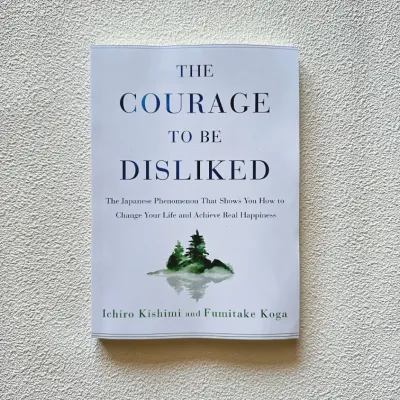
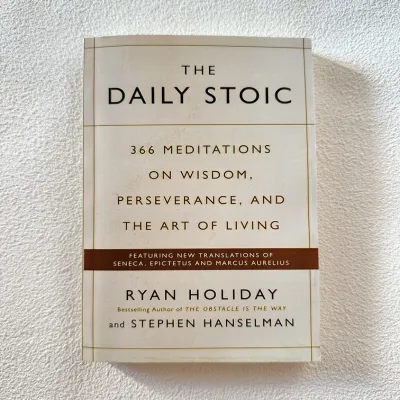


Prices are valid at publication and may change. Please refer to the product page for the latest price.
To narrow down your focus, categorize your goals into distinct developmental areas. Mindset shifts involve re-evaluating your belief systems, overcoming self-doubt, and building mental resilience. Daily habit formation centers on the mechanics of behavior, helping you build positive routines and dismantle counterproductive patterns. Emotional regulation addresses stress management, mindfulness, and understanding your internal emotional landscape. Career productivity focuses on professional skills, leadership, financial literacy, and optimizing your daily workflow to achieve specific professional milestones.
Your preferred learning style should also dictate the type of book you select. Some readers thrive on narrative-driven books that use engaging case studies and storytelling to illustrate key concepts. Others prefer scientific breakdowns that explain the neurological or psychological research behind human behavior. If you learn best by doing, look for structured workbooks that feature written exercises, self-assessments, and step-by-step action plans. Identifying your learning preference ensures you remain engaged with the material long enough to apply it.
Finally, maintain realistic expectations about what a single book can accomplish. A book can introduce you to new perspectives, provide frameworks, and offer valuable tools, but it cannot do the hard work of implementation for you. True personal growth requires long-term practice, consistent effort, and often environmental changes. In some cases, complex emotional or psychological challenges may require professional guidance alongside your reading. View your chosen book as a supportive guide rather than an instant solution.
Key Factors to Verify When Buying Books at Martin Bookstore
When purchasing books, especially in-store, verifying the specific edition and publication details is crucial for ensuring a high-quality reading experience. Publishers frequently release revised editions of popular self-help titles to incorporate updated scientific research, new case studies, or corrected translations. Before heading to the counter, check the copyright page to confirm the publication year and edition number. Opting for the latest revised edition ensures you are receiving the most accurate and up-to-date information available from the author.

Language and translation quality are equally important, particularly for books originally written in foreign languages. Poorly localized translations can lose the subtle nuances of the author’s original message, leading to confusion or misinterpretation of key concepts. If you are buying a translated work, take a few minutes to read a page or two to ensure the prose flows naturally and the terminology is clear. Checking the translator’s credentials on the title page can also give you confidence in the editorial integrity of the book.
Physical format and durability require careful consideration, especially under tropical environmental conditions. In the Philippines, high humidity levels can cause low-quality paper to warp, yellow, or develop foxing over time. If you plan to carry your book during daily commutes or read it in non-air-conditioned spaces, inspect the binding and paper quality. Hardcovers generally offer superior durability and protection against humidity, while high-quality trade paperbacks with acid-free paper resist yellowing much better than mass-market paperbacks printed on cheap newsprint.
Always inspect the physical condition of the book before finalizing your purchase at Martin Bookstore. Check for bent corners, torn pages, or misaligned printing that could hinder your reading experience. Additionally, review the table of contents and the index to ensure the book covers all the topics you expect. Verifying the publisher’s details on the spine and copyright page helps confirm that you are purchasing an authorized, complete print rather than a substandard or unauthorized reproduction.
Evaluating Books by Personal Development Theme
To make an informed choice, you must understand how to evaluate books within specific personal development themes. When exploring the mindset and resilience category, look for authors who ground their advice in evidence-based psychological frameworks. Concepts derived from cognitive behavioral therapy, positive psychology, or clinical research are generally more reliable than books relying solely on empty motivational slogans. A quality mindset book should explain the underlying cognitive processes of resilience and offer structured methods to reframe negative thought patterns.
For habit formation and productivity, prioritize books that emphasize practical systems over abstract willpower. Lasting behavioral change rarely succeeds through sheer determination alone; it requires environmental design and measurable tracking methods. Look for books that explain how to break habits down into cues, routines, and rewards. The text should offer clear strategies for modifying your physical and digital environments to make positive habits easier to maintain and negative habits harder to practice.
When addressing emotional intelligence and relationships, seek out books that provide concrete communication exercises and boundary-setting guides. Personal growth in this area requires learning how to navigate difficult conversations, express needs clearly, and manage interpersonal conflict. Avoid books that offer vague advice about being more empathetic; instead, look for authors who provide specific scripts, active listening techniques, and actionable strategies for building healthier connections with family, friends, and colleagues.
How to Assess a Book's Relevance to Your Context
Before committing to a purchase, take a few minutes to assess whether the book’s content is truly applicable to your daily life. A simple way to do this is by reading the introduction and the first chapter while still in the store. Pay close attention to the author’s tone, methodology, and core philosophy. If the writing style feels overly academic, excessively aggressive, or misaligned with your personal values, you are unlikely to finish the book or implement its advice.
Scan the chapters for actionable frameworks, worksheets, or step-by-step guides. A book that consists entirely of theoretical discussions without practical application tools may leave you feeling inspired but without a clear path forward. Look for summary boxes at the end of chapters, reflection prompts, or diagnostic quizzes. These elements indicate that the author has designed the book with the reader’s active participation and practical implementation in mind.
Consider how well the book’s examples and case studies translate to your social and professional environment in the Philippines. Many international bestsellers are written from a highly individualistic, Western corporate perspective that may not fully align with the collaborative, family-oriented, and community-centric dynamics of Filipino culture. Assess whether the advice on career advancement, boundary setting, or work-life balance can be realistically adapted to your local workplace culture and family expectations without causing unnecessary friction.
Finally, verify the author’s credentials and background to ensure they possess genuine expertise in the subject matter. Check if they hold relevant academic degrees, have conducted recognized research, or have extensive professional experience in counseling, coaching, or organizational leadership. Be cautious of books written by individuals whose primary qualification is self-promotion. A credible author will cite reputable scientific studies, historical data, or verified case studies to support their claims, giving you confidence in the advice you are choosing to follow.
Frequently Asked Questions (FAQ)
How can I check if a specific self-help title is in stock at Martin Bookstore?
To verify if a specific self-help book is available before visiting a physical branch of Martin Bookstore, you can utilize their official digital channels. Most major book retailers maintain online catalogs where you can search for titles by author, ISBN, or keyword to check real-time stock levels at specific branches. Alternatively, you can contact the customer service hotline or message the official social media pages of the bookstore. Providing the exact title and author name will allow the staff to check their inventory system and, if available, reserve the book for you to pick up at your convenience.
Should I choose local authors or international bestsellers for personal growth?
Both local authors and international bestsellers offer unique advantages, and the best choice depends on your specific growth goals. International bestsellers often benefit from extensive research, global case studies, and universally applicable psychological frameworks. However, books by local Filipino authors provide invaluable cultural context, addressing specific societal norms, family dynamics, and economic realities unique to the Philippines. For topics like emotional resilience, family boundaries, and local career navigation, local authors offer highly relatable advice. For foundational habits, cognitive science, and general productivity systems, international titles provide robust, research-backed methodologies.

Community discussion
Share your experience or ask a question. Comments are reviewed before publication.