
Choosing your first double pedal for drums is a major milestone that unlocks new rhythmic possibilities, especially if you are diving into metal, rock, or fusion. In the Philippines, where high humidity can accelerate wear on metal components and rehearsal spaces often feature shared kits, selecting the right hardware requires balancing performance with long-term durability. The ideal beginner pedal is not necessarily the most expensive model on the market, but rather one that offers reliable mechanical action, comfortable adjustability, and compatibility with your current drum kit. By focusing on key structural elements like the drive system, footboard design, and linkage stability, you can find a setup that supports your learning curve without causing physical fatigue or mechanical frustration.
Quick Selection Criteria for Beginner Drummers
When transitioning to a double pedal, your primary goal should be finding a balance between affordability, durability, and ease of adjustment. As a beginner, your foot technique is still developing, meaning you need a pedal that is forgiving yet responsive enough to register your progress. It is highly beneficial to select a model that allows you to adjust spring tension and beater angles easily, as these settings directly impact how much effort is required to execute each stroke.
Physical comfort is highly subjective and depends heavily on matching the pedal’s drive type and footboard length to your natural playing style. If you have larger feet or prefer playing with the “heel-up” technique, a longer footboard can provide the necessary leverage and surface area. Conversely, standard footboards are often sufficient for traditional heel-down playing and are generally more common in entry-level models.
Products mentioned in this guide
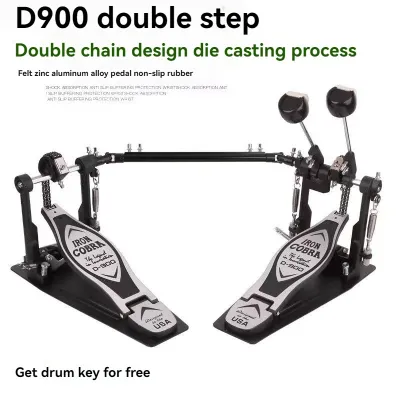
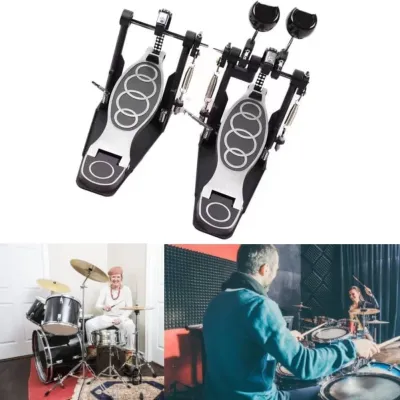
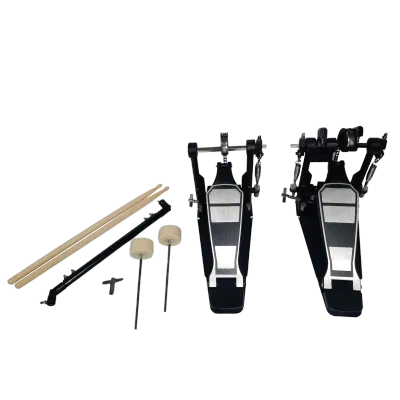
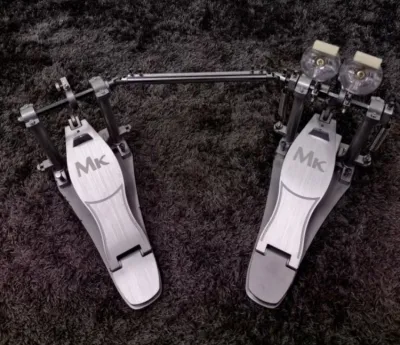
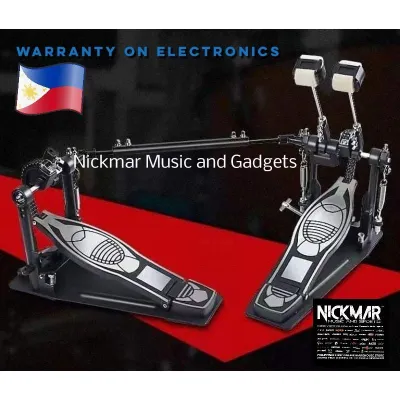
Prices are valid at publication and may change. Please refer to the product page for the latest price.
Before making any purchase, you must verify the physical compatibility of the pedal with your existing bass drum hoop and overall drum size. Some double pedals feature wide hoop clamps that may not fit securely on thin or highly curved hoops, particularly on entry-level acoustic kits or compact electronic drum pads. Ensuring a secure grip prevents the primary pedal from sliding or tilting during intense practice sessions, protecting both your hardware and your technique.
Key Features to Evaluate in a Double Pedal for Drums
Understanding the technical specifications of a double pedal for drums allows you to make an informed decision based on how the hardware translates your physical movement into sound.

Drive System
The drive system is the mechanism that connects the footboard to the beater assembly, and it dictates the overall feel and resistance of the pedal.
- Chain Drive: This is the most common and standard option for beginners. Chain drives use a single or double chain riding over a cam. Double-chain designs offer excellent durability and minimize side-to-side play, though they have a slight mechanical flex that many players find natural and forgiving.
- Direct Drive: This system utilizes a solid metal link between the footboard and the cam, eliminating any lag or flex. Direct drive pedals offer an incredibly fast, highly responsive feel, but they can feel stiff and unforgiving to beginners who are still mastering basic foot control. They also tend to carry a higher price point.
- Belt Drive: Utilizing a durable strap made of nylon, rubber, or leather, belt drives offer a very smooth, quiet, and lightweight feel. While less common for modern beginners, they are favored by players seeking a vintage response, though the straps may require replacement over time due to wear.
Footboard Length and Material
The physical dimensions and composition of the footboard affect both your playing comfort and physical fatigue during long practice sessions in warm tropical climates.
- Standard Footboards: These feature a traditional design with a heel plate separated from the main board by a hinge. They are excellent for learning foundational techniques and are widely available.
- Long Footboards: These eliminate the separate heel plate, providing a continuous smooth surface from the hinge to the toe. This design is highly suitable for rapid double-stroke techniques, though it may require a slight adjustment in foot placement.
- Materials: Most entry-level pedals utilize cast aluminum or steel alloys. Aluminum footboards are lightweight and reduce leg fatigue, while steel components offer greater structural weight and stability on the floor. Composite materials are sometimes used in budget models but may not offer the same long-term durability under heavy use.
Beater Types and Adjustability
The beater is the component that physically strikes the drumhead, directly shaping your tone and volume.
- Felt Beaters: These deliver a warm, traditional tone with a soft attack, making them highly versatile for various musical genres.
- Plastic and Wood Beaters: These provide a much sharper, punchier attack with significant volume, which is ideal for cutting through loud guitar mixes in rock and metal. Many modern pedals feature dual-sided or four-sided beaters, allowing you to rotate the head to switch between felt and plastic surfaces.
- Adjustability: A quality beginner pedal must feature adjustable spring tension to control how quickly the pedal rebounds. Adjustable beater angles are equally important, allowing you to customize the distance the beater travels before hitting the head, which helps you develop consistent muscle memory.
Slave Pedal Connection
The slave pedal (the left pedal for right-handed drummers) is connected to the main pedal via a linkage shaft.
- Universal Joints: High-quality double pedals utilize dual universal joints at each end of the linkage shaft to ensure smooth rotation even when the slave pedal is positioned at an angle.
- Standard Linkages: Lower-end models may use basic joints that can develop mechanical play or "lag" over time, meaning the left pedal will feel noticeably slower or heavier than the right.
- Shaft Length: The linkage shaft must be adjustable in length to accommodate your physical leg span and the placement of your hi-hat stand. A sturdy, telescoping aluminum or steel shaft is essential for maintaining a consistent feel across both feet.
Building Your Shortlist: Matching Pedals to Your Needs
Because individual playing environments and goals vary, you should build a conditional shortlist based on your specific practice setup, budget constraints in Philippine Pesos (₱), and musical aspirations.
For Strict Budgets and Casual Practice
If you are practicing casually or working within a tight budget, look for double pedals that prioritize structural simplicity over advanced adjustments. A dual-chain drive with a solid steel base plate is the baseline specification to seek, as it provides the necessary stability to prevent the pedal from sliding on tiled or wooden floors. In this tier, you should expect standard felt beaters and basic spring tension mechanisms. While these pedals may lack the ultra-smooth feel of premium models, they are more than adequate for developing basic coordination and timing.
For Developing Speed and Metal/Rock Genres
If your primary goal is to play fast tempos in metal or hard rock, your shortlist should focus on features that minimize mechanical resistance. Look for pedals with lightweight aluminum footboards or longboard designs that facilitate heel-toe or slide techniques. Adjustable toe clamps and stiffer spring options are also highly beneficial, as they allow you to fine-tune the pedal’s rebound speed to match rapid foot movements. Dual-sided beaters with a plastic face will help you achieve the clicky, articulate bass drum sound characteristic of these genres.
For Shared Kits and Portability
Many drummers in the Philippines practice in shared rehearsal studios or gig regularly using house kits. If you transport your gear frequently, portability and ease of setup are critical. Look for double pedals that feature quick-release hoop clamps, which allow you to attach and detach the main pedal rapidly without reaching awkwardly under the footboard. Models with folding hinges or those that include a dedicated padded carrying case will protect the linkage shaft and beaters from damage during transit in humid or rainy weather.
Verification Checklist
Before finalizing your choice, always consult the manufacturer’s specifications or user manuals to verify the following physical dimensions:
- Hoop Clearance: Ensure the primary pedal's clamp can accommodate the thickness of your specific bass drum hoop.
- Bass Drum Diameter: Verify that the beaters can be adjusted to strike the center of your bass drum, especially if you are using a compact 18-inch or 20-inch bass drum.
- Floor Space: Measure your practice area to ensure the linkage shaft can extend sufficiently without colliding with your hi-hat stand or snare drum legs.
Where to Buy and What to Verify Before Checkout
Acquiring your double pedal through the correct channels and performing thorough physical checks ensures you receive a genuine, fully functional product.
Purchasing Channels
When shopping in the Philippines, you have the choice between visiting authorized local music instrument stores or browsing reputable online music retailers and online marketplaces. Purchasing from a physical store allows you to test the pedal’s spring tension and footboard response in person, which is highly recommended for beginners. However, online marketplaces often provide a wider selection of entry-level brands. If buying online, ensure you are purchasing from the official store of an authorized distributor to avoid counterfeit hardware or refurbished items sold as new.
Pre-Purchase Verification
Before completing your transaction, verify the seller’s official authorization status for the brand you are purchasing. Confirm the exact terms of the warranty coverage, ensuring it covers mechanical defects such as cracked welds, stripped threads, or broken universal joints. You should also review the seller’s return and exchange policies, particularly regarding how they handle shipping costs for heavy hardware if a return is necessary.
Unboxing and Setup Checks
Once your double pedal arrives, perform a systematic physical inspection before setting it up on your kit:
- Check for Loose Screws: Inspect all key bolts, memory locks, and spring assemblies to ensure nothing loosened during shipping.
- Test Linkage Smoothness: Connect the slave pedal and press it down manually; the action should feel smooth, quiet, and free of grinding sensations in the universal joints.
- Inspect the Hoop Clamp: Ensure the clamp mechanism operates smoothly and features a rubber or plastic protector to prevent scratching your bass drum's wooden or metal hoop.
- Verify Included Accessories: Confirm that the package includes the drum key, hex wrenches, and any alternative beater weights or surfaces specified by the manufacturer.
Frequently Asked Questions (FAQ)
Do I need a double pedal for drums as a complete beginner?
While the excitement of playing fast double-bass patterns is highly motivating, complete beginners should generally focus on mastering single-pedal techniques first. Developing solid timing, volume control, and basic rudiments with your dominant foot establishes the foundational muscle memory required for advanced drumming. Introducing a double pedal too early can lead to coordination imbalances, where the non-dominant foot struggles to match the control of the dominant foot, ultimately hindering your overall groove development. Once you can comfortably play clean, steady eighth-note and sixteenth-note patterns with a single pedal, you are in a much better position to integrate a double pedal effectively.
Can I use a double pedal on an electronic drum kit?
Yes, you can use a double pedal on an electronic drum kit, but you must verify the physical compatibility of your kick pad or trigger tower first. Some entry-level electronic kits feature narrow kick pads that cannot physically accommodate two beaters striking side-by-side. Additionally, standard felt beaters can cause significant abrasive wear on mesh drumheads over time, potentially tearing the material. If you are using a mesh kick pad, it is highly recommended to rotate your beaters to the plastic or wood side, or purchase dedicated rubber beaters as specified by your electronic kit’s manufacturer.
How do I maintain the slave pedal linkage?
Maintaining the linkage shaft is essential for preventing lag and ensuring the left pedal remains responsive. You should perform regular visual inspections of the universal joints to check for dust, dirt, or moisture buildup, which is particularly common in humid tropical environments. To keep the joints rotating smoothly, consult your manufacturer’s manual for recommended lubrication points. Avoid using heavy household oils or WD-40, as these can attract abrasive dust and debris that accelerate wear on the bearings; instead, use a light, specialized lubricant recommended by the manufacturer.
Community discussion
Share your experience or ask a question. Comments are reviewed before publication.