
The most practical digital recipe books for Filipino home cooks seeking quick and easy meals are those that prioritize locally accessible ingredients, require minimal preparation time, and are formatted for seamless viewing on mobile devices or tablets in a warm, busy kitchen environment. Rather than searching for a generic “100 delicious easy recipe book” that might rely on imported, expensive ingredients, local cooks should focus on digital publications specifically curated for the Philippine market. These books should feature familiar flavor profiles, utilize standard household appliances, and offer clear, step-by-step instructions that can be easily followed on a screen while multitasking.
The modern Filipino kitchen is undergoing a digital transformation. While traditional physical cookbooks still hold a sentimental place on our shelves, the fast-paced nature of contemporary life demands quicker access to culinary inspiration. For busy home cooks in the Philippines, digital recipe books have emerged as an incredibly practical alternative. They allow you to carry thousands of culinary ideas directly on your smartphone, tablet, or e-reader, making meal planning and grocery shopping significantly more efficient.
However, finding the right digital cookbook is not simply a matter of picking the first title with an attractive cover. If you are searching for a comprehensive “100 delicious easy recipe book” or a specialized guide to local cuisine, you must evaluate how well the content translates to your daily cooking reality. A digital book that relies on obscure, imported ingredients or requires complex, high-end kitchen appliances will quickly become digital clutter. To make a smart purchase, you need to understand what features make a digital recipe book truly functional for a Filipino household, where to source legitimate copies, and how to ensure the file format matches your preferred reading device.
Products mentioned in this guide
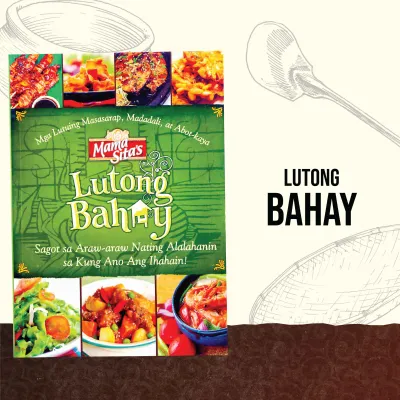
Prices are valid at publication and may change. Please refer to the product page for the latest price.
This guide is designed to help you navigate the growing landscape of digital cookbooks. By focusing on practical criteria—such as ingredient accessibility, preparation times, device compatibility, and secure purchasing platforms—you can build a curated digital library that simplifies your daily cooking routine. Whether you are a novice cook trying to master basic dishes or a seasoned home chef looking for quick weeknight meals, the right digital resources will help you prepare delicious, satisfying meals without unnecessary stress or expense.
Key Features to Look for in Filipino Digital Recipe Books
When evaluating a digital recipe book, the first and most critical factor to consider is ingredient accessibility. Many international cookbooks, even those marketed globally as “easy” or “quick,” are written for North American or European audiences. They frequently call for ingredients that are either incredibly expensive or entirely unavailable in local Philippine supermarkets and wet markets. For a digital cookbook to be truly useful, the recipes should prioritize ingredients that you can easily find at your local talipapa, neighborhood convenience store, or major supermarket chains. Look for books that utilize local staples such as calamansi, native spinach (kangkong), string beans (sitaw), and standard proteins like chicken, pork, and local fish. A book that teaches you how to elevate these everyday ingredients into flavorful meals is far more valuable than one requiring specialized imported herbs or hard-to-find cheeses.
Another essential feature is the realistic estimation of preparation and cooking times. In busy households, especially in highly congested urban centers where daily commutes consume a significant portion of the evening, time is of the essence. A practical digital recipe book should feature clear time indicators, such as “30-minute meals” or “one-pot dishes.” These tags allow you to quickly filter through options when you arrive home tired after a long day. Furthermore, the preparation steps should be streamlined. Look for authors who understand the flow of a busy kitchen—for instance, recipes that allow you to prep vegetables while the rice is cooking, or those that utilize smart marinating techniques to cut down on active cooking time. If a book claims to offer “easy” recipes but requires multiple hours of slow cooking or complex multi-step preparations for a simple weekday dinner, it may not align with your daily needs.
Cultural relevance and kitchen equipment compatibility are also vital considerations. The ideal digital cookbook should respect the unique flavor profiles that define Filipino cuisine—the delicate balance of sour, salty, sweet, and savory. Even when exploring international dishes, the recipes should appeal to the local palate. Additionally, you must consider the equipment required to execute the recipes. Most average households in the Philippines rely on standard gas or electric stoves, simple rice cookers, and basic cookware like a traditional wok (kawali) or a standard saucepan. If a digital recipe book frequently requires specialized gadgets like high-powered food processors, sous vide precision cookers, or large convection ovens, it will be of limited use to most home cooks. A great digital cookbook focuses on maximizing the potential of basic, everyday kitchen tools to create outstanding meals.
Where to Find and Purchase Digital Recipe Books
Sourcing your digital recipe books from reputable platforms is essential to ensure you receive high-quality, complete, and safely formatted files. The most reliable starting point is always the official websites of established local and international publishers, as well as authorized online bookstores. Purchasing directly from these sources guarantees the integrity of the file. You can be confident that the digital book will contain all the pages, high-resolution images, and interactive elements, such as clickable tables of contents, that make digital reading so convenient. Many official publishers also offer DRM-free (Digital Rights Management) options, which allow you to download the file in multiple formats so you can read it on any device you own without restrictive software limitations.

Major global eBook platforms and dedicated digital reading applications are also excellent sources for finding high-quality cookbooks. These platforms offer robust ecosystems that sync your reading progress, bookmarks, and highlights across multiple devices, such as your smartphone, tablet, and laptop. This means you can browse recipes on your computer during a lunch break at work, add ingredients to your digital shopping list, and then open the exact same page on your tablet mounted on your kitchen counter when it is time to cook. These established platforms also feature extensive user review sections and rating systems, allowing you to read feedback from other home cooks before spending your money. They also frequently offer a “Look Inside” or sample feature, which is invaluable for assessing the book’s layout and writing style before committing to a purchase.
In contrast, there are significant risks associated with purchasing digital recipe books from unverified listings on general e-commerce platforms or downloading them from unauthorized file-sharing websites. Many low-cost listings on online marketplaces offer pirated PDF copies of popular cookbooks. These files are often poorly scanned, resulting in blurry text, misaligned columns, and missing pages that can ruin a recipe. More importantly, downloading files from unverified sources poses a serious security risk to your personal devices, as these files can easily contain malware, spyware, or viruses. Furthermore, supporting authors and publishers through legitimate purchases ensures that culinary creators can continue to develop, test, and publish high-quality recipes tailored to our local tastes and ingredients.
When looking for budget-friendly options, instead of turning to unauthorized sources, keep an eye out for legitimate promotions and seasonal sales on authorized platforms. Many digital bookstores offer regular discounts, bundle deals, or subscription services that grant you unlimited access to a vast library of cookbooks for a flat monthly fee. This is an excellent way to explore different culinary styles and authors without a significant upfront financial commitment. Additionally, many local culinary bloggers and independent chefs publish high-quality, self-published digital recipe books directly on their personal websites. Purchasing from these independent creators is a fantastic way to discover highly authentic, localized recipes while directly supporting the local culinary community.
How to Verify Device Compatibility and Content Quality
Before finalizing your purchase of a digital recipe book, it is crucial to verify that the file format is fully compatible with your preferred reading device. Digital books generally come in three primary formats: EPUB, PDF, and MOBI. EPUB is the industry standard for reflowable text, meaning the content automatically adjusts to fit the screen size of your device, whether you are reading on a compact smartphone or a large tablet. This format is highly recommended if you plan to read recipes on your phone, as it allows you to increase the font size for easy reading while cooking without having to constantly zoom in and pan across the page. PDF files, on the other hand, maintain a fixed layout that preserves the exact design, typography, and image placement of the printed book. While PDFs look beautiful on large tablet screens or computer monitors, they can be incredibly frustrating to read on smaller smartphone screens, as they require constant pinching and zooming to read the small text of ingredient lists.
To avoid disappointment, always make use of the “Look Inside” or preview features provided by legitimate digital bookstores. A brief preview allows you to evaluate the overall layout and design of the cookbook. A well-designed digital recipe book should have a clean, uncluttered layout with a clear visual hierarchy. The ingredient list should be easy to distinguish from the step-by-step instructions, and the font size should be legible even when the device is placed a few feet away on a kitchen counter. Pay close attention to the quality of the food photography as well; high-resolution images are not just aesthetically pleasing, but they also serve as a vital visual reference for how the finished dish should look. If the preview reveals a messy layout, tiny text, or low-quality, pixelated images, it is a strong indication that the book may be difficult to use in a practical kitchen environment.
Another critical step in the verification process is reviewing the table of contents. A comprehensive, interactive table of contents is a hallmark of a high-quality digital book. It should allow you to click on a recipe title and be taken directly to that page instantly, saving you from having to swipe through dozens of pages to find what you need. When examining the table of contents, check if the book is organized logically into useful categories, such as quick breakfasts, 15-minute lunches, budget-friendly dinners, or simple desserts. This helps you confirm that the book actually contains a diverse range of recipes that match your specific cooking goals and dietary preferences. If a book titled “100 delicious easy recipe book” devotes half of its pages to complex desserts or dishes that require specialized ingredients, you will know it does not suit your need for quick and easy weekday meals.
Lastly, consider the practical aspects of using your device in a kitchen environment. Kitchens are naturally high-risk zones for electronic devices, with potential exposure to water splashes, hot steam, oil splatters, and sticky ingredients. Before purchasing a digital book, think about how you plan to protect your device. Investing in a sturdy, adjustable tablet stand that keeps your screen elevated off the counter is highly recommended. You might also want to look for digital books that feature simple, step-by-step layouts with minimal text per page, which are easier to read at a glance while you are actively chopping or stirring. Some advanced reading apps even offer text-to-speech features, allowing the app to read the instructions aloud to you, which can be incredibly helpful when your hands are messy.
Frequently Asked Questions (FAQ)
Can I use digital recipe books offline while cooking?
Yes, you can absolutely use digital recipe books offline, provided you have downloaded the file directly to your device beforehand. Most major digital reading applications and e-readers allow you to download your purchased books for offline access, meaning you do not need an active internet connection to browse your recipes while cooking. This is incredibly practical for kitchens where Wi-Fi signals might be weak, or for times when you want to save mobile data while cooking in a remote location. To ensure uninterrupted access, it is best practice to open the digital book and verify that all pages and images load correctly while you still have a stable internet connection before you begin preparing your meal.
Are digital recipe books cheaper than physical cookbooks?
In general, digital recipe books are more cost-effective than their physical counterparts. Because digital publishing eliminates the costs associated with paper, printing, binding, warehousing, and physical shipping, publishers and independent authors can offer eBooks at a lower price point. Many high-quality digital cookbooks are priced under ₱500, making them highly accessible compared to heavy, hardbound physical cookbooks that often cost significantly more due to import duties and shipping fees. Furthermore, digital books do not take up physical shelf space, making them an ideal choice for those living in smaller apartments or condominiums where kitchen storage space is at a premium.
How do I convert recipes from a digital book to local measurements?
Converting measurements in a digital recipe book is relatively straightforward. Many modern digital reading apps feature built-in search functions or interactive links that can help you quickly convert units. If the book you purchased uses imperial measurements (such as ounces, pounds, or Fahrenheit) and you prefer metric units (such as grams, kilograms, or Celsius), you can use a simple digital kitchen scale that allows you to toggle between different units of measurement with the press of a button. Alternatively, you can keep a basic conversion chart bookmarked on your device or printed and taped to the inside of a kitchen cabinet for quick reference. This ensures you can easily adapt any international recipe to the measuring cups, spoons, and scales you have in your kitchen.
Community discussion
Share your experience or ask a question. Comments are reviewed before publication.