
Starting your spiritual journey with Scripture can feel overwhelming when faced with thousands of pages of ancient text. In the Philippines, where faith is deeply woven into daily life, finding the right Catholic Bible study guide book is the most effective way for a beginner to build a consistent, meaningful reading habit. The ideal guide acts as a bridge, translating complex theological concepts into practical daily wisdom while remaining faithful to Catholic tradition. By choosing a guide that matches your schedule, learning style, and spiritual goals, you can transform your quiet reading time into a deeply enriching encounter with the Word of God.
What Makes a Catholic Bible Study Guide Beginner-Friendly?
Beginner-friendly guides differ significantly from advanced academic commentaries or seminary textbooks. While advanced texts focus heavily on original languages, complex textual criticism, and dense historical debates, a beginner’s guide prioritizes accessibility and immediate spiritual application. It breaks down the biblical narrative into digestible portions, ensuring that readers do not feel discouraged by the sheer volume of the scriptures.
A well-structured guide typically features a clear, step-by-step reading plan. Instead of expecting you to read multiple chapters at once, it might suggest a few verses or a single chapter per day. This systematic approach is especially helpful for busy individuals balancing work, family, and community commitments in a fast-paced environment. By keeping daily readings manageable, these guides help you build a sustainable habit that fits naturally into your routine.
Products mentioned in this guide
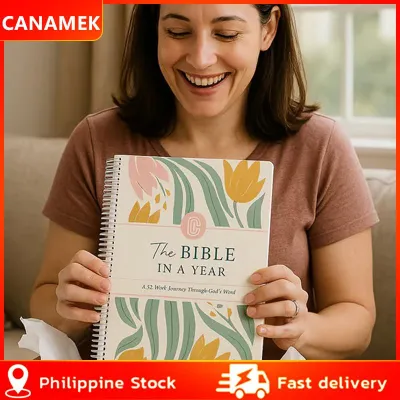
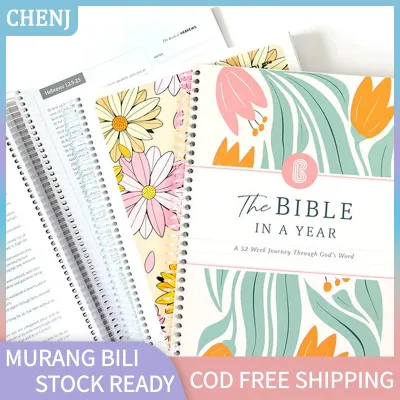
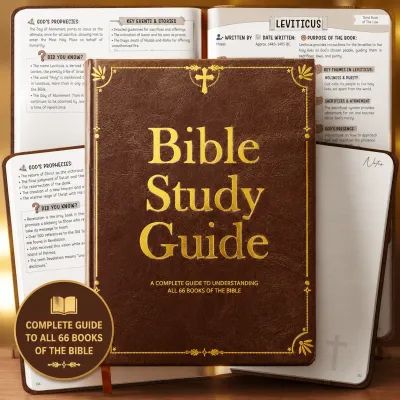
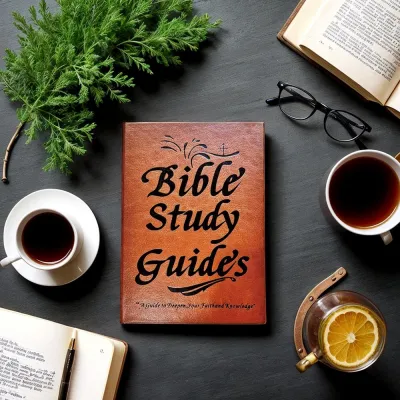
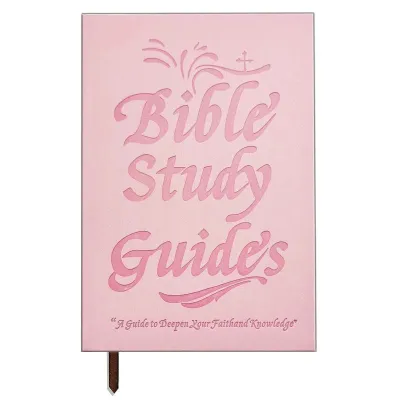
Prices are valid at publication and may change. Please refer to the product page for the latest price.
Furthermore, a true Catholic guide integrates the magisterial context of the Church. It does not isolate scripture from sacred tradition; instead, it explains how biblical passages connect to the sacraments, the liturgy, and the teachings of the Church. This ensures that as you read, you are growing in harmony with the wider Catholic community. The language used is straightforward, avoiding overly technical jargon while still introducing essential terms in an easy-to-understand manner.
Finally, practical application is a cornerstone of any beginner-friendly resource. Look for books that include built-in reflection questions, journaling prompts, and dedicated spaces to write down your thoughts. These interactive elements encourage you to move beyond passive reading. They prompt you to ask how a specific passage applies to your personal relationships, your daily work, and your local community, making the ancient text highly relevant to modern life.
Key Types of Catholic Bible Study Guides to Explore
Before purchasing a guide, it is helpful to understand the different approaches authors take to explain the scriptures. Bible study guides are generally categorized by their primary focus: historical context, doctrinal teachings, or personal devotion. Identifying these categories allows you to select a book that aligns with your current learning style and spiritual needs.

Some readers prefer a highly intellectual approach that explains the history and geography of biblical events, while others seek a meditative experience that fosters personal prayer. By understanding these distinctions, you can avoid the frustration of buying a book that does not match your expectations. Let us explore the three main types of guides available to beginners.
Historical and Contextual Guides
Historical and contextual guides are designed for readers who want to understand the world in which the biblical events took place. These books bridge the gap between ancient Near Eastern or Greco-Roman culture and our modern world. They explain the social customs, political climates, and geographical landscapes that influenced the biblical writers.
When evaluating these guides, look for rich visual aids such as detailed maps, historical timelines, and archaeological insights. Understanding the journey of the Israelites or the missionary travels of Saint Paul becomes much easier when you can trace their paths visually. These guides help clarify why certain laws, parables, or cultural references were so significant to the original audience, giving you a solid foundation for deeper study.
Catechetical and Doctrine-Based Guides
For those who want to understand how the Bible forms the foundation of Catholic beliefs, catechetical guides are the ideal choice. These books explicitly connect scriptural passages to the Catechism of the Catholic Church, showing the biblical roots of doctrines like the sacraments, the Marian dogmas, and the papacy.
A reliable catechetical guide will feature cross-references to specific paragraphs in the Catechism, quotes from the Church Fathers, and insights from papal encyclicals. This approach is highly beneficial for beginners who want to understand the biblical basis for their faith or explain Catholic practices to others. It ensures that your personal scripture study remains deeply rooted in the continuous, living tradition of the Church.
Devotional and Reflective Guides
If your primary goal is personal prayer, spiritual healing, and intimate communion with God, a devotional guide is highly recommended. These books focus less on academic analysis and more on heart-centered meditation. They often utilize traditional Catholic prayer methods, such as Lectio Divina (divine reading), to help you listen to God’s voice through the text.
These guides typically feature short scripture passages followed by a reflective essay, a guided prayer, and a practical resolution for the day. Many incorporate the wisdom of recognized Catholic saints and spiritual writers, offering timeless advice on humility, patience, and love. They are perfect for quiet morning reflections or evening prayer sessions in a peaceful corner of your home.
How to Evaluate and Select the Right Guide for Your Journey
Selecting a Bible study guide requires careful discernment to ensure the material is doctrinally sound and compatible with your lifestyle. The first and most critical step is to verify the book’s ecclesiastical approval. Look for the Imprimatur (permission to print) and Nihil Obstat (nothing stands in the way) on the copyright page. These official declarations from a Catholic bishop guarantee that the book is free from doctrinal or moral error, giving you peace of mind as you study.
Next, check which Bible translation the guide recommends or uses for its citations. Catholic Bibles contain seventy-three books, including the deuterocanonical books, which are absent from Protestant editions. Ensure the guide is designed for Catholic translations such as the New American Bible Revised Edition (NABRE), the Revised Standard Version Catholic Edition (RSV-CE), or the Jerusalem Bible. Using a guide that aligns with your physical Bible prevents confusion during cross-referencing.
Additionally, assess the realistic time commitment required for each study session. Some workbooks demand an hour of intensive writing daily, while others require only fifteen minutes of reading and quiet reflection. Be honest about your daily schedule; a shorter, consistent study habit is far more beneficial than a demanding plan that you abandon after a week. If you live in a humid tropical climate, consider the physical format of the book as well—durable paperbacks or hardcovers with high-quality binding tend to resist moisture and page-yellowing better over time.
Where and How to Buy Bible Study Books in the Philippines
Finding authentic Catholic study guides in the Philippines involves knowing where to look and how to verify the quality of the publication. Physical diocesan bookstores, parish gift shops, and specialized religious book centers are the most reliable sources. Visiting these physical locations allows you to flip through the pages, inspect the layout, and feel the paper quality before making a purchase.
If you prefer shopping online, prioritize authorized digital storefronts operated by established Catholic publishers and diocesan ministries. When using general online marketplaces or ecommerce platforms, exercise extra caution. The local market often sees an influx of unauthorized, low-quality reprints or pirated editions. These counterfeit books frequently suffer from missing pages, illegible text, and weak bindings that quickly fall apart in humid tropical weather.
To avoid these issues, always read seller reviews, check for official store badges, and ask the seller directly about the book’s publisher and edition. Additionally, look for bundle deals that pair a beginner’s study guide with a matching Catholic Bible or a companion journal. Purchasing these sets together can be more cost-effective and ensures that your study materials are fully compatible from day one.
Frequently Asked Questions (FAQ)
Do I need a specific Catholic Bible translation to use with these guides?
While some study guides are specifically written to accompany a particular translation—such as the NABRE or the RSV-CE—many are flexible enough to be used with any approved Catholic Bible. The core spiritual lessons and historical contexts remain consistent across different translations. However, it is always wise to check the guide’s introduction or the publisher’s notes on the back cover. If the guide frequently quotes a specific version, using that same translation will make your reading experience much smoother and prevent minor wording discrepancies from distracting you.
Can I use a Protestant Bible study guide as a Catholic beginner?
As a beginner, it is highly recommended to stick to Catholic-authored and ecclesiastically approved study guides. Protestant guides do not cover the deuterocanonical books (such as Tobit, Judith, and Maccabees) and often interpret key passages differently, particularly regarding the sacraments, the role of Mary, and Church authority. Using a Catholic guide ensures you build a foundational understanding that aligns with the sacraments and the liturgical life of the Church. Once you have a strong, mature grasp of Catholic theology, you may explore ecumenical resources, but starting with Catholic materials prevents confusion.
How much should I expect to spend on a beginner Bible study guide?
The cost of a beginner’s Bible study guide in the Philippines varies depending on the format, page count, and whether it is a local print or an imported edition. Generally, locally printed paperbacks and workbooks from Catholic publishers range from ₱200 to ₱600, making them highly accessible. Imported, hardcover, or full-color study guides can range from ₱800 to ₱1,800 or more. To get the best value, watch for seasonal book fairs, parish-wide sales during liturgical seasons like Lent or Advent, or bundle discounts offered by authorized online distributors.
Community discussion
Share your experience or ask a question. Comments are reviewed before publication.