
Introducing Catholic children to the rich narratives of Sacred Scripture requires a thoughtful balance of theological accuracy, engaging storytelling, and age-appropriate visuals. Bible comic books and graphic novels offer an excellent entry point, transforming complex historical and spiritual texts into vibrant, memorable narratives that capture a child’s imagination. To choose the right option for your family, you must look beyond appealing cover art and verify that the content aligns with Catholic doctrine, includes the complete canon of Scripture, and matches your child’s developmental stage.
By presenting biblical events through sequential art, these books help bridge the gap between abstract theological concepts and a child’s daily reality. Whether read during a quiet Sunday afternoon at home or used as a supplementary tool for parish catechism classes, a well-chosen Bible comic can spark a lifelong love for the Word of God. The key lies in knowing how to evaluate these books for doctrinal soundness, visual clarity, and physical durability.
Why Visual Storytelling Matters for Catholic Scripture Engagement
Visual narratives play a powerful role in how children process, retain, and understand complex information. For young readers, the combination of text and illustrations in a comic format reduces the cognitive load required to decode words, allowing them to focus on the narrative flow and emotional resonance of the story. When children see the expressions on the faces of biblical figures, the vastness of the landscapes, and the dramatic progression of events, the historical and spiritual context of Scripture becomes far more tangible. This visual reinforcement aids long-term memory retention, helping children recall key events of salvation history long after they have closed the book.
Products mentioned in this guide
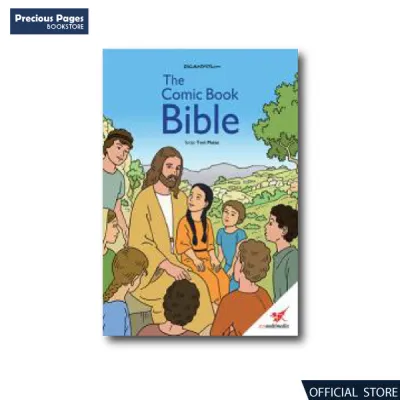
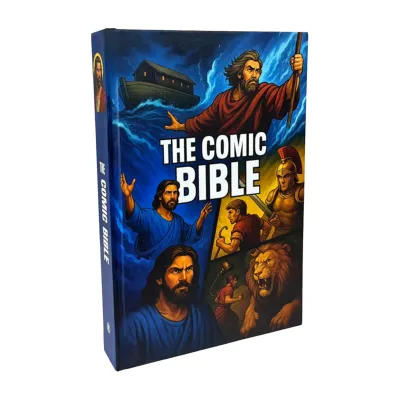

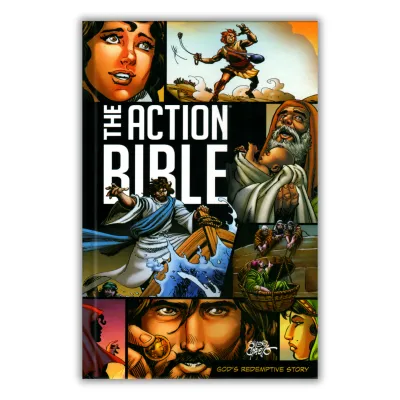
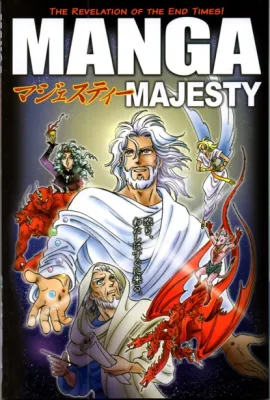
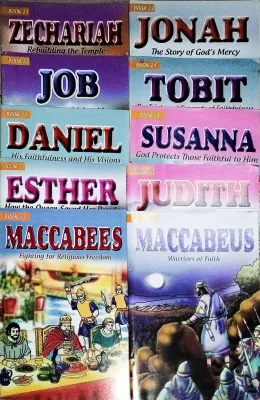
Prices are valid at publication and may change. Please refer to the product page for the latest price.
There is a significant difference, however, between secular comic adaptations and faith-based visual storytelling. Secular or purely commercial adaptations often treat biblical narratives as mere adventure stories or folklore, stripping away the divine context, covenantal relationships, and theological depth. In contrast, a dedicated Catholic or faith-based Bible comic frames these stories within the grand arc of salvation history, emphasizing God’s enduring love, the promise of a Savior, and the cooperative role of humanity in God’s plan. The illustrations in a faith-based comic are designed not just to entertain, but to foster a sense of reverence, wonder, and prayerful reflection.
Parents must also set realistic expectations for what a Bible comic can achieve. A graphic novel is an exceptional introductory tool, but it is not a total replacement for the actual biblical text or liturgical readings. Instead, think of a Bible comic as a bridge. It familiarizes children with the characters, chronology, and core themes of Scripture, making the actual Bible feel less intimidating when they transition to reading it later in life. By establishing this visual foundation early on, you give your child the confidence to engage with the full, unaltered text of Scripture as they grow older.
In many homes, sharing a Bible comic can become a cherished family ritual. It provides a natural, low-pressure environment for children to ask questions about faith, morality, and God’s presence in their lives. Rather than viewing the comic as a passive entertainment device, parents can use it as an interactive springboard for deeper spiritual conversations and shared family prayer.
How to Verify Doctrinal Accuracy and Catholic Alignment
When selecting a Bible comic for a Catholic child, verifying doctrinal accuracy is the most critical step. Because the market is filled with generic or non-Catholic religious publications, parents must actively inspect the book’s credentials to ensure it aligns with Catholic theology. The most reliable way to do this is by checking the copyright page or the first few pages of the book for official ecclesiastical approvals. Look for the terms Nihil Obstat, which indicates that a Catholic censor has found no doctrinal or moral errors in the work, and Imprimatur, which is the official declaration by a bishop authorizing the book’s publication. These markings provide immediate peace of mind that the content is safe and doctrinally sound for your child.

Another essential point of verification is the inclusion of the Deuterocanonical books. The Catholic Old Testament contains seven books—Tobit, Judith, Wisdom, Sirach, Baruch, and 1 and 2 Maccabees—as well as specific additions to the books of Esther and Daniel that are omitted from Protestant editions. If a Bible comic claims to cover the entire Old Testament but completely ignores these books and passages, it does not represent the full Catholic canon. While finding a comic that illustrates every single Deuterocanonical book can be challenging, a high-quality Catholic adaptation will at least acknowledge their place in salvation history or include key stories from these books, such as the heroic faith of the Maccabean martyrs or the journey of Tobias.
Parents should also carefully evaluate how sacraments, saints, and Marian events are depicted in both the text and the illustrations. Catholic theology is deeply sacramental and honors the unique role of the Blessed Virgin Mary and the saints in salvation history. In a Catholic-aligned Bible comic, events like the Annunciation, the Visitation, and the Wedding at Cana should be depicted with theological depth and reverence, highlighting Mary’s active cooperation with God’s grace. Similarly, the depiction of the Last Supper should clearly reflect the institution of the Holy Eucharist, laying a visual foundation for the child’s understanding of the Real Presence of Christ in the sacrament.
Finally, be vigilant for subtle theological biases or omissions in the dialogue and narrative framing. Some non-Catholic adaptations may introduce concepts that contradict Catholic teaching, such as downplaying the role of Saint Peter as the head of the Church or framing salvation in a way that excludes the necessity of sacraments and good works. Scan key passages, such as Matthew 16:18 or the bread of life discourse in John 6, to see how the dialogue is handled. If the text seems to gloss over these crucial moments or reframe them to fit a different theological perspective, it may not be the best choice for reinforcing Catholic catechesis.
Matching Comic Art and Narrative Complexity to Your Child's Age
Choosing the right Bible comic requires matching both the artistic style and the narrative complexity to your child’s developmental stage. For toddlers and early readers (typically ages 3 to 6), look for simple graphic formats, board books, or highly simplified graphic novels. These books should feature bright, gentle, and warm illustrations with minimal text and large, easy-to-follow panels. At this stage, the goal is to introduce the basic concepts of God’s love, creation, and the gentle, comforting stories of Jesus, such as the Good Shepherd or the blessing of the children. The art should feel welcoming and secure, avoiding any intense or frightening imagery.
As children transition into middle-grade readers (ages 7 to 10), they can handle more detailed illustrations, dynamic panel layouts, and longer narrative arcs. This is a crucial age for spiritual development, often coinciding with preparation for First Holy Communion and First Reconciliation. Bible comics for this group should offer a more comprehensive look at the Gospels, the miracles of Jesus, and the lives of key Old Testament figures like Joseph, Moses, and David. The text can be more detailed, but it should still use clear, accessible language. The art style should remain respectful and engaging, helping children connect the stories they read in the comic with the readings they hear during Sunday Mass.
For pre-teens and older children (ages 11 and up), you can introduce sophisticated graphic novels with realistic art styles, intricate panel designs, and deeper historical context. Older children are capable of understanding the complex moral dilemmas, political landscapes, and historical realities surrounding biblical events. They may also appreciate modern visual styles, such as manga-inspired illustrations, which can make the ancient texts feel highly relevant and exciting. At this stage, the comic should not shy away from the challenges of the Christian life, but rather show how biblical figures relied on faith and grace to overcome adversity.
Handling mature or violent biblical themes is a common concern for parents when choosing graphic novels. The Bible contains stories of battle, betrayal, and tragedy, which can be intense when rendered visually. A well-designed Bible comic for younger children will gently soften these elements without distorting the truth of the story. For older children, the violence should not be sensationalized or glorified; instead, it should be presented with appropriate gravity and framed within the larger context of God’s justice and mercy. The focus should always remain on the spiritual lesson and the triumph of good over evil, rather than the graphic details of the conflict.
Physical durability is another practical factor to consider, especially in tropical climates where high humidity can affect paper quality. Books with cheap, thin paper and weak glued bindings can quickly deteriorate, warp, or have their pages stick together when exposed to warm, humid air. For a book that will be read repeatedly and passed down to younger siblings, look for high-quality stitch-bound volumes with thick, matte-finish paper. These materials are much more resilient against moisture and frequent handling, ensuring that the beautiful illustrations and sacred stories remain preserved for years to come.
Building Your Shortlist: Steps to Find and Evaluate Candidates
To build a reliable shortlist of Bible comics for your child, start by exploring trusted Catholic distribution channels rather than relying on generic bestseller lists on major online marketplaces. Local parish bookstores, diocesan offices, and specialized Catholic publishing houses in the Philippines—such as Paulines, Word & Life, or St. Pauls—are excellent places to begin your search. These organizations carefully curate their inventory to ensure that the books they carry align with Catholic teachings. You can also ask for recommendations from your parish priest, catechists, or fellow Catholic parents who have already evaluated various options for their own families.
When you find potential candidates, take the time to evaluate them thoroughly before making a purchase. If you are shopping in a physical bookstore, flip through the pages to assess the overall flow of the panels and the readability of the text. If you are shopping online, look for websites that offer preview pages or sample chapters. Pay close attention to the font size and style; a font that is too small or overly stylized can frustrate young readers and discourage them from engaging with the book. Ensure that the transition from one panel to the next is logical and easy for a child to follow without getting confused about the sequence of events.
Another important decision is choosing between a comprehensive Bible comic and one that focuses on specific stories or themes. A comprehensive volume attempts to cover the entire salvation history from Genesis to Revelation in a single book. While these are excellent for providing a broad overview, they must naturally condense or omit many details to fit into a single volume. Alternatively, thematic comics focus deeply on specific areas, such as the life of Jesus, the parables, the Acts of the Apostles, or the lives of individual saints. These focused volumes often allow for greater character development, richer historical detail, and a more profound exploration of theological themes.
Finally, consider your budget and the physical format of the books. High-quality graphic novels can vary in price, typically ranging from ₱300 to ₱800 for single volumes, while comprehensive multi-book series or box sets will require a larger investment. When budgeting, weigh the cost against the book’s durability and educational value. A well-constructed, hardbound Catholic Bible comic that your child reads multiple times is a highly worthwhile investment in their spiritual formation. By taking a systematic approach to finding, evaluating, and selecting these books, you can confidently choose a Bible comic that will enrich your child’s faith and bring the beauty of Scripture to life in your home.
Frequently Asked Questions (FAQ)
Are Bible comics considered appropriate for Catholic religious education?
Yes, Bible comics are highly appropriate and effective supplementary tools for Catholic religious education. They are particularly beneficial for visual learners who may struggle with dense text, helping them grasp the chronological flow of salvation history and the emotional weight of biblical events. However, they should not be used as a total replacement for the actual Bible or formal catechesis. Instead, parents and catechists should use them as an engaging entry point, pairing the visual reading with guided discussions, prayers, and references to the actual Scripture passages to help children transition to reading the complete biblical text.
How can I tell if a Bible comic includes the Catholic canon?
To verify if a Bible comic includes the Catholic canon, check the table of contents or the index for the seven Deuterocanonical books: Tobit, Judith, Wisdom, Sirach, Baruch, and 1 and 2 Maccabees. If the comic covers the Old Testament but completely omits these books, it is likely based on a Protestant canon. Additionally, look at the copyright page for official Catholic ecclesiastical approvals, such as the Nihil Obstat and Imprimatur. These markings confirm that the book has been reviewed by Catholic authorities and is free from doctrinal errors, ensuring it aligns fully with Catholic Scripture and tradition.
Should I read the Bible comic with my child or let them read it alone?
The decision depends largely on your child’s age and reading comprehension level. For younger children and early readers, co-reading is highly recommended. Reading together allows you to explain difficult concepts, answer questions about complex themes, and connect the stories to your family’s daily faith practices. For older children and pre-teens, independent reading is excellent for fostering personal reflection and a sense of ownership over their faith. Even when they read independently, it is beneficial to follow up with casual, open-ended conversations about what they read to help them process the lessons and apply them to their lives.
Community discussion
Share your experience or ask a question. Comments are reviewed before publication.