
If you are looking to begin your percussion journey, the djembe is widely considered the most versatile and accessible African drum for beginners. This goblet-shaped instrument produces a remarkably wide range of tones—from deep, resonant basses to sharp, cracking slaps—making it an ideal starting point for learning fundamental hand-drumming techniques. Because of its popularity, finding learning resources, local drum circles, and replacement parts is much easier compared to other traditional percussion instruments.
Selecting your first instrument requires balancing affordability, portability, and sound quality. A drum that is too heavy or difficult to tune can quickly discourage a beginner, while an extremely cheap, poorly constructed model may produce a muddy sound that hinders your rhythmic development. By focusing on key physical characteristics, you can find an instrument that fits your budget while still delivering an inspiring playing experience.
To make a confident purchase, your decision process should follow three core steps. First, identify the specific drum type that aligns with your musical goals. Second, evaluate the physical materials—such as the shell, drumhead, and tuning system—to ensure they can withstand your local environment. Finally, verify the reliability of your chosen seller and inspect the instrument thoroughly before finalizing your purchase.
Products mentioned in this guide
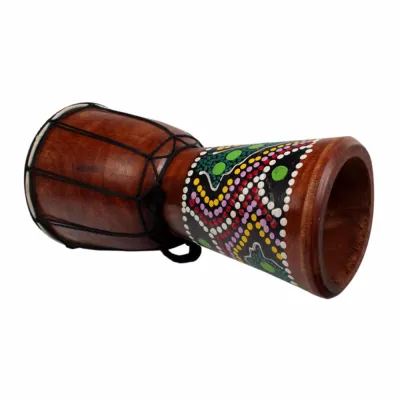
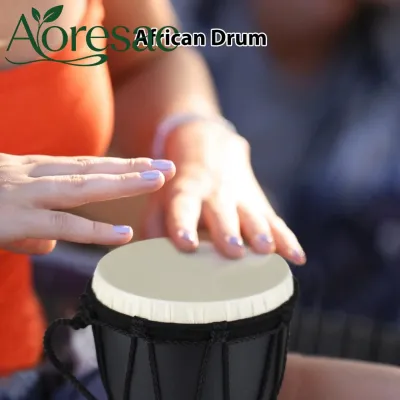


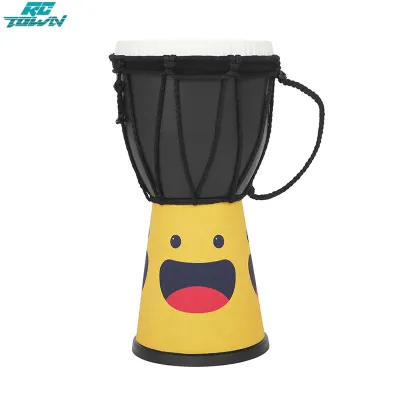

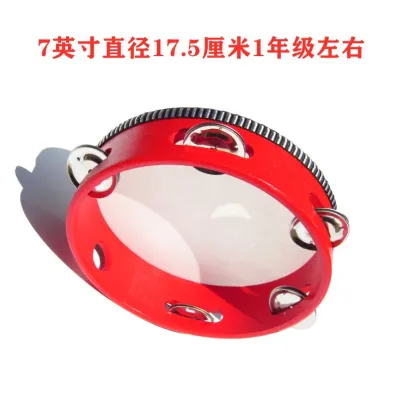
Prices are valid at publication and may change. Please refer to the product page for the latest price.
Which African Drum Type Fits Your Musical Goals?
While the term “African drum” encompasses a vast array of percussion instruments, beginners most frequently encounter the djembe, the ashiko, and the bougarabou. Each of these hand drums has a distinct shape, origin, and sonic profile that influences how you play and practice.
- The Djembe: Originating from West Africa, the djembe features a classic goblet shape carved from a single piece of hardwood or formed from modern synthetic materials. The narrow throat and wide bowl create a natural chamber that amplifies the contrast between low and high frequencies. It is played exclusively with bare hands, making it highly intuitive for beginners who want to feel the direct physical connection to the rhythm.
- The Ashiko: Shaped like a tapered cone, the ashiko is often associated with Yoruba culture. Unlike the djembe, which projects sound outward through a flared base, the ashiko projects sound in a more directional, straight path. It produces a brighter mid-range tone and a punchy bass, though it generally lacks the extreme high-pitched "slap" sound of a well-tuned djembe. The straight sides of the ashiko also make it slightly easier to grip between your knees while seated.
- The Bougarabou: Traditionally from the Jola people of Senegal and Gambia, the bougarabou has a elongated, slightly bulbous body. It is traditionally skinned with thick cowhide rather than the thinner goatskin used on djembes. This results in a much deeper, warmer, and more resonant sound with fewer high-frequency overtones. It is an excellent choice if you prefer rich, bass-heavy rhythms and a mellow acoustic presence.
The learning curve for these drums varies based on their physical demands and tonal characteristics. The djembe is highly rewarding for beginners because the physical hand positions required to produce its three primary sounds—bass, tone, and slap—are distinct and easy to conceptualize. The ashiko offers a slightly gentler learning curve for hand striking, as its head tension is often lower, making it more forgiving on novice hands. The bougarabou requires a relaxed, heavy-handed striking technique to draw out its deep resonance, which can take some time to master without fatiguing your wrists.
Your choice should also align with your preferred musical settings. If you plan to join local community drum circles, acoustic beach jams, or wellness gatherings, the djembe is the undisputed standard due to its volume and versatility. If you prefer solo meditation, acoustic folk accompaniment, or softer ensemble playing, the warm tones of the bougarabou or the focused projection of the ashiko may suit your personal style much better.
Sizing, Materials, and Build Features to Evaluate
Once you have decided on the drum type, you must evaluate its physical specifications. The dimensions, shell construction, drumhead material, and tuning mechanism directly impact how comfortable the drum is to play, how long it will last, and how it responds to environmental changes.

Size and Weight
For adult beginners, a djembe with a head diameter of 10 to 12 inches and a height of 20 to 24 inches represents the ideal balance. This size provides a playing surface large enough to accommodate adult hands comfortably without forcing your wrists into awkward angles. It also features a large enough air chamber to produce a satisfyingly deep bass response. Drums with a head diameter of 8 inches or smaller are highly portable and excellent for children, but they lack the lower frequencies necessary to practice proper tonal distinction.
Weight is another critical factor, especially if you plan to transport your instrument to practice sessions or outdoor gatherings. Traditional solid-wood drums can weigh anywhere from 5 to 10 kilograms, which can become burdensome during long walks or extended playing sessions. If portability is a priority, look for slightly smaller dimensions or lightweight synthetic alternatives that offer comparable volume without the physical strain.
Shell Materials
Traditional African drum shells are hand-carved from single logs of West African hardwoods such as mahogany, lenke, iroko, or dougoura. These woods are highly prized for their dense grain, which reflects sound waves efficiently to create a warm, organic tone with complex overtones. However, natural wood is highly sensitive to environmental factors. In tropical climates with high humidity and temperature fluctuations, natural wood can expand, contract, or even develop structural cracks if it is not properly cured and maintained.
Modern synthetic shells, typically made from fiberglass or high-impact PVC, offer a highly durable alternative. These materials are completely impervious to humidity, rain, and temperature swings, making them virtually indestructible during outdoor use. Synthetic shells are also significantly lighter than their wooden counterparts and are manufactured with consistent wall thickness, resulting in highly predictable projection and volume. While some purists find the tone of synthetic shells to be slightly brighter or less “earthy” than wood, their sheer durability makes them incredibly practical for beginners.
Drumheads
Natural animal skins, most commonly goatskin, are the traditional choice for djembe heads. Goatskin provides a rich, warm, and authentic acoustic tone that synthetic materials struggle to replicate perfectly. However, natural skin is highly hygroscopic, meaning it absorbs moisture from the surrounding air. In high-humidity environments, a natural goatskin head will absorb moisture, lose its tension, and produce a dull, muddy sound. You will need to tune the drum more frequently to maintain its playability.
Synthetic drumheads, made from composite polyester or specialized plastics, offer complete weather resistance. They do not absorb moisture, meaning your drum will stay in tune whether you are playing in an air-conditioned room or on a humid beach. Synthetic heads are also highly resistant to punctures, tears, and acidic oils from your hands, making them an exceptionally low-maintenance option for beginners who want to focus on playing rather than constant instrument care.
Tuning Systems
Traditional drums utilize a rope tuning system, often referred to as the Mali weave. This system uses high-tensile, low-stretch polyester rope threaded through metal rings secured to the shell and the drumhead. Tuning a rope-tuned drum requires weaving the rope horizontally through vertical strands to create tension-increasing diamonds. While this system is beautiful, lightweight, and traditional, it requires physical strength, patience, and a solid understanding of the knotting technique to adjust properly.
Mechanical tuning systems use metal lugs, tension rods, and a rim, similar to the hardware found on standard drum kits. To tune a mechanically tuned drum, you simply turn the tension bolts with a standard wrench. This system is incredibly user-friendly for beginners, allowing you to make quick, precise adjustments to the drum’s pitch in seconds. The primary trade-offs are aesthetic and physical: mechanical hardware adds noticeable weight to the drum and alters its traditional appearance.
How to Inspect and Test an African Drum Before Buying
Whether you are purchasing an instrument in a physical music store or inspecting a delivery from an online seller, conducting a systematic physical and acoustic check is essential to ensure you receive a high-quality instrument.
First, perform a thorough visual inspection of the drum shell. If you are looking at a wooden drum, examine the exterior and interior walls for hairline cracks, splits, or deep knots that could compromise structural integrity. Pay close attention to the base of the drum and the area just below the decorative carvings, as these are common stress points. For synthetic shells, inspect the seams and joint areas to ensure there are no gaps, bubbles, or weak spots in the fiberglass or composite material.
Next, carefully examine the drumhead and the bearing edge, which is the top rim of the shell where the skin makes contact. Run your fingers along the bearing edge to ensure it is perfectly smooth, rounded, and free of sharp splinters or rough patches; any unevenness here can easily puncture or tear the head under high tension. Inspect the skin itself for signs of uneven thickness, deep scars, insect damage, or tiny pinholes. Press down gently on the center of the head to check for consistent tension across the entire surface.
Once the physical inspection is complete, test the drum’s acoustic properties by playing the three primary strikes:
- The Bass: Strike the exact center of the drumhead with a flat, relaxed hand, allowing your palm to bounce off immediately. The sound should be a deep, clear, low-frequency boom that resonates freely without sounding choked or hollow.
- The Tone: Strike the outer edge of the drumhead with your fingers together and flat. This should produce a warm, full-bodied mid-range sound that projects clearly.
- The Slap: Strike the edge of the drumhead with your fingers relaxed and slightly spread, letting your fingertips whip against the skin. This should produce a sharp, high-pitched crack that cuts through the air.
During your sound test, listen closely for any unwanted secondary noises. A persistent buzzing, rattling, or metallic ringing indicates that something is loose. In rope-tuned drums, this could be a loose ring or a knot slipping; in mechanically tuned drums, it could point to a loose washer or stripped thread. A completely dead, flat sound with no sustain suggests that the head tension is far too low or that the skin has lost its elasticity.
Be prepared to reject the drum immediately if you encounter specific structural defects. You should decline any instrument that exhibits deep cracks extending through the entire thickness of a wooden shell, visible tears or splits anywhere on the drumhead, a warped bearing edge that prevents even tensioning, or stripped threads on mechanical tuning lugs. These issues are costly to repair and will severely limit the playability and lifespan of your instrument.
Buying Channels and Pre-Purchase Verification
Finding the right place to buy your African drum involves weighing the immediate, hands-on experience of local retail against the convenience and variety of online shopping.
Visiting a local physical music store is highly recommended for first-time buyers. It allows you to physically hold the drum, feel its weight, test its playability, and hear its true acoustic voice before spending any money. You also benefit from immediate face-to-face support from knowledgeable staff who can guide you through basic maintenance. However, physical stores in urban centers may have limited inventory, higher prices, and fewer traditional, hand-carved options.
E-commerce platforms and specialized online instrument retailers offer a much broader selection of brands, materials, and sizes, often at highly competitive prices. The main drawback is the inability to test the specific instrument before it arrives at your doorstep. To mitigate this risk, only purchase from reputable sellers who specialize in musical instruments rather than general merchandise, and carefully read customer reviews focusing on packaging quality and product accuracy.
Before finalizing your purchase, protect your investment by asking the seller several targeted questions. Inquire about the specific materials used, such as the exact wood species or synthetic composite type. Ask if the drumhead is natural goatskin or synthetic, and whether the instrument will arrive pre-tuned to a playable tension. It is also wise to ask if the purchase includes essential accessories, such as a padded carrying bag to protect the drumhead during transport, or a tuning wrench for mechanically tuned models.
Finally, pay close attention to return policies and shipping protections. Natural skin drums are highly sensitive to extreme temperature changes and moisture during transit. Ensure the seller offers a clear return window that allows you to inspect and test the drum immediately upon arrival. Confirm that the shipping method includes robust packaging—such as heavy-duty bubble wrap, sturdy double-boxing, and moisture-absorbing silica gel packets—to prevent physical damage or humidity exposure during delivery.
Frequently Asked Questions (FAQ)
Do I need to tune a beginner African drum right out of the box?
Most reputable sellers will ship drums pre-tuned to a basic playable tension, but you should always check the instrument upon arrival. If the drumhead feels soft to the touch or produces a dull, muddy thud instead of a clear bass and sharp slap, it will require tuning. For mechanically tuned drums, you can easily adjust the tension yourself using the included wrench to tighten the lugs evenly in a star pattern. For traditional rope-tuned drums, the process is much more complex; if you are a beginner, it is highly recommended to seek guidance from instructional videos, local drumming communities, or a professional percussionist to avoid damaging the skin or warping the rings.
How should I store my African drum to prevent damage?
To protect your drum from the high humidity and temperature fluctuations common in tropical climates, always store it in a dry, indoor environment away from direct sunlight, air conditioning vents, and damp floors. Keep the drum inside a high-quality, padded carrying bag when not in use; this bag acts as a barrier against moisture absorption and protects the delicate drumhead from accidental punctures or impacts. When storing the drum, place it upright on its base rather than flat on its head to prevent unnecessary pressure on the bearing edge and skin. If you have a natural goatskin drum and notice the head softening during the rainy season, storing a few silica gel packets inside the drum bag can help absorb excess moisture.
Can I play an African drum with standard drumsticks?
No, you should never play a traditional African hand drum like a djembe, ashiko, or bougarabou with standard wooden drumsticks. These instruments are specifically designed, voiced, and constructed to be played with bare hands. The wood or synthetic shells, bearing edges, and especially the thin natural or synthetic drumheads are not built to withstand the concentrated, high-impact force of wooden sticks. Using drumsticks can easily dent the bearing edge, warp the shell, or cause the drumhead to puncture and split instantly, resulting in irreversible damage that requires an expensive head replacement. Always stick to proper hand-drumming techniques to preserve your instrument’s sound and structural integrity.
Community discussion
Share your experience or ask a question. Comments are reviewed before publication.