
Finding the right resources to heal yourself from anxiety is a deeply personal journey, especially when navigating the unique lifestyle and environmental factors in the Philippines. From the daily stress of urban commutes to the pressure of balancing family expectations, anxiety can manifest in various ways. While the local mental health conversation has grown significantly, finding accessible, evidence-based tools remains a priority for many. Self-help books offer a private, self-paced, and cost-effective way to explore coping mechanisms, understand psychological patterns, and build emotional resilience.
However, walking into a local bookstore or browsing an online marketplace can feel overwhelming due to the sheer volume of titles available. Not every book is suited for every type of anxiety, and choosing the wrong approach can lead to frustration rather than relief. To make an informed decision, you need to understand your specific needs, evaluate the credibility of the material, and know how to source legitimate copies in the local market. This guide provides a comprehensive framework to help you select the most effective self-help books for anxiety management and integrate them successfully into your daily life.
Understanding Your Anxiety Needs Before Choosing a Book
Before you begin searching for a book to help you heal yourself from anxiety, it is crucial to clarify what you are experiencing. Anxiety is not a one-size-fits-all condition; it ranges from generalized worry about everyday events to specific phobias, social anxiety, or sudden panic attacks. A book that focuses on overcoming social fears will offer very different tools than one designed to help you manage physical panic symptoms. Identifying your primary triggers and how your anxiety manifests—whether through racing thoughts, physical tension, or avoidance behaviors—will help you narrow down your search.
Products mentioned in this guide
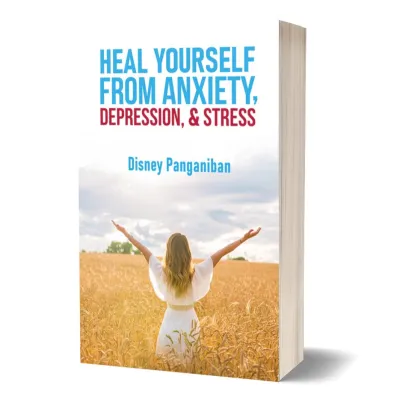
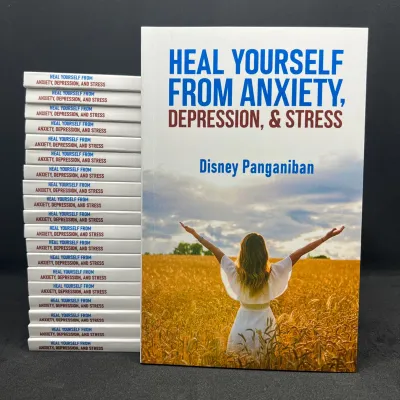
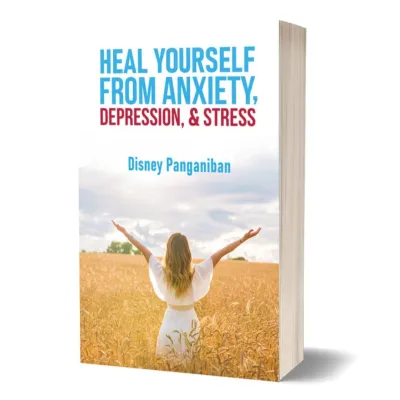
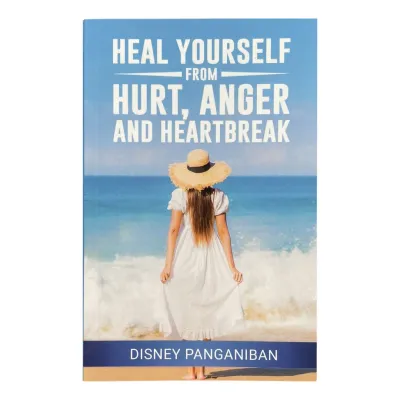
Prices are valid at publication and may change. Please refer to the product page for the latest price.
You should also determine what you hope to gain from your reading. Some readers seek to understand the neuroscience of anxiety, wanting to know exactly what happens in the brain when the fight-or-flight response is triggered. Others prefer practical, hands-on coping exercises they can practice during moments of high stress. Alternatively, you might simply be looking for emotional validation—a sense of comfort and reassurance that you are not alone in your struggles. Knowing your goals prevents you from buying a dense, clinical text when what you actually need is a comforting, narrative-driven memoir.
While self-guided reading is a powerful tool for personal growth, it is important to recognize its limitations. Self-help books are educational resources and should not be viewed as a complete cure for severe, chronic, or debilitating mental health conditions. If your anxiety prevents you from performing daily tasks, causes severe physical distress, or leads to feelings of hopelessness, seeking professional medical advice from a licensed psychologist or psychiatrist is an essential step. A book can complement professional clinical therapy, but it cannot replace the personalized care of a mental health professional.
Key Criteria for Evaluating Self-Help Books on Anxiety
With thousands of self-help titles available on ecommerce platforms and bookstore shelves, evaluating the credibility of a book before purchasing is vital. The first and most important criterion is the author’s credentials. Prioritize books written by licensed clinical psychologists, psychiatrists, academic researchers, or certified therapists who have years of clinical experience treating anxiety disorders. While books written by lifestyle coaches or individuals sharing personal anecdotes can offer inspiration, they often lack the scientific backing required for safe and effective clinical intervention.

Next, verify the publication date and the specific edition of the book. Psychological science and therapeutic methodologies evolve over time, and newer editions often incorporate updated research, clearer exercises, and more inclusive language. An older book might rely on outdated theories that have since been refined by modern cognitive science. Checking the copyright page or product description ensures that the strategies you are learning reflect current, evidence-based practices in mental health care.
You must also assess the book’s format to ensure it aligns with your learning style. Some books are highly theoretical, focusing on explanations and concepts, while others are structured as interactive workbooks filled with writing prompts, mood trackers, and behavioral exercises. If you prefer active learning, a workbook format will be much more beneficial than a standard narrative text. Conversely, if you find writing exercises stressful, a more reflective, reading-focused book might be a gentler entry point.
Finally, look for transparent disclaimers within the book’s introduction or front matter. Reputable self-help authors and publishers always include a clear statement indicating that the book is intended as an educational supplement rather than a replacement for professional clinical therapy. The absence of such a disclaimer, or any promise of a “guaranteed quick fix” or “instant cure,” is a major warning sign. Ethical mental health literature respects the complexity of anxiety and encourages readers to seek professional support when necessary.
Categories of Anxiety Management Books to Explore
To find the right book to heal yourself from anxiety, it helps to understand the different psychological frameworks commonly used in self-help literature. Authors write from various therapeutic perspectives, and matching these methodologies to your personal coping style can significantly improve your engagement and overall outcomes.
Cognitive Behavioral and Practical Workbooks
Cognitive Behavioral Therapy (CBT) is one of the most widely researched and effective frameworks for managing anxiety. Books based on CBT focus on identifying cognitive distortions—such as catastrophizing or all-or-nothing thinking—and challenging these negative thought patterns through logical analysis. They also guide readers through structured behavioral experiments, helping them gradually face their fears in a controlled, systematic way.
These books are highly recommended for readers who appreciate structure, logic, and actionable steps. They typically feature worksheets, daily logs, and step-by-step exercises designed to help you track your progress over time. Because these books require active participation, they function best when you can easily write down your thoughts and reflections.
If you are purchasing a physical copy in the Philippines, keep in mind that high humidity can make writing directly in books difficult over time, as pages may soften or ink may bleed. To preserve the book and allow for repeated use, check if the publisher offers companion digital resources or printable templates online. Alternatively, you can keep a dedicated notebook alongside the book to complete the exercises, keeping the original pages clean.
Mindfulness, Acceptance, and Somatic Techniques
Another major category of anxiety literature focuses on mindfulness, acceptance, and somatic (body-based) techniques. Many of these books are rooted in Acceptance and Commitment Therapy (ACT), which teaches readers to tolerate distress and accept their thoughts without judgment, rather than constantly fighting or trying to change them. Somatic books emphasize nervous system regulation, teaching you how to use breathing exercises, progressive muscle relaxation, and grounding techniques to calm the physical sensations of anxiety.
This approach is ideal for individuals who experience anxiety primarily as physical tension, rapid heart rate, or a sense of restlessness. Instead of analyzing your thoughts, these books teach you how to anchor yourself in the present moment and soothe your physical body. They help you build a gentler, more compassionate relationship with your emotions.
When exploring mindfulness and somatic books, consider whether an audiobook version or a companion audio guide would be beneficial. Practicing guided meditations or breathing exercises can be challenging when you have to constantly look down at a printed page to read the next step. An audio format allows you to close your eyes, focus on your breathing, and follow the instructions naturally.
Lived-Experience Memoirs and Relatable Narratives
For many readers, clinical exercises are less appealing than personal stories of struggle and recovery. Lived-experience memoirs are written by individuals who have personally navigated severe anxiety, panic, or burnout and want to share their journey. These narratives focus on the emotional reality of living with anxiety, offering deep empathy, validation, and a sense of shared experience.
These books are best suited for readers who feel isolated by their anxiety and are looking for comfort rather than structured homework. Reading about someone else’s setbacks and triumphs can reduce the stigma surrounding mental health and provide a powerful sense of hope. It helps you realize that your feelings are a normal human response to stress and that recovery is possible.
However, it is important to remember that memoirs offer inspiration and perspective shifts rather than structured clinical interventions. They do not provide the systematic, evidence-based tools found in CBT or ACT workbooks. If you choose a memoir, consider pairing it with a practical workbook so you can combine emotional validation with actionable coping strategies.
Where and How to Buy Books in the Philippines
Sourcing legitimate, high-quality books in the Philippines requires some care, as the local market features a mix of established retailers, independent shops, and online sellers. To ensure you are getting an authorized, complete edition, it is best to purchase from reputable sources. Established local bookstore chains and independent physical shops are excellent options, as they source directly from authorized publishers. Many of these physical stores also maintain official flagship storefronts on major online marketplaces, offering a convenient way to shop from home.
When shopping online, be highly vigilant against unauthorized, pirated, or poorly printed reproductions. These counterfeit books are common on online marketplaces and are often sold at unusually low prices. They frequently suffer from missing pages, illegible text, poor binding that falls apart quickly, and low-quality paper that degrades rapidly in the tropical Philippine climate. To avoid these issues, look for official store badges on online platforms, check customer reviews for photos of the actual book quality, and verify that the seller is an authorized distributor.
If you prefer immediate access or want to avoid shipping fees, digital formats are an excellent alternative. E-books and audiobooks are widely available on global and regional digital platforms. Digital reading apps allow you to adjust font sizes, change background colors to reduce eye strain, and carry multiple titles on a single device. Audiobooks are particularly convenient for busy routines, allowing you to listen during your daily commute or while doing household chores.
Before finalizing your purchase, compare the retail prices in Philippine Pesos (₱) across different legitimate platforms. Physical books imported from international publishers typically range from ₱400 to ₱1,200, depending on whether they are paperbacks, hardcovers, or specialized workbooks. Don’t forget to factor in local shipping costs and delivery times, especially if you live outside Metro Manila. Additionally, review the seller’s return policy for damaged goods, ensuring you can easily request a replacement if your book arrives with printing defects or shipping damage.
How to Integrate Reading into Your Healing Routine
Buying a self-help book is only the first step; the real benefit comes from how you integrate its teachings into your daily life. To avoid feeling overwhelmed, it is essential to set a realistic reading pace. Anxiety can make you feel rushed, leading to a desire to speed through the book to find an immediate solution. However, rushing through therapeutic material can cause burnout or increased anxiety if you feel you are “failing” to absorb the information. Treat the book as a gradual journey, reading just a few pages or completing one exercise a day.
Creating a dedicated, comfortable environment for your reading practice can help build a positive association with the process. Choose a quiet, well-lit spot in your home where you can sit comfortably without distractions. In the tropical Philippine climate, this might mean finding a cool, breezy area near a window with a fan, or setting aside time in an air-conditioned room during the hottest parts of the day. Making this space a sanctuary helps signal to your brain that it is time to slow down, relax, and focus on your well-being.
To get the most out of your reading, track your progress using a separate journal rather than writing directly in the book. This allows you to write freely without worrying about space constraints or damaging the pages. Use this journal to write down your reflections, note which exercises felt most helpful, and track changes in your anxiety levels over time.
Finally, establish clear boundaries for your reading sessions. Some therapeutic exercises can bring up difficult emotions or temporarily increase your distress as you confront your fears. If you begin to feel overwhelmed, give yourself permission to pause, close the book, and practice a simple grounding exercise. Healing is not a linear process, and knowing when to step back and rest is just as important as doing the work.
Frequently Asked Questions (FAQ)
Can self-help books replace professional therapy for anxiety?
No, self-help books cannot replace professional therapy. While they are highly valuable educational tools that can teach you coping mechanisms and help you understand your symptoms, they lack the personalized guidance, diagnostic capability, and clinical support of a licensed mental health professional. If you experience severe panic attacks, persistent feelings of hopelessness, or thoughts of self-harm, it is critical to seek immediate professional medical advice rather than relying solely on self-guided reading.
Are e-books and audiobooks as effective as physical workbooks?
The effectiveness of the format depends entirely on the type of book and your personal learning style. Physical workbooks are generally more effective for structured programs like Cognitive Behavioral Therapy (CBT), as the tactile experience of writing down thoughts and completing worksheets helps reinforce learning. However, e-books and audiobooks are highly effective for narrative memoirs, theoretical guides, and mindfulness practices, offering the added benefits of portability, instant access, and adjustable accessibility features.

Community discussion
Share your experience or ask a question. Comments are reviewed before publication.