
Choosing the right self-help book on delayed gratification and discipline requires looking beyond global bestsellers and finding frameworks that actually fit your daily life. For readers in the Philippines, the challenge of building discipline is rarely just about personal willpower. It is deeply intertwined with family expectations, economic realities, and high-distraction environments.
To find a book that truly helps you build lasting habits, you must select titles that offer practical, adaptable systems. Rigid, Western-centric advice often ignores local social dynamics.
By focusing on books that address your specific behavioral triggers and financial realities, you can transition from temporary motivation to sustainable lifestyle changes. The goal is to find resources that help you implement the classic philosophy of choosing to delay today to avoid hardship tomorrow, translating abstract psychological concepts into actionable steps for your unique situation.
Products mentioned in this guide
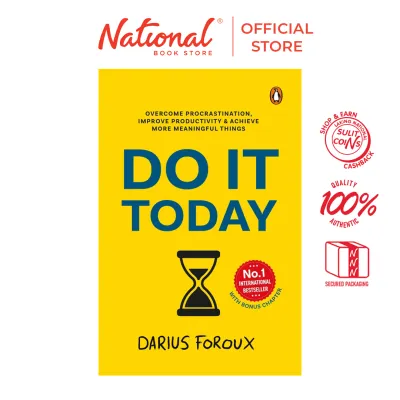
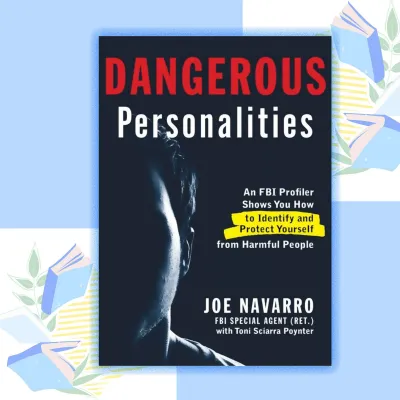
Prices are valid at publication and may change. Please refer to the product page for the latest price.
Identifying Your Core Discipline Challenges
Before browsing the shelves or online catalogs, you must pinpoint where your self-control most frequently falters. Discipline is not a single, uniform trait. It manifests differently depending on whether you are managing your finances, your time, or your attention.
For many, the primary struggle lies in financial discipline. The temptation of instant gratification through online shopping sales or trendy food deliveries often clashes with long-term goals like building an emergency fund of ₱15,000 or more.
For others, the challenge is behavioral. This includes battling digital distractions during work hours or struggling to maintain a consistent exercise routine in a humid, high-stress environment.
Understanding the root cause of your struggle is essential for choosing the right book. If your lack of discipline stems from emotional regulation—such as spending money or eating sweet treats to cope with a stressful commute—you need a book that focuses on emotional awareness and stress management.
If your challenges are driven by environmental triggers, such as living in a crowded household where quiet study space is scarce, you require a guide that teaches environmental design and boundary setting. A book that only offers generic motivational quotes will not help if your actual barrier is a chaotic physical environment or a lack of a structured daily system.
Ultimately, the purpose of reading about discipline is to avoid a specific future hardship. Whether you are trying to escape the cycle of living paycheck to paycheck, aiming to pass a major professional licensure exam, or seeking to improve your physical health, you must define what is at stake.
When searching for a delay today hardship tomorrow book, look for authors who help you clearly visualize these long-term consequences. The right book should guide you in mapping out the direct relationship between your small, daily choices and your long-term security, making the abstract concept of delayed gratification feel urgent and personally relevant.
Criteria for Selecting Culturally Relevant Self-Help Books
Not all self-help books translate well across different cultures and economies. Many popular titles are written by authors living in highly developed countries, where social safety nets, high average incomes, and individualistic cultures shape the advice.

When evaluating a book, consider the author’s background and the socioeconomic context of their frameworks. A system that relies on taking a gap year, hiring personal assistants, or investing large sums of discretionary income may not be realistic or helpful if you are navigating a different economic reality.
You must also assess whether the book’s financial and social examples can be adapted to the realities of life in the Philippines. Local family dynamics often involve deep financial interdependence, where being a breadwinner or contributing to extended family expenses is a standard expectation rather than an exception.
If a book’s advice on saving money assumes you only have to support yourself, its strategies might feel impractical or even selfish. Look for books that acknowledge collective family responsibilities and offer advice on how to build personal savings while still respecting and managing family obligations.
Finally, pay close attention to the quality of translation and localization if you are considering editions written in or translated into local languages. While reading in your native language can make complex psychological concepts more accessible, poor translations can sometimes dilute or distort key ideas.
Check if the local edition preserves the core scientific or psychological terms while using relatable, local analogies. A well-localized book should feel natural to read and should use cultural concepts to reinforce the author’s original points rather than simply translating words literally.
Matching Book Frameworks to Common Local Scenarios
To make your reading highly practical, match the book’s core framework to the specific scenarios you encounter in your daily life. Different authors excel at solving different types of discipline problems, so identifying your primary hurdle will lead you to the correct category of self-help literature.
Scenario A: Managing family expectations and financial boundaries. If you find yourself constantly struggling to save money because of social pressure or family demands, you need books that focus on boundary setting and long-term wealth building. Look for titles that address the psychology of money, social conformity, and the guilt associated with saying “no” to loved ones. The ideal book for this scenario should teach you how to communicate financial boundaries clearly and respectfully, helping you build a stable financial foundation by saving even ₱1,000 from each paycheck so that you can support others from a position of strength rather than depleting your own resources.
Scenario B: Building consistent daily habits amid unpredictable schedules. For those dealing with long daily commutes, unpredictable public transport, or frequent power and internet disruptions, rigid time-blocking systems are often set up for failure. Instead, look for books that advocate for micro-habit frameworks and systems-based approaches. These guides teach you how to build tiny, resilient habits that require minimal time and effort to maintain, making them easier to sustain even when your daily schedule is completely disrupted. Focus on authors who emphasize environmental design—arranging your physical space to make good habits easier and bad habits harder—rather than relying solely on raw willpower.
Scenario C: Overcoming digital distractions and instant entertainment. With high average screen times and constant connectivity, digital distraction is a major barrier to deep work and personal growth. If you find yourself scrolling through social media feeds instead of studying or working on your goals, seek out books on dopamine management and focus retraining. These books explain the neurological mechanisms behind instant gratification and offer structured protocols to help you reclaim your attention span. Look for practical guides that offer step-by-step digital detoxes or strategies for setting strict boundaries with your devices.
Sourcing and Verifying Authentic Books in the Philippines
Once you have identified the right type of book, the next step is ensuring you purchase an authentic, complete edition. The local market has seen a rise in unauthorized reprints and low-quality digital copies, which often contain missing pages, poor formatting, and frustrating typographical errors that disrupt the reading experience.
To guarantee you are getting a genuine copy, compare your purchasing options carefully:
- Physical Bookstores: Visiting established, reputable physical bookstores allows you to inspect the paper quality, binding, and print clarity directly.
- Official Online Flagship Stores: When shopping on major ecommerce platforms, always look for the official store badge of trusted local book distributors and publishers to avoid counterfeit sellers.
- Authorized E-Book Platforms: For digital reading, stick to globally recognized e-book stores or official publisher apps that guarantee the author receives their royalties and that you receive a fully formatted, complete file.
Before finalizing your purchase, verify the publisher, edition, and language specifications listed on the product page. Some self-help books have specific international or student editions that may differ slightly in cover design or paper stock but contain the complete text.
Additionally, if you prefer digital formats, check the device compatibility and digital rights management (DRM) restrictions. Ensure the e-book or audiobook format is compatible with your specific e-reader, tablet, or smartphone app before checkout so you can read comfortably without technical issues.
Frequently Asked Questions (FAQ)
Are translated self-help books as effective as the original English versions?
Translated self-help books can be highly effective, provided the translation is of high quality. A good translation does more than swap words; it adapts cultural idioms and context so the advice remains practical. Before purchasing a translated edition, check the translator’s credentials and read a sample chapter if available. If you are bilingual, comparing key psychological terms in both the English and translated versions can help clarify complex concepts and ensure you fully grasp the author’s original intent.
How can I apply delayed gratification concepts when facing immediate financial pressures?
Delayed gratification frameworks must be applied differently when you are dealing with urgent survival needs. If you are struggling to cover basic necessities like food, rent, or utilities, standard advice about long-term investing or cutting out minor comforts does not apply. In these situations, focus on distinguishing between discretionary spending and essential needs. Use discipline strategies to avoid high-interest informal debts and to manage scarce resources carefully. If immediate financial pressures are overwhelming, it is important to look beyond self-help books and seek professional financial counseling, community support programs, or cooperative credit unions that can offer practical, structural assistance.
Community discussion
Share your experience or ask a question. Comments are reviewed before publication.