
The most effective self-help book depends entirely on your current life stage, specific challenges, and cultural context. Rather than relying on generic bestseller lists, this guide helps you identify your core personal development needs, evaluate a book’s relevance to the Philippine context, and verify edition quality before making a purchase.
Identifying Your Core Personal Development Needs
To find a book that truly resonates, start with a targeted self-assessment of your current life challenges. Are you navigating a major career transition, seeking better financial management strategies, trying to improve interpersonal relationships, or looking to support your mental well-being? Ask yourself specific questions: Is your primary hurdle a lack of technical knowledge, or is it an underlying behavioral pattern? For instance, if you are struggling with career stagnation, you might need a book focused on practical skill acquisition, such as negotiation or project management. Conversely, if you feel overwhelmed by daily stress, a book centered on cognitive reframing or mindfulness might offer more sustainable relief.
It is crucial to distinguish between short-term skill acquisition and long-term mindset shifts. Short-term books are highly tactical; they provide step-by-step frameworks, templates, and immediate exercises to solve a specific problem, like organizing your workday or learning basic budgeting. Long-term mindset books, on the other hand, challenge your core beliefs, habits, and self-perception. These books require deeper reflection, slower reading, and a willingness to examine long-held assumptions. Recognizing which of these two approaches you need prevents the frustration of buying a philosophical book when you actually need a practical manual, or vice versa.
Products mentioned in this guide

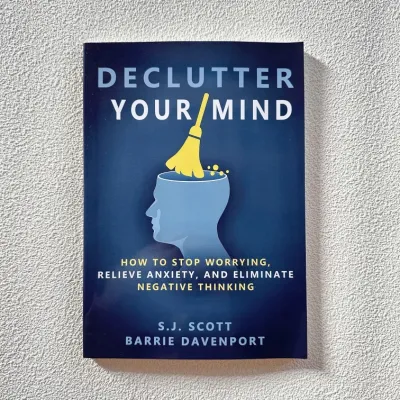
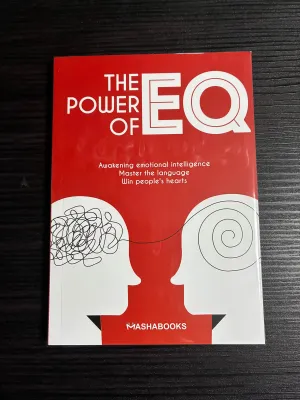
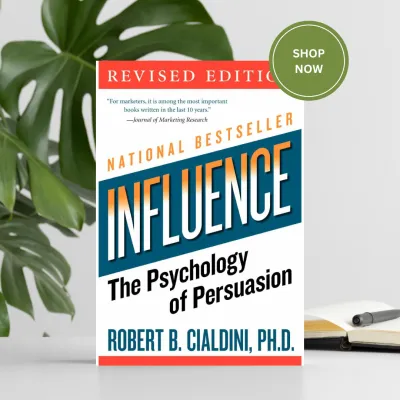
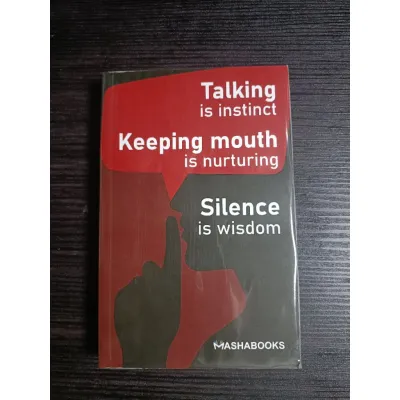
Prices are valid at publication and may change. Please refer to the product page for the latest price.
Additionally, manage your expectations regarding what a single book can realistically achieve. Personal growth literature is an excellent tool for self-reflection, education, and minor behavioral adjustments, but it is not a substitute for professional guidance. If you are dealing with severe anxiety, clinical depression, deep-seated trauma, or complex relationship crises, a book should only serve as a supplementary resource. Knowing when to transition from self-guided reading to consulting a licensed therapist, counselor, or financial advisor ensures you receive safe, personalized support tailored to your exact situation.
Evaluating Cultural Relevance and Local Context
Many of the world’s most popular self-help books are written from a Western perspective, which often assumes a high degree of individualism, specific social safety nets, and distinct economic structures. When evaluating a book, check whether the author’s examples and case studies translate well to the Philippines. For example, advice that encourages readers to abruptly quit their jobs to pursue a passion may not be practical in a society where multi-generational family support and financial interdependence are the norm. Look for books that acknowledge collective responsibilities and offer balanced strategies for personal autonomy within a supportive community framework.

Financial self-help requires particularly close scrutiny. Western financial guides frequently base their advice on specific investment vehicles, retirement accounts, and tax laws that do not exist or operate differently in the local market. Strategies involving specific index funds, real estate purchasing systems, or debt management programs may not align with local banking practices, investment options, or tax regulations. Before attempting to implement any financial advice, verify how those concepts map onto local financial institutions, government-mandated savings programs, and accessible investment platforms.
Furthermore, consider how well the book’s advice addresses local family dynamics, societal expectations, and workplace culture. In the Philippines, professional environments often emphasize hierarchy, interpersonal harmony (pakikisama), and indirect communication. A Western guide advocating for highly assertive, confrontational communication styles might backfire in a local office setting. The most valuable self-help books for local readers are those whose principles can be adapted to respect cultural values while still empowering you to set healthy boundaries, advocate for your career growth, and maintain personal well-being.
Matching Book Formats to Your Reading Habits
Choosing the right format is essential for integrating reading into your daily routine. Physical books remain a beloved choice for many, offering a tactile experience free from digital distractions. However, in a tropical climate with high humidity, physical books require careful storage to prevent mold, page yellowing, and damage from pests. If you choose physical copies, ensure you have a dry, well-ventilated space to store them. For those with long daily commutes on public transportation, carrying heavy physical books may be impractical, making digital alternatives highly appealing.
E-books and audiobooks offer excellent portability and convenience for busy lifestyles. E-books allow you to carry an entire library on a single lightweight device, which is ideal for reading during transit or quick breaks. Audiobooks are particularly useful for multitasking, allowing you to listen while commuting, exercising, or doing household chores. Before purchasing digital formats, check the device compatibility and specific app requirements of the platform you plan to use. Ensure your e-reader or smartphone supports the file format and that the reading application allows for offline access, so you can continue reading even when internet connectivity is unstable.
Language preference is another key factor in format selection. While English is widely read and understood, some readers find that concepts resonate more deeply when presented in their native language or through localized translations. Consider whether you prefer the precise terminology of the original text or the cultural familiarity of a localized edition. Some publishers offer bilingual editions or translations that adapt idioms and metaphors to local equivalents, making complex psychological or philosophical concepts much easier to comprehend and apply to daily life.
Verifying Editions, Translations, and Content Completeness
Before finalizing any book purchase, it is vital to verify the specific edition to ensure you are getting accurate and complete information. Check the publication date of the edition you are considering. This is especially important for books covering technology, career strategies, or personal finance, where outdated information can lead to obsolete practices or compliance issues. A newer edition may contain updated statistics, revised chapters that address modern challenges, or entirely new sections reflecting recent scientific research.
If you are purchasing a translated version of a self-help book, take the time to verify the translator’s credentials and read user reviews specifically addressing the translation quality. A poor translation can obscure the author’s original meaning, introduce confusing phrasing, or strip away the nuances that make the advice effective. Look for translations published by reputable houses known for rigorous editorial standards. Reading sample pages, if available, can help you assess whether the tone and flow of the translation feel natural and engaging to you.
Additionally, confirm the completeness of the content to avoid accidentally purchasing abridged versions, unauthorized summaries, or study guides. Check the official page count and chapter list of the original publication and compare them with the listing details of the book you intend to buy. Digital marketplaces sometimes feature low-cost summaries that mimic the cover art of the full book but only contain brief overviews. Be sure to read the product description carefully to ensure you are purchasing the complete, unabridged work rather than a condensed interpretation.
Sourcing Authentic Books and Avoiding Pirated Copies
To ensure a high-quality reading experience and support the creators of the work, always source your books from authorized sellers. Established physical bookstores and official online flagship stores are reliable sources for genuine copies. Specialized online retailers, such as Mashabook, curate high-quality selections of personal growth and educational literature, ensuring that readers receive authentic, well-produced editions. Purchasing from these dedicated platforms guarantees that you are getting legitimate copies that adhere to proper printing and publishing standards.
Pirated books are highly prevalent on general online marketplaces, and they often suffer from severe quality issues. You can spot red flags of pirated prints by looking closely at the physical characteristics of the book. Pirated copies frequently feature blurry or faded text, uneven margins, low-quality paper that tears easily, and weak glue binding that causes pages to fall out after a single reading. Another major indicator is an unusually low price; if a book is listed in ₱ at a fraction of its standard retail price at major bookstores, it is highly likely to be an unauthorized, low-quality reprint.
When shopping on general e-commerce platforms, protect yourself by thoroughly checking seller ratings, authentic buyer reviews, and return policies. Look for reviews that include photos or videos of the actual book received, as these can reveal poor print quality or binding defects. Avoid sellers with low ratings or those who use stock images exclusively. Reliable sellers will clearly state their return policies, allowing you to return the book for a refund if it arrives damaged or is found to be an unauthorized copy.
Frequently Asked Questions (FAQ)
Are translated self-help books as effective as the original English versions?
The effectiveness of a translated self-help book depends heavily on your personal language comfort and the quality of the translation. Reading in your primary language can significantly improve comprehension, retention, and reading speed, allowing you to absorb complex concepts more naturally. However, some translations may lose subtle nuances, cultural idioms, or the specific tone intended by the original author. To ensure you are getting an effective version, check reader reviews for feedback on the translation’s flow and accuracy, and choose editions from reputable publishers who employ professional translators.
How can I tell if a self-help book is based on scientific research?
To determine if a self-help book is evidence-based, look for a comprehensive bibliography, endnotes, or a citations section at the back of the book. Authors with professional credentials in psychology, neuroscience, or behavioral science are more likely to base their advice on peer-reviewed studies. Examine how the author presents their claims; evidence-based books typically discuss strategies as conditional, showing what worked under specific study conditions, rather than offering absolute, universal guarantees of success. If a book relies solely on personal anecdotes and promises instant, effortless transformation, it is likely not grounded in scientific research.
What should I do if the book's financial advice does not apply locally?
When encountering foreign financial advice, focus on extracting the universal underlying principles rather than the specific tools or vehicles mentioned. For example, if a book advises investing in a specific Western retirement account, translate that concept into local equivalents, such as voluntary provident funds, personal equity retirement accounts, or cooperative savings schemes. To bridge the contextual gap safely, consult local financial literacy resources, reputable personal finance authors from the Philippines, or licensed local financial planners who understand the domestic regulatory environment and investment landscape.

Community discussion
Share your experience or ask a question. Comments are reviewed before publication.