
Choosing a personal development book in the Philippines requires looking beyond global bestseller lists. While international titles offer valuable insights, the most impactful reading experiences come from books that align with your specific life stage, cultural background, and daily realities. Whether you are navigating a career shift, managing family expectations, or seeking financial stability, the book you select should serve as a practical tool for real-world application. By focusing on structured evaluation and cultural relevance, you can build a reading list that fosters genuine, lasting growth.
Understanding Your Personal Growth Goals
Start by identifying your immediate priorities. Are you facing a sudden career transition, dealing with persistent financial stress, or experiencing emotional burnout? Pinpointing your primary pain point prevents you from buying books that offer irrelevant advice. For instance, if you are struggling with daily productivity, a book on time management will be far more useful than a broad philosophical text on finding life purpose.
Next, distinguish between short-term skill acquisition and long-term mindset shifts. Short-term needs require highly tactical books with step-by-step instructions, templates, or exercises. Long-term growth, such as building emotional resilience or changing how you view failure, requires books that challenge your core beliefs and habits. Recognizing which type of growth you need helps you set realistic expectations for what the book can deliver.
Products mentioned in this guide
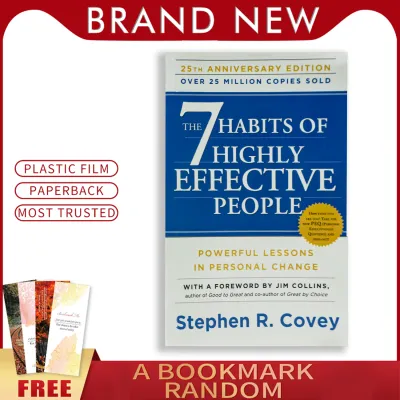
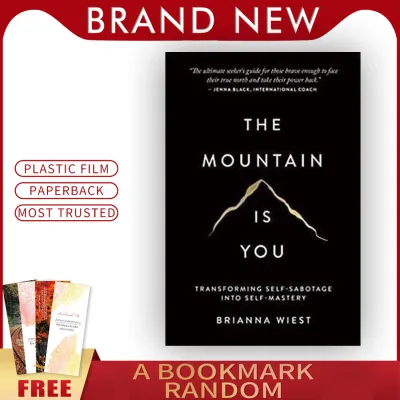

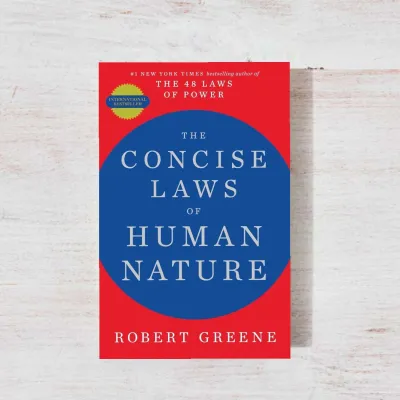
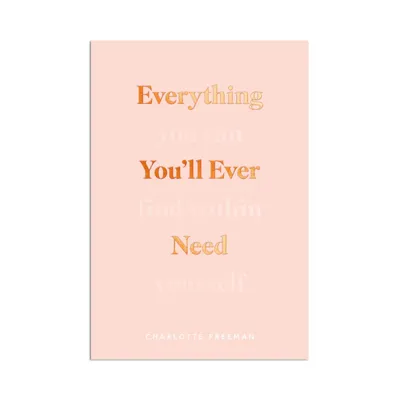
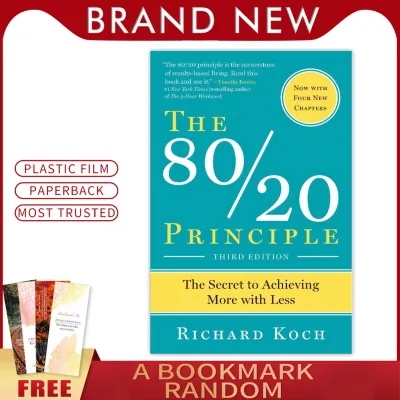
Prices are valid at publication and may change. Please refer to the product page for the latest price.
Finally, align your book selection with actionable outcomes. Reading should not be a passive activity where you simply collect ideas without implementing them. Before purchasing, ask yourself how you plan to apply the concepts to your daily routine. Look for books that include action plans, reflection prompts, or practical exercises that encourage you to step away from the pages and make tangible changes in your life.
Key Themes That Resonate With Filipino Readers
In the Philippines, financial literacy is a major focus for many readers. Local economic realities, such as inflation and the rising cost of living, mean that wealth-building advice must be highly practical. Furthermore, many Filipino readers carry significant family financial obligations, often acting as breadwinners or contributing to the household expenses of extended family members. Books that address these specific pressures, offering realistic budgeting and investing strategies within a shared-income framework, are highly valuable.

Mental health and emotional resilience are also increasingly important themes. Navigating high-pressure work environments, such as the fast-paced corporate sector or the demanding night shifts of the business process outsourcing industry, requires robust coping mechanisms. Readers often look for books that address workplace anxiety, stress management, and burnout. These books help individuals maintain their well-being while meeting high societal and professional expectations.
Career advancement and entrepreneurship are highly relevant as well. With the rapid growth of the gig economy and freelance opportunities in the country, many readers seek guidance on building side hustles, transitioning to remote work, or starting small businesses. Books that offer strategies for navigating the local job market, building professional networks, and developing entrepreneurial skills help readers adapt to a changing economic landscape.
Family dynamics and setting boundaries represent a unique cultural challenge. The close-knit nature of Filipino families is a source of immense support, but it can also lead to blurred boundaries and personal stress. Books that explore how to establish healthy boundaries, communicate assertively, and balance personal independence with family loyalty are essential. They provide readers with the tools to honor their relationships without sacrificing their own mental health and personal growth.
How to Evaluate a Self-Help Book Before Buying
Evaluating a book before buying is crucial to ensure you invest your time and money wisely. Start by checking the author’s credentials. Verify whether their advice is backed by professional expertise, such as a degree in psychology or counseling, or by years of verified experience in their respective field. Be cautious of books written by individuals whose only qualification is a large social media following, as their advice may lack depth or scientific backing.
Next, evaluate the cultural applicability of the concepts presented. Many popular self-help books are written from a Western perspective, which often emphasizes radical individualism, immediate risk-taking, or quitting a job without a safety net. Consider whether these strategies are realistic in the Philippines, where social safety nets are different and family interdependence is high. Look for books that acknowledge these systemic factors or offer adaptable frameworks.
Pay close attention to the book’s edition, language, and format details. When shopping at physical stores or online bookstores, verify if you are purchasing the complete, unabridged edition. Decide whether a physical paperback, an e-book, or an audiobook best fits your lifestyle and reading habits. Ensure that digital formats are compatible with your devices and do not have regional restrictions that prevent access.
Compare prices across reputable local retailers. While a standard paperback may range from ₱300 to ₱900 depending on the publisher, be wary of extremely cheap copies sold on online marketplaces. These are often unauthorized, pirated prints characterized by poor paper quality, missing pages, and illegible text. Purchasing legitimate copies ensures you receive a high-quality product while supporting the authors and publishers who create these valuable resources.
Building Your Personalized Reading List
Building a personalized reading list requires a balanced approach. A great strategy is to mix foundational global classics with works by local authors. Global classics provide broad, research-backed frameworks on human behavior, habits, and mindset. Local authors, on the other hand, ground these concepts in the local context, using familiar language, cultural references, and relatable life scenarios that make the advice much easier to implement.
Set realistic reading goals to prevent burnout and ensure knowledge retention. Rushing through multiple self-help books in a short period often leads to information overload, where you remember very little of what you read. Instead, pace yourself by reading a set number of pages or one chapter per day. Take time to reflect on the material, write down key takeaways, and practice applying one concept before moving on to the next chapter.
Utilize local libraries, book previews, and sample chapters to test a book’s relevance before committing to a purchase. Many online bookstores offer a preview feature or a free sample chapter. Spending fifteen minutes reading the introduction or the first chapter can help you determine if the author’s writing style, tone, and structure resonate with you, saving you from buying a book that will sit unread on your shelf.
Finally, track your progress and remain flexible. Your personal growth goals will naturally evolve as your life circumstances change. A book that was highly relevant during a career transition may no longer serve you once you have settled into your new role. Keep a simple reading journal or digital list to note which books helped you the most, and do not hesitate to adjust your reading plan to address your current needs.
Frequently Asked Questions (FAQ)
Are self-help books written by local authors better for Filipino readers?
Local authors offer a distinct advantage because they understand the specific cultural, social, and economic environment of the Philippines. They use relatable examples, local humor, and address common cultural pressures like family obligations and local workplace dynamics. However, international authors often provide highly researched, universally applicable frameworks on habits, psychology, and productivity. Rather than choosing solely based on nationality, evaluate the specific problem you want to solve. If you need help navigating local career paths or family dynamics, a local author is highly beneficial. If you are looking for foundational scientific research on cognitive behavior or habit formation, an international classic may be the better choice.
How can I tell if a translated or localized self-help book is worth buying?
To evaluate a translated or localized edition, start by checking the quality of the translation. Read a few sample pages to ensure the language flows naturally and uses contemporary phrasing rather than stiff, literal translations that make reading difficult. Look for editions that include localized forewords, introductions, or explanatory notes from local educators or professionals. These additions help bridge cultural gaps, explaining how the original concepts apply to readers in the Philippines. Finally, verify that the formatting, font size, and overall print quality of the localized edition are comfortable for extended reading sessions.

Community discussion
Share your experience or ask a question. Comments are reviewed before publication.