
Selecting the right parenting books requires looking past the broad age ranges printed on the cover and matching the content to your child’s actual developmental milestones, your family’s daily challenges, and the author’s professional credentials. Instead of buying a book simply because it is a bestseller, you need a systematic approach that evaluates the book’s scope, verifies the author’s background, and matches the format to your busy schedule. This ensures the advice you receive is safe, evidence-based, and highly practical for your current household reality.
In the Philippines, where parenting often involves extended family dynamics and unique environmental factors like managing active routines in tropical weather, finding highly relevant advice is even more critical. A book that focuses solely on cold-climate sleep setups or highly structured Western schedules might not translate well to a warm, bustling household. By focusing on developmental readiness rather than rigid chronological timelines, you can build a curated library that supports your child’s growth step by step.
Identify Your Child's Current Developmental Milestones
Children do not develop on a rigid, calendar-based schedule. While general guidelines might state that a child should begin speaking in full sentences or mastering certain motor skills by a specific month, individual pacing varies widely. Before you begin browsing online marketplaces or local bookstores, take a few days to closely observe your child’s physical, cognitive, and emotional milestones. Note what they can currently do independently, where they struggle, and how they react to daily transitions.
Products mentioned in this guide
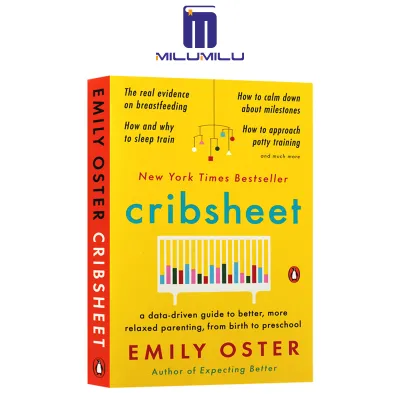

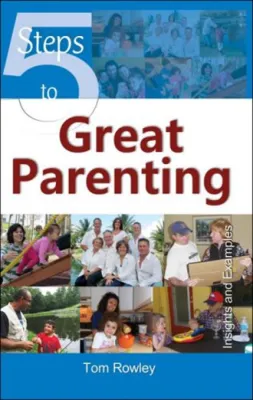

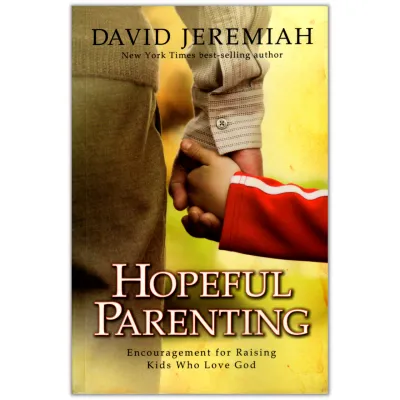
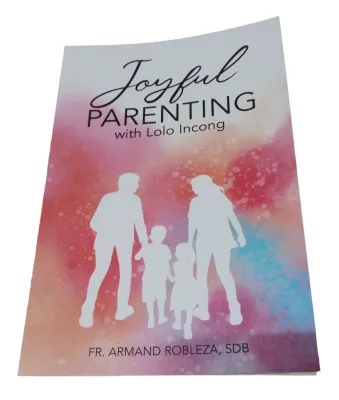

Prices are valid at publication and may change. Please refer to the product page for the latest price.
Physical milestones, such as rolling over, crawling, or developing a pincer grasp, often dictate immediate safety and care needs. For instance, a baby who has suddenly learned to roll over requires a completely different sleep environment and safety approach than a newborn. If you are looking for guidance on sleep or motor development, ensure the book addresses these specific physical transitions rather than just a generic age bracket.
Cognitive and emotional milestones are equally critical and often manifest as behavioral shifts. You might notice your toddler starting to assert independence, experiencing sudden separation anxiety, or showing signs of frustration when they cannot communicate their needs. These are indicators of cognitive leaps that require specific emotional coaching strategies. Identifying these behaviors beforehand allows you to search for books that address emotional regulation and communication rather than general discipline.
Additionally, document any upcoming transitions or immediate daily challenges your family is facing. Whether you are preparing for weaning, navigating a sudden sleep regression, or getting ready for your child’s first day of preschool, these events require targeted advice. Writing down a list of these active challenges gives you a clear set of search terms and criteria, preventing you from getting overwhelmed by the thousands of broad parenting titles available.
Evaluate the Book's Target Age and Scope
Once you have a clear picture of your child’s current milestones, you can begin evaluating potential books by checking their target age range and scope. Start by looking at the publisher’s recommended age bracket, but do not stop there. Check the publication date of the edition you are considering, as child development research evolves. An updated edition is more likely to reflect modern safety standards and contemporary understanding of pediatric psychology.
It is important to distinguish between broad chronological overviews and deep-dive books. Broad overviews are excellent for long-term planning and understanding general growth trajectories over several years. However, if you are currently dealing with a specific issue like toddler tantrums or infant sleep challenges, a broad book may only offer a few pages of generalized advice. For immediate, actionable solutions, look for books that dedicate their entire scope to a single developmental window or specific behavioral challenge.
To verify if a book is truly relevant to your child’s current stage, examine the table of contents closely. Many online book retailers and publishers offer a preview feature that allows you to read the chapter titles and introduction. Look for specific terms that match your observed milestones, such as “sensory play,” “cooperative play,” “expressive language,” or “executive function.” If the table of contents focuses heavily on milestones your child has already passed or is years away from reaching, the book is not a good fit for your immediate needs.
Pay attention to how the book structures its developmental windows. Some books use rigid monthly chapters, which can cause unnecessary anxiety if your child’s pacing differs slightly. Books that organize chapters around developmental phases—such as “the pre-verbal stage” or “early cooperative play”—often provide more flexible and realistic guidance that accommodates individual growth patterns.
Assess the Author's Credentials and Parenting Philosophy
The parenting book market is filled with diverse voices, ranging from licensed medical professionals to lifestyle influencers sharing personal anecdotes. To ensure the advice you follow is safe and effective, you must carefully evaluate the author’s credentials. Look for authors with formal, accredited backgrounds in fields such as pediatrics, child psychology, early childhood education, or family counseling. These professionals are trained to base their advice on peer-reviewed research and clinical observation rather than isolated personal successes.
Understanding the author’s core parenting philosophy is equally vital, as this philosophy will shape every piece of advice in the book. Some authors advocate for highly structured, parent-led routines, while others promote child-led, responsive parenting styles. Consider your own family’s cultural and personal values before choosing. For example, in close-knit households where extended family members are actively involved in daily care, a highly rigid, isolation-based sleep training method might be difficult or culturally uncomfortable to implement.
You must also learn to distinguish between evidence-based clinical advice and purely anecdotal personal experience. While a memoir written by a parent of five can offer comfort and solidarity, their strategies are based on a very small sample size and may not work for your child’s unique temperament. Conversely, clinical guides provide strategies tested across diverse groups of children. A balanced parenting library often includes a mix of both, but clinical, evidence-based books should serve as your primary guide for health, safety, and developmental milestones.
Be cautious of books that promise quick, universal fixes or guarantee absolute success within a few days. Child development is a gradual, non-linear process, and any book claiming to have a perfect, one-size-fits-all solution should be approached with skepticism. Instead, look for authors who acknowledge the complexity of parenting, offer multiple strategies for different temperaments, and encourage you to adapt their advice to your specific household dynamics.
Check Format, Accessibility, and Practical Application
Even the most brilliant parenting advice is useless if you do not have the time or energy to read and apply it. When selecting a book, consider which format best fits your daily routine and multitasking needs. If you find yourself with only a few minutes of quiet time during your child’s afternoon nap, a physical book or an e-book might be ideal. In tropical climates, where high humidity can sometimes damage paper pages over time, high-quality e-books are a durable and portable alternative that you can read on your phone or tablet with the screen brightness adjusted for late-night feeding sessions.
For parents who are constantly on the move, audiobooks offer an excellent way to consume content while doing household chores, preparing meals, or navigating long daily commutes. Listening to an audiobook allows you to absorb valuable developmental insights without needing to sit down with a physical copy. However, if you choose an audiobook, check if the publisher provides an accompanying PDF download containing any visual charts, checklists, or summaries mentioned in the audio.
The internal structure of the book plays a massive role in how easily you can apply its advice. Look for books designed with busy parents in mind, featuring actionable structural elements. These include bulleted chapter summaries, quick-reference developmental checklists, and troubleshooting scripts that show you exactly what to say during a challenging behavioral moment. A book that presents its ideas in dense, academic paragraphs without any visual breaks or summaries will be much harder to navigate when you are sleep-deprived and looking for a quick solution.
Before making a purchase, read independent reader reviews on online marketplaces or book discussion forums. Look specifically for reviews written by parents who share your child’s age group or specific challenges. Pay attention to comments about how practical and realistic the advice felt in real-world scenarios. If multiple reviews mention that the strategies require an unrealistic amount of preparation or are too rigid for a typical household, you may want to look for a more flexible alternative. Whether you are spending ₱400 on a digital copy or investing in a comprehensive physical guide, matching the format to your lifestyle ensures you actually use it.
Build a Flexible Reading Plan for Changing Stages
As your child grows, their developmental needs will change rapidly, meaning your parenting library must evolve alongside them. Rather than buying dozens of books all at once, build a flexible reading plan that adapts to each stage. Start by investing in one or two comprehensive, core reference books written by reputable pediatric organizations or child development experts. These core books should cover broad developmental timelines, general health guidelines, and basic safety protocols from infancy through early childhood, serving as your reliable first point of reference.
Around this core reference, rotate stage-specific books as your child approaches major transitions. For example, as your infant nears their sixth month, introduce a book focused specifically on weaning and introducing solid foods. When they approach toddlerhood, transition your focus to books on emotional regulation, language development, and positive discipline. This rotating approach keeps your reading highly relevant to your current daily life and prevents you from cluttering your home with books you will not need for several years.
It is also crucial to recognize the limits of parenting books and know when to transition away from written advice. Books are designed to offer general strategies for typical developmental paths; they cannot replace personalized professional care. If your child is experiencing persistent behavioral challenges, severe sleep disturbances, or signs of developmental delays that do not improve with standard strategies, stop relying on books. Consult your pediatrician or a child development specialist who can evaluate your child’s unique situation and provide tailored, clinical guidance.
Frequently Asked Questions (FAQ)
Should I buy parenting books before my child is born?
Yes, but keep your prenatal reading focused and limited. During pregnancy, it is highly beneficial to read books that cover foundational parenting philosophies, newborn care basics, and maternal postpartum recovery. Understanding what to expect in the first few weeks home can help reduce anxiety and prepare you for the physical demands of early parenting. However, avoid purchasing books about toddler discipline, potty training, or preschool preparation at this stage. Your child’s unique temperament and developmental pacing will heavily influence which strategies work best, so it is much more practical to wait and observe their personality before investing in books for later stages.
What if the book's advice conflicts with my pediatrician's recommendations?
Always prioritize the advice of your licensed pediatrician or medical specialist over any parenting book. While books are excellent resources for general behavioral strategies, emotional coaching, and daily family routines, they are not tailored to your child’s specific medical history or physical needs. If a book suggests a dietary change, a sleep training method, or a physical routine that contradicts what your doctor has advised, follow your doctor’s instructions. Your pediatrician has direct, clinical knowledge of your child’s health and growth metrics, making their personalized guidance the safest and most reliable authority for your family.
Community discussion
Share your experience or ask a question. Comments are reviewed before publication.