
Finding the right balance between protecting your fingers and maintaining a clean, resonant tone is one of the most common challenges for guitarists. Whether you are a beginner struggling with the initial pain of steel strings or an experienced player dealing with skin sensitivity, sweat, or long gigging sessions, finger protection can keep you playing longer. The key to choosing the right guitar fingertip protectors or guitar gloves lies in matching the accessory’s material, thickness, and design to your specific instrument and playing style.
Quick Guide to Choosing Guitar Fingertip Protectors
When selecting finger protection, your primary decision involves balancing physical protection against tactile sensitivity. Thick materials offer excellent pain relief but can make it difficult to feel the fretboard, while ultra-thin options preserve your touch but provide less cushioning.
The market generally divides these accessories into three main categories: silicone caps, adhesive tapes, and full guitar gloves. To find the right fit, always match the protector to your specific guitar type—such as a high-tension acoustic steel-string versus a low-tension nylon classical guitar—and your overall playing intensity.
Products mentioned in this guide
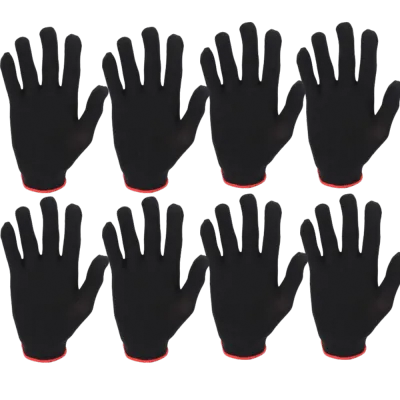
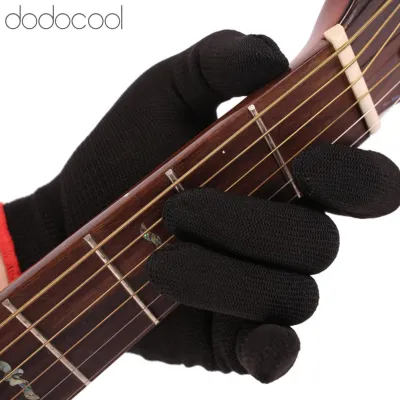
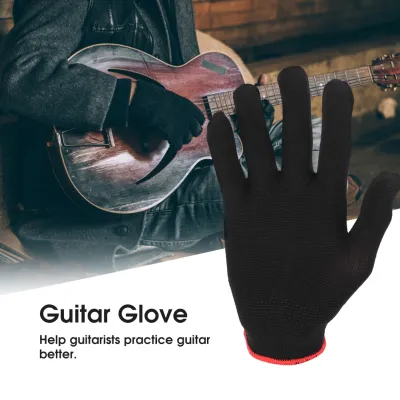

![[COD] SHGMYD 10PCS Finger Sleeve Silicone Glove AntiSlip Finger Protection Guitar Accessories](https://img.lazcdn.com/g/p/02c1d50b04c2457a754dc3a1c3a5057c.jpg_400x400q80.jpg_.webp)
Prices are valid at publication and may change. Please refer to the product page for the latest price.
Match Protectors to Your Guitar and Playing Style
The physical demands of playing a stringed instrument vary wildly depending on the guitar you play and the techniques you use. Acoustic guitars, especially those strung with medium-gauge bronze strings, require significant finger pressure to fret cleanly, making durable and slightly thicker protectors highly beneficial for extended practice.

In contrast, electric guitars often use lighter gauge strings under lower tension. While this reduces the pressure needed, frequent string bending and vibrato can slice into soft fingertips, requiring protectors with excellent slide resistance. Bass guitars present a different challenge altogether, as their thick, heavy metal strings demand robust, wear-resistant materials that will not tear under heavy plucking.
Your playing technique also dictates your protection needs. If you specialize in intricate fingerstyle arrangements, you require maximum tactile feedback to control the dynamics of each pluck. In this case, open-ended silicone caps or ultra-thin adhesive tapes are ideal because they leave the pads of your fingers partially exposed or minimally covered.
Conversely, if your style involves heavy, rhythmic strumming across all six strings, you may find that your fingers frequently scrape against the pickguard or strings. This makes a full guitar glove or broader-coverage caps necessary to prevent painful abrasions.
Furthermore, your experience level plays a major role in this decision. Beginners often use protectors as a temporary bridge while building natural calluses. If this is your goal, look for accessories that can be easily removed during a portion of your practice session, allowing your skin to gradually adapt to the strings.
Advanced players, on the other hand, often turn to protectors to manage specific challenges. These include performing long sets in hot, humid conditions where sweat softens the skin, or recovering from minor cuts and blisters without canceling upcoming performances.
Comparing Materials and Thickness for Finger Protection
The material of your finger protector directly influences your comfort, playing speed, and the tone of your instrument. Silicone and rubber caps are highly popular due to their excellent grip and cushioning. They are highly durable and can withstand hours of friction against metal strings.
However, silicone has a high coefficient of friction, which can cause your fingers to stick to the strings during slides, potentially slowing down your transitions. Additionally, the dense nature of silicone can absorb high-frequency vibrations, resulting in a slightly muted or warmer tone.
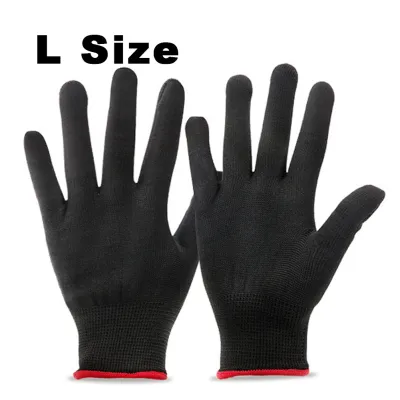
For players who prefer a more seamless, natural feel across the entire hand, leather or fabric guitar gloves offer an excellent alternative. Often made from thin, breathable woven nylon or soft suede, these gloves fit snugly over the hand and fingers. They allow for incredibly smooth slides along the fretboard because the fabric glides effortlessly over metal frets and strings.
While they offer less direct cushioning against string pressure than thick silicone, they excel at preventing blisters, managing sweat, and protecting the skin from friction-induced soreness.
If you dislike the bulk of caps and gloves, adhesive tapes and liquid barrier solutions provide a low-profile alternative. Specialized musical tapes can be wrapped directly around individual fingertips, offering customizable protection exactly where you need it.
These tapes are highly breathable and add virtually no bulk, preserving your natural hand position and fretboard feel. However, they are single-use items that must be replaced every session, making them less cost-effective over time compared to reusable gloves or silicone caps.
When evaluating these options, always check the manufacturer’s specifications for thickness. A protector that is too thick can accidentally mute adjacent strings, especially when playing complex chords in tight fret spaces. Conversely, a protector that is too thin may fail to provide adequate pain relief on high-tension steel strings. Look for detailed product descriptions on online marketplaces to verify the exact millimeter thickness of the material before making a purchase.
Evaluating Design, Fit, and Tactile Feedback
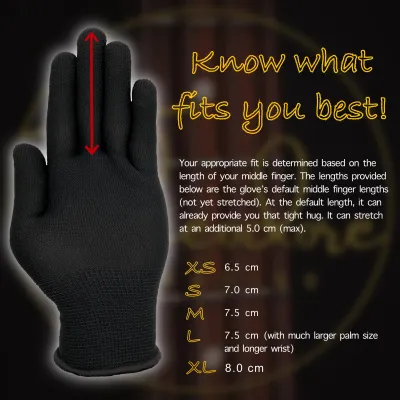
A protector is only effective if it fits securely without slipping or restricting your hand movement. Sizing is particularly critical for both individual silicone caps and full guitar gloves. To ensure a proper fit, use a soft measuring tape to measure the circumference of your fingertips or your palm, depending on the accessory type.
Compare these measurements carefully against the manufacturer’s size charts. Avoid generic “one-size-fits-all” options if you have particularly small or large hands, as loose protectors will slide around during fast passages, while overly tight ones can restrict blood circulation and cause hand fatigue.
The coverage area of the protector should align with where you experience the most friction. If your pain is isolated strictly to the very tips of your fretting fingers, individual caps are the most efficient choice. However, if you experience chafing on the sides of your fingers or across your palm from holding the neck, a half-finger or full-finger guitar glove will provide the comprehensive barrier you need.
In warm and tropical climates, such as the Philippines, breathability and sweat management are paramount. High humidity causes hands to sweat rapidly during intense practice sessions. If you choose silicone caps, look for designs featuring ventilation holes to prevent moisture from pooling inside, which can cause the caps to slip off your fingers. For guitar gloves, prioritize moisture-wicking synthetic fabrics that dry quickly and maintain their grip even when damp.
Before committing to a specific design, consider how it will affect your ability to execute advanced techniques. Use this checklist to verify if a protector supports your playing style:
- Harmonics: Does the material allow you to lightly touch the string over the fret wire without completely dampening the natural harmonic ring?
- Hammer-ons and Pull-offs: Is the protector firm enough to transfer the kinetic energy of your finger strike directly to the fretboard?
- String Bending: Does the surface of the protector grip the string sufficiently to push it upward without slipping underneath?
- Sliding: Can you slide smoothly from fret to fret without the material catching or dragging on the strings?
How to Build Your Guitar Protector Shortlist
With so many options available on online marketplaces, finding the right accessory requires a systematic approach. Follow these steps to narrow down your choices and find the right match for your playing needs.
Step 1: Define the Primary Problem Identify the exact issue you are trying to solve. If you are a beginner experiencing sharp fingertip pain, your primary need is cushioning, making silicone caps a strong starting point. If you are performing long gigs in humid conditions and struggle with sweat-induced slipping, a breathable guitar glove is likely the better solution.
Step 2: Filter by Compatibility Eliminate any materials or designs that interfere with your specific playing techniques. For example, if your repertoire relies heavily on fast legato passages, thick silicone caps may slow you down too much, prompting you to look at thin adhesive tapes or high-dexterity fabric gloves instead.
Step 3: Verify Seller and Product Details When browsing e-commerce platforms, carefully inspect the product descriptions. Look for exact material compositions, sizing dimensions, and package contents. Verify if the seller offers return or exchange policies, especially for sized items like gloves, to ensure you can swap them if the fit is not perfect.
Step 4: Test and Adjust Because finger anatomy and tactile preferences are highly personal, consider purchasing a low-cost variety pack that includes multiple sizes or materials. This allows you to experiment with different setups—such as using a silicone cap only on your index finger and tape on your ring finger—before investing in premium, specialized guitar gloves.
Frequently Asked Questions (FAQ)
Do guitar fingertip protectors change the tone of my acoustic guitar?
Yes, any material placed between your skin and the guitar string will alter the acoustic tone to some degree. Silicone and rubber caps tend to absorb high frequencies, resulting in a warmer, rounder sound with slightly reduced sustain and attack. Fabric guitar gloves also soften the attack but generally preserve more of the natural acoustic resonance than thick silicone. To minimize tone alteration, look for ultra-thin protectors and check user feedback on online marketplaces to see how other acoustic players describe the sound impact of specific models.
Can I use regular winter or work gloves instead of specific guitar gloves?
Regular winter or work gloves are not suitable for playing the guitar. These gloves are designed for insulation or heavy-duty protection, making them far too bulky and stiff for the precise finger movements required on a fretboard. They lack the necessary tactile feedback, will easily mute adjacent strings, and can snag on the frets. Purpose-built guitar gloves are manufactured from ultra-thin, stretchable, and seamless materials that mimic the natural contour of your hand, ensuring you maintain the dexterity needed for clean chord transitions and precise fretting.
How do I clean and maintain silicone finger caps or leather guitar gloves?
Proper maintenance extends the lifespan of your accessories and ensures hygienic play. After every session, wipe down your silicone caps with a damp cloth to remove accumulated sweat and skin oils, then let them air dry completely. For fabric or leather guitar gloves, always consult the manufacturer’s care label for specific washing instructions. Most synthetic fabric gloves can be gently hand-washed in cool water with mild soap, while leather options may require specialized leather cleaners. Avoid using harsh chemical solvents or exposing the accessories to direct sunlight or high heat, as this can degrade silicone and shrink or stiffen fabrics.
Community discussion
Share your experience or ask a question. Comments are reviewed before publication.