
Navigating personal struggles while balancing family obligations, demanding work schedules, and the fast-paced nature of daily life in the Philippines can take a heavy toll on your mental well-being. Whether you are dealing with the quiet exhaustion of burnout, the pain of a recent loss, or the persistent anxiety of uncertain times, finding a reliable source of comfort is essential. Many readers turn to literature as a private, accessible sanctuary for self-reflection and recovery.
When searching for a resource that heals to the emotional life, book selections should be approached with intention rather than relying solely on viral social media trends or eye-catching covers. Bibliotherapy—the practice of using books to support mental health—is a highly personalized journey. What brings comfort and clarity to one person may not resonate with another, especially when cultural differences and unique life circumstances come into play. To make the most of this process, it is important to understand how to evaluate, select, and actively engage with self-help literature.
This guide provides a practical framework to help you identify your specific emotional needs, verify the credibility of self-help authors, and match your personal struggles with the right therapeutic approaches. By learning how to transition from passive reading to active emotional processing, you can transform a simple book into a powerful tool for lasting personal growth and resilience.
Products mentioned in this guide
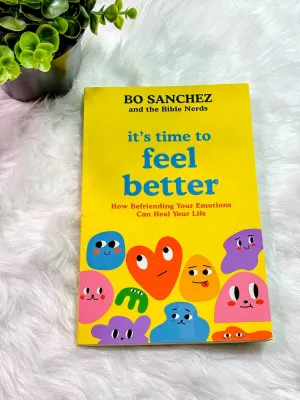
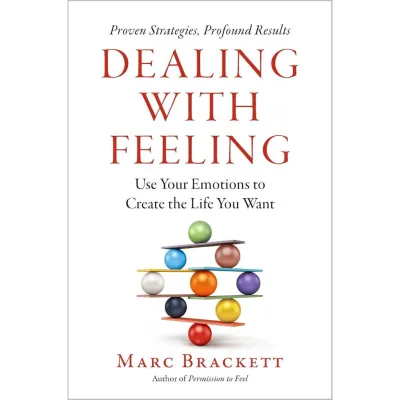
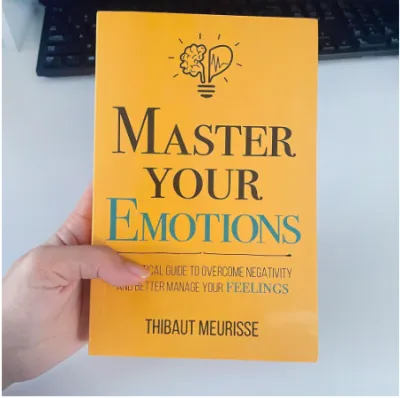
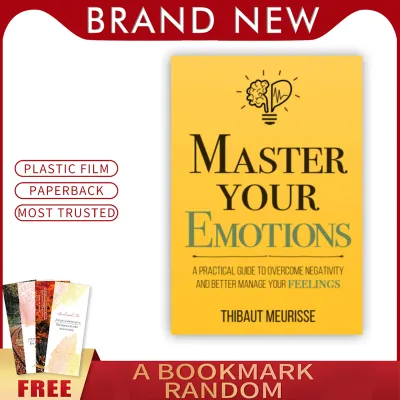
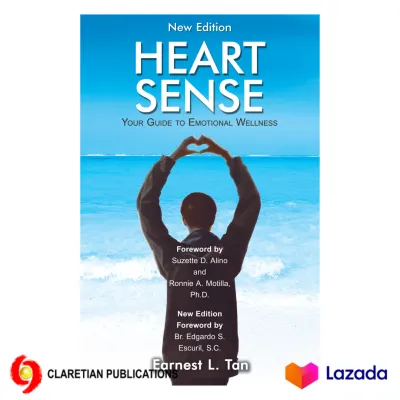
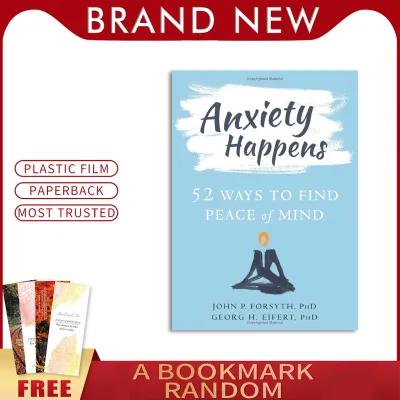
Prices are valid at publication and may change. Please refer to the product page for the latest price.
Identifying Your Emotional Needs Before Choosing a Book
Before browsing the shelves of a local bookstore or scrolling through online book retailers, you must first pinpoint the exact nature of the struggle you are experiencing. Emotional distress is rarely one-dimensional, and different challenges require different literary approaches. For instance, the coping mechanisms needed to process acute grief—such as the loss of a family member or the end of a long-term relationship—are vastly different from the strategies required to manage chronic, daily stress. Acute grief often demands gentle, narrative-driven comfort and space for mourning, whereas chronic stress from a demanding job in a bustling urban center requires practical time-management and boundary-setting frameworks.
Similarly, relationship issues and deep-seated family dynamics require books that focus on interpersonal communication, codependency, and emotional boundaries. In close-knit communities where family networks are highly integrated into daily life, setting boundaries can feel incredibly difficult and guilt-inducing. Recognizing whether your struggle is rooted in external pressures, interpersonal conflicts, or internal negative self-talk will prevent you from purchasing a book that does not align with your current emotional state.
It is equally crucial to recognize the boundaries of self-help literature. While a well-written book can offer profound insights, it is not a substitute for professional mental health care. If you are experiencing persistent symptoms of clinical depression, severe anxiety, trauma-induced panic, or thoughts of self-harm, a book alone cannot provide the necessary intervention. In these situations, literature should only serve as a supplementary tool alongside therapy from a licensed psychologist or psychiatrist.
Finally, establish realistic expectations for what a self-help book can achieve. Reading a book will not instantly solve your problems or erase your emotional pain. Real healing is a slow, non-linear process that requires you to apply the book’s concepts to your daily life over weeks, months, or even years. View the book as a supportive map, but remember that you must still do the difficult work of walking the path toward recovery.
What to Look for in a Credible Self-Help Book
With thousands of self-help titles available on digital marketplaces and physical shelves, separating evidence-based guidance from superficial advice is essential. The first step in verifying a book’s credibility is examining the author’s professional credentials. Authors who are licensed clinical psychologists, psychiatrists, certified counselors, or academic researchers bring years of clinical training and peer-reviewed science to their writing. While memoirs and books by motivational speakers or lifestyle influencers can offer comfort and inspiration, they often lack the clinical frameworks necessary to guide you through complex psychological healing.

When evaluating an author, look at their educational background, licensing, and clinical experience. A credible author will clearly state their qualifications in the book’s biography or introduction. They will also reference established psychological studies, clinical trials, or therapeutic modalities rather than relying solely on personal anecdotes or unverified claims. If a book promises quick fixes, overnight transformations, or absolute guarantees of happiness, treat it with caution.
Another critical factor for readers in the Philippines is the cultural relevance of the book’s advice. Many mainstream self-help books are written from a highly individualistic Western perspective, emphasizing self-reliance, immediate independence, and the cutting off of difficult relationships. However, in a collectivist society where family interdependence, filial piety, and community solidarity are deeply valued, applying Western advice directly can cause intense internal conflict and social friction. Look for books that acknowledge these cultural nuances, or seek out works by local authors and mental health advocates who understand the delicate balance of maintaining personal boundaries while honoring family ties.
Additionally, take a moment to review the psychological framework used in the book. Credible self-help literature is typically grounded in proven therapeutic methodologies. Look for mentions of Cognitive Behavioral Therapy (CBT), which focuses on identifying and changing negative thought patterns; Acceptance and Commitment Therapy (ACT), which encourages accepting difficult emotions while committing to value-aligned actions; or mindfulness-based stress reduction. You can easily verify this by reading the book’s introduction, checking the table of contents, or scanning the bibliography for academic references.
Matching Your Struggles to the Right Type of Healing Book
Once you have identified your emotional needs and know how to verify a book’s credibility, you can begin matching your specific struggles to the appropriate genre or therapeutic approach. Different writing styles and structures serve different purposes in the healing process.
Cognitive Behavioral and Habit-Building Books
If your primary struggle involves persistent negative self-talk, chronic worry, or feeling stuck in destructive daily routines, books grounded in Cognitive Behavioral Therapy (CBT) and habit formation are highly effective. These books are structured, practical, and action-oriented. They teach you how to identify cognitive distortions—such as catastrophizing or all-or-nothing thinking—and replace them with balanced, realistic perspectives. By focusing on small, daily behavioral changes, these books help you regain a sense of agency and control over your immediate environment, making them ideal for managing work-related burnout and daily anxiety.
Mindfulness and Somatic Healing Books
For those who experience stress physically—such as muscle tension, shallow breathing, chronic fatigue, or a constant state of alertness—mindfulness and somatic healing books are incredibly valuable. These resources focus on the mind-body connection, teaching you how trauma and chronic stress are stored in the physical body. Through grounding exercises, breathing techniques, and body-scan meditations, these books guide you in calming an overactive nervous system. This approach is particularly helpful for individuals recovering from high-stress environments or past traumatic experiences, helping them feel safe in their own bodies once again.
Narrative and Journaling-Based Books
If you are processing complex emotions, deep-seated grief, or identity transitions, narrative-driven books and guided journals offer a gentler, more reflective path. These books often combine personal essays with open-ended prompts, inviting you to write down your thoughts and feelings. Journaling serves as a safe, private outlet for emotional release, allowing you to organize chaotic thoughts and uncover subconscious patterns. Rather than telling you what to do, these books provide the structure and space for you to discover your own answers at your own pace.
Culturally Contextualized Memoirs and Essays
Sometimes, the most healing experience is simply knowing that you are not alone in your struggles. Culturally contextualized memoirs and essay collections written by local authors or writers from similar backgrounds provide a unique sense of solidarity. These books address the specific societal pressures, economic anxieties, and family dynamics unique to the local context. Reading about someone else navigating the exact same cultural expectations and finding a way through can validate your emotions and reduce the sense of isolation that often accompanies mental health struggles.
Turning Reading into Active Emotional Healing
To experience true personal growth, you must transition from being a passive consumer of words to an active participant in your own healing. It is easy to read a self-help book, agree with its concepts, and then close the cover without making any changes to your daily life. To prevent this, treat your reading time as an active study session for your well-being.
First, practice careful pacing. When dealing with heavy emotional topics, reading too quickly can overwhelm your nervous system and lead to emotional fatigue. Instead of rushing to finish a book, limit yourself to a few pages or one short chapter per day. Give yourself time to sit with the ideas, digest the emotions they stir up, and observe how they apply to your daily interactions. If a particular chapter feels incredibly heavy or triggers intense discomfort, give yourself permission to put the book down for a few days.
Second, actively engage with the exercises provided in the text. Many credible self-help books include reflection questions, worksheets, or behavioral experiments. Do not skip these sections. Keep a dedicated notebook or digital journal specifically for your reading journey. Write down your responses to the prompts, track your progress, and document any shifts in your mood or behavior. By physically writing down your thoughts, you engage different parts of your brain, making the therapeutic concepts much easier to internalize.
Finally, establish clear boundaries and know when to pause. Reading about emotional healing can sometimes bring deeply buried memories or unresolved pain to the surface. If you find that reading a book is consistently increasing your anxiety, causing sleep disturbances, or making you feel hopeless, it is a sign that the material is too intense to process alone. Pause your reading immediately and reach out to a licensed mental health professional who can provide a safe, guided space to help you navigate these complex emotions.
Frequently Asked Questions (FAQ)
Can self-help books replace professional therapy?
No, self-help books cannot replace professional therapy. While books are excellent tools for psychoeducation, self-reflection, and learning basic coping strategies, they are designed for a general audience and cannot address your unique personal history, trauma, or clinical needs. Professional therapy provides a personalized, interactive, and safe environment where a licensed clinician can help you process deep-seated issues. If you are experiencing severe symptoms such as persistent hopelessness, an inability to perform daily tasks, extreme mood swings, or thoughts of self-harm, you should seek immediate professional intervention rather than relying on self-help literature.
How do I know if a self-help book is culturally relevant to the Philippines?
A self-help book is culturally relevant if its advice respects and addresses collectivist family structures, community dynamics, and local societal expectations. When evaluating a book, look at how the author discusses boundaries and relationships. If the book solely advocates for radical individualism or cutting off family members without acknowledging the emotional, financial, or social consequences in a close-knit society, it may not be fully applicable to your life. You can also look for books written by local psychologists, counselors, or authors who explicitly address local cultural concepts such as family duty, social harmony, and shared identity.
What should I do if a book triggers overwhelming emotions?
If a book triggers overwhelming emotions, your immediate priority is to ensure your emotional safety. Close the book and place it out of sight. Practice grounding techniques to help regulate your nervous system, such as the 5-4-3-2-1 method (identifying five things you can see, four you can touch, three you can hear, two you can smell, and one you can taste) or taking slow, deep breaths. If the distress persists, reach out to a trusted friend, family member, or a licensed mental health professional. Remember that healing is not a race, and it is entirely healthy to step away from a book that you are not currently ready to process.

Community discussion
Share your experience or ask a question. Comments are reviewed before publication.