
Recreating the sensory magic of your favorite local café in the comfort of your own home requires more than just buying a bag of premium beans. It takes a solid understanding of extraction variables, milk texturing, and recipe formulation. Choosing a high-quality coffee shop at home book in digital format is one of the most efficient ways to build this expertise. An eBook provides instant access to step-by-step tutorials, interactive guides, and troubleshooting charts that you can keep open on your tablet or smartphone right next to your espresso machine or pour-over dripper. To find the right digital guide, you must evaluate your current brewing setup, understand the credentials of the author, verify the file format for your specific e-reader, and ensure the recipes are adaptable to local ingredients and tropical climates.
Identifying Your Home Coffee Goals and Skill Level
Before browsing digital bookstores, clarify what you want to achieve with your home brewing setup. If you are a beginner, jumping straight into a highly technical manual on water chemistry or advanced espresso extraction can feel overwhelming and discouraging. Conversely, if you already own a semi-automatic espresso machine and want to master microfoam, a basic guide that only explains how to use a French press will not offer enough depth. Assess whether your primary goal is to learn foundational manual brewing methods, master the visual art of milk pouring, or simply recreate sweet, flavored café-style drinks like iced Spanish lattes and salted caramel macchiatos.
Your current equipment should dictate the complexity of the eBook you select. If your kitchen counter features a simple blade grinder and a standard drip coffee maker, look for books that focus on maximizing flavor with basic tools, sourcing pre-ground beans, or utilizing immersion brewing. If you have invested in a precise burr grinder, a digital scale, and a manual pour-over cone, seek out literature that explains extraction theory, grind size calibration, and water-to-coffee brew ratios. Matching the book’s technical level to your hardware prevents frustration and ensures you can actually execute the steps described in the text.
Products mentioned in this guide
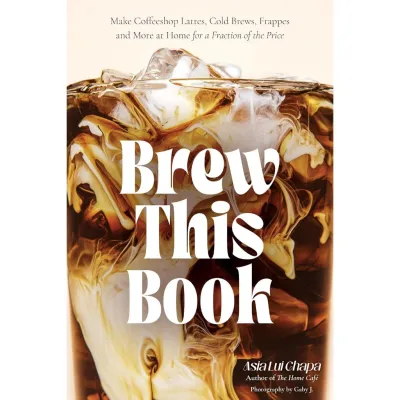

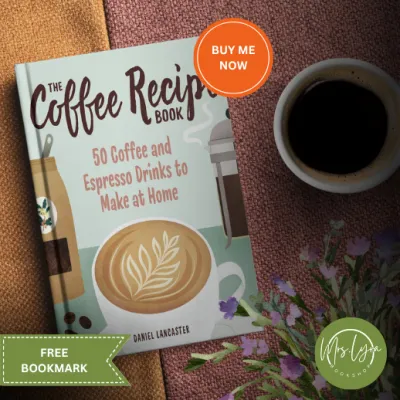
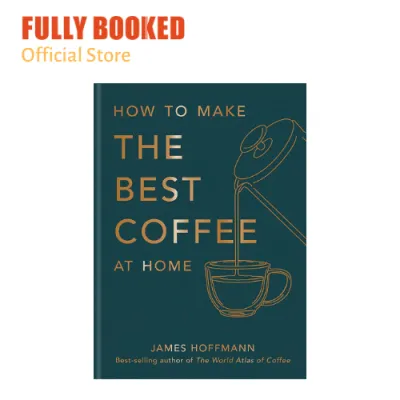

Prices are valid at publication and may change. Please refer to the product page for the latest price.
Additionally, consider whether you want to focus solely on taste or if you also want to recreate the visual and sensory atmosphere of a coffee shop. Some eBooks go beyond recipes to cover the aesthetics of home cafés, including tips on selecting glassware, organizing a dedicated coffee bar, and even curating background playlists. In the Philippines, where the afternoon heat often makes a refreshing iced beverage highly desirable, look for guides that specifically address cold extraction methods, ice dilution management, and how high humidity affects coffee bean storage and freshness.
Essential Criteria for Evaluating Coffee eBooks
With thousands of self-published digital titles available online, verifying the quality and credibility of an eBook before purchasing is essential. Start by checking the publication date and edition of the book. The specialty coffee industry evolves rapidly, with new understanding of extraction science, roasting profiles, and brewing equipment emerging every few years. An outdated guide might recommend brewing temperatures or extraction times that have since been refined by modern barista standards. A recent edition ensures you are learning contemporary techniques that align with modern home brewing equipment.

Next, investigate the author’s professional background. Look for eBooks written by certified baristas, professional roasters, café owners, or recognized coffee educators. Authors with formal industry credentials, such as certifications from the Specialty Coffee Association (SCA), bring verified scientific principles and practical, commercial-grade experience to their writing. Avoid books that lack author biographies or are compiled by anonymous content agencies, as these often contain recycled, unverified information scraped from basic internet searches.
Visual aids are critical when learning hands-on techniques like pouring water or texturing milk. A high-quality coffee eBook should feature clear, high-resolution step-by-step photographs, detailed diagrams, and easy-to-read troubleshooting charts. For example, learning how to pour a heart or rosette in latte art is incredibly difficult without visual sequences showing the angle of the pitcher and the flow of the milk. Before buying, use the preview feature of the digital bookstore to check if the illustrations are clear, properly formatted, and easy to view on a smaller screen.
Finally, ensure the eBook offers practical, accessible ingredient sourcing advice. Some advanced recipe books rely heavily on commercial-grade syrups, proprietary bean blends, or rare chemical additives that are difficult to find for a home enthusiast. The best digital guides teach you how to make your own simple syrups, infuse natural flavors, and select widely available milk alternatives. They should also offer flexible suggestions for bean profiles rather than forcing you to buy from a specific international roaster, allowing you to support local roasters and find suitable beans in your local market.
Types of Coffee eBooks to Match Your Needs
To build a well-rounded digital coffee library, it helps to understand how these books are categorized. Depending on your immediate goals, you can choose between highly technical scientific manuals or creative, recipe-focused guides.
Foundational Brewing and Bean Science
If you want to understand the “why” behind a perfect cup of coffee, foundational brewing books are indispensable. These texts dive deep into coffee origins, processing methods, roast profiles, and the core physics of extraction. You will learn how water chemistry, mineral content, and water temperature affect the rate at which flavors are pulled from the coffee grounds. These guides also cover the mathematics of brewing, teaching you how to use precise brew ratios (such as 1:15 or 1:16) to adjust the strength and body of your drink.
Be aware that these scientific texts are highly technical and require a commitment to precision. To apply the knowledge in these books, you will need a digital scale that measures to the tenth of a gram, a reliable thermometer, and a high-quality burr grinder. The book will teach you how to systematically adjust variables when switching between different bean origins—such as a bright, acidic Ethiopian light roast and a chocolatey, full-bodied Brazilian medium roast—to avoid sour under-extraction or bitter over-extraction.
Café-Style Recipes, Syrups, and Latte Art
If your goal is to replicate the diverse menu of a modern specialty coffee shop, look for books dedicated to recipes and presentation. These eBooks focus on crafting signature drinks, blending seasonal flavors, and mastering the visual elements of coffee service. They are excellent resources for learning how to make homemade vanilla, caramel, or spiced syrups from scratch, avoiding the artificial taste of cheap commercial alternatives. They also provide instructions on how to froth dairy and plant-based milks to the perfect temperature and consistency for hot or iced drinks.
Latte art tutorials within these books break down the mechanics of milk texturing and pouring into observable, repeatable steps. They explain how to position the steam wand to introduce air, how to roll the milk to integrate the bubbles into a glossy microfoam, and how to control the speed and height of your pour to create clean designs. When evaluating these recipe books, verify that they use precise weight measurements in grams or milliliters rather than vague volume estimates like cups or scoops, as weight-based recipes ensure consistent taste every time you brew.
Checking Format, Device Compatibility, and Region Locks
Purchasing an eBook only to find it is unreadable on your device is a frustrating experience. Before completing your purchase, confirm that the file format is fully compatible with your e-reader, tablet, or smartphone. Common formats include EPUB, PDF, and proprietary formats like KF8 or KFX for specific e-reading devices. If you plan to read the book on a dedicated e-ink reader, ensure the device can handle the layout. If the book is highly visual with full-color photos of latte art and brewing steps, reading it on a color tablet or smartphone via a compatible app will provide a much better experience than a monochrome e-ink screen.
Digital Rights Management (DRM) is another crucial factor to check. Some publishers apply strict DRM restrictions to their eBooks, limiting the number of devices you can authorize or preventing you from exporting the file to a different reading application. If you like to switch between reading on your laptop while planning recipes and using your smartphone while standing at your kitchen counter, look for DRM-free options or platforms that offer seamless cloud syncing across multiple devices. Always verify if the platform allows offline reading, so you can access your recipes even if your home internet connection drops.
Region locks and licensing restrictions can also affect availability in the Philippines. Some international eBook platforms restrict certain titles based on your geographical IP address or the billing address of your payment method. Before setting your heart on a specific title, ensure it is officially licensed for sale in your region to avoid purchase errors or account restrictions. Additionally, check user reviews or sample pages to confirm that the digital formatting is of high quality; poorly converted eBooks often suffer from misaligned text, overlapping images, or low-resolution diagrams that make instructional charts completely illegible.
Where to Source and Verify Digital Coffee Books
To ensure you receive a complete, high-quality, and legal copy of your chosen coffee shop at home book, always source your digital files from authorized channels. Prioritize official publisher websites, established global eBook retailers, and authorized digital bookstores. Purchasing from legitimate sources guarantees that the author and publishers are compensated for their work, and it protects your devices from the malware risks associated with unauthorized file-sharing networks or pirated PDF downloads.
When browsing digital marketplaces, cross-reference the International Standard Book Number (ISBN) or the Amazon Standard Identification Number (ASIN) of the eBook. This step helps you confirm that you are purchasing the complete, unabridged edition rather than a shortened summary, a study guide, or an outdated draft. Some popular coffee books have multiple editions, so verifying the unique identifier ensures you get the latest updated content with the most recent brewing standards.
Take the time to read recent user reviews on the digital bookstore platform, paying close attention to feedback regarding the digital layout. Look for reviews that mention whether the table of contents is fully interactive, if the index links work correctly, and if the images scale properly on different screen sizes. If multiple reviews complain about broken links, missing pages, or unreadable text formatting, it is best to look for an alternative platform or a different edition of the book.
Finally, compare the pricing of the eBook across different legitimate platforms. Prices are typically displayed in Philippine Pesos (₱) on localized digital storefronts. Keep an eye out for bundled deals, seasonal sales, or digital reading subscription services that allow you to access a large library of culinary and beverage books for a flat monthly fee. Subscriptions can be highly cost-effective if you plan to read multiple guides to compare different brewing philosophies before committing to a single method.
Frequently Asked Questions (FAQ)
Are PDF or EPUB formats better for coffee recipe books?
The choice between PDF and EPUB formats depends entirely on your reading device and how you plan to use the book in your kitchen. PDF files feature a fixed layout, meaning the text, images, and tables remain in the exact positions designed by the publisher. This is highly beneficial for complex recipe layouts, step-by-step photo grids, and detailed brewing charts, as the visual structure never breaks. However, PDFs can be difficult to read on smaller smartphone screens, as you will need to constantly zoom and scroll horizontally to read the text.
EPUB files, on the other hand, feature a reflowable layout where the text automatically adjusts to fit your screen size and allows you to customize the font size. This makes reading long chapters on a smartphone highly comfortable. The trade-off is that reflowable text can sometimes disrupt the alignment of recipe tables, push instructional photos away from their corresponding steps, or split a single brewing chart across multiple pages. For highly visual coffee books, a fixed-layout EPUB or a high-resolution PDF viewed on a tablet is generally preferred.
Can I use an eBook to learn latte art without an espresso machine?
While you can learn the theoretical pouring mechanics and milk science from an eBook without a commercial espresso machine, replicating professional café-quality latte art requires specific milk textures that are difficult to achieve with basic kitchen tools. True latte art relies on microfoam—milk that has been aerated and textured so finely that it resembles wet paint, with no visible bubbles. This specific texture is traditionally created using the high-pressure steam wand of an espresso machine, which heats and spins the milk simultaneously.
If you do not own an espresso machine, some eBooks offer alternative workarounds using manual tools like a French press, a handheld battery-operated milk frother, or a specialized stovetop steaming pitcher. A French press can produce surprisingly dense foam if you pump warm milk rapidly, but controlling the exact ratio of liquid to foam is challenging. An eBook can teach you the correct pouring angles, speed, and wrist movements, but you should expect the visual definition and complexity of your designs to differ from those made with professional steam-textured microfoam.
Community discussion
Share your experience or ask a question. Comments are reviewed before publication.