
Choosing the right castanets for folk dance requires balancing the physical demands of your choreography with the acoustic properties of the instrument. Because castanets serve as both a visual prop and a rhythmic driver, your choice of material, size, and mounting style directly impacts how easily you can perform complex patterns and how well your beats carry across the performance space. By evaluating your specific dance style, hand size, and local environmental factors, you can find a pair that feels comfortable and sounds clear.
Understand Your Folk Dance and Performance Needs
Different folk dances demand distinct rhythmic roles and volume levels. For instance, traditional Spanish flamenco requires highly articulated, rapid-fire rolls that must cut through the sound of footwork and acoustic guitars. In contrast, certain regional folk dances use castanets to provide a steady, bright accompaniment that complements softer stringed instruments or acoustic ensembles. Matching your instrument to the specific genre ensures your rhythms support the music rather than overpowering it.
The performance environment also dictates your requirements. Performing on an indoor theater stage with dedicated microphones is very different from dancing at an outdoor community festival or in a humid rehearsal studio. Outdoor venues generally require instruments with high sound projection and excellent durability to withstand wind and ambient noise. If you frequently perform in tropical climates where humidity levels fluctuate rapidly, the physical stability of the instrument becomes a primary concern.
Products mentioned in this guide
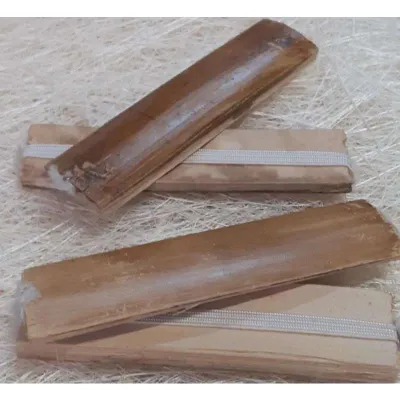
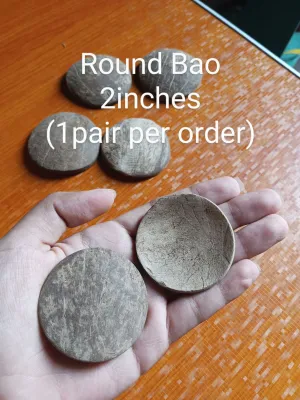
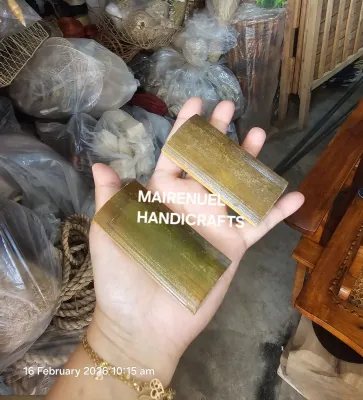
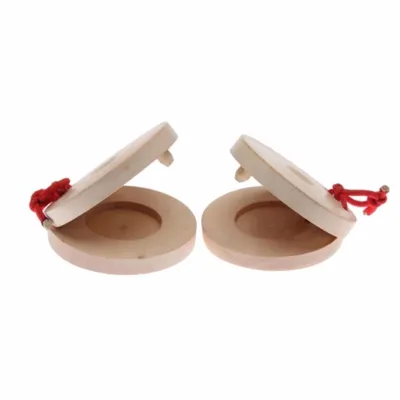
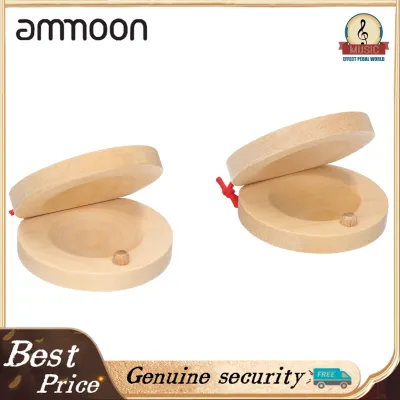
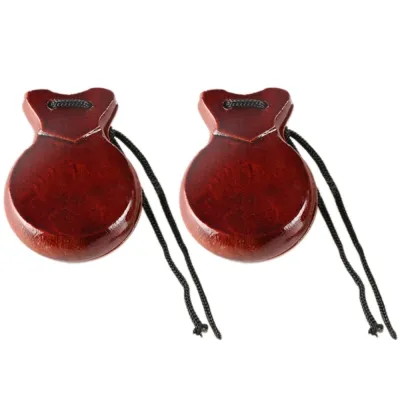
Prices are valid at publication and may change. Please refer to the product page for the latest price.
Your skill level and role within a group should also guide your selection. Solo performers often need highly responsive, professional-grade instruments that allow for subtle tonal variations. Ensemble players, on the other hand, require consistency in pitch and volume to ensure the group sounds unified. Beginners should focus on ease of handling and durability, allowing them to master basic striking techniques before investing in specialized, high-end models.
Compare Castanet Materials and Sound Profiles
The material of your castanets is the single most influential factor shaping their tone, weight, and environmental resilience. Natural wood options, such as granadillo, ebony, or rosewood, are highly prized for their warm, deep, and traditional acoustic properties. These woods offer a rich, earthy click that matures over time as the wood is played. However, natural wood is highly sensitive to environmental conditions. In warm, humid regions, wooden castanets can absorb moisture, which may temporarily dull their sound or, in extreme cases, cause the wood to warp or crack if not carefully managed.

Synthetic materials, including fiberglass, resin, and high-density molded plastics, offer a highly durable alternative. Fiberglass castanets produce a very bright, sharp, and piercing click that projects exceptionally well in large venues or outdoor spaces. These materials are virtually impervious to humidity and temperature fluctuations, making them highly reliable for performers who travel or practice in non-air-conditioned spaces. Molded plastics are lightweight and highly consistent in their manufacturing, providing an affordable and predictable option for students and large dance troupes.
Weight is another critical factor that directly influences playing fatigue during long routines. Heavy wooden or dense composite castanets can strain the fingers, wrists, and forearms during extended rehearsals. Lightweight synthetic models allow for longer practice sessions without physical discomfort, though they may lack the deep, resonant bass tones of heavier materials. When selecting a material, balance the acoustic warmth you desire against the physical weight you can comfortably manage for the duration of your choreography.
Select the Right Size and Hand Fit
Finding the correct size is essential for both sound quality and physical comfort. Castanet sizes are typically designated by numbers or measurements that correspond to the width and height of the shells. The size of the shell directly influences its pitch and resonance. Larger shells have a deeper cavity, which naturally produces a lower, more resonant pitch. Smaller shells have shallower cavities, resulting in a higher, brighter, and more piercing sound.
To ensure a secure and comfortable fit, the castanet must rest naturally in the palm of your hand. If the shell is too large, your fingers will struggle to reach the striking edge, leading to hand strain, missed beats, and dropped instruments. If the shell is too small, you may find it difficult to control the rebound, and the sound may lack the necessary depth. The ergonomic contour of the castanet should align with the natural curve of your hand when your fingers are slightly curled.
When reviewing manufacturer sizing guides, pay close attention to the recommended hand span and finger length measurements. A common way to check fit is to place the castanet in your palm; the edges should align closely with the base of your fingers and the heel of your hand. Because sizing standards can vary significantly between brands, always verify the exact millimeter dimensions of the shells rather than relying solely on generic labels like “medium” or “large.”
Evaluate Mounting and Handling Options
The physical configuration of your castanets must align with your dance choreography and technical proficiency. Traditional handheld castanets are joined by a single adjustable cord or string. The player slips the cord over the thumb or middle finger, depending on the regional style, and uses the remaining fingers to strike the shells together. This traditional setup allows for maximum control, enabling the dancer to produce a wide range of dynamics, rolls, and subtle tonal colors.
For choreographies where the hands are partially occupied—such as holding fans, skirts, or other props—or for beginners who have not yet mastered finger articulation, handle-mounted castanets are an excellent alternative. These consist of castanet shells mounted onto a central wooden or plastic handle. The player shakes the handle or strikes it against their palm or thigh to produce the sound. While handle-mounted models offer less dynamic nuance, they provide immediate playability and reliable volume.
Regardless of the style you choose, inspect the quality and adjustability of the connecting cords. The cord must be strong enough to withstand repetitive tension without stretching or fraying. It should feature an adjustable knot or tensioning mechanism, allowing you to fine-tune how widely the shells open. If the cord is too loose, the castanets will be difficult to control; if it is too tight, the shells will not rebound properly, resulting in a choked, muffled sound.
Use a Final Selection and Purchase Checklist
Before finalizing your purchase on an online marketplace or at a local music specialty store, cross-reference your chosen specifications with your performance goals. Ensure the material matches your local climate and venue type, the size fits your hand measurements, and the mounting style suits your choreography. If you are performing in a group, verify if there is a specific pitch or material requirement to ensure acoustic unity across the ensemble.
Check the product listing carefully to see what accessories are included with your purchase. High-quality castanets often come with a protective storage pouch, which is essential for shielding the instrument from dust, moisture, and physical damage. Some packages also include replacement cords or tuning tools. If these accessories are not included, consider purchasing them separately to ensure you can maintain your instrument from day one.
Because you cannot physically test the fit and sound of castanets when buying online, carefully review the seller’s return policy and warranty terms. Look for sellers that allow returns or exchanges if the size is incorrect or if the instrument arrives with manufacturing defects. Verify that the seller is an authorized distributor of the brand to ensure you receive a genuine product made from high-quality, durable materials.
Frequently Asked Questions (FAQ)
How do I maintain and store my castanets to prevent damage?
To keep your castanets in optimal condition, wipe them down with a clean, dry microfiber cloth after every use to remove sweat, oils, and dust. Avoid using water, liquid detergents, or harsh chemical cleaners, which can damage the finish of synthetic models and ruin natural wood. For wooden castanets, apply a tiny drop of mineral oil or specialized wood conditioner once or twice a year to prevent the material from drying out and cracking.
Proper storage is critical, especially in tropical environments with high humidity. Always store your castanets in a padded pouch or case when not in use, keeping them away from direct sunlight, air conditioning vents, and extreme temperature changes. Regularly inspect the connecting cords for signs of wear, fraying, or loss of elasticity. Replace worn cords immediately using high-quality nylon or cotton replacement strings to prevent the castanets from flying apart during a performance.
Can I use the same pair of castanets for different folk dance styles?
While it is possible to use a single pair of castanets for multiple dance styles, you may have to make compromises in tone and volume. A heavy, deep-toned wooden pair suited for dramatic solo performances might sound too dark or quiet for a fast-paced, outdoor group dance. Conversely, bright fiberglass castanets might sound overly harsh in an intimate indoor setting.
If your budget or storage space limits you to one pair, look for a versatile middle-ground option. A medium-sized pair made of high-density synthetic material or a dense, well-finished wood offers a balanced pitch and reliable durability across various settings. When in doubt, consult your dance instructor or ensemble director, as they can provide style-specific recommendations that align with the group’s artistic direction and acoustic balance.
Community discussion
Share your experience or ask a question. Comments are reviewed before publication.