
Entering the world of fantasy literature can feel like stepping into an entirely new dimension, but the transition does not have to be overwhelming. For readers looking to explore this genre, the key is finding stories that balance imaginative world-building with accessible storytelling. Whether you prefer reading in English or Tagalog, the ideal starting point is a book that introduces its magical elements gradually, allowing you to enjoy the adventure without getting lost in complex fictional histories or dense terminology.
By focusing on relatable characters, intuitive magic systems, and familiar cultural backdrops, you can build a reading habit that feels both exciting and manageable. From classic portal adventures to contemporary local speculative fiction, there are numerous pathways into the genre. This guide will help you identify the key characteristics of beginner-friendly fantasy, explore accessible subgenres in both languages, and navigate local sourcing options to start your reading journey.
What Makes a Fantasy Novel Beginner-Friendly?
When you are new to fantasy, the sheer scale of some fictional worlds can be intimidating. High fantasy series often feature multi-page maps, invented languages, and complex political systems that require significant mental effort to track. A beginner-friendly novel, by contrast, prioritizes gradual world-building. Instead of dumping paragraphs of historical exposition in the opening chapters, the author weaves the rules of the world naturally into the characters’ daily lives, allowing you to absorb the setting organically as the plot moves forward.
Products mentioned in this guide
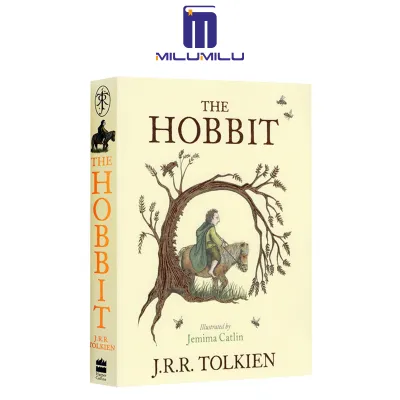
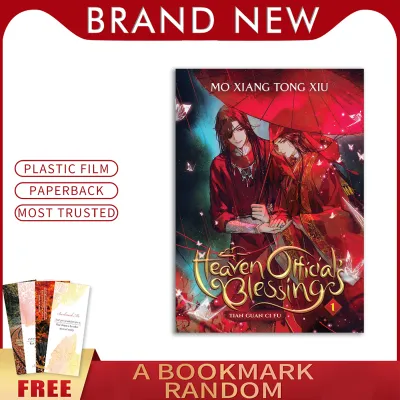
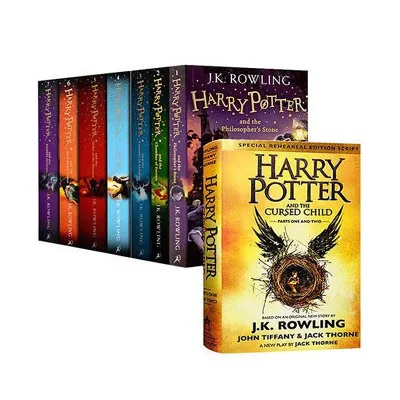
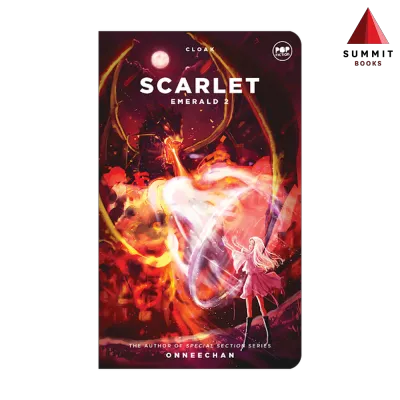
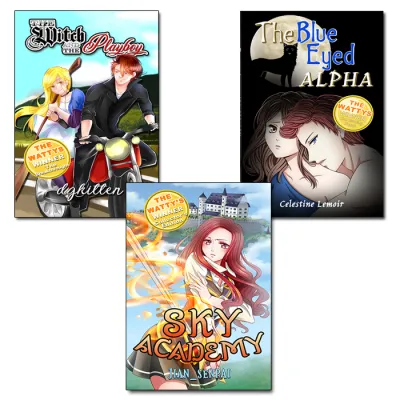
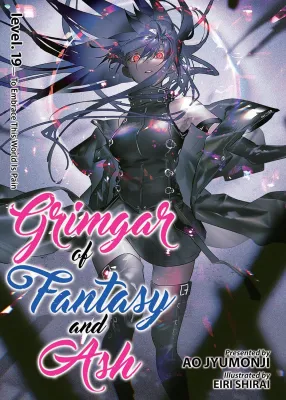
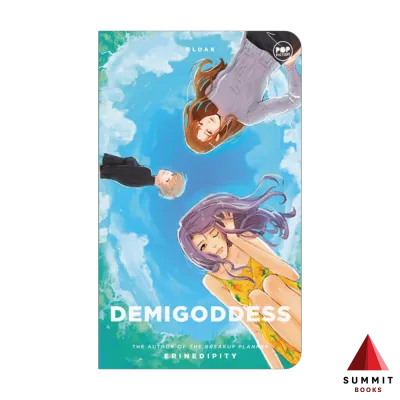
Prices are valid at publication and may change. Please refer to the product page for the latest price.
The perspective of the protagonist plays a crucial role in how easily you can connect with a fantasy story. Coming-of-age narratives or scenarios where an ordinary character suddenly discovers a hidden magical world are highly effective entry points. Because the main character is learning about the magic system, the laws of the land, and the supernatural creatures at the exact same pace as you are, their questions and discoveries naturally mirror your own, making the narrative feel intuitive and engaging.
Language complexity and book length are also practical factors to consider. A massive, thousand-page tome with archaic vocabulary can quickly lead to reading fatigue, especially if you are balancing your reading time with a busy daily routine. Opting for novels with straightforward sentence structures, modern dialogue, and moderate page counts helps maintain a comfortable reading rhythm. This is particularly important when reading in a second language or adjusting to the unique stylistic conventions of speculative prose.
Finally, the design of the magic system dictates how much effort is required to follow the plot. ‘Soft’ magic systems operate on wonder, mystery, and simple, intuitive rules rather than rigid, pseudo-scientific laws. You do not need to memorize complex elemental charts or mathematical spell-casting formulas to understand what is happening. When the magic feels like a natural extension of the world’s atmosphere, you can focus on the emotional core of the story and the relationships between the characters.
Exploring Accessible English Fantasy Novels
English fantasy literature spans a vast array of subgenres, from gritty grimdark epics to whimsical fairy tale retellings. For beginners, the most accessible English fantasy novels are those that ground their extraordinary elements in clear narrative structures and strong character development. By focusing on subgenres that emphasize personal growth over sprawling military campaigns, you can enjoy the imaginative freedom of fantasy while staying grounded in a story that feels emotionally resonant and easy to follow.

To find these accessible entry points, it is helpful to develop a systematic filtering strategy. Before purchasing a book, take time to read the back-cover blurb to assess whether the plot revolves around a single, clear quest or a confusing web of multiple viewpoints. Online reader reviews can provide valuable insights into the book’s pacing and complexity, while content warnings can help you gauge whether the tone aligns with your personal reading preferences.
Classic Portal and Coming-of-Age Fantasy
Portal fantasy remains one of the most reliable gateways into the genre because of its structural simplicity. In these stories, the narrative begins in a familiar, realistic setting before transitioning through a magical gateway—such as a wardrobe, a painting, or a hidden railway platform—into an extraordinary realm. This stark contrast between the ordinary world and the magical world provides a clear mental anchor, making it easy to track the transition from the known to the unknown.
As the protagonist navigates this new environment, their learning curve serves as a natural teaching tool for the reader. When the character attends a hidden magical academy or learns to converse with mythical beasts, the explanations they receive serve to educate the reader without halting the story’s momentum. This shared journey of discovery builds a strong bond between you and the protagonist, transforming complex lore into exciting personal milestones.
Classic narrative tropes, such as the ‘chosen one’ archetype or hidden magical schools, are excellent examples of these accessible structures. While some seasoned readers seek out books that subvert these tropes, beginners benefit greatly from their predictability. These familiar frameworks provide a comfortable scaffolding, allowing you to appreciate the author’s unique creative flourishes without feeling disoriented by unconventional plot structures.
Modern Young Adult and Low-Stakes Fantasy
Modern young adult (YA) fantasy has exploded in popularity precisely because it prioritizes fast pacing, relatable themes, and contemporary language. Many YA fantasy novels are set in urban environments where magic coexists with modern technology, school routines, and familiar social dynamics. This blend of the mundane and the magical lowers the barrier to entry, as you do not have to visualize an entirely fictional medieval society to understand the setting.
Another rapidly growing subgenre is low-stakes or ‘cozy’ fantasy. Unlike traditional epic fantasy, where the fate of the entire world hangs in the balance, cozy fantasy focuses on smaller, more intimate conflicts. The plot might revolve around opening a magical coffee shop, solving a local mystery in a sleepy fantasy village, or helping a community of mythical creatures. These stories emphasize warmth, personal growth, and emotional resolution, offering a relaxing reading experience that is perfect for winding down after a long day.
The language used in modern YA and cozy fantasy is typically highly accessible, avoiding the dense, archaic prose often found in older high fantasy classics. The dialogue feels natural and immediate, and the chapters are often shorter, which encourages a consistent reading habit. This accessibility makes it much easier to build momentum and develop a regular reading routine.
Discovering Tagalog and Philippine Fantasy Literature
Exploring fantasy written by Filipino authors in Tagalog or Taglish offers a uniquely rewarding reading experience. Philippine speculative fiction is a vibrant, rapidly growing field that draws deep inspiration from the country’s rich oral traditions, regional folklore, and complex history. By choosing local fantasy works, you can experience imaginative storytelling that feels deeply connected to your own cultural reality.
One of the greatest advantages of reading local fantasy is the reduction in cognitive load. When you read foreign fantasy, you must spend energy understanding unfamiliar cultural references, historical settings, and social hierarchies. Local fantasy, however, utilizes familiar cultural touchstones, family dynamics, and societal contexts. This immediate familiarity allows you to dive straight into the magical elements of the story without having to decode the underlying cultural landscape.
Mythology-Inspired and Folklore Retellings
Philippine mythology and folklore provide an incredibly rich tapestry for fantasy writers. Books that draw from these traditions often feature familiar figures such as diwatas, kapres, tikbalangs, and regional deities. Because many local readers grew up hearing stories about these creatures, encountering them in a modern fantasy novel feels intuitive and nostalgic, eliminating the need to learn an entirely new fictional pantheon from scratch.
Folklore retellings often utilize established narrative structures that feel natural to local readers. Whether the story is a modern reimagining of a classic legend or a quest involving regional spirits, the narrative beats align with familiar cultural storytelling patterns. This structural familiarity makes it easier to follow the plot and appreciate the creative ways contemporary authors modernize these ancient tales.
To find these mythology-inspired works, look for specific keywords when searching bookstore catalogs or library databases. Terms like ‘Philippine speculative fiction’, ‘mythology retellings’, ‘local folklore fantasy’, and ‘homegrown fantasy anthologies’ are excellent starting points. Many local independent publishers dedicate specific collections to these themes, making them highly accessible to readers looking to explore their cultural heritage through a speculative lens.
Contemporary Local Fantasy and Speculative Fiction
Contemporary local fantasy often takes the form of urban fantasy, where magical elements intersect with the bustling reality of modern Philippine cities or the quiet life of rural provinces. Imagine a story where ancient spirits inhabit the old trees of a university campus, or where traditional healers navigate the crowded streets of Manila. This juxtaposition of the supernatural with everyday local life creates a unique sense of wonder that feels incredibly close to home.
When choosing local fantasy, it is important to consider the language threshold that best matches your comfort level. Local publications range from pure, formal Tagalog prose to contemporary Taglish, which reflects the natural code-switching used in daily conversations. If you are looking to improve your formal vocabulary, pure Tagalog texts offer a rich linguistic experience; if you prefer a casual, fast-paced read that mirrors modern speech, Taglish narratives provide an incredibly smooth and accessible entry point.
Supporting local independent publishers and anthologies is one of the best ways to discover diverse homegrown fantasy voices. Anthologies, in particular, are fantastic for beginners because they compile short stories from various authors. This format allows you to sample different writing styles, magic systems, and subgenres in a single volume, helping you identify exactly what kind of local fantasy resonates most with you before committing to a full-length novel.
Where to Find and Buy Fantasy Books in the Philippines
Sourcing fantasy books in the Philippines requires a bit of strategy, especially when looking for specific editions or independent local publications. Major national bookstore chains are the most common starting point, often featuring dedicated sections for young adult fiction, international fantasy, and local literature. When visiting these physical stores, do not hesitate to browse the ‘Philippine Publications’ or ‘Filipiniana’ shelves, as local fantasy works are often grouped there rather than in the general fiction section.
Online marketplaces and e-commerce platforms offer a convenient alternative, especially for readers living outside major metropolitan areas. To navigate these platforms effectively, use specific search filters to narrow down your options. Search for verified bookstore accounts, official publisher storefronts, or highly rated independent book dealers to ensure you are purchasing genuine copies. You can filter your searches by language, author, or publisher to quickly locate specific Tagalog or English titles.
Before finalizing any purchase, it is essential to verify the book’s specifications to ensure a high-quality reading experience. Check the product description for details regarding the book’s edition, language, and format (such as paperback or newsprint). This is particularly important for independently published local works, where print runs may vary in paper quality and binding durability. Given the tropical climate and high humidity in the Philippines, storing your books in a dry, well-ventilated area—and perhaps investing in simple plastic covers—will help protect the pages from moisture damage and yellowing over time.
Building Your First Fantasy Reading List
Creating your first fantasy reading list should be an enjoyable, low-pressure process. Instead of committing to a massive, multi-volume epic series right away, start your journey with standalone novels, short story collections, or novellas. Standalone books offer a complete, satisfying narrative arc within a single volume, allowing you to experience the full scope of a fantasy world without the pressure of committing to thousands of pages of sequel material.
Setting realistic reading goals is another effective way to build confidence and maintain momentum. Try dedicating just fifteen to twenty minutes a day to reading, perhaps during your daily commute or before bed. To ensure a book is a good fit before spending your hard-earned ₱, take advantage of free sample chapters online or visit a local library to preview the writing style, vocabulary level, and pacing.
As you read, keep a simple journal or digital list to track your preferences. Note down what you enjoyed most about each book—whether it was a specific type of magic, a fast-paced urban setting, or a deep dive into local folklore. Over time, this personal record will become an invaluable tool, helping you refine your search criteria and select future fantasy novels that perfectly align with your evolving tastes.
Frequently Asked Questions (FAQ)
Are graphic novels or comics a good alternative to start reading fantasy?
Yes, graphic novels and comics are exceptional entry points for readers new to the fantasy genre. The integration of visual art helps you instantly grasp complex magical concepts, unique creature designs, and fantastical landscapes without relying on lengthy paragraphs of text exposition. This visual storytelling format reduces the cognitive load of world-building, allowing you to focus entirely on the plot and character development. Local graphic novels, which often blend Philippine mythology with modern illustration styles, serve as an excellent, highly engaging transition before you dive into text-heavy prose.
How can I check if a Tagalog fantasy book has an English translation?
To verify if a Tagalog fantasy book is available in English, start by visiting the official website of the book’s publisher, as they typically list all authorized editions and translations. You can also search international ISBN databases or online marketplace product details to check for language tags and translation credits. Additionally, consulting local library catalogs, academic databases, or dedicated literary review websites can help you confirm whether an official English translation has been published or if the book was originally written in a bilingual format.
Community discussion
Share your experience or ask a question. Comments are reviewed before publication.