
Starting a reading habit is an exciting milestone, but walking into a bookstore or browsing online listings can feel overwhelming when faced with thousands of titles. For beginner readers in the Philippines, finding the right balance between accessible language and engaging storytelling is the key to building a lasting habit. Whether you want to reconnect with your native tongue through contemporary Tagalog fiction or sharpen your comprehension with accessible English prose, selecting the right first book prevents frustration and keeps you turning pages. This guide provides a practical framework to assess your reading level, evaluate book formats, and make smart purchases that align with your personal goals. By focusing on books that match your current comfort level, you can transform reading from a challenging chore into a relaxing daily escape.
How to Assess Your Reading Level for Bilingual Novels
Before you search for novels books for sale, you must understand your current reading stamina and language comfort. Many beginners mistake everyday conversational fluency for literary comprehension. While you might easily chat in Taglish or follow social media posts, reading a full-length novel requires a different level of cognitive focus. Literary texts often use complex sentence structures, varied tenses, and descriptive vocabulary that do not typically appear in daily conversations.
To assess your baseline, try reading a single page of a book in your target language. Pay attention to how many times you encounter an unfamiliar word or find yourself re-reading a sentence to grasp its meaning. If you find more than five unfamiliar words on a single page, the book may cause cognitive fatigue, making it harder to enjoy the story. On the other hand, if you understand every word but struggle to stay focused, your challenge is likely reading stamina rather than vocabulary.
Products mentioned in this guide
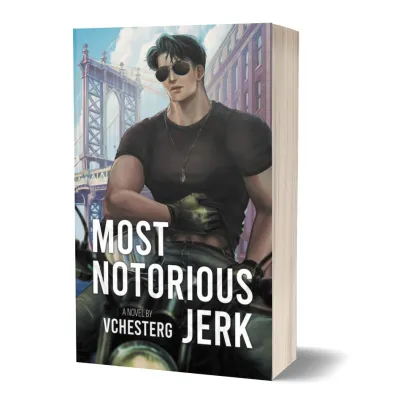
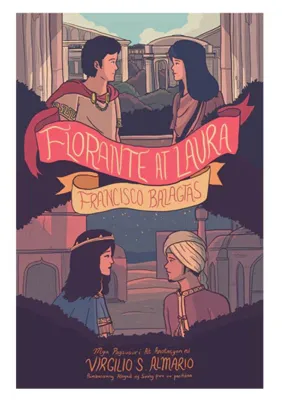
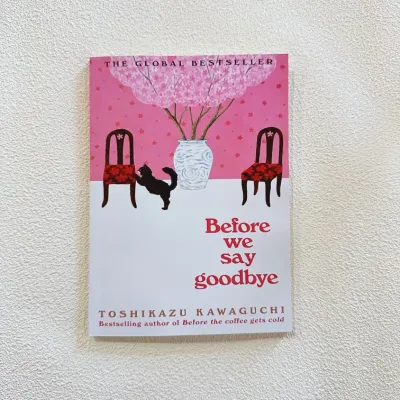
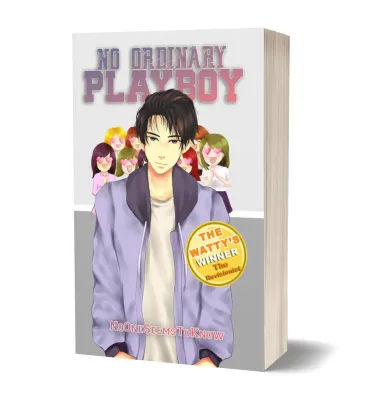

Prices are valid at publication and may change. Please refer to the product page for the latest price.
Transitioning from short-form digital content to long-form novels requires patience. For your first few novels, set manageable page-count goals to build your reading muscles. Instead of aiming to finish a chapter a day, commit to reading five to ten pages during a quiet morning or before sleeping. This low-pressure approach prevents burnout and helps you establish a consistent routine. As your comfort level grows, you can gradually increase your daily page targets and transition to more complex narratives.
Key Criteria for Selecting Beginner-Friendly Tagalog Novels
When browsing Tagalog literature, the linguistic style of the author plays a massive role in how easily you can digest the story. Modern Tagalog novels often mirror contemporary spoken language, making them highly accessible to beginners. These books use natural dialogue, familiar sentence structures, and occasional colloquialisms that reflect how people actually communicate in daily life. Many modern authors naturally incorporate Taglish or common English loanwords into their dialogue, which closely matches the linguistic reality of most local readers and eases the transition into reading longer texts.

In contrast, classical or highly formal Tagalog literature utilizes deep, traditional vocabulary—often referred to as “malalim na Tagalog.” While beautiful, these texts frequently require readers to keep a dictionary nearby, which can disrupt the flow of reading and discourage beginners. When evaluating a book, look at the first few paragraphs. If you encounter words like “balarila” or complex conjugations that feel foreign to your daily speech, it may be wise to save that title for when you have built more confidence.
Another helpful feature to look for is the presence of contextual aids. Some beginner-friendly editions include footnotes, brief glossaries, or parallel translations for complex terms. Additionally, choosing familiar genres can ease your transition into reading. Contemporary romance, slice-of-life stories, and coming-of-age dramas are excellent entry points. Because these genres deal with relatable, everyday scenarios, the context itself will often help you decode unfamiliar words, keeping your reading experience smooth and enjoyable.
Key Criteria for Selecting Beginner-Friendly English Novels
Selecting your first English novel requires a similar strategic approach to avoid cognitive overload. For beginners, Young Adult (YA) fiction and contemporary commercial fiction are highly recommended starting points. Authors in these genres typically write with straightforward sentence structures, active verbs, and relatable themes that mirror modern life. The pacing is generally faster, which helps maintain your interest and provides a sense of accomplishment as you move quickly through the chapters.
It is also beneficial to look for localized English novels written by Filipino authors or published by local presses. These books offer a unique advantage: they are written in English but set within a cultural context that you already understand. You will not have to spend mental energy deciphering unfamiliar foreign idioms, geographical references, or cultural norms. Instead, you can fully immerse yourself in the narrative, enjoying a story that feels both linguistically accessible and culturally resonant.
As a beginner, it is best to avoid dense classics, historical epics, or hard science fiction for your initial purchases. These genres often feature heavy jargon, archaic English prose, or highly stylized writing that can feel like a chore to decode. Your primary goal is to build momentum and enjoy the act of reading. By prioritizing clear, modern prose, you ensure that your early reading experiences are rewarding rather than exhausting.
Where to Buy Authentic Novels and Verify Editions
Once you have identified the types of books you want to read, the next step is sourcing authentic copies. The local market has seen a rise in unauthorized reprints and pirated editions, which often suffer from missing pages, blurry text, and poor binding. To ensure a high-quality reading experience and support the creators, always purchase from authorized online bookstores, official brand stores on major ecommerce platforms, or established physical retail chains.
Verifying the authenticity of a book is straightforward if you know what to look for. Check the copyright page for a valid International Standard Book Number (ISBN) and look for official publisher logos on the cover and spine. Authentic paperbacks generally feature high-quality paper—either crisp white or a consistent, eye-friendly cream color—and clean, legible printing. Pirated copies, by contrast, often use cheap, thin newsprint that bleeds ink, and their covers may look pixelated or feel unusually rough.
You should also consider how the tropical climate in the Philippines affects physical books. High humidity can cause cheap paper to yellow rapidly and warp, while poor glue binding can dry out and crack, causing pages to fall out. If you prefer physical books, investing in high-quality editions with sturdy bindings is essential for longevity. Alternatively, digital e-readers offer an excellent solution to climate-related wear and tear. When buying digital editions, ensure your device is compatible with the file formats offered by the seller and check for any digital rights management (DRM) restrictions that might limit where you can read your purchase.
Building Your First Reading List: A Conditional Shortlist Strategy
To make your first purchase successful, avoid buying too many books at once. Instead, build a small, highly curated shortlist based on your specific goals and language comfort. If your primary goal is to improve your formal Tagalog grammar, look for modern novels published by local university presses or established local publishers. If you simply want casual entertainment in English, look for popular contemporary fiction titles that have received positive reader feedback for their fast pacing and relatable characters.
Before finalizing your purchase, take advantage of sample chapters and online previews. Most digital bookstores and publisher websites allow you to read the first few pages of a book for free. Use this opportunity to test the readability of the text. If the prose flows naturally and you find yourself wanting to know what happens next, you have likely found a great match. If the writing feels clunky or difficult to follow, remove it from your cart and try another option.
Budgeting is another practical consideration when building your reading list. Local paperbacks printed on standard paper typically range from ₱150 to ₱350, making them highly affordable options for beginners. Imported English paperbacks and hardcovers generally cost more, often ranging from ₱500 to over ₱1,000 due to shipping and distribution fees. By balancing your list with a mix of affordable local titles and carefully selected imports, you can build an exciting, budget-friendly starter library. To avoid accumulating an unread stack of books—a habit known as “tsundoku”—practice a “one-in, one-out” rule where you only purchase a new book after finishing one you already own.
Frequently Asked Questions (FAQ)
Should I buy physical paperbacks or e-books for my first novels?
The choice between physical paperbacks and e-books depends on your lifestyle and reading preferences. Physical paperbacks offer a tactile experience, the satisfaction of turning physical pages, and the joy of building a visible bookshelf at home. However, they require proper storage to protect them from tropical humidity. E-books, on the other hand, are highly portable and allow you to carry an entire library on a single lightweight device. For beginners, e-readers offer a massive advantage: built-in digital dictionaries. If you encounter an unfamiliar word in an English or Tagalog e-book, you can simply tap the word to view its definition instantly, allowing you to maintain your reading flow without opening a separate app or dictionary.
How can I find Tagalog novels with English translations or summaries?
If you want to read Tagalog novels but worry about your comprehension, look for bilingual editions or books published by educational presses. Some academic publishers in the Philippines produce parallel-text editions, where the Tagalog text sits on one page and the English translation is printed directly opposite. You can also search online community forums, local reading groups, and book blogs for recommendations on accessible translations. When browsing online marketplaces, read the product descriptions and customer reviews carefully; other readers often mention if a book includes English summaries, glossaries, or helpful footnotes that assist with translation.
Community discussion
Share your experience or ask a question. Comments are reviewed before publication.