
Selecting a Catholic Bible for daily faith inspiration in the Philippines requires a thoughtful balance between translation style, physical durability, and spiritual features. Because a Bible is a lifelong companion for prayer and reflection, finding an edition that speaks clearly to your heart while standing up to daily use is essential. By understanding the approved translations, identifying key devotional tools, and knowing how to source authentic editions locally, you can establish a consistent and deeply enriching daily reading habit.
Understanding Catholic Bible Translations for Daily Reading
To build a meaningful daily reading routine, you must first choose a translation that aligns with your reading preferences and spiritual goals. The Catholic Church approves several translations, each employing a different philosophy to bring the ancient texts into modern English. These philosophies generally fall into two categories: formal equivalence and dynamic equivalence.
Formal equivalence translations, often described as word-for-word translations, prioritize literal accuracy and match the original Greek, Hebrew, and Aramaic structures as closely as possible. Popular examples include the Revised Standard Version Catholic Edition and the New American Bible Revised Edition. These editions are highly valued for deep scriptural study, theological analysis, and lectio divina, as they preserve the precise phrasing and historical metaphors of the original texts.
Products mentioned in this guide
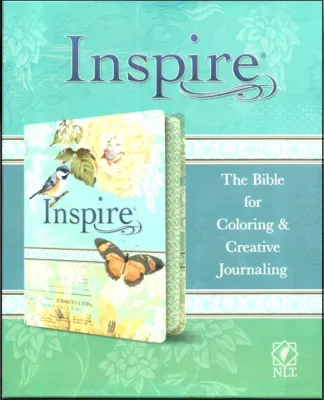
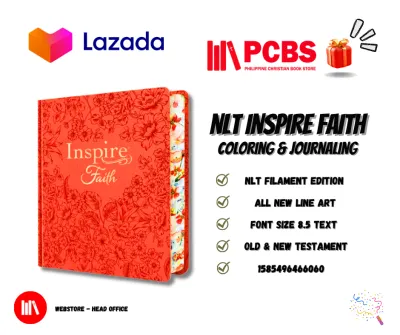
Prices are valid at publication and may change. Please refer to the product page for the latest price.
Dynamic equivalence translations, on the other hand, focus on a thought-for-thought approach. Translations like the New Living Translation Catholic Edition and the Good News Translation Catholic Edition translate the meaning of entire sentences into contemporary, highly readable English. If your primary goal is smooth, engaging daily reading or if you find older, formal language difficult to digest during early morning reflections, a dynamic equivalence translation can make the scriptures feel incredibly accessible and immediate.
The choice of translation directly shapes how you experience daily reflection and prayer. A formal translation invites you to slow down, ponder individual words, and unpack complex theological layers, making it ideal for structured study. A dynamic translation flows like a narrative, helping you grasp the overarching story of salvation history and easily apply the lessons to your daily life in a practical, personal way.
Regardless of the translation style you prefer, verifying that the Bible is an approved Catholic edition is non-negotiable for doctrinal integrity. Always look for the official ecclesiastical approvals, specifically the nihil obstat and the imprimatur, which are usually printed on the copyright page. The nihil obstat declares that the book contains nothing contrary to faith and morals, while the imprimatur represents the official bishop’s permission to publish, ensuring that the edition includes all seventy-three books of the Catholic biblical canon, including the deuterocanonical books.
Key Features to Look for in an Inspiring Devotional Bible
Once you have decided on a translation, the physical and structural features of the Bible will determine how easily you can integrate it into your daily routine. A devotional Bible is more than just the biblical text; it is an ecosystem of tools designed to foster personal growth, prayer, and reflection.

Study notes, daily reflections, and devotional commentaries are invaluable for expanding your understanding of the scriptures. High-quality devotional Bibles often feature reflections written by theologians, saints, or modern spiritual writers right alongside the biblical text. These reflections bridge the gap between ancient times and modern life, offering practical insights that turn a simple reading session into an active conversation with God. Topical indexes are also incredibly useful, allowing you to quickly find passages related to specific emotions, challenges, or life stages when you need immediate spiritual comfort.
The physical format of the Bible is just as important as its content, especially when considering daily handling. If you enjoy writing down your prayers, insights, or sermon notes, a journaling Bible with wide, lined margins and thick, bleed-resistant paper is an excellent choice. For those who read in the quiet hours of the morning or evening, a large-print edition reduces eye strain and makes prolonged reading much more comfortable.
Durability and binding are critical factors for a book you intend to open every single day. Look for Bibles with lay-flat binding, which allows the book to stay open on a desk or altar without the pages flipping back on their own. This feature is particularly helpful during prayer or journaling when your hands might be occupied. Durable cover materials, such as high-quality synthetic leather or sturdy hardcovers, protect the delicate pages from wear and tear, ensuring your Bible remains intact for years to come.
Supplementary materials can also help structure your spiritual routine throughout the liturgical year. Many inspiring Catholic Bibles include integrated prayers, lists of saints’ feast days, and guides to the mysteries of the Rosary. Some editions even feature a liturgical calendar index, helping you align your daily personal reading with the universal Church’s seasonal rhythm, from Advent and Christmas through Lent and Easter.
Matching Bible Editions to Your Spiritual Goals
Every reader’s spiritual journey is unique, and matching the right type of Bible to your specific goals will ensure that your daily reading remains a source of inspiration rather than a chore. Understanding the primary purpose of different Bible formats helps you select the one that best fits your lifestyle.
For readers who want to dive deep into the historical, cultural, and theological context of scripture, a dedicated study Bible is the optimal choice. These editions are packed with extensive commentary, detailed maps, historical timelines, and cross-references. A study Bible is perfect for those who ask deep questions about the text, seek to understand the historical background of the prophets, or want to strengthen their knowledge of Catholic apologetics. While they can be bulky, the wealth of information they provide makes them an indispensable tool for serious study.
If your primary goal is personal reflection, creative expression, and prayer integration, a devotional or journaling Bible is highly recommended. These Bibles are designed to engage both the mind and the heart. Journaling editions encourage you to interact directly with the word of God by sketching, writing, or highlighting key verses in the margins. This active engagement helps solidify the scriptures in your memory and turns your Bible into a highly personalized spiritual heirloom that documents your personal walk of faith.
For readers with busy lifestyles, frequent travelers, or those who commute daily, portability is a key consideration. Compact, paperback, or pocket-sized Catholic Bibles are designed to fit easily into a bag, backpack, or glove compartment. While these editions may lack extensive study notes or wide margins, their portability ensures that you always have access to the word of God, whether you are waiting in line, taking a lunch break, or traveling away from home. Having a compact Bible readily available makes it much easier to build a consistent reading habit amidst a hectic schedule.
How to Verify Availability and Authenticity in the Philippines
Sourcing a high-quality Catholic Bible in the Philippines requires some care, as the market contains a wide variety of editions, and unauthorized or incomplete prints can sometimes appear online. Knowing where to shop and how to verify the authenticity of your purchase ensures that you receive a complete, approved Catholic Bible.
Reputable local Catholic bookstores remain the most reliable physical channels for purchasing Bibles. Establishments run by religious congregations, such as the Paulines, Word & Life, or other diocesan and parish-run shops, carry a curated selection of approved Catholic Bibles. Shopping at these physical locations allows you to hold the Bible, feel the paper quality, check the font size, and inspect the binding before making a purchase. The staff at these stores are also highly knowledgeable and can guide you toward editions that match your specific translation and feature preferences.
When shopping online, verifying the publisher’s authenticity and checking for ecclesiastical approval seals is crucial. Authentic Catholic Bibles will clearly state the publisher on the listing and copyright page, and they will explicitly mention the presence of the nihil obstat and imprimatur. Be cautious of listings on general e-commerce platforms that use vague descriptions or do not show photos of the copyright page. Avoid heavily discounted, unbranded editions, as these may be pirated copies with missing books, poor binding, or low-quality paper that will deteriorate quickly.
Before finalizing an online purchase, practice smart shopping habits to protect your investment. Check the seller’s ratings and read customer reviews, looking specifically for feedback regarding packaging and shipping protection. Because books are susceptible to bent corners, torn covers, and water damage during transit, choose sellers who use sturdy cardboard boxes and protective wrapping. Finally, review the platform’s return and refund policies so you can easily exchange the book if it arrives damaged or if you discover it is an unauthorized print.
Frequently Asked Questions (FAQ)
Do I need a specific Catholic Bible translation for daily Mass readings?
You do not need to use the exact translation read at the pulpit for your personal daily devotions, though doing so can provide a sense of liturgical continuity. In the Philippines, the official lectionary used during Mass is typically based on specific approved translations, such as the New American Bible. However, for your personal prayer and reflection, any approved Catholic Bible translation containing the imprimatur is perfectly acceptable and highly beneficial.
To align your personal reading with the daily liturgy, you can cross-reference the daily Mass readings with your personal Bible. Many Catholic Bibles include a liturgical index at the back, or you can use daily missalettes, liturgical calendars, and official Catholic websites to find the designated scripture citations for each day. Reading these passages in your preferred translation before or after Mass can deepen your understanding of the homily and the liturgy of the word.
How can I protect a leather-bound or journaling Bible from high humidity?
The tropical climate of the Philippines presents unique challenges for preserving books, as high humidity can lead to mold, page warping, and the deterioration of cover materials. To protect your Bible, store it in a cool, dry place with adequate airflow, away from damp walls, open windows, or direct sunlight. Avoid storing your Bible in closed plastic bags or airtight containers, as this can trap moisture and accelerate mold growth; instead, keep it on an open shelf or in a breathable fabric sleeve.
For regular maintenance, use gentle and reversible cleaning methods to keep your Bible in pristine condition. Wipe the cover periodically with a clean, dry microfiber cloth to remove dust and oils from your hands. If the pages become slightly damp, gently fan them out in a well-ventilated room with a fan running, but never use a hairdryer or direct heat, which can warp the paper and ruin the binding adhesive. Always consult the publisher’s care instructions printed in the introductory pages or on their official website before applying any leather conditioners or protective treatments to the cover.
Community discussion
Share your experience or ask a question. Comments are reviewed before publication.