
Daily devotion is a cornerstone of spiritual life for millions of believers in the Philippines. Whether praying at home before a family altar or joining the weekly crowds at national shrines, having a reliable English novena prayer booklet is essential for maintaining a consistent prayer routine. The right booklet serves as a physical anchor for your spiritual focus, helping you navigate the structured nine-day cycle of prayer without distraction.
Selecting the ideal booklet involves more than just picking the first one you see on a chapel shelf. Because these booklets are handled daily, often carried in bags through daily commutes, and exposed to tropical humidity, their physical construction is just as important as their textual content. A well-chosen booklet should offer a balance of complete, doctrinally sound prayers, durable materials, and clear formatting that remains readable in any lighting.
By evaluating key features such as binding strength, paper quality, typography, and official ecclesiastical approval, you can find a devotional companion that will withstand years of regular use. This guide outlines the essential criteria to consider when choosing an English novena prayer booklet, ensuring your investment supports a focused and meaningful daily prayer experience.
Products mentioned in this guide
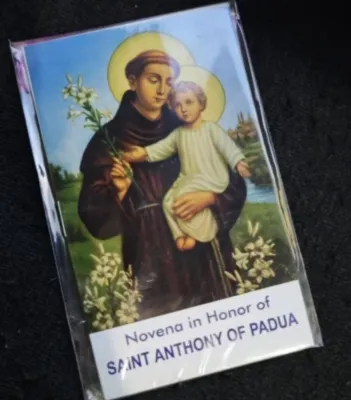
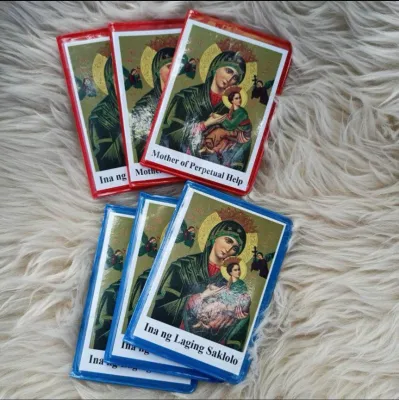
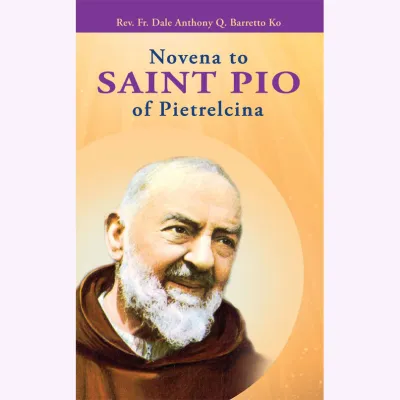
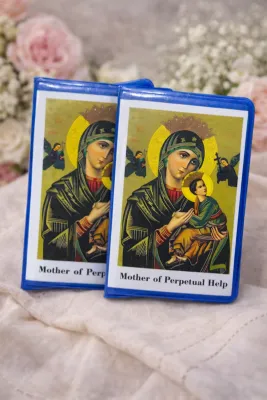
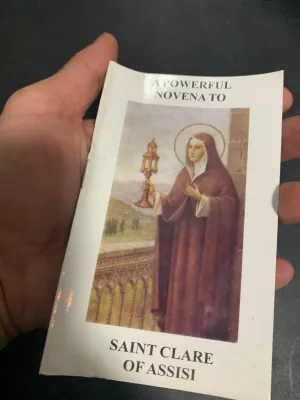
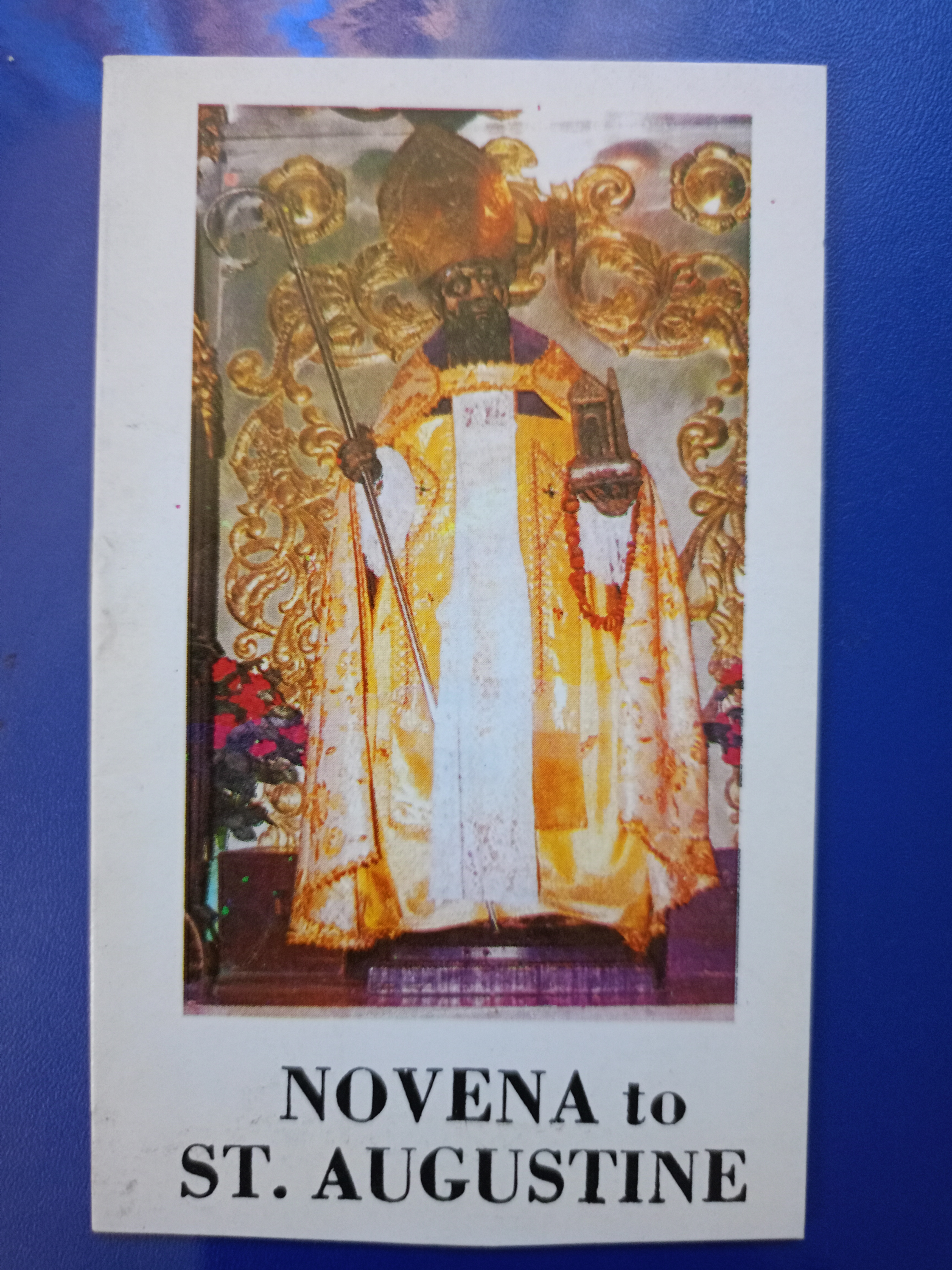

Prices are valid at publication and may change. Please refer to the product page for the latest price.
Key Features to Look for in a Novena Prayer Booklet
A comprehensive novena prayer booklet must first and foremost contain all the necessary structural elements of the specific devotion. A standard novena consists of a structured sequence of prayers repeated or progressed over nine consecutive days. When evaluating a booklet, verify that it includes the opening prayers, daily meditations or specific petitions for each day, and the appropriate closing prayers, such as a litany or a final prayer of thanksgiving. Some booklets shortcut this process by printing only a single set of generic prayers, which can make the daily devotion feel repetitive or incomplete.
Portability is another critical factor for daily practitioners in the Philippines. Many devotees carry their prayer booklets in their bags or pockets to pray during their daily commute, at work, or while visiting a parish church. A compact size, typically around 4 by 6 inches (often referred to as pocket-sized or A6), is highly practical. It should be lightweight enough to hold comfortably in one hand for extended periods, especially when standing in crowded pews or during public novena services.
Beyond the core prayers, look for supplementary features that enrich your devotional practice. High-quality booklets often include a liturgical calendar highlighting the feast days of the patron saint, a brief history of the devotion, and dedicated pages for tracking your personal prayer intentions. Some editions also feature traditional hymns associated with the novena, complete with lyrics and basic musical notations, which are particularly helpful for participating in communal singing during church services.
Finally, consider the language and translation style of the English text. While some readers prefer traditional, formal English with classical pronouns, others find modern, contemporary English more accessible for personal reflection. Ensure the translation used in the booklet resonates with your personal prayer style and matches the versions commonly recited in your local parish to avoid confusion during communal prayers.
Evaluating Binding and Material Durability
The physical durability of a novena booklet is a primary concern, especially given the high humidity and warm temperatures characteristic of the Philippine climate. Daily handling, sweat from hands, and the friction of being slipped in and out of bags can quickly degrade poorly made booklets. The method used to bind the pages together plays a significant role in how long the booklet will last under these conditions.

Saddle-stitch binding, which uses metal staples along the spine, is the most common and affordable option for thin booklets. While saddle-stitched booklets lay completely flat when opened—making them very easy to read—the metal staples can rust over time due to atmospheric moisture, leading to stained pages and loose sheets. For thicker, comprehensive prayer books, perfect binding (using adhesive to secure the pages to the spine) is common, but cheap glues can crack in the heat, causing pages to fall out. Sewn binding, where page signatures are stitched together with thread before being glued, offers the highest level of durability and allows the booklet to open flat without putting stress on the spine.
The cover material is your booklet’s first line of defense against wear and tear. Standard paper covers absorb moisture, oil, and dirt rapidly, leading to frayed edges and creasing within a few weeks of daily use. Laminated cardstock covers offer a practical and cost-effective alternative, as the thin plastic coating resists water droplets and can be wiped clean. For a more premium and long-lasting option, faux leather or vinyl covers provide excellent protection against spills and heavy handling, maintaining their appearance for years.
Paper weight and opacity are equally important for a comfortable reading experience. Devotional booklets printed on thin, low-grade paper often suffer from “ghosting,” where the text from the reverse side of the page bleeds through and interferes with readability. Look for booklets printed on wood-free paper with a weight of at least 70 gsm (grams per square meter). This thickness ensures the pages are sturdy enough to resist tearing during quick page turns and prevents ink from bleeding through, even if you use a mild highlighter to mark your favorite passages.
Assessing Content, Formatting, and Readability
A well-designed layout is essential for maintaining focus during prayer, as poor formatting can cause unnecessary distractions. The text of the novena should be arranged in a logical, sequential order that is easy to follow without constant page-flipping. For novenas that feature different prayers for each of the nine days, the booklet should clearly label each day (e.g., “Day 1,” “Day 2”) with distinct headers, ensuring you do not accidentally skip a day or repeat the wrong prayers.
Typography is a crucial element of readability, particularly in the varied lighting conditions of churches, adoration chapels, or home altars. The font size should be large enough to read comfortably at arm’s length; a font size of 10 to 12 points is generally recommended for standard readers, while large-print editions of 14 points or higher are ideal for elderly devotees or those with visual impairments. Adequate line spacing and generous margins also prevent the text from looking cluttered, reducing eye strain during extended reading sessions.
Visual cues within the text help guide your participation, especially during communal recitation. Look for booklets that use bold text to distinguish responses from leader prompts, allowing you to quickly identify your parts during group prayers. Rubrics—the instructional directions that tell the reader when to stand, kneel, make the sign of the cross, or pause for silent reflection—should be clearly distinguished from the prayer text itself, typically through the use of italics, a smaller font size, or a different ink color like red.
Additionally, check for the inclusion of standard devotional aids that complement the novena. A complete booklet should feature basic Catholic prayers such as the Rosary, the Act of Contrition, and prayers for the intentions of the Holy Father, which are often required to gain indulgences associated with specific novenas. Having these prayers compiled in a single volume eliminates the need to carry multiple booklets or search for texts on your phone during your holy hour.
Where to Buy and How to Verify Authenticity
Finding a high-quality, authentic English novena booklet in the Philippines involves knowing where to shop and what quality markers to look for. Parish gift shops and shrines are excellent starting points, as they typically stock booklets specifically tailored to the devotions associated with their patron saints. Specialized religious bookstores operated by established Catholic publishers offer the widest selection of well-constructed, authorized prayer books and devotionals.
When shopping on online marketplaces or ecommerce platforms, extra caution is required to avoid poorly produced counterfeits or unauthorized reprints. Many low-cost listings feature scanned copies of older booklets that suffer from blurry text, missing pages, or weak bindings that fall apart after a few uses. To ensure you are purchasing a genuine edition, check the seller’s profile to verify they are an authorized distributor or a reputable religious organization, and read customer reviews to assess the physical quality of the product.
Doctrinal accuracy is paramount when selecting a prayer booklet. To verify that the content aligns with official Catholic teachings and liturgical standards, look for ecclesiastical approvals printed on the copyright page. The most common indicators are the Nihil Obstat (a declaration by an official censor that the book contains nothing contrary to faith or morals) and the Imprimatur (the official permission from a bishop to publish the work). These approvals guarantee that the prayers and meditations are doctrinally sound and free from theological errors.
Finally, compare the pricing of booklets to ensure you are getting a fair deal. Standard paper-bound novena booklets in the Philippines are highly affordable, typically ranging from ₱20 to ₱100 depending on the size and page count. Premium editions with faux leather covers or large-print formatting may cost between ₱150 and ₱500. If a price seems unusually low for a premium edition, or if the listing lacks detailed photos of the interior pages and copyright information, it is best to seek out a verified publisher to guarantee the booklet’s authenticity and physical quality.
Frequently Asked Questions (FAQ)
Can I use a digital novena app instead of a physical booklet?
While digital novena apps offer convenience and portability on your smartphone, they present distinct challenges for deep, contemplative prayer. The primary drawback of using a phone is the constant risk of distraction from incoming notifications, messages, and social media alerts, which can easily disrupt your spiritual focus. Additionally, reading from a bright screen in a dimly lit chapel can cause eye strain, and relying on battery power means your prayer time could be cut short. A physical booklet provides a dedicated, tactile space free from digital interruptions, allowing you to fully immerse yourself in the traditional rhythm of prayer.
How do I keep track of my daily novena progress in a booklet?
Tracking your progress through the nine days of a novena should be done using methods that preserve the physical integrity of the booklet. Avoid folding the corners of the pages (dog-earing), as this weakens the paper fibers and leads to permanent creases and tears over time. Instead, use a thin ribbon bookmark, a classic paper bookmark, or small, removable sticky tabs that do not leave a residue. It is also highly recommended to avoid writing directly on the pages with heavy ink or ballpoint pens, as the pressure and ink can bleed through to the opposite side, permanently obscuring the prayer text.
What should I do if my booklet is missing specific concluding prayers?
If you discover that your newly purchased booklet is missing essential concluding prayers or specific daily meditations, you can easily supplement the text using verified resources. Cross-reference the missing sections with official parish websites, established Catholic publishing houses, or authorized devotional portals online. You can print out the missing prayers on a small slip of paper and tuck it inside the booklet’s back cover for easy access. If the omission is due to a clear printing or binding defect, such as missing signatures or duplicated pages, contact the retailer or publisher to request a replacement copy.
Community discussion
Share your experience or ask a question. Comments are reviewed before publication.