
Choosing your first tenor drum requires balancing the specific musical style you play with the physical demands of the instrument. To make the right choice, you must first identify whether you need a single concert tenor drum for orchestral settings or a multi-drum marching configuration for a drumline. From there, evaluating the shell material, selecting the correct drum size, and choosing between single- and double-head setups will determine your sound and playing comfort. Finally, inspecting the hardware durability is essential, especially in tropical climates where humidity can affect tuning stability and metal components.
Identify the Right Type of Tenor Drum for Your Needs
Before browsing any music store, you must determine whether your musical goals require an orchestral concert tenor drum or a marching tenor drum configuration. These two categories serve entirely different musical roles, use different mounting systems, and produce distinct sound profiles.
Concert tenor drums are typically single, deep-shelled drums mounted on a stationary stand. They are designed to produce a warm, dark, and resonant tone that blends seamlessly with an orchestra or concert band. These drums are played with soft mallets and are rarely subjected to high-tension tuning.
Products mentioned in this guide
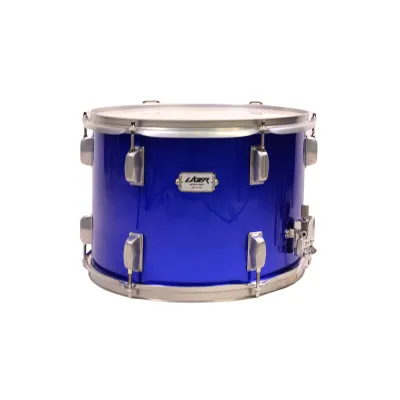
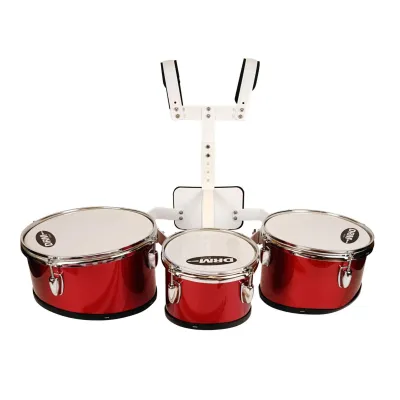
Prices are valid at publication and may change. Please refer to the product page for the latest price.
In contrast, marching tenor drums are designed for high-energy outdoor performances. They are carried by the player using a specialized shoulder harness or carrier. Marching tenors are frequently configured as multi-drum setups, commonly referred to as quads (four drums), quints (five drums), or sextets (six drums). These instruments are tuned to high tensions to produce a sharp, cutting sound that can project over brass instruments.
Because of these differences, you should always check the specific requirements of your local school band, community marching band, or orchestral program before making a purchase. Ask your instructor or band director for the exact terminology and sizing conventions they use. Buying a single concert drum when your school’s drumline requires a multi-drum marching set is a costly mistake that is difficult to rectify.
Evaluate Shell Materials for Tone and Budget
The material used to construct the drum shell is the primary factor influencing the instrument’s natural resonance, weight, and overall durability. Beginners typically choose between traditional wood shells and modern synthetic or composite materials.

Wood shells remain the standard for traditional acoustic warmth. Mahogany is highly regarded for its deep, rich low-end frequencies, making it an excellent choice for concert settings. Birch offers a much brighter sound with a focused, sharp attack, which helps marching players maintain rhythmic clarity. Maple provides a highly balanced tone with a wide dynamic range, making it a versatile option for players who participate in both concert and marching ensembles.
Synthetic or composite materials, such as fiberglass, acrylic, or carbon fiber, are increasingly popular for marching applications. These materials are exceptionally durable and offer superior weather resistance. In tropical climates with high humidity and sudden rain showers, wood shells can absorb moisture and warp over time if they are not perfectly sealed. Synthetic shells remain stable under extreme weather conditions, ensuring consistent pitch and structural integrity during outdoor rehearsals.
When evaluating a drum, do not assume that the outer visual finish represents the actual shell composition. Many budget drums feature a shiny plastic wrap or a faux-wood veneer over a low-grade composite core. Always verify the actual core material by reading the manufacturer’s technical specifications or product labels before purchasing.
Select the Appropriate Drum Size and Depth
Drum dimensions directly dictate the pitch range, resonance, and physical playability of the instrument. You must select a size that matches both your musical role and your physical capabilities.
For single concert tenor drums, standard diameters typically range from 12 to 15 inches, with a shell depth of 10 to 12 inches. This deep profile allows the drum to produce a low, resonant boom. For marching multi-drum configurations, the setup utilizes a series of smaller, tightly tuned drums of varying diameters (such as 8, 10, 12, and 13 inches) to create a melodic scale.
Shell depth also plays a critical role in sound projection. Deeper shells increase the volume of air inside the drum, resulting in longer sustain and a more pronounced low-end response. Shallower shells, often called cutaway designs in marching bands, offer a quicker, punchier sound with minimal ring. This fast decay is highly desirable for complex, rapid rudiments where individual note clarity is essential.
Physical comfort is another vital consideration for beginners. Marching multi-drums can be heavy and physically demanding to carry. Younger players or those with smaller frames should look for shallower shell depths or lightweight configurations to prevent back strain. Ensure that any harness or stand you choose is fully adjustable to accommodate your height and arm length comfortably.
Decide Between Single and Double Drum Heads
The drum head configuration determines how the instrument projects sound and how much control you have over its tuning.
Single-head drums feature only a top batter head, leaving the bottom of the shell open. This design projects sound directly downward and outward, resulting in a very clean, articulate attack with a short decay. Many marching multi-drum setups use single-head configurations because they allow fast, intricate patterns to be heard clearly without muddying the sound. Double-head drums feature both a top batter head and a bottom resonant head. The interaction between the two heads creates a much warmer, fuller sound with longer sustain, making this configuration the standard for concert and orchestral performances.
Beyond the number of heads, the type of drum head material affects your playing experience. Coated heads provide a warmer, more controlled tone with fewer harsh overtones, which is ideal for concert use. Clear heads offer a brighter, punchier sound with a sharp attack. High-tension marching heads, often reinforced with woven fibers, are designed to withstand extreme tension and provide a highly articulate rebound.
When purchasing an entry-level tenor drum, check whether the package includes high-quality factory-installed heads or if they must be purchased separately. Many budget student models ship with thin, basic heads that are prone to stretching or denting quickly. Budgeting for a high-quality replacement head from the start can significantly improve the sound of an entry-level drum.
Inspect Hardware, Lugs, and Build Quality
A drum is only as good as the hardware that holds it together. High-quality hardware ensures that your drum stays in tune and survives the rigors of regular practice.
Begin by inspecting the tension rods, lugs, and hoops. The tension rods should thread smoothly into the lugs without catching, grinding, or slipping. The lugs must be securely anchored to the shell, preferably with interior backing plates to distribute the physical stress evenly. Hoops should be perfectly round and rigid; cheap, thin metal hoops can bend under high tension, leading to uneven head wear and tuning difficulties.
Next, examine the bearing edges of the drum shell. The bearing edge is the precise rim where the drum head makes contact with the shell. Remove the drum head if possible, or look closely through clear heads to ensure this edge is perfectly smooth, consistent, and free of splinters, flat spots, or warping. Any imperfection along the bearing edge will prevent the drum head from seating correctly, making it nearly impossible to tune the drum evenly.
In humid environments, low-quality metal components are highly susceptible to rust and corrosion. Look for robust steel or die-cast hoops with high-quality chrome plating. Avoid drums with loose, rattling internal components or poorly finished metal edges, as these are clear indicators of subpar manufacturing that will fail under regular use.
Plan Your Budget and Choose a Reliable Retailer
Establishing a realistic budget and purchasing from a reputable source will protect your investment and ensure you receive a genuine, functional instrument.
In the Philippines, entry-level single concert tenor drums or basic marching tenors typically range from ₱6,000 to ₱12,000. Multi-drum marching configurations, such as student-grade quads with a basic harness, generally start around ₱15,000 and can exceed ₱35,000 for intermediate models with more robust hardware. Avoid extremely cheap, unbranded instruments, as they often use soft metals and poorly cured wood that will warp quickly.
Whenever possible, visit a local brick-and-mortar music store to physically inspect the drum. Testing the weight of a marching harness and feeling the balance of the instrument in person is invaluable for a beginner. If you choose to buy from an authorized online storefront or a reputable online marketplace, verify that the seller is an official distributor for the brand.
Because tenor drums are bulky and fragile, pay close attention to the retailer’s shipping policies. Ensure the seller uses secure, padded packaging and offers shipping insurance to cover any potential transit damage. Always review the warranty terms and return policies so you can easily exchange the instrument if you discover any manufacturing defects upon delivery.
Frequently Asked Questions (FAQ)
Do I need special mallets for a tenor drum?
Yes, tenor drums require specific mallets to achieve their intended sound. Concert tenor drums are typically played with soft felt or cartwheel mallets to draw out a warm, dark, and resonant tone. Marching tenors require specialized marching tenor mallets, which feature hard nylon, wood, or dense felt heads mounted on aluminum or wood shafts. These hard mallets provide the sharp, articulate attack needed to cut through an outdoor brass section. Always consult your band director or instructor to match your mallets to your specific ensemble’s requirements.
How should I store and maintain my tenor drum at home?
To preserve your tenor drum in a tropical climate, store it in a padded gig bag or a hard case when it is not in use. Keep the instrument away from direct sunlight, open windows, and air conditioning vents, as extreme temperature and humidity fluctuations can cause wood shells to warp and hardware to rust. Wipe down the metal hoops, lugs, and tension rods with a dry microfiber cloth after every practice session to remove sweat and finger oils. Periodically apply a light lubricant, such as white lithium grease, to the tension rod threads to ensure smooth, easy tuning.

Community discussion
Share your experience or ask a question. Comments are reviewed before publication.